Information
Landmark: Phoenix ParkCity: Dublin
Country: Ireland
Continent: Europe
Phoenix Park, Dublin, Ireland, Europe
Phoenix Park is a walled urban park located 3km west of Dublin city center, north of the River Liffey. Covering 707 hectares (1,750 acres), it is one of the largest enclosed recreational spaces in any European capital city.
Visual Characteristics
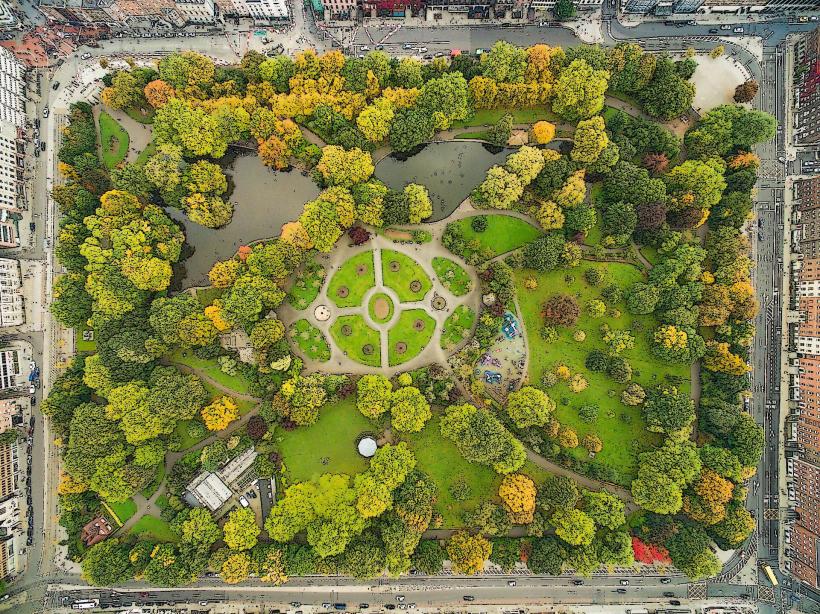
The park consists of expansive open grasslands, wooded areas of oak, beech, and chestnut, and formal Victorian gardens. The landscape is mostly flat with a central 11km perimeter wall made of limestone. Key vertical landmarks include the 62-meter-high Wellington Testimonial granite obelisk and the white-washed neoclassical facade of Áras an Uachtaráin.
Location & Access Logistics
The main entrance is at Parkgate Street, accessible via the Luas Red Line (Heuston stop) or multiple bus routes (25, 26, 37, 38, 39, 46A, 70). It is a 5-minute walk from Heuston Railway Station. Chesterfield Avenue is the primary internal road running through the center. Free parking is available at the Papal Cross, the Visitor Centre, and various designated roadside spots.
Historical & Ecological Origin
Originally established in 1662 by James Butler, Duke of Ormond, as a royal deer hunting park, it was opened to the public in 1747. It is an internationally significant site for biodiversity, most notably home to a wild herd of approximately 600 fallow deer, descendants of the original 17th-century population.
Key Highlights & Activities
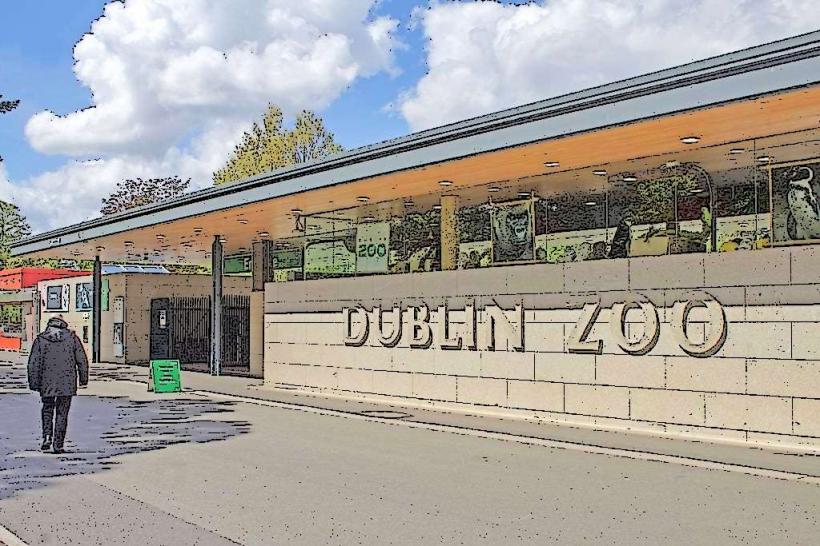
Recreational options include cycling on dedicated paths (rentals available at the Parkgate Street entrance), visiting the Dublin Zoo, and exploring the Victorian Flower Gardens. The Papal Cross marks the site of the 1979 open-air mass. Public tours of Áras an Uachtaráin (the President’s Residence) are typically available on Saturdays.
Infrastructure & Amenities
The Phoenix Park Visitor Centre provides restrooms, a playground, and a permanent historical exhibition. Food services are available at the Phoenix Park Tea Rooms, the Visitor Centre restaurant, and kiosks within Dublin Zoo. 5G signal is consistent across the park, though some interior wooded zones have weaker reception.
Best Time to Visit
Optimal viewing for the fallow deer is during the early morning or late evening when they are most active. For photography of the Wellington Monument, late afternoon light provides the best contrast. The Victorian Flower Gardens are at peak bloom from June to August.
Facts & Legends
The park's name is not derived from the mythical bird but from the Irish phrase fionn uisce, meaning "clear water," referring to a spring near the Phoenix Column. A unique local tip: the deer are wild animals and it is illegal to feed them, as it causes significant nutritional and behavioral harm to the herd.
Nearby Landmarks
Dublin Zoo: 0.5km West of North Circular Road Gate
Áras an Uachtaráin: 1.5km Northwest of Main Gate
Wellington Monument: 0.4km West of Main Gate
Magazine Fort: 1.2km West of Main Gate
Farmleigh House: 3.5km Northwest of Main Gate