Information
City: DuluthCountry: USA Minnesota
Continent: North America
Duluth, USA Minnesota, North America
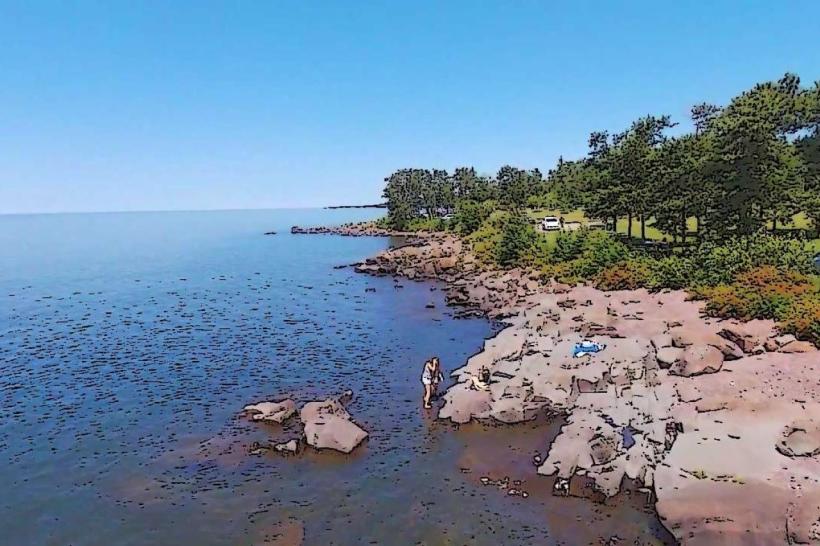
Duluth is an independent city and the seat of St. Louis County, situated at the westernmost tip of Lake Superior. Known as the "Zenith City," it is defined by its status as the world’s farthest inland freshwater port, its dramatic 800-foot bluffs, and its identity as the gateway to Minnesota's North Shore.
Historical Timeline
Inhabited by the Ojibwe (Chippewa) people. Primary governance eras began with the 1850s copper rush and the 1870 arrival of the railroad. A critical historical event occurred in the early 20th century when Duluth boasted more millionaires per capita than any other U.S. city due to the iron ore and timber booms. Following the mid-century industrial decline, the city successfully transitioned into a tourism and healthcare hub. The 21st century has been characterized by its emergence as a "climate refuge" and a center for aviation manufacturing (Cirrus Aircraft).
Demographics & Population
The population is approximately 86,500 (Metro area ~280,000). The demographics are White (88%), Indigenous (2.5%), Black or African American (2.5%), and Hispanic or Latino (2.5%). The economy is driven by shipping, healthcare (Essentia, St. Luke's), and the University of Minnesota Duluth (UMD).
Urban Layout & Key Districts
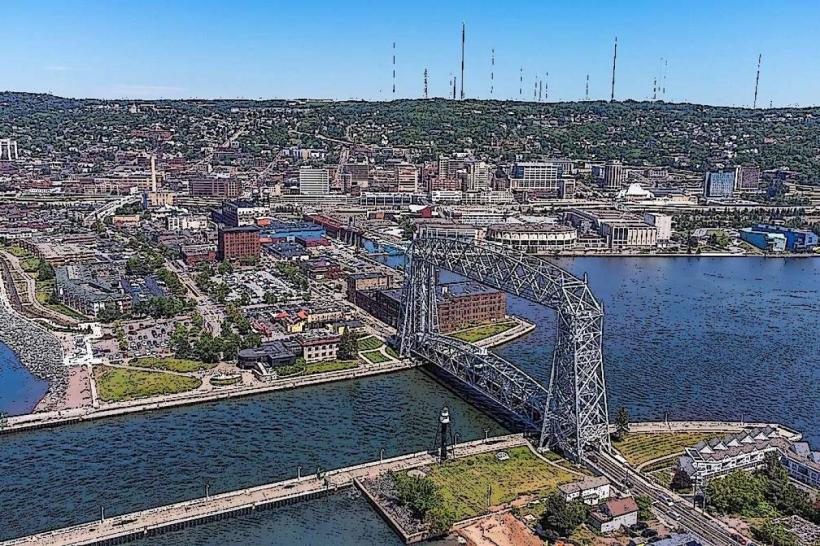
Duluth is a linear city, stretching 40 km along the lakefront but only a few kilometers wide.
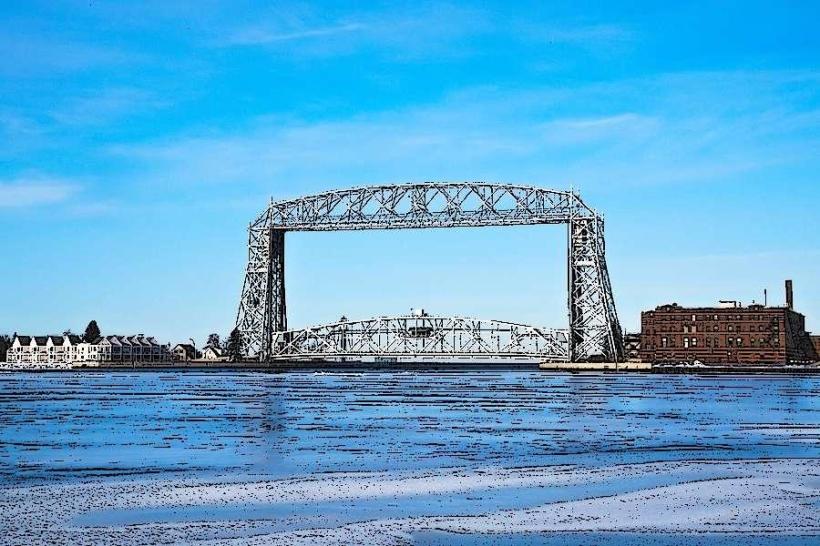
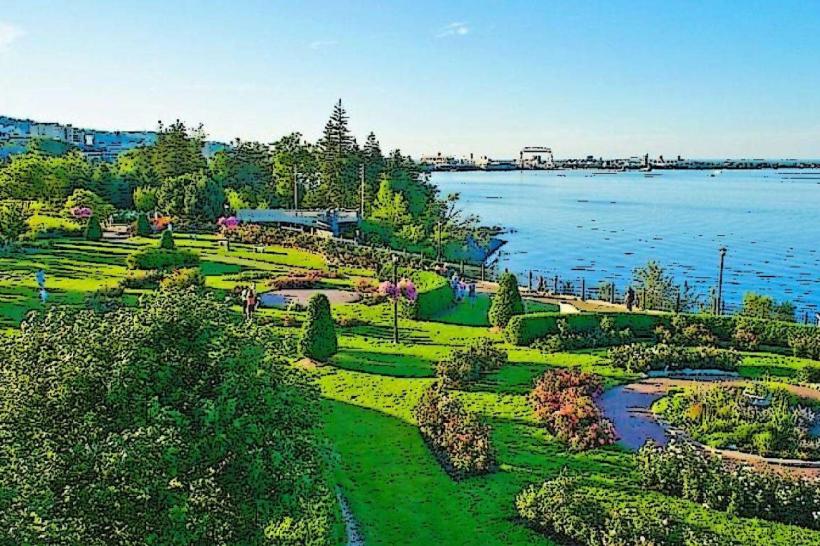
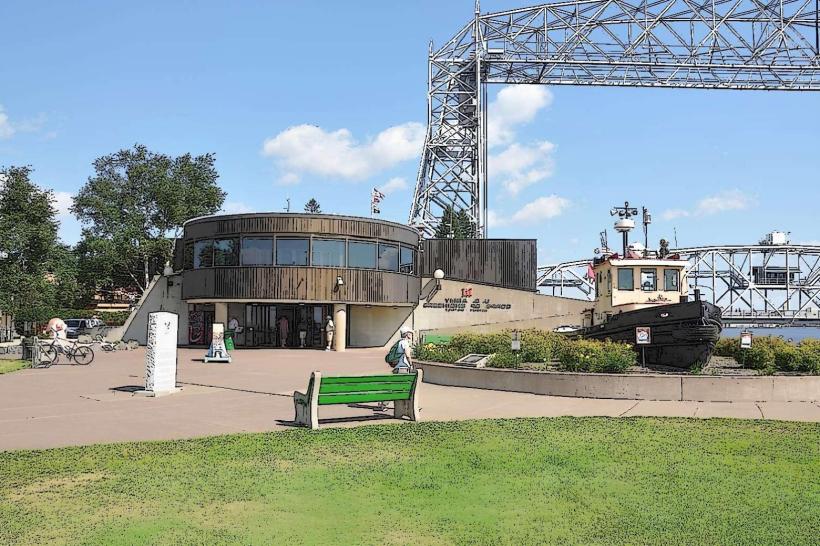
Canal Park: A former industrial warehouse zone transformed into the city’s primary tourism district, featuring shops, restaurants, and the iconic Aerial Lift Bridge.
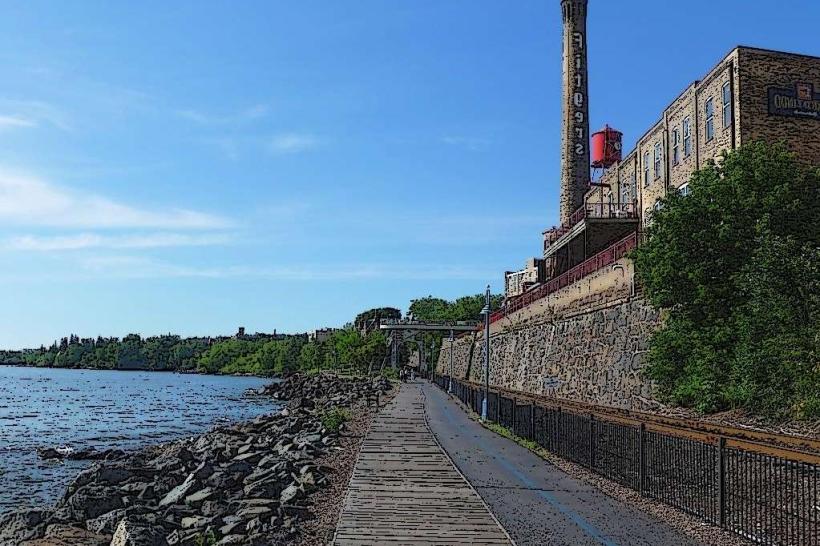
Downtown: The historic business core, featuring "Fitger's" and a skywalk system built into the hillside.
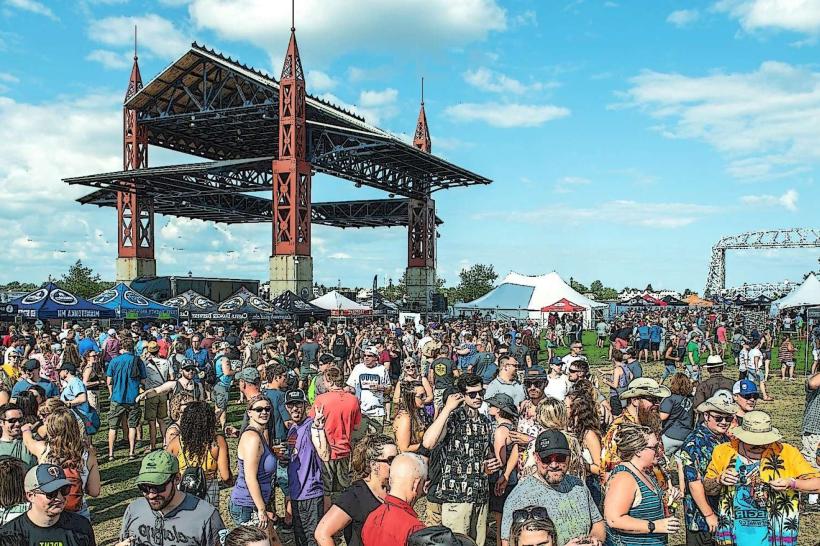
Lincoln Park (Craft District): A revitalized industrial neighborhood now serving as the hub for breweries, cideries, and artisan makers.
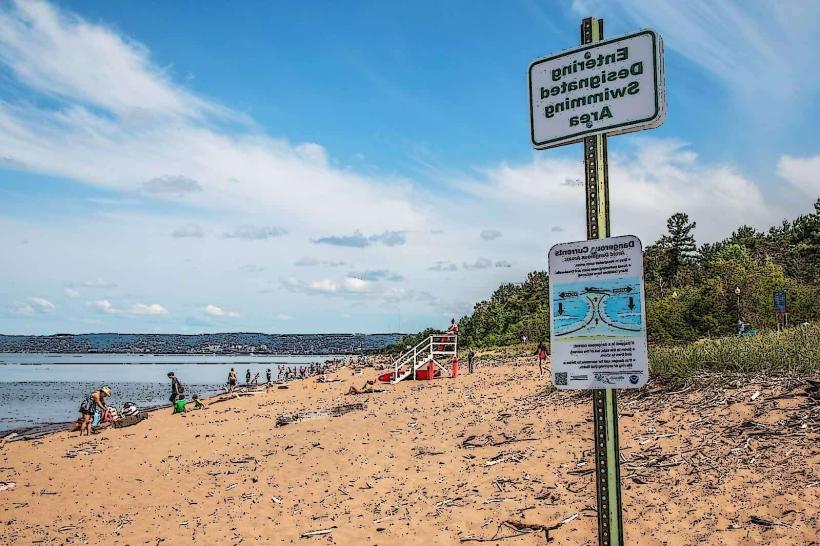
Park Point: A 10-km sandbar extending into Lake Superior, featuring residential homes and public beaches.
Lakeside/Lester Park: A quiet, residential eastern district known for historic architecture and access to the North Shore.
Top City Landmarks
Aerial Lift Bridge: A historic vertical-lift bridge that serves as the city’s most recognizable symbol.
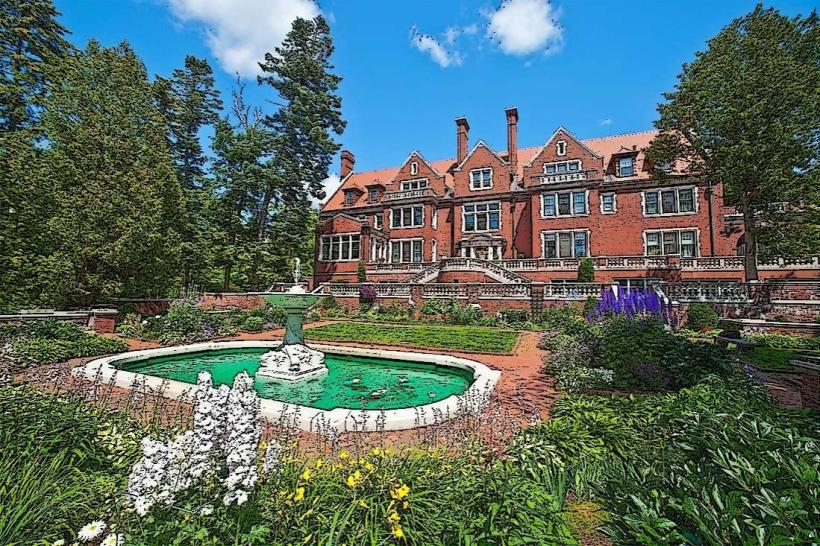
Glensheen Mansion: A 39-room Jacobean Revival estate built by the Congdon family on the shores of Lake Superior.
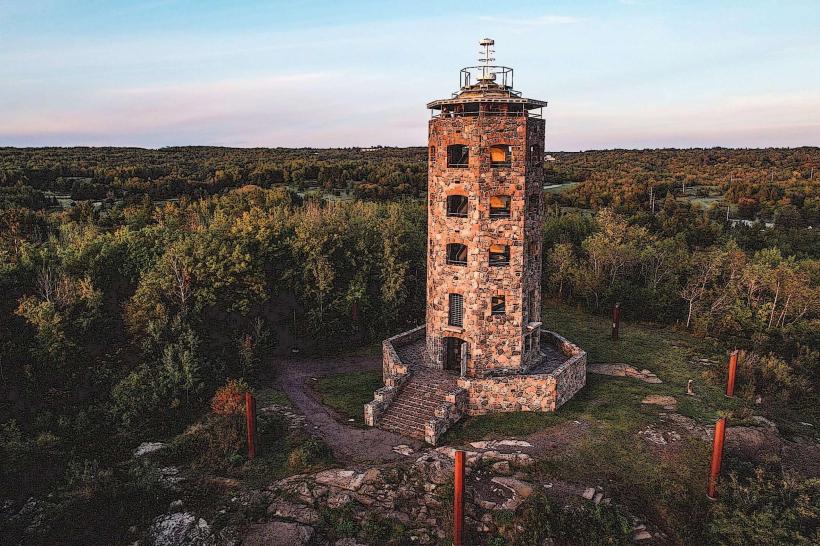
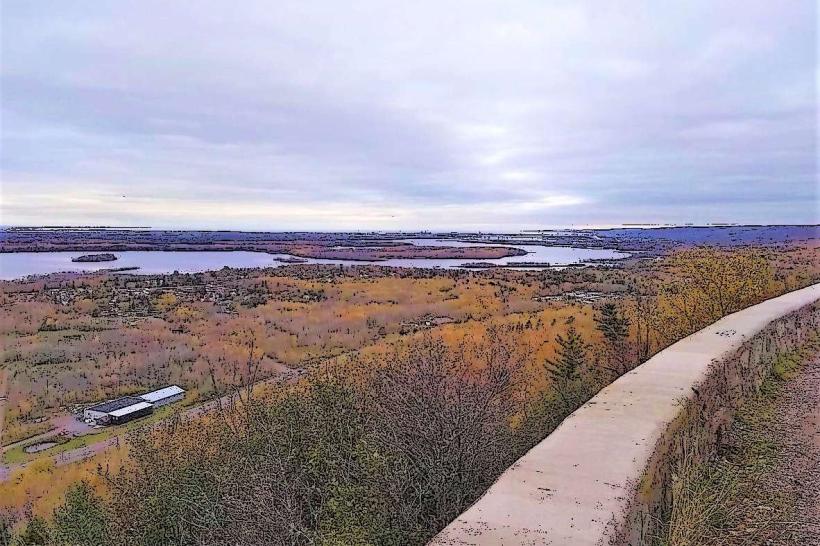
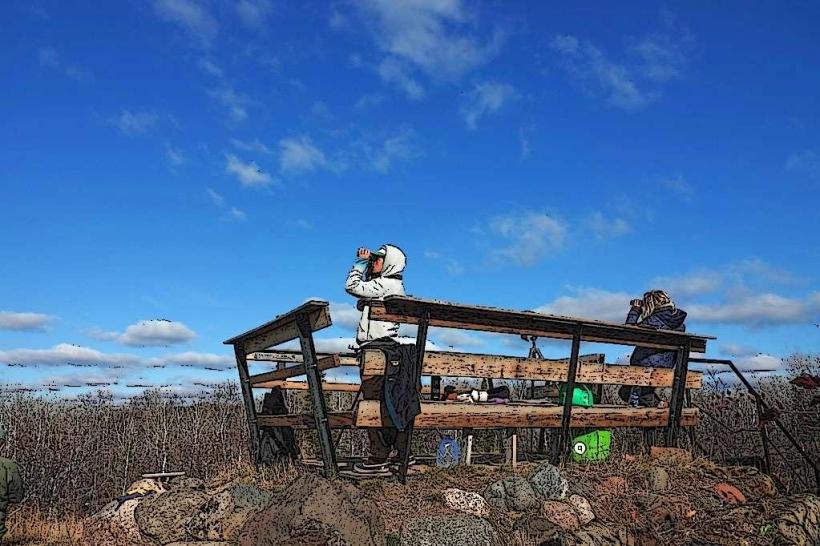
Enger Tower: A five-story bluestone lookout tower atop the bluffs, providing panoramic views of the harbor and lake.
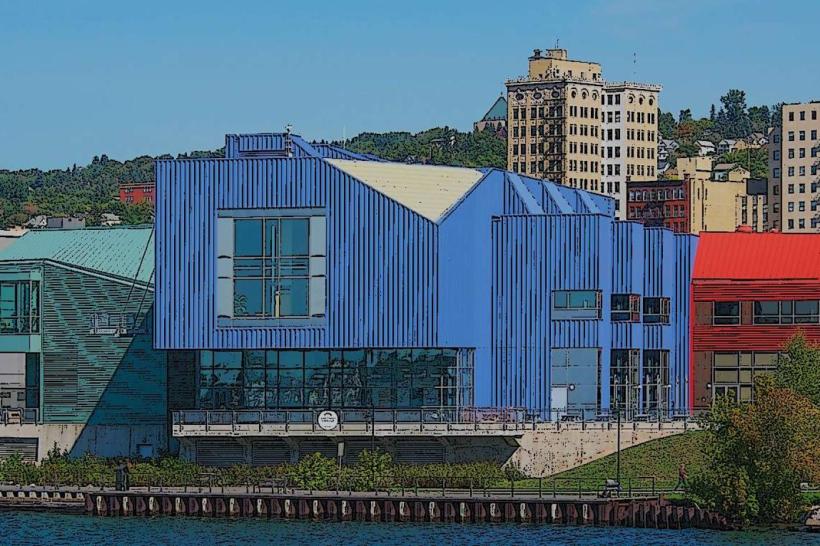
Great Lakes Aquarium: The only all-freshwater aquarium in the U.S., focused on the Lake Superior basin.
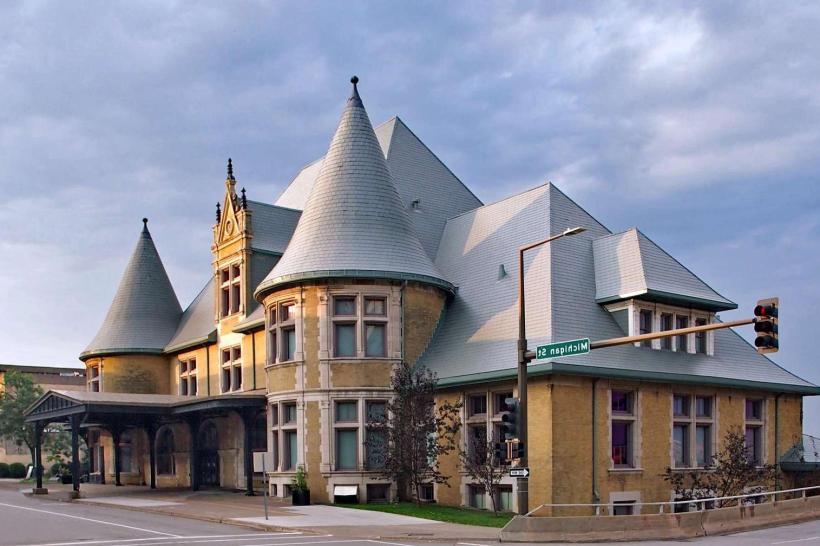
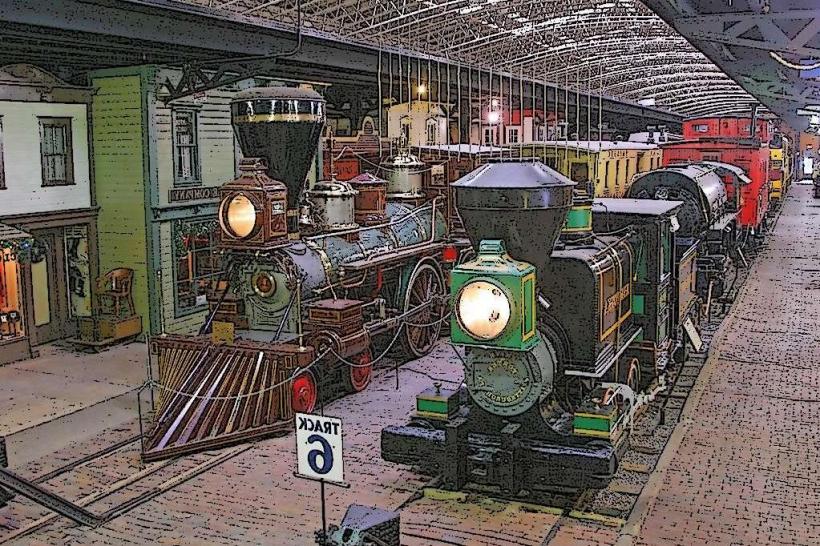
North Shore Scenic Railroad: Heritage rail tours departing from the historic 1892 Union Depot.
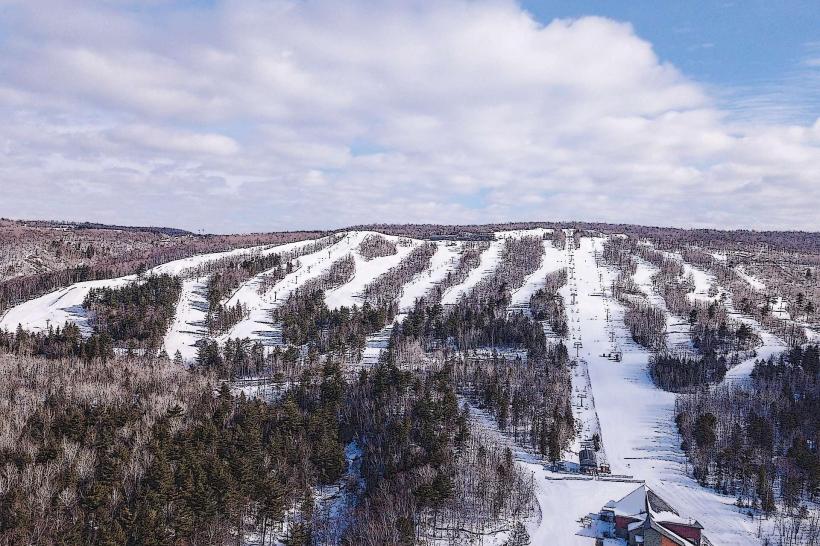
Spirit Mountain: A major regional ski and mountain bike park overlooking the St. Louis River.
Transportation Network
Movement is automotive-centric and influenced by the city's steep verticality. Public transit is provided by the Duluth Transit Authority (DTA). The city is the northern terminus of I-35. Commercial air service is via Duluth International (DLH). The city is highly bikeable via the Duluth Traverse, a 160-km singletrack trail system spanning the entire city ridge.
Safety & "Red Zones"
The general safety level is moderate. Property crime is the primary concern. Caution is advised at night in parts of the Central Hillside and West Duluth neighborhoods due to higher rates of localized crime and vagrancy. Environmental hazards include extreme lake-effect snow, gale-force winds, and the dangerously cold waters of Lake Superior.
Digital & Financial Infrastructure
Internet speeds average 400+ Mbps with fiber availability via Spectrum and local providers like Consolidated Communications. Main mobile carriers are Verizon and AT&T. Card acceptance is universal. ATMs are concentrated in Canal Park and Downtown.
Climate & Air Quality
Temperatures range from -16°C to -6°C in winter and 12°C to 24°C in summer. The "Lake Effect" keeps the city "cooler by the lake" in summer and can trigger intense localized blizzards. Air quality is pristine.
Culture & Social Norms
The standard tipping percentage is 20%. A direct, "North-Woods" greeting is standard. Dress codes are "Rugged-Casual" (flannel, boots, and winter layers are acceptable everywhere). The city is culturally defined by its Maritime Heritage, its obsession with Grandma’s Marathon, and its pride as the birthplace of Bob Dylan.
Local Cost Index
1 Espresso: $4.25 (USD)
1 Standard Lunch: $16.00 (USD)
1 Craft Beer Pint: $7.00–$9.00.
Nearby Day Trips
Two Harbors, MN: (40 km northeast; featuring Split Rock Lighthouse).
Apostle Islands, WI: (130 km east; famous for sea caves and sailing).
Boundary Waters Canoe Area (BWCA): (170 km north; a 1-million-acre wilderness preserve).
Facts & Legends
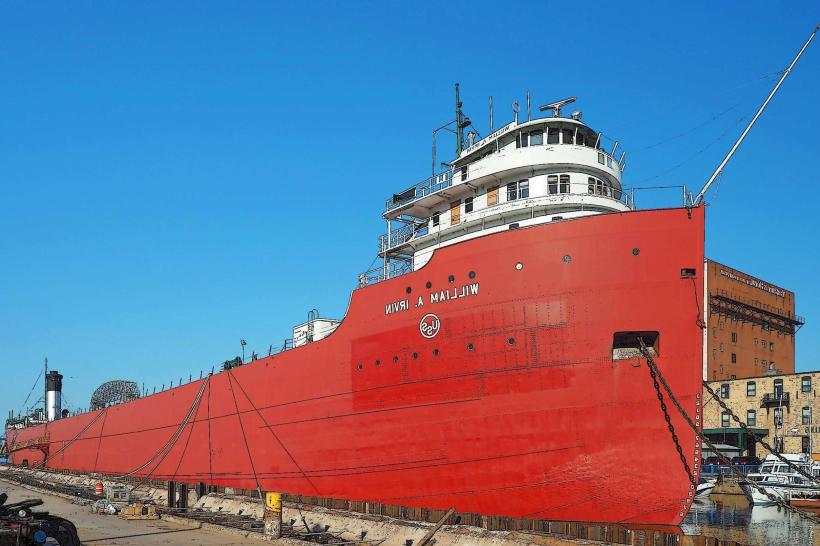
Duluth is the world's largest inland port by tonnage. Historically, the city was the site of the "Duluth Ship Canal" dig, which was completed by hand in just three days in 1871. A local legend involves the "Congdon Curse," surrounding the 1977 murders at Glensheen Mansion. Another legend concerns the "Sea Monster of Lake Superior," a creature rumored to inhabit the deep trenches off the Duluth coast.