Information
City: FreeportCountry: Bahamas
Continent: North America
Freeport, Bahamas, North America
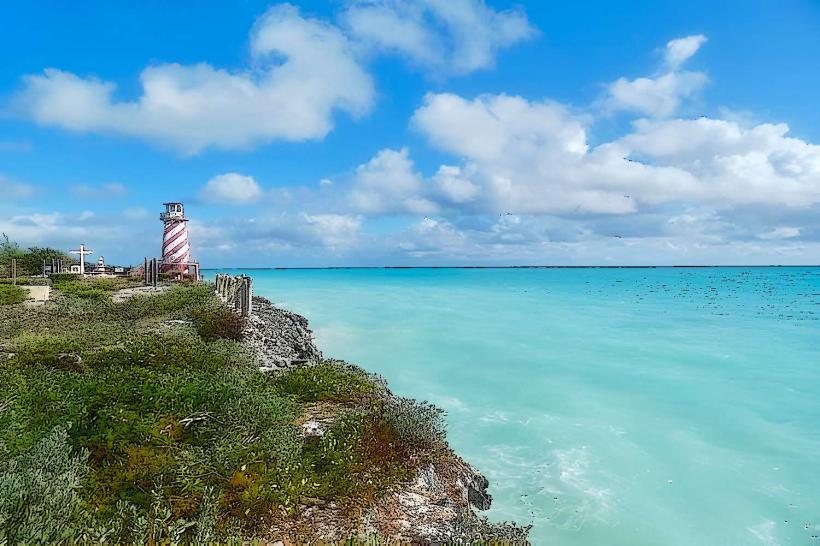
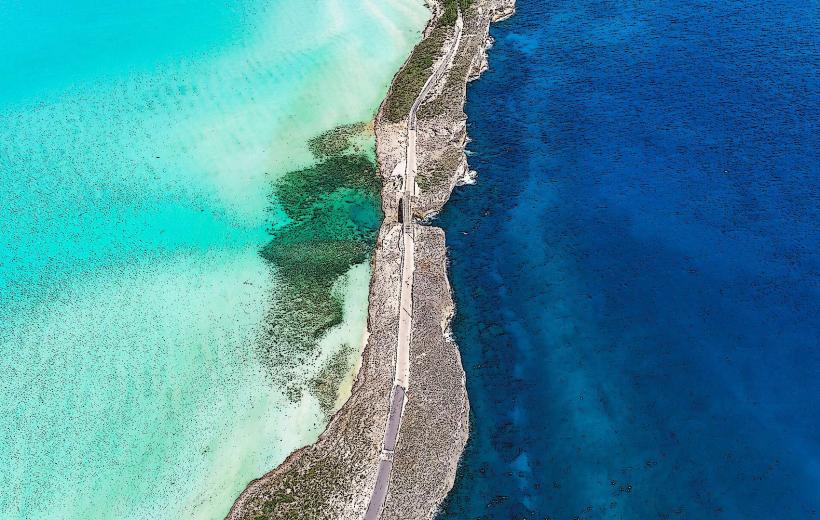
Freeport is the main city of Grand Bahama Island and the second-largest urban center in The Bahamas. It functions as a free trade zone and industrial hub, situated on the northwestern edge of the archipelago approximately 130 kilometers east of Florida.
Historical Timeline
Freeport was established in 1955 under the Hawksbill Creek Agreement, which granted the Grand Bahama Port Authority (GBPA) land and tax-free status to develop a port and industrial area. Governance is a unique public-private partnership between the GBPA and the Bahamian government. Significant architectural reconstruction occurred following Hurricane Dorian in 2019, which caused catastrophic flooding and structural damage. The primary event shaping the current urban form was the 1955 agreement itself, which dictated a planned, grid-like industrial and residential layout distinct from the organic growth of other Bahamian towns.
Demographics & Population
The total population within the metropolitan area is approximately 47,000. The primary ethnic demographics are Afro-Bahamian (82%), European/White (11%), and Mixed/Other (7%). The median age is approximately 33.8 years.
Urban Layout & Key Districts
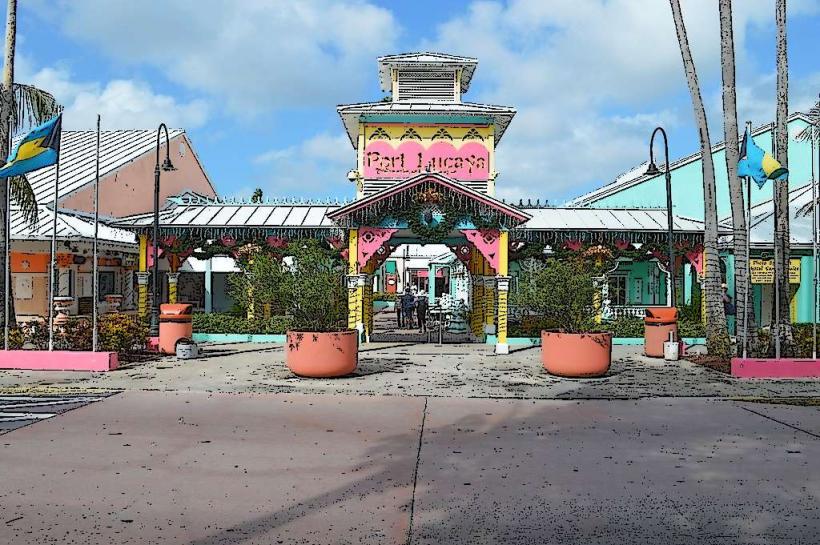
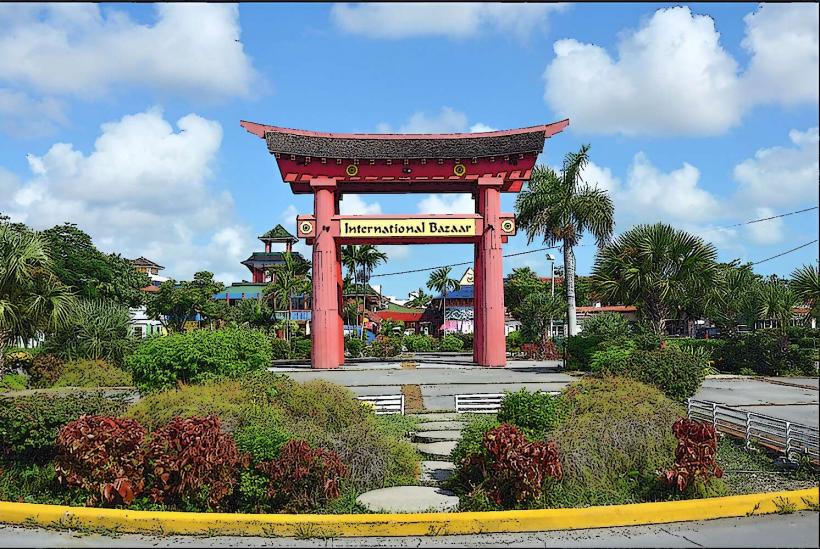
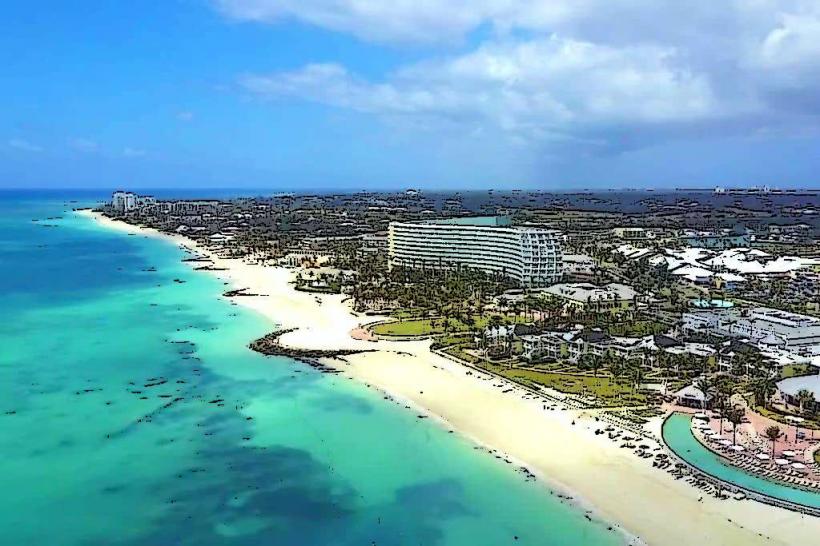
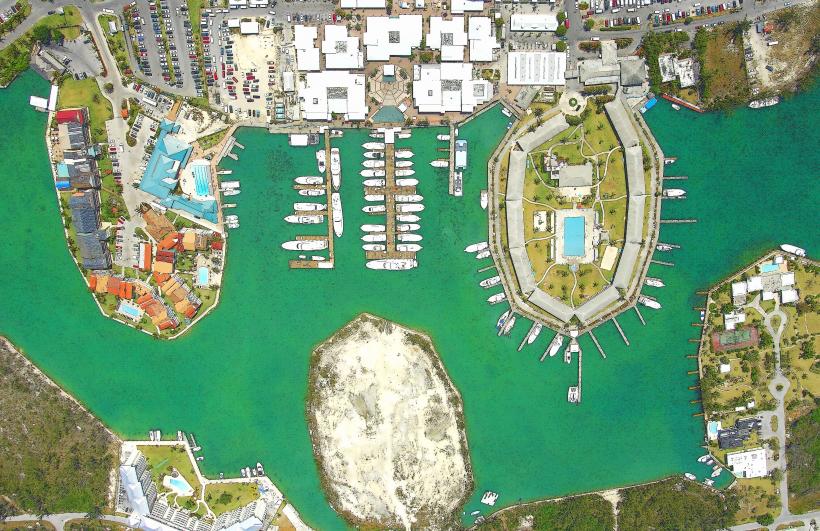
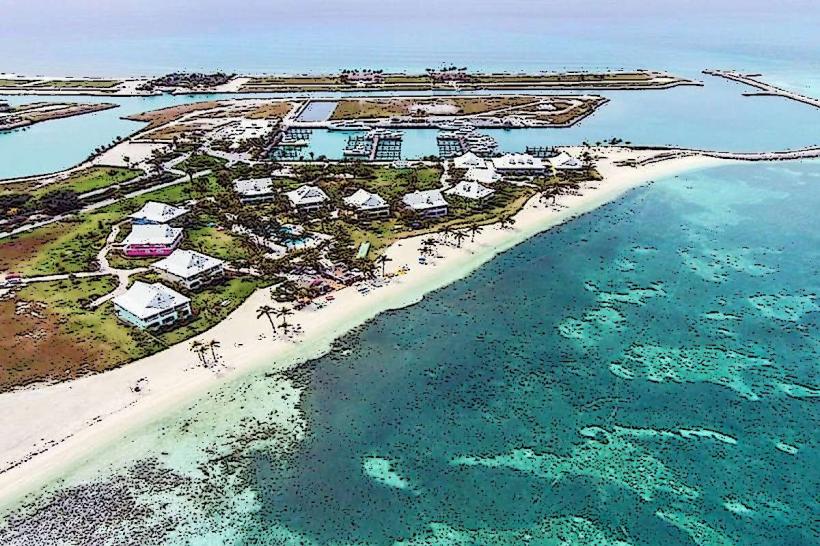
Freeport is organized as a planned city with wide boulevards and segregated industrial, commercial, and residential zones. The 2 most important districts are Lucaya (the primary tourism and beachfront hub, located South) and the Downtown/International Bazaar area (the administrative and traditional commercial core, located Central-West).
Top City Landmarks
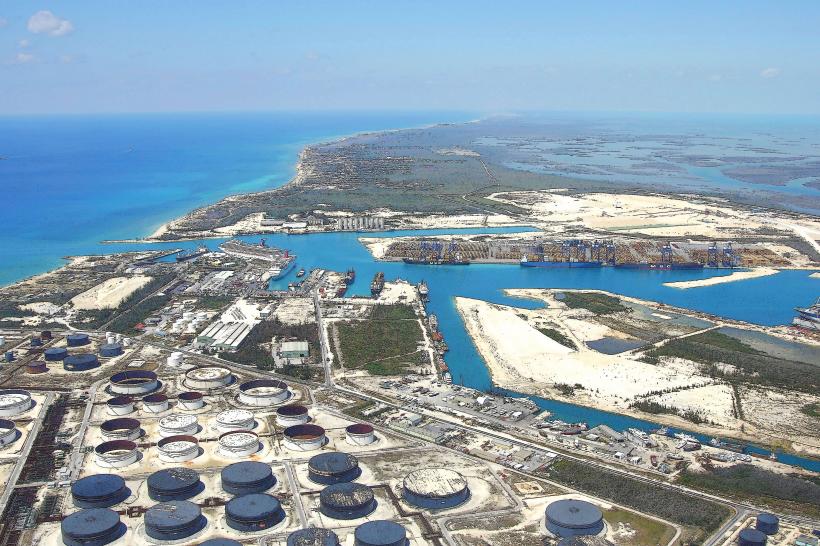
Freeport Harbour (Container Port)
Lucayan Harbour Cruise Seminar
Transportation Network
Movement within the city is facilitated by privately owned mini-buses (jitneys) that operate on unscheduled but frequent intervals along major routes. There is no metro or tram system. Ride-sharing apps are largely unavailable; transport relies on official taxis, which are identified by their yellow license plates and typically congregate at the airport and Lucaya. Traffic density is low compared to Nassau, with well-maintained, dual-carriageway roads.
Safety & "Red Zones"
The general safety level is moderate to high. Explicitly avoid the Garden Villas and "Ghetto" areas near the downtown core at night. Common scams include unlicensed vendors offering "discounted" excursions or illicit substances in the Port Lucaya area.
Digital & Financial Infrastructure
Internet speeds average 30–70 Mbps. Main mobile carriers are BTC and Aliv. Card acceptance is high in the Lucaya district and major supermarkets, but cash is required for jitney fares and local roadside stalls. ATMs are widely available and dispense Bahamian (BSD) and US Dollars (USD) interchangeably.
Climate & Air Quality
Temperatures range from 17°C to 25°C in winter and 23°C to 32°C in summer. Air quality is generally high, though localized emissions occur near the industrial park and oil refinery zones. The primary weather risk is the Atlantic hurricane season (June–November), with Grand Bahama being historically susceptible to major storm surges.
Culture & Social Norms
Tipping is standard at 15% and is often automatically added to bills. Handshakes are the standard greeting. Dress code is casual but modest; swimwear is strictly limited to beach and pool areas. Public intoxication is frowned upon, and drug laws are strictly enforced.
Accommodation Zones
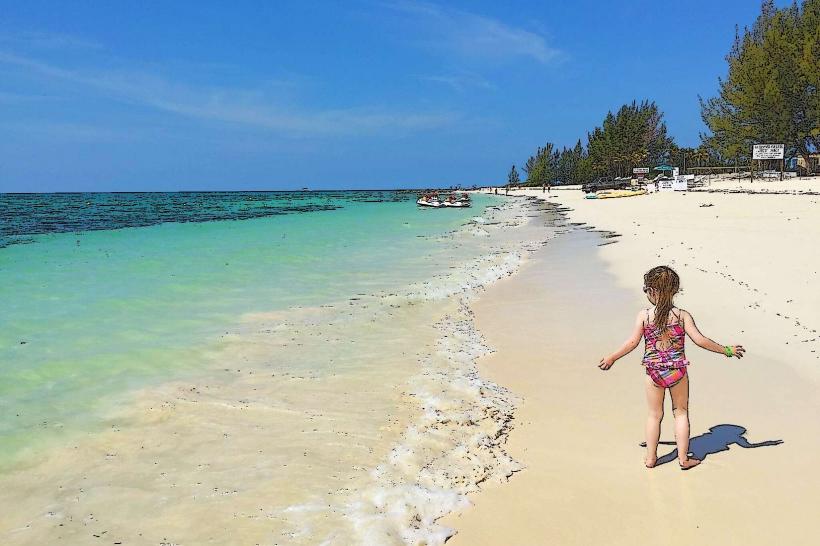
Lucaya: Stay here for immediate beach access, walking proximity to the marketplace, and higher security.
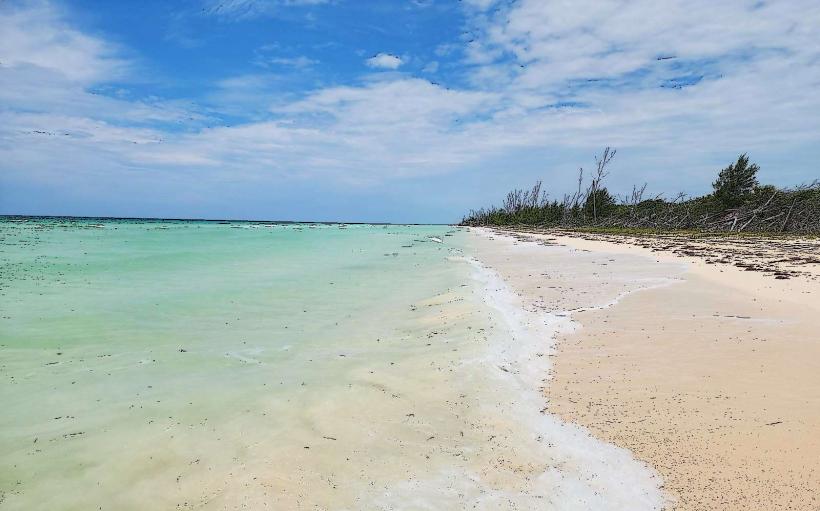
Taino Beach: Stay here for a quieter, resort-focused environment with direct ferry access to Lucaya.
Local Cost Index
1 Espresso: 5.00 BSD ($5.00 USD)
1 Standard Lunch: 22.00 BSD ($22.00 USD)
1 Jitney (Bus) Ticket: 1.25 BSD ($1.25 USD)
Nearby Day Trips
Lucayan National Park: 40 km (45 minutes by car)
West End Village: 45 km (50 minutes by car)
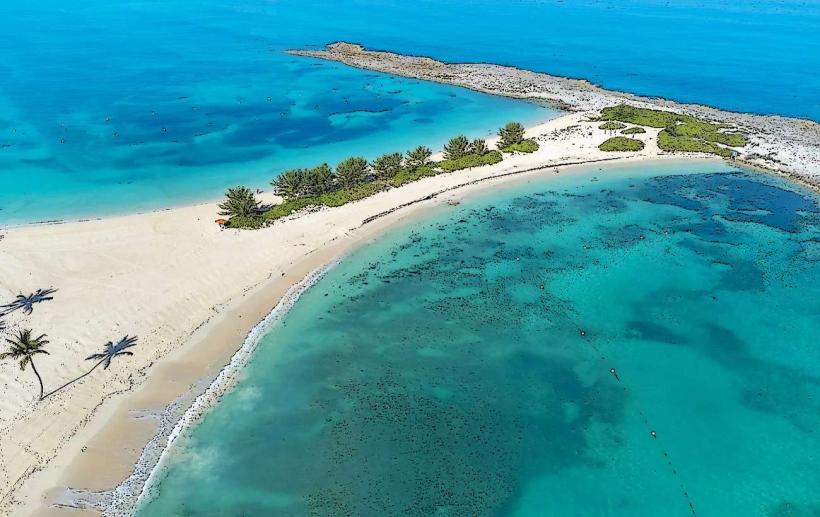
Peterson Cay National Park: 2 km offshore (15-minute boat ride)
Deadman’s Reef: 25 km (30 minutes by car)
Facts & Legends
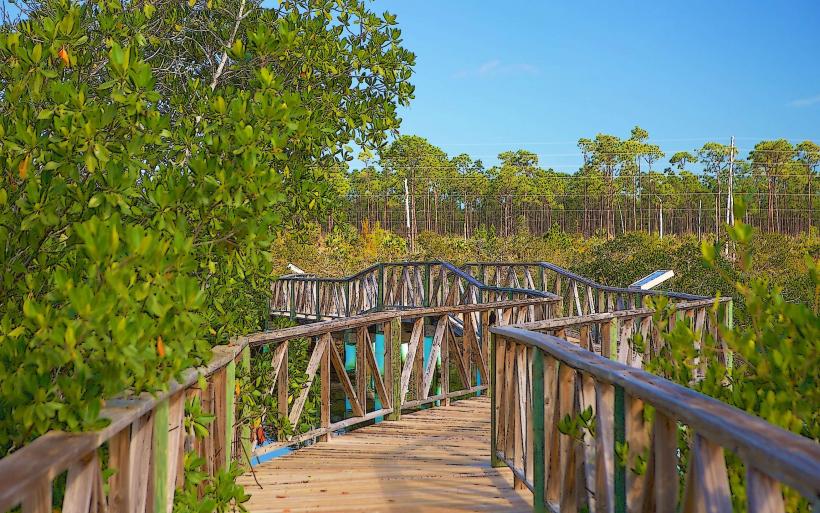
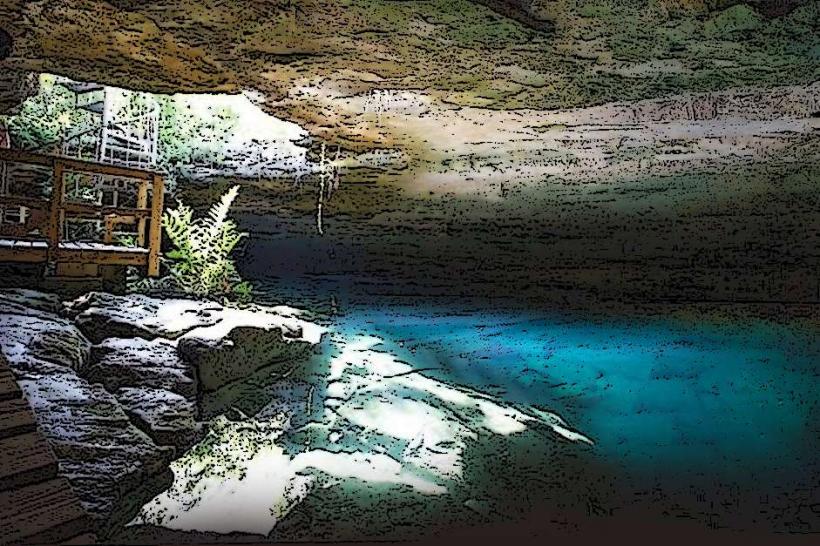
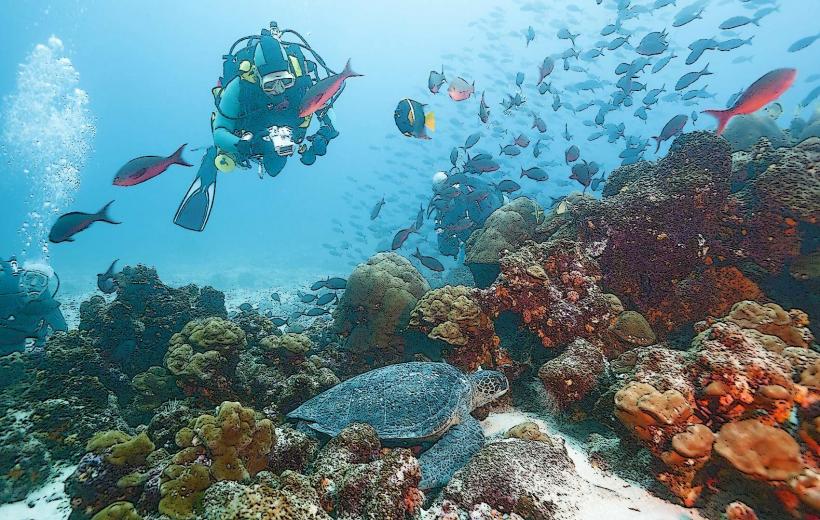
Freeport is home to the Lucayan National Park, which contains one of the longest underwater limestone cave systems in the world. A local historical oddity is that the city was essentially "purchased" into existence by American financier Wallace Groves, who saw the potential for a duty-free port. Legend tells of the "Lost City of Lucaya," with local divers occasionally claiming to find ancient submerged structures, though these are typically verified as natural geological formations.