Information
City: GalleCountry: Sri Lanka
Continent: Asia
Galle, Sri Lanka, Asia
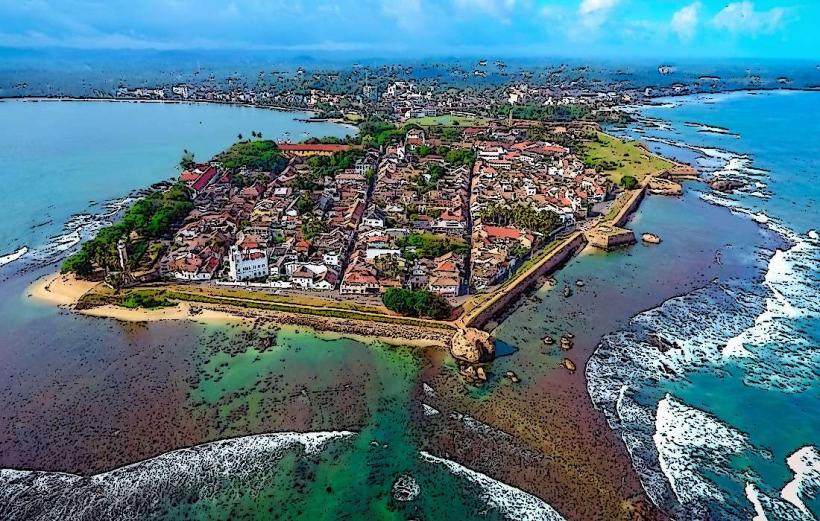
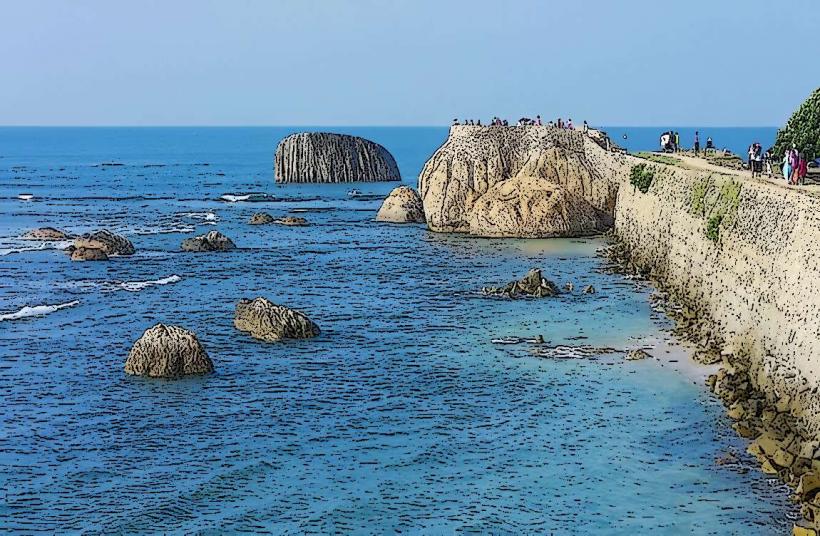
Galle serves as the administrative capital of the Southern Province of Sri Lanka and is the country’s fourth-largest city. It is best known for the Galle Fort, a 16th-century fortification that is the largest remaining fortress in Asia built by European occupiers and a UNESCO World Heritage site.
Historical Timeline
Galle was a prominent seaport long before colonial arrival, utilized by Greek, Arab, and Chinese traders. The Portuguese built the first fortification in 1588. However, the city’s architectural identity was primarily shaped by the Dutch, who captured it in 1640 and constructed the massive coral and granite ramparts visible today. British rule followed in 1796, but the city maintained its Dutch character as the British focused development on Colombo’s port.
Demographics & Population
The city has a population of approximately 100,000. It is a multi-religious and multi-ethnic hub, with a notable Moor (Muslim) community concentrated within the Fort walls and a predominantly Sinhalese population in the surrounding urban areas.
Urban Layout & Key Districts
Galle is divided into two distinct zones:
The Fort (Old Town): An enclosed, walkable peninsula containing colonial villas, boutique hotels, and historic administrative buildings. It is a "living museum" where traditional life continues amidst tourism.
The New Town: Located north of the Fort; a bustling commercial area containing the main bus terminal, railway station, and traditional markets.
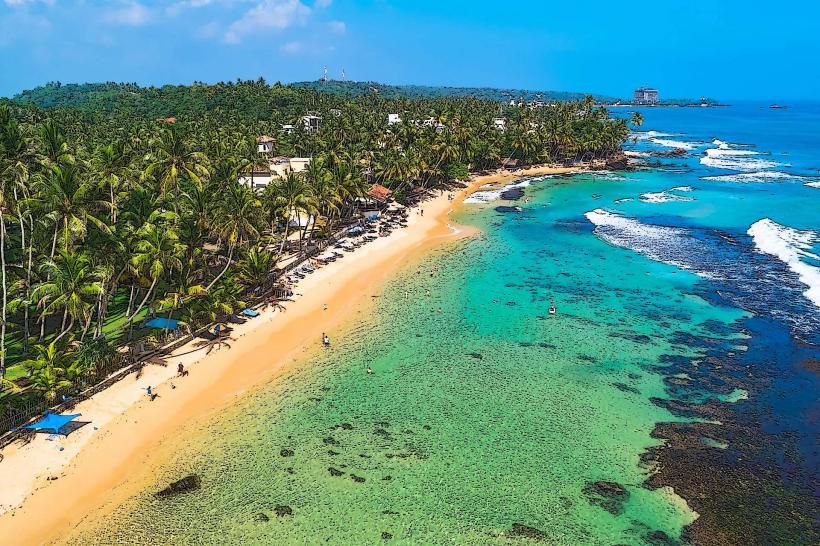
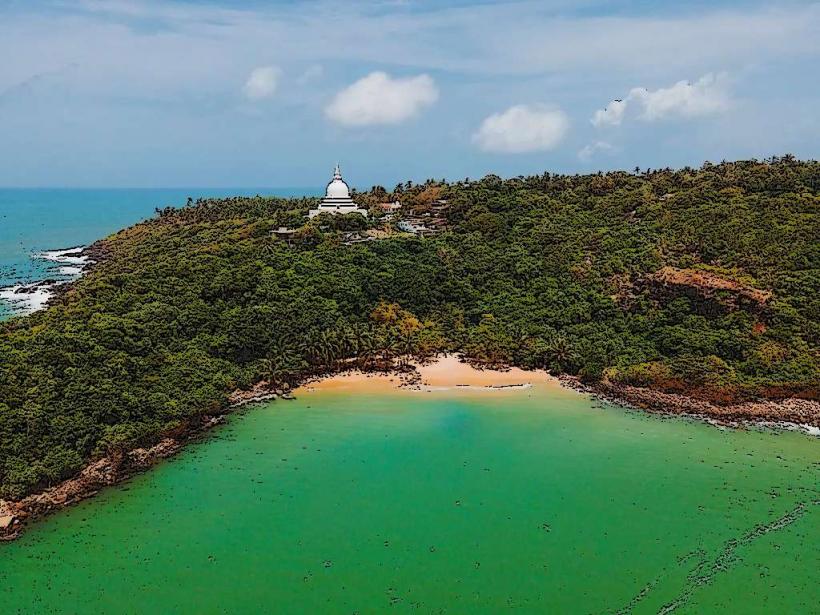
Unawatuna: A coastal suburb 5 km south, famous for its horseshoe-shaped beach and tourism infrastructure.
Top Landmarks
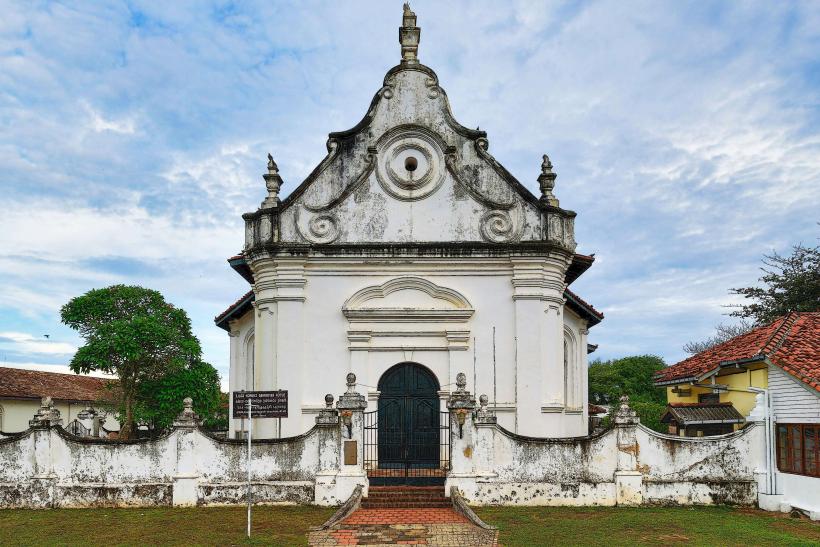
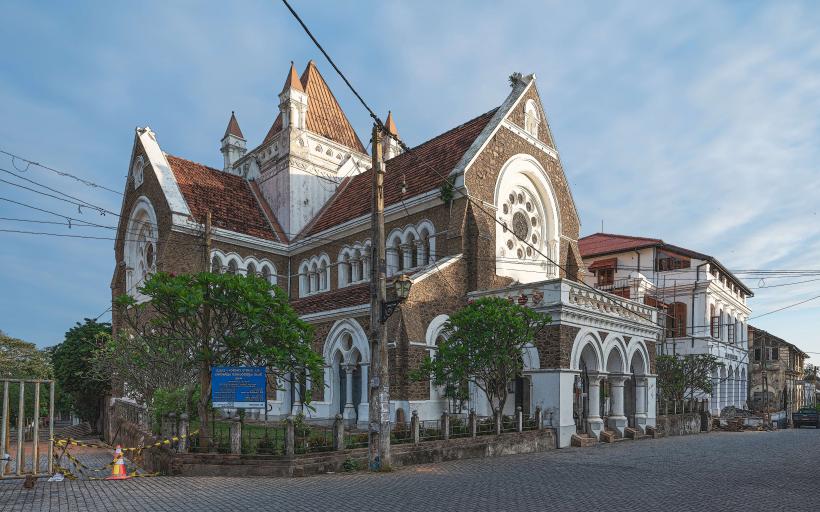
The Dutch Reformed Church (Groote Kerk): Built in 1752, featuring a floor paved with gravestones from the Dutch era.
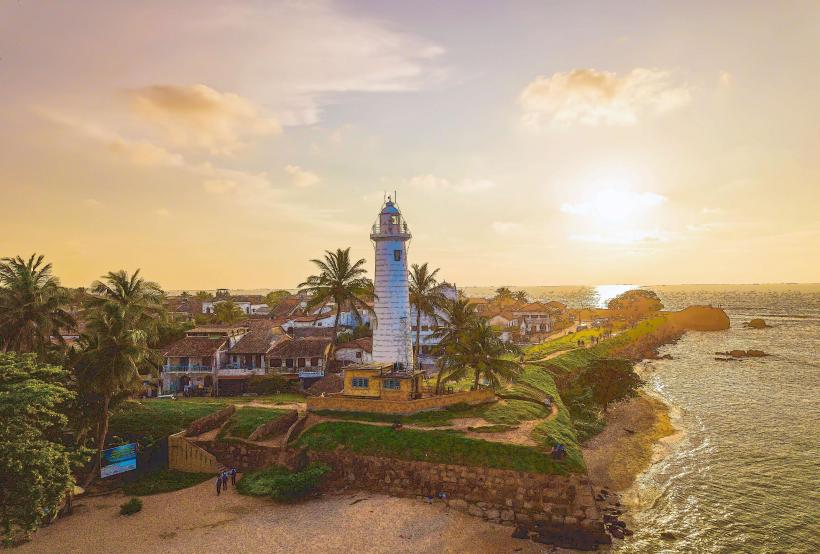
Galle Lighthouse: An iconic white structure built in 1939, located at the Point Utrecht Bastion.
The Old Dutch Hospital: A colonial-era building converted into a high-end shopping and dining complex.
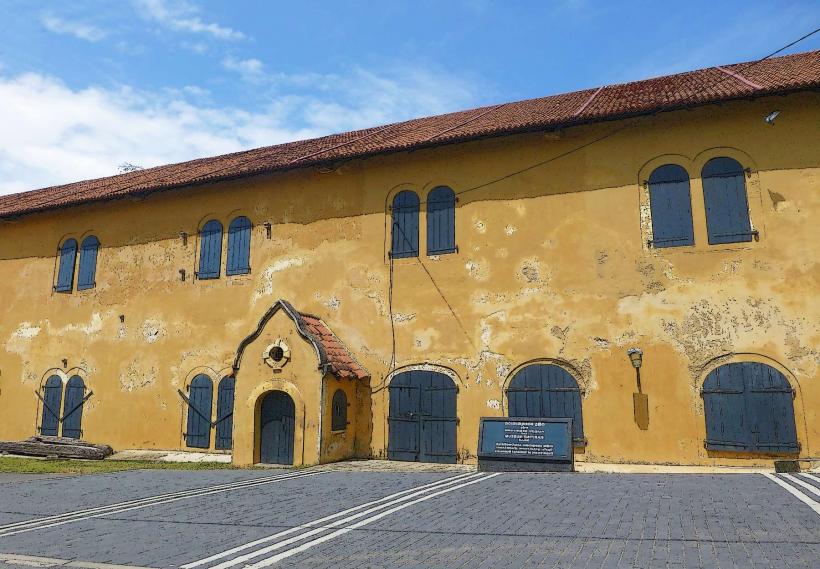
National Maritime Museum: Located in a 1671 Dutch warehouse, documenting the region's seafaring history.
Galle International Stadium: Widely considered one of the most picturesque cricket grounds in the world, flanked on two sides by the Indian Ocean and the Fort.
Transportation Network
Road: Connected to Colombo via the E01 Southern Expressway (1.5 hours) or the scenic A2 coastal road (3 hours).
Rail: The Galle Railway Station is a major stop on the Coastal Line. The Colombo-to-Galle journey is renowned for its ocean-front tracks.
Public Transit: Extensive bus networks connect to Matara, Hikkaduwa, and Unawatuna. Within the city, "tuk-tuks" are the standard; use PickMe for transparent pricing.
Safety & "Red Zones"
Galle is considered very safe for tourists.
Rip Currents: Sea conditions at the Fort's walls can be treacherous; swim only at designated beaches like Lighthouse Beach or nearby Unawatuna.
Touts: Be cautious of "guides" near the Fort entrance who claim certain museums or roads are closed.
Traffic: The New Town is highly congested; pedestrians should use caution near the bus stand.
Digital & Financial Infrastructure
4G/LTE and fiber-optic coverage are excellent. The currency is the Sri Lankan Rupee (LKR). Numerous ATMs supporting international cards are available just outside the Fort entrance and in the New Town. Credit cards are standard in Fort boutiques but rare in the New Town markets.
Climate & Air Quality
Tropical rainforest climate. It is subject to heavy rainfall during the monsoon seasons. Air quality is generally good due to the consistent Indian Ocean breezes that clear urban pollutants.
Culture & Social Norms
The Fort maintains a sophisticated, artistic atmosphere, while the New Town is traditionally Sri Lankan.
Etiquette: Respect the privacy of residents living within the Fort.
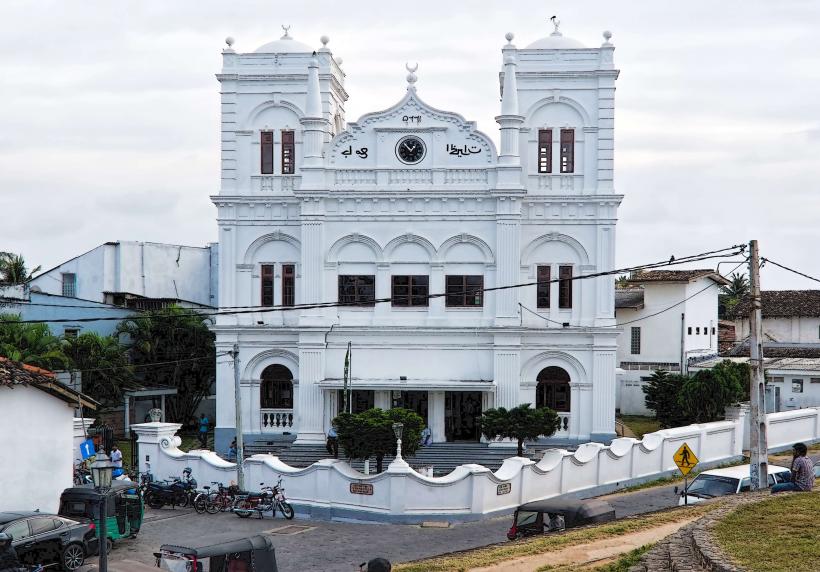
Dress: Casual is acceptable in the Fort, but modest dress (covering shoulders and knees) is required if entering religious sites like the Meeran Jumma Mosque.
Galle Literary Festival: A world-renowned annual event held in January, attracting international authors and thinkers.
Local Cost Index (LKR)
1 Espresso: 800–1,200 LKR
1 Standard Lunch (Rice & Curry): 500–1,500 LKR
1 Tuk-Tuk Ride (within town): 300–500 LKR
Nearby Day Trips
Hikkaduwa: 30 minutes north; known for coral reefs and surfing.
Koggala Lake: 20 minutes south; famous for stilt fishermen and the Martin Wickramasinghe Folk Museum.
Mirissa: 1 hour south; a primary hub for blue whale watching.
Facts & Legends
Legend says that Galle is the biblical "Tarshish" from which King Solomon imported ivory and peacocks. A geographic fact: The 2004 Indian Ocean Tsunami devastated the New Town but the Fort’s massive 17th-century walls largely protected the historic interior, proving the superior engineering of the Dutch era. Historically, the city’s name is thought to derive from the Portuguese word Gallo (Rooster) or the Sinhalese Galla (Rock).