Information
Landmark: Dutch Reformed ChurchCity: Galle
Country: Sri Lanka
Continent: Asia
Dutch Reformed Church, Galle, Sri Lanka, Asia
Dutch Reformed Church (Groote Kerk)
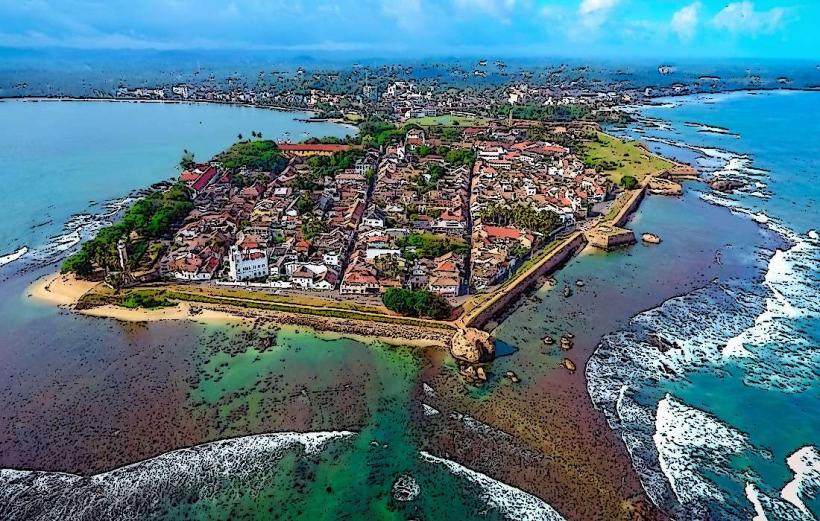
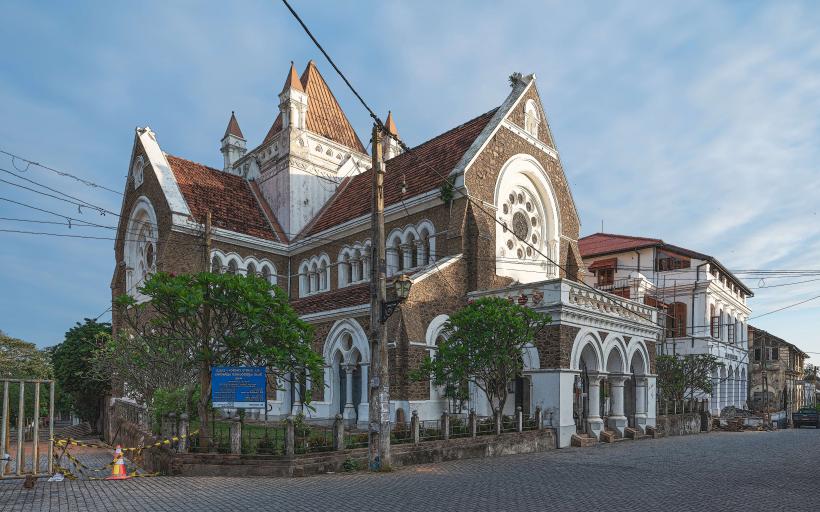
The Dutch Reformed Church, locally known as Groote Kerk, is one of the most significant landmarks within the Galle-fort_galle" class="underline">Galle Fort in Sri Lanka. This historic Protestant church dates back to the Dutch colonial era and is renowned for its architectural elegance, rich history, and serene atmosphere. It remains an active place of worship and a popular tourist attraction for those exploring Galle Fort.
Overview
- Location: Church Street, Galle Fort, Galle, Sri Lanka.
- Built in: 1755 by the Dutch East India Company.
- Denomination: Protestant, Reformed Church tradition.
- Significance: Reflects Dutch colonial architecture and the historical legacy of Protestantism in Sri Lanka.
Historical Background
Construction:
- The church was constructed in 1755 on the site of a previous Portuguese Catholic chapel.
- It was commissioned by Casparus de Jong, the Dutch Commandeur of Galle, in gratitude for the birth of his child.
Colonial Era:
- Served as the primary place of worship for the Dutch settlers during their control of Galle.
- After the British took over Sri Lanka in 1796, the church continued to function under their administration.
Preservation:
- The church remains one of the best-preserved examples of Dutch colonial architecture in Sri Lanka.
- It is now managed as part of Galle Fort, a UNESCO World Heritage Site.
Architectural Features
Exterior:
- The church’s design is influenced by 17th-century Dutch architecture.
- Its whitewashed walls and gabled roof give it a simple yet elegant appearance.
- The large bell tower, once used as a lookout and warning system, is a prominent feature.
Interior:
- Hand-carved wooden pews and a pulpit made from Malaysian calamander wood reflect colonial craftsmanship.
- The floor is paved with granite tombstones, many engraved with inscriptions in Dutch, marking the burial sites of prominent settlers.
- The church’s ceiling fans, powered by hanging ropes, were manually operated in the past.
Stained Glass:
- Although minimal, the church features some stained glass windows, adding color to its otherwise austere interior.
Organ and Choir Loft:
- A vintage pipe organ is housed in the church, although it is no longer functional.
- The choir loft overlooks the main hall, emphasizing the church's focus on music during services.
Graveyard:
- The church is surrounded by a small graveyard, containing the graves of Dutch settlers and British officials.
Cultural and Religious Significance
Spiritual Hub:
- The church has served as a place of worship for over two centuries and continues to hold Sunday services.
- It is affiliated with the Presbyterian Church of Sri Lanka.
Historical Insight:
- The inscriptions on the gravestones and memorial plaques offer a glimpse into the lives and struggles of the European settlers during the colonial era.
Tourist Attraction:
- The Dutch Reformed Church is a must-visit for history buffs and architecture enthusiasts exploring Galle Fort.
Visiting Information
How to Get There:
- Located on Church Street within the Galle Fort, the church is easily accessible by foot from anywhere in the fort.
- Tuk-tuks and taxis are available from Galle city to the fort area.
Opening Hours:
- Open daily from 9:00 AM to 5:00 PM.
- Services are usually held on Sunday mornings.
Entrance Fee:
- Entry is free, but donations are appreciated to support the church’s maintenance.
Best Time to Visit:
- Morning or late afternoon visits are ideal to avoid the heat and enjoy the serene ambiance.
Tips for Visitors
Dress Modestly:
- As the church is an active place of worship, visitors are advised to wear modest clothing and respect its sanctity.
Explore Nearby Landmarks:
- The church is close to other attractions within Galle Fort, such as the Galle Lighthouse and National Maritime Museum.
Guided Tours:
- Opt for a guided tour to learn more about the church’s history and the role of the Dutch in Sri Lanka.
Photography:
- Photography is allowed inside the church, but visitors should avoid disturbing ongoing services.
Nearby Attractions
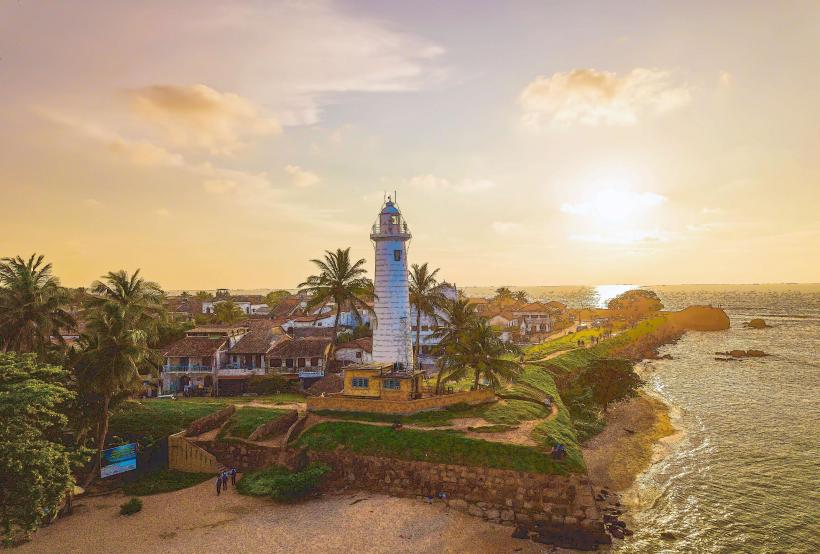
Galle Lighthouse (500 meters):
- Offers stunning views of the coast and the Indian Ocean.
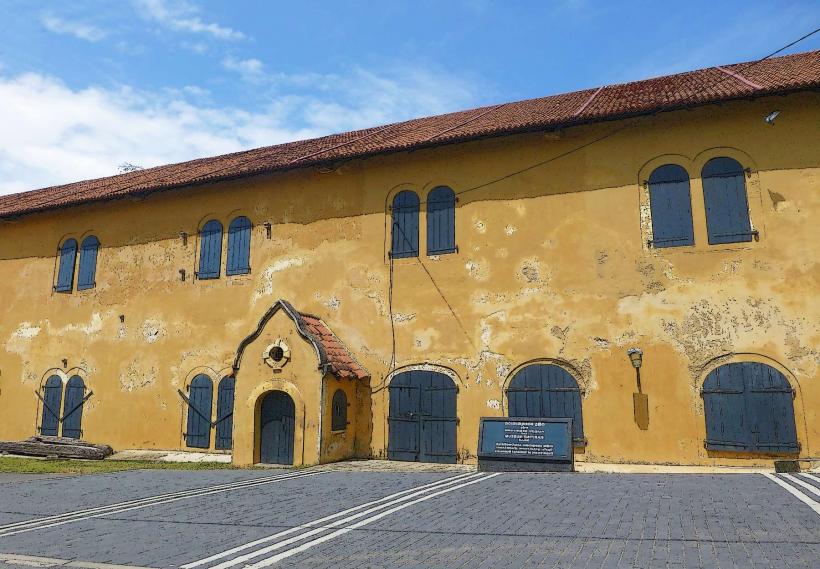
National Maritime Museum (300 meters):
- Displays artifacts related to Sri Lanka’s maritime history.
Ramparts Walk (100 meters):
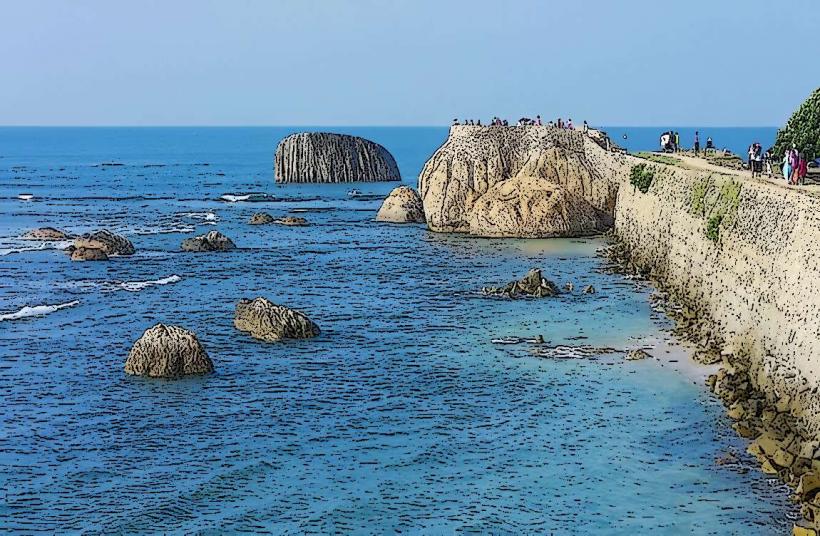
- A scenic walk along the fort’s walls with views of the sea.
Old Dutch Hospital (200 meters):
- Now a shopping and dining complex, ideal for refreshments after visiting the church.
Conclusion
The Dutch Reformed Church is a timeless monument that reflects the colonial history, religious traditions, and architectural mastery of the Dutch in Sri Lanka. Its serene ambiance, historical artifacts, and beautiful surroundings make it a must-visit landmark for anyone exploring the Galle Fort. Whether you’re a history enthusiast or simply looking for a peaceful retreat, this church offers a meaningful glimpse into Sri Lanka’s past.