Information
City: Grand RapidsCountry: USA Michigan
Continent: North America
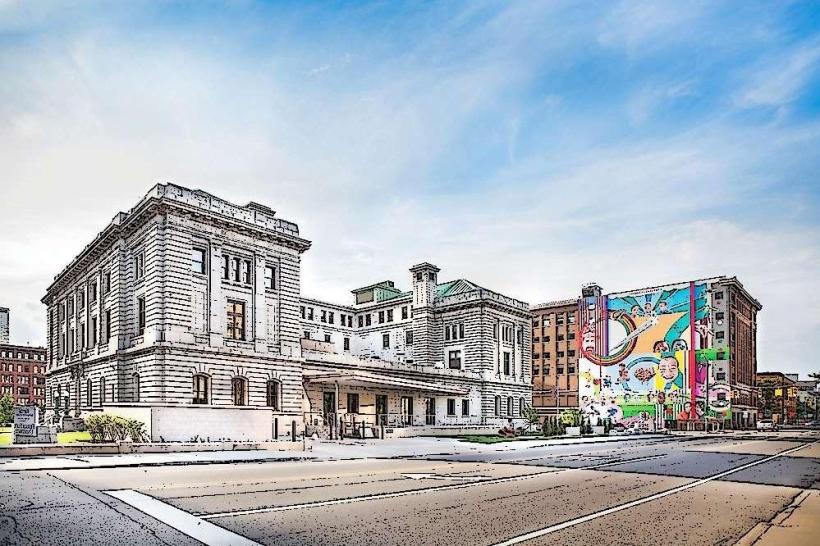
Grand Rapids, USA Michigan, North America
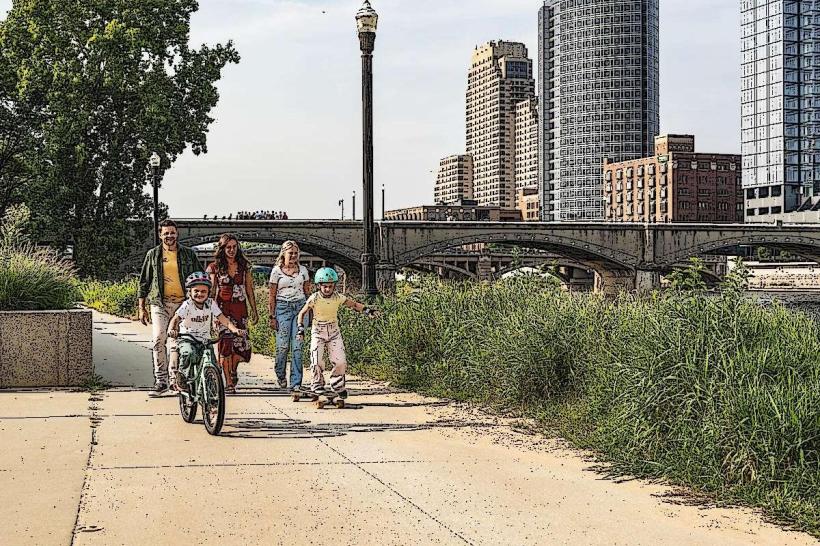
Grand Rapids serves as the county seat of Kent County and is the second-largest city in Michigan. It is situated on the Grand River, approximately 40 km east of Lake Michigan and 250 km west of Detroit.
Historical Timeline
Founded as a fur trading post in 1826 and incorporated in 1850, the city became a global leader in furniture manufacturing during the late 19th century, earning the moniker "Furniture City." Primary governance eras include the industrial timber boom, the 20th-century transition into an automotive parts hub, and its 21st-century revitalization as "Beer City USA" and a global center for medical research and aerospace manufacturing.
Demographics & Population
The population within city limits is approximately 200,000, with a metropolitan area exceeding 1 million. The demographics are White (58%), Black or African American (17%), Hispanic or Latino (16%), and Asian (2%). The median age is 31.4 years.
Urban Layout & Key Districts
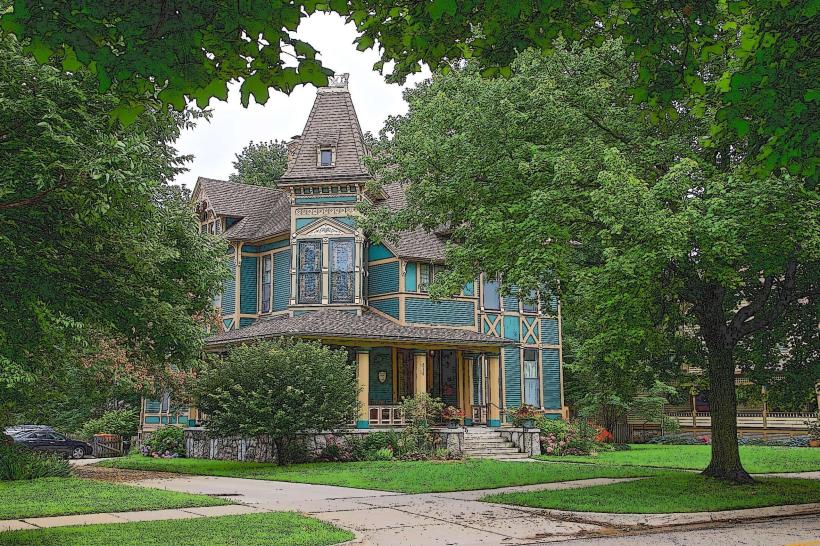
The city is organized on a grid system bisected by the Grand River. Downtown is the center for finance, entertainment, and the "Medical Mile." Eastown is a high-density, bohemian-style district. Heritage Hill is one of the largest urban historic districts in the U.S., featuring over 60 architectural styles. The West Side is a historically Polish and German industrial area currently experiencing rapid gentrification and brewery growth.
Top City Landmarks
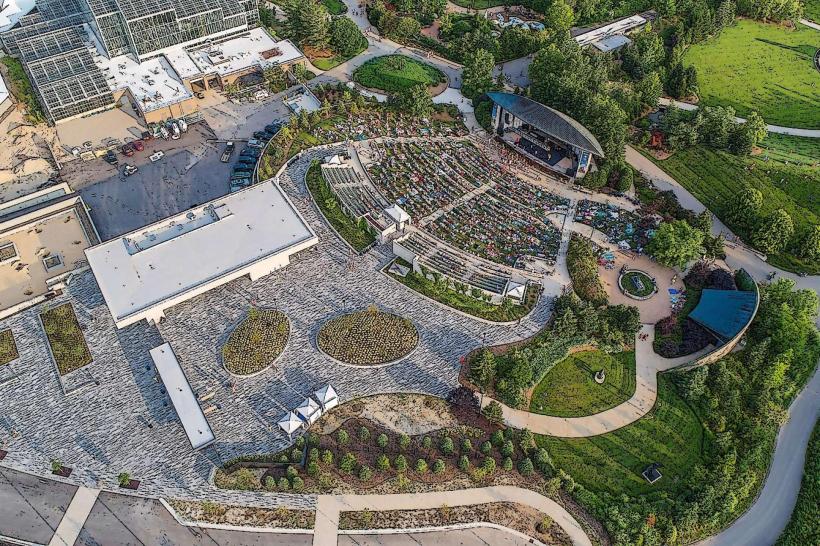
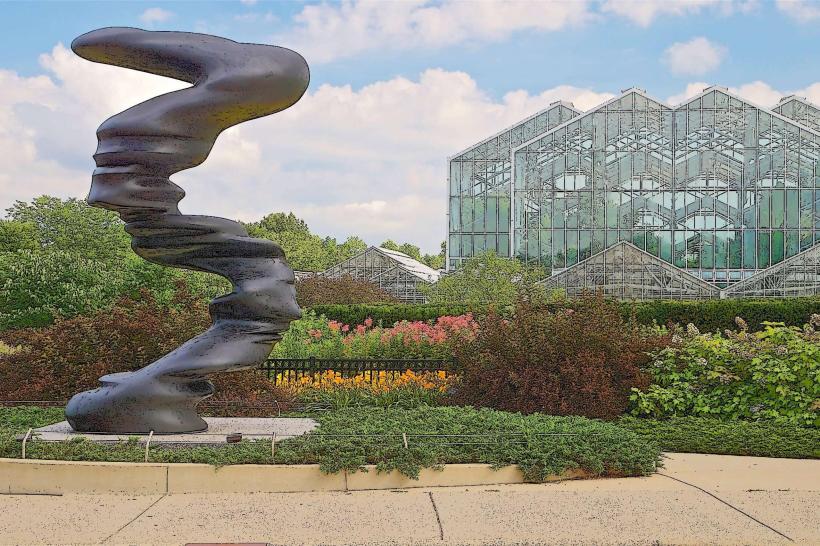
Frederik Meijer Gardens & Sculpture Park
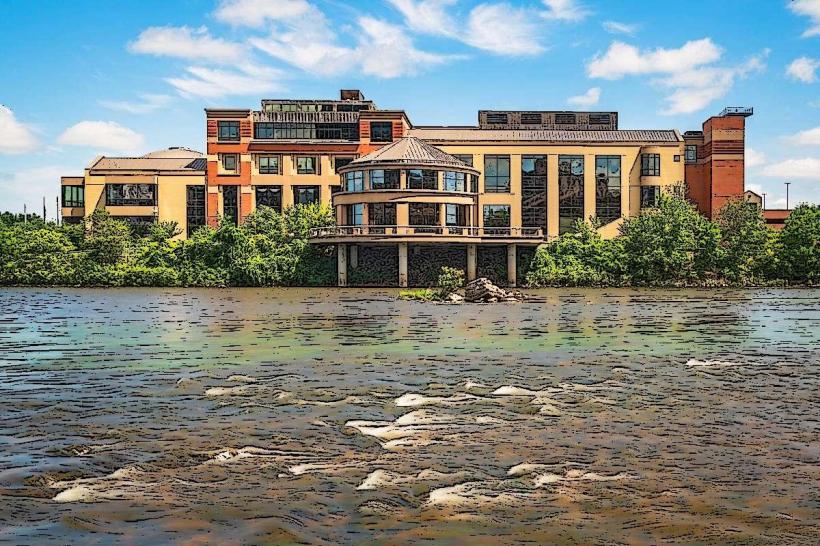
Gerald R. Ford Presidential Museum
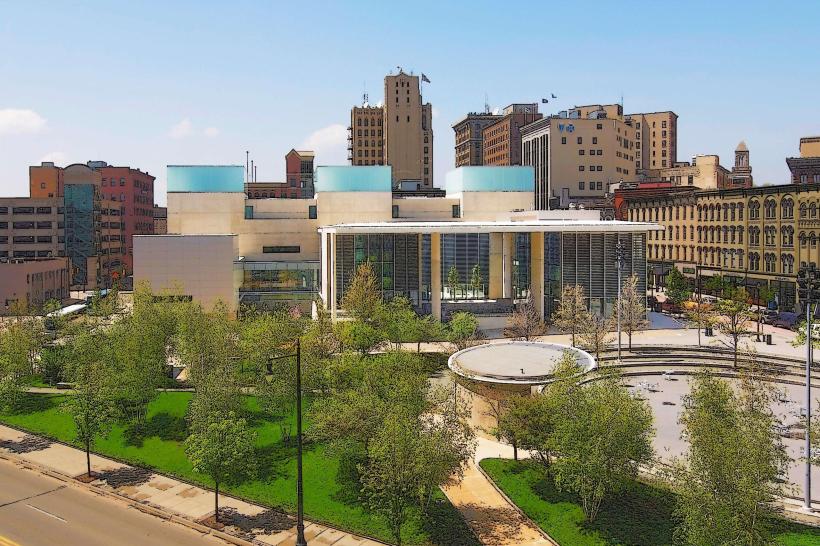
Grand Rapids Art Museum (GRAM)
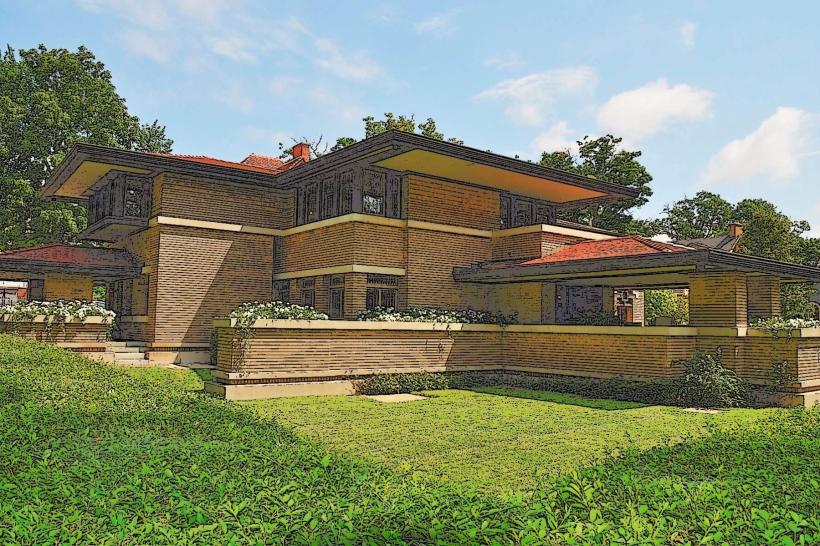
Meyer May House (Frank Lloyd Wright design)
Fish Ladder Park
Transportation Network
Movement is serviced by The Rapid bus system. The city is a major junction for I-196 and US-131. Gerald R. Ford International Airport (GRR) provides extensive domestic connections. Ride-sharing via Uber and Lyft is the dominant form of motorized transit. Traffic density is moderate but prone to significant winter delays on the "S-Curve" section of US-131.
Safety & "Red Zones"
The general safety level is high. Caution is advised at night in specific areas of the Southeast quadrant and neighborhoods bordering the Division Avenue corridor south of Wealthy Street, which experience higher rates of property crime. Common scams are infrequent, usually involving fraudulent private parking enforcement on the West Side.
Digital & Financial Infrastructure
Internet speeds average 300 Mbps with fiber availability via AT&T and MetroNet. Main mobile carriers are Verizon, AT&T, and T-Mobile. Card acceptance is universal. ATMs are concentrated in the Monroe Center area and within Lake Michigan Credit Union branches.
Climate & Air Quality
Temperatures range from -8°C to 0°C in winter and 18°C to 28°C in summer. Air quality is consistently high. Specific weather risks include extreme lake-effect snow accumulations from Lake Michigan and "Ice Jam" flooding on the Grand River.
Culture & Social Norms
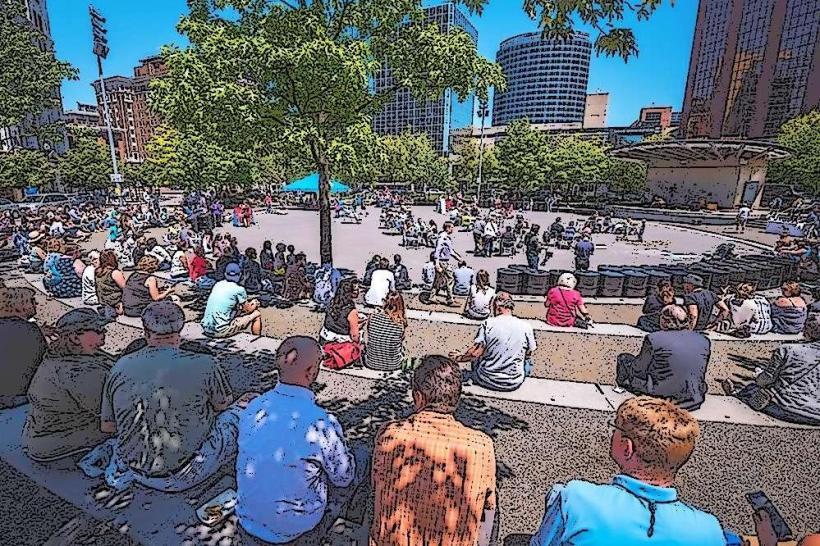
The standard tipping percentage is 18–25%. A handshake is the standard greeting. Dress codes are "Midwest-Casual." Smoking is prohibited in all public indoor spaces. The city has a deep-seated craft beer culture and is the home of the world's largest art competition, ArtPrize.
Accommodation Zones
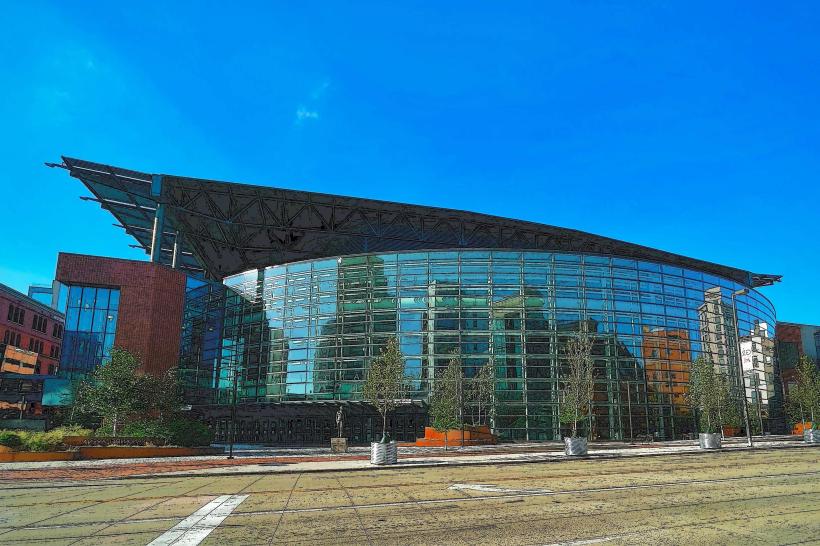
Downtown / Monroe Center: Recommended for walking access to museums, the convention center, and the Van Andel Arena.
Airport / 28th Street: Recommended for national hotel chains and proximity to major retail corridors.
Local Cost Index
1 Espresso: $4.50 (USD)
1 Standard Lunch: $16.00 (USD)
1 Bus Fare: $1.75 (USD)
Nearby Day Trips
Holland, MI (Tulip Time / Lake Michigan) (45 km)
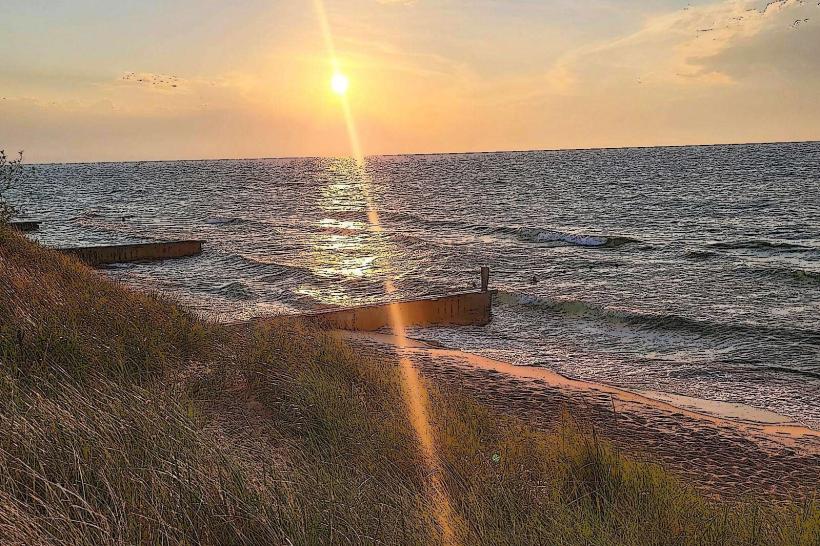
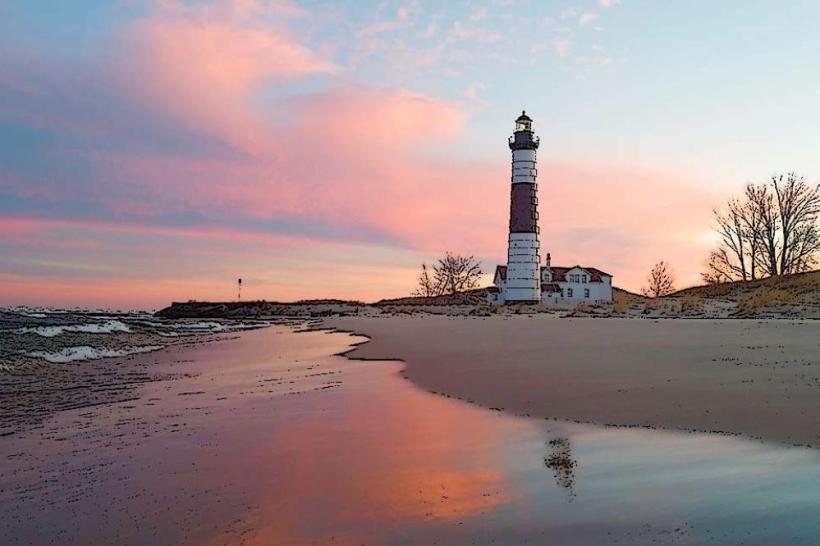
Grand Haven State Park (55 km)
Saugatuck / Douglas (60 km)
Muskegon (65 km)
Facts & Legends
Grand Rapids was the first city in the United States to add fluoride to its drinking water (1945). Historically, it is the childhood home of the 38th U.S. President, Gerald R. Ford. A local legend involves the "Mound Builders" of the Hopewell culture; while the Norton Mound group is a historical fact, local lore often attributes mysterious sightings or "cold spots" in Ah-Nab-Awen Park to the ancient indigenous spirits of the river valley.