Information
City: HanaCountry: USA Hawaii
Continent: North America
Hana, USA Hawaii, North America
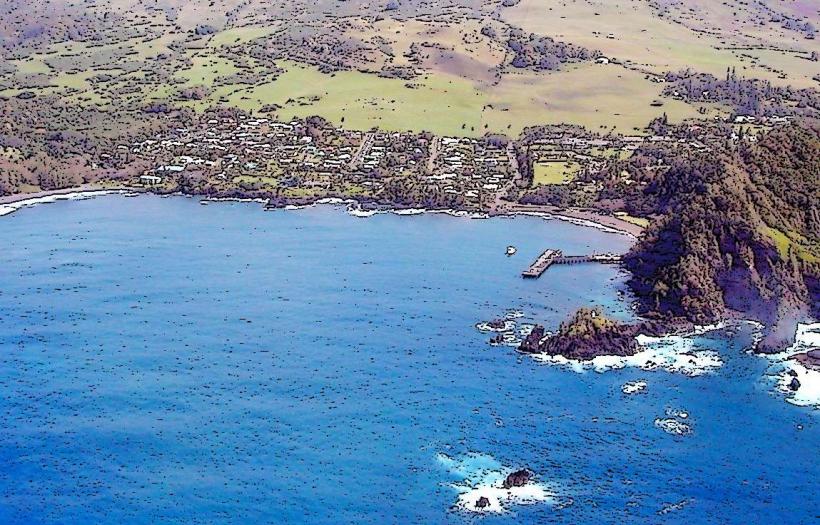
Hāna serves as the primary cultural and agricultural preserve for East Maui, functioning as one of the most isolated settlements in the Hawaiian Islands. It is situated on the eastern tip of Maui, separated from the rest of the island by the rugged Haleakalā rainforest and the coastline of the Pacific Ocean.
Historical Timeline
Hāna was a seat of power for the Maui ali‘i (royalty) for centuries, notably as the birthplace of Queen Ka‘ahumanu in 1768. The primary era of governance shifted from the Hawaiian Kingdom to the U.S. Territorial period following the late 19th-century expansion of the sugar industry. The Hāna Plantation dominated the urban form until 1946, when the industry collapsed. The primary event shaping the current urban form was the 1946 transition to ranching (Hāna Ranch) and the opening of the Hāna Highway to the general public, which solidified the town's status as a remote "time capsule" of rural Hawaiian life.
Demographics & Population
The population of the Hāna census-designated place (CDP) is approximately 1,200. The demographics are predominantly Native Hawaiian and Pacific Islander (46%), followed by White (24%) and Multiracial (22%). The median age is 41.5 years.
Urban Layout & Key Districts
The settlement is organized along the Hana Highway (Route 360) and the coastline of Hāna Bay. Hāna Village (Central) is the commercial heart, containing the general store and post office. Haneoʻo (South) encompasses the Hamoa Beach and Koki Beach areas. Wainapanapa (North) is the primary ecological district featuring volcanic coastlines. Hālawa (Inland) consists of upland agricultural and ranching tracts.
Top City Landmarks
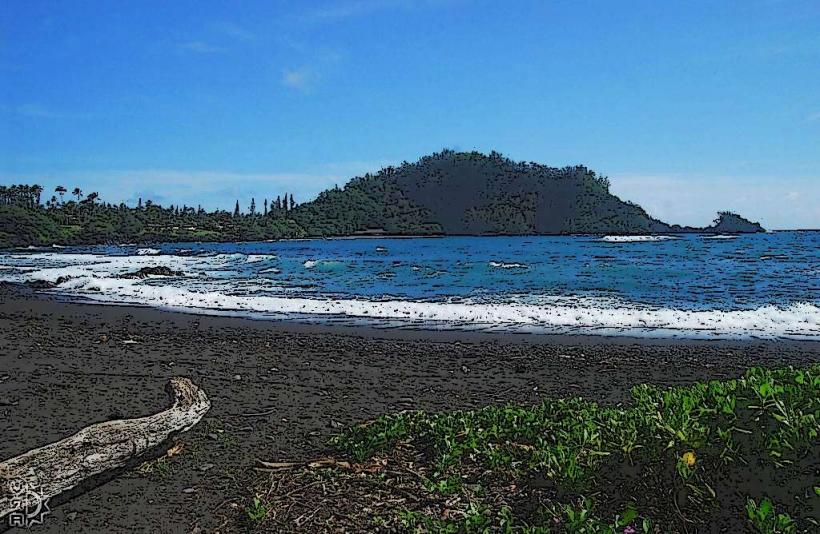
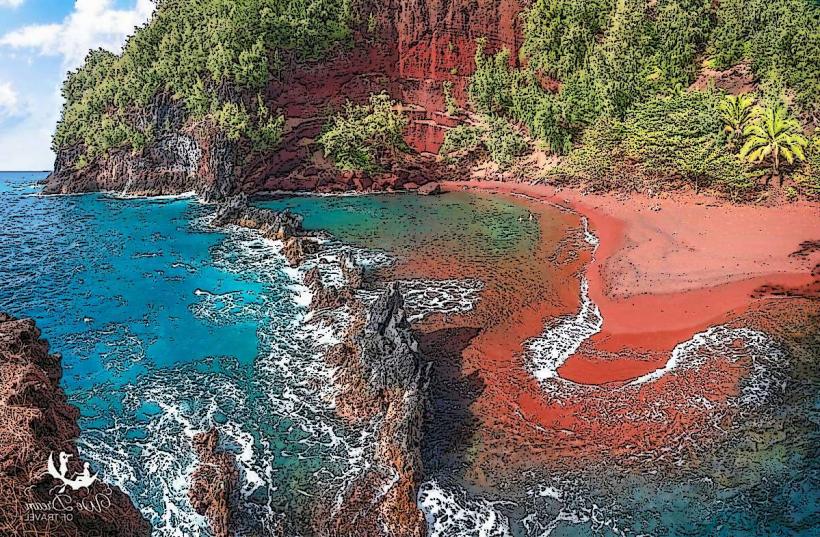
Wainapanapa State Park (Black sand beach and sea caves)
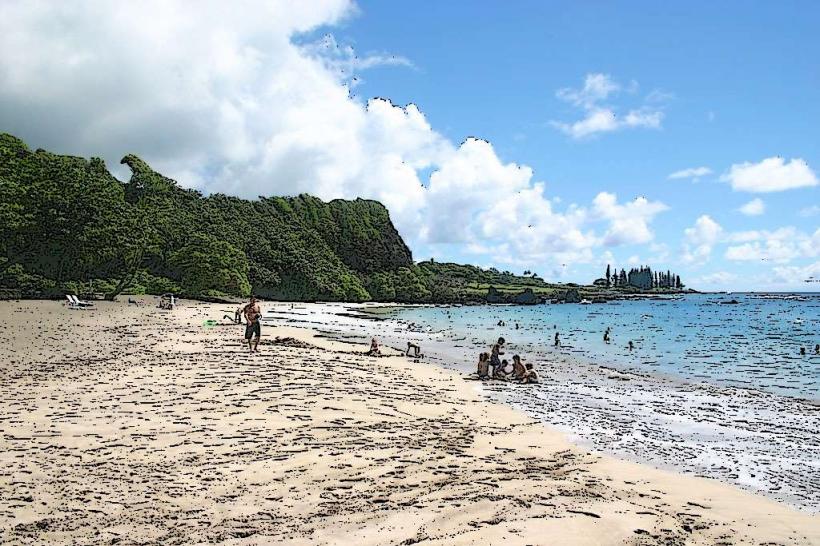
Hamoa Beach (Crescent-shaped salt-and-pepper sand beach)
Hasegawa General Store (Historic family-owned business established in 1910)
Wananalua Congregational Church (Built in 1838 from coral blocks)
Fagan’s Cross (Memorial overlook on Lyon’s Hill)
Transportation Network
Movement within Hāna is strictly via private vehicle or walking; there is no public bus service. There are no metro or tram lines. Ride-sharing apps like Uber and Lyft do not operate here. Official taxis are non-existent. The Hāna Highway is a 103-kilometer winding road with 620 curves and 59 one-lane bridges; traffic density is low in the village but high on the access road during peak tourist hours (10:00–16:00).
Safety & "Red Zones"
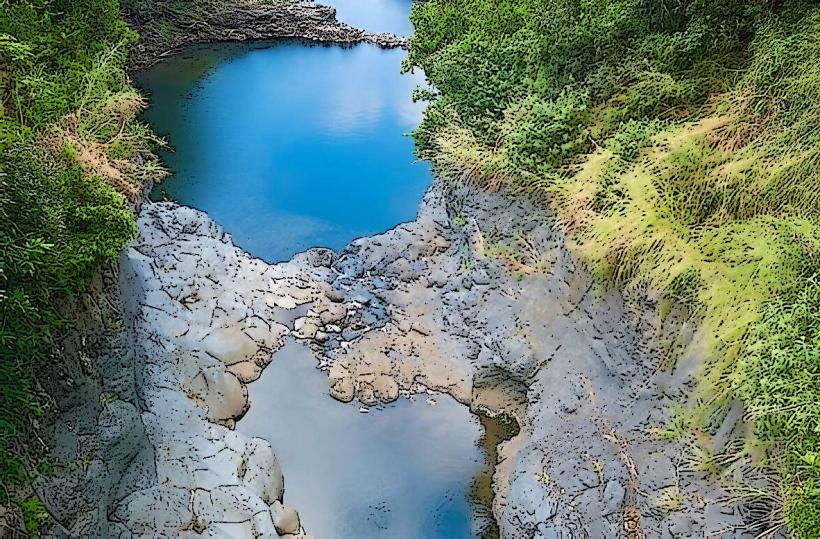
Hāna is exceptionally safe from crime. Physical "Red Zones" are environmental: avoid the Blue Pool and Venus Pools (Waioka) during rain due to lethal flash flooding. Do not trespass on marked "Kapu" (forbidden/private) lands or agricultural plots. Common scams are non-existent, though "roadside fruit stands" sometimes use honor-system boxes that are targeted by petty theft.
Digital & Financial Infrastructure
Internet speeds average 25–75 Mbps; fiber-optic access is extremely limited. Mobile coverage via Verizon is the most reliable, while AT&T and T-Mobile have significant dead zones. Card acceptance is moderate at the general store and hotel but low at roadside stands. There is only one ATM on the island’s eastern side, located at the Bank of Hawaii branch in the village center.
Climate & Air Quality
Temperatures range from 20°C to 28°C. Hāna receives approximately 2,000–3,000 mm of rain annually, making it one of the wettest tropical environments in the U.S. Air quality is world-class due to the absence of industry and proximity to the open ocean. Significant weather risks include landslides on the Hāna Highway and high surf surges.
Culture & Social Norms
Tipping follows U.S. standards (18–20%). Greetings are soft and respectful; "Aloha" is used universally. Dress is strictly casual (board shorts/t-shirts). Smoking is prohibited on all beaches and in state parks. Alcohol consumption is restricted to private residences or the hotel restaurant; there are no standalone bars in the village.
Accommodation Zones
Hāna Village: Stay here for logistical proximity to the general store and bay.
Haneoʻo/Koki: Stay here for secluded residential rentals near the primary swimming beaches.
Local Cost Index
1 Espresso: $6.50
1 Standard Lunch (Food Truck): $22.00
1 Gallon of Gasoline: $6.50–$7.50 (Highest in the state)
Nearby Day Trips
Oheʻo Gulch (Seven Sacred Pools): 16 km (30 minutes), located within Haleakalā National Park.
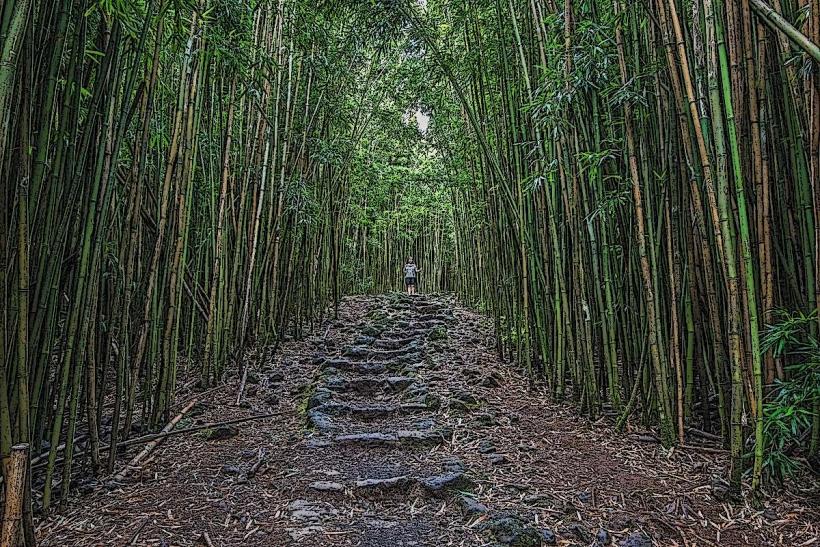
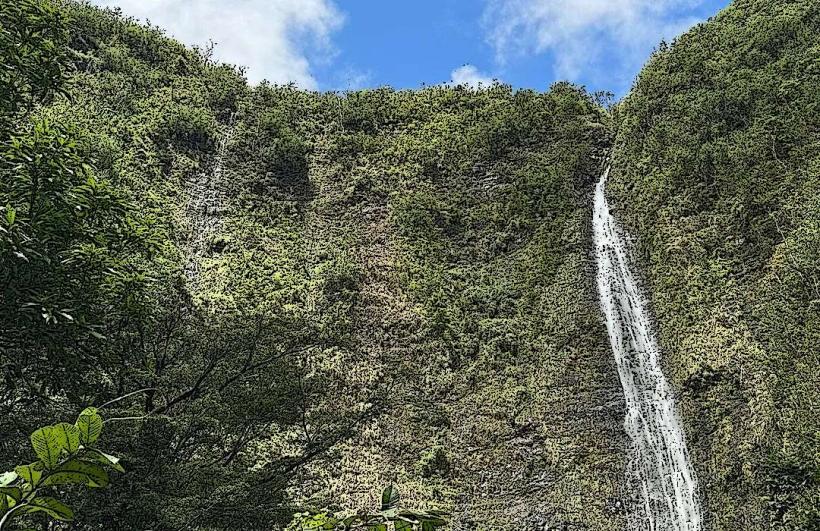
Pipiwai Trail: 16 km (30 minutes), a 6.4 km hike through a giant bamboo forest to Waimoku Falls.
Nahiku: 13 km (25 minutes), a lush jungle community known for its rugged shoreline.
Facts & Legends
Hāna is home to the legend of Pele and Namakaokahaʻi. It is said the fire goddess Pele had a final battle with her sister, the sea goddess, at the hill of Kaʻuiki overlooking Hāna Bay; Pele’s bones were allegedly left here while her spirit fled to Kīlauea. A modern historical oddity is that the pilot Charles Lindbergh chose to be buried at Palapala Ho'omau Church in Kipahulu, 12 miles south of Hāna, due to the region's total isolation from modern society.