Information
City: HoustonCountry: USA Texas
Continent: North America
Houston, USA Texas, North America
Houston is the most populous city in Texas and the fourth-most populous in the United States. Located in Southeast Texas near the Gulf of Mexico, it is a global hub for energy, aeronautics, and biomedical research. It is recognized as the most ethnically diverse metropolitan area in the U.S.
Historical Timeline
Founded in 1836 by the Allen brothers on the banks of Buffalo Bayou and named after General Sam Houston. The discovery of oil at Spindletop in 1901 and the opening of the Houston Ship Channel in 1914 transformed the city into a major deep-water port and "Energy Capital of the World." In 1961, NASA established the Manned Spacecraft Center (now Johnson Space Center), cementing Houston's identity as "Space City."
Demographics & Population
The estimated 2026 population is 2,390,125 (metropolitan area approx. 7.5 million). The city's demographic profile is roughly 44% Hispanic/Latino, 23% Black or African American, 25% White (non-Hispanic), and 7% Asian. Over 145 languages are spoken, and one in four residents is foreign-born.
Urban Layout & Key Districts
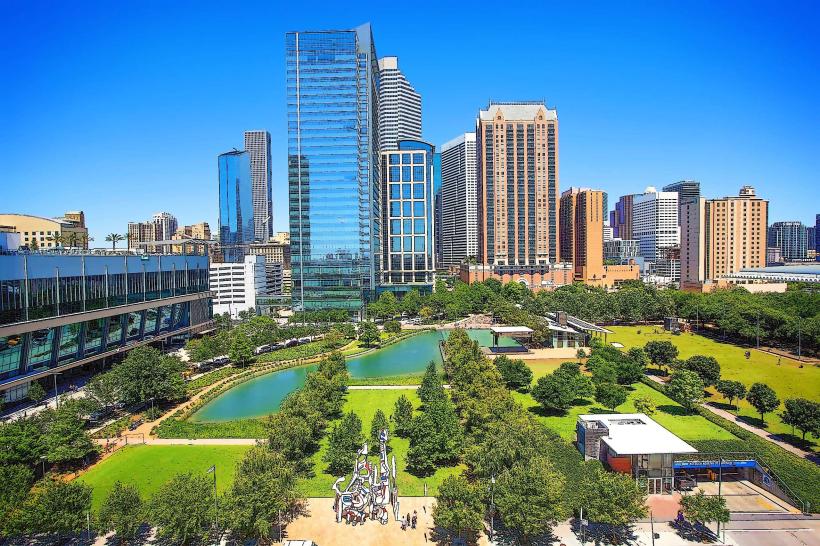
Downtown: The central business district and home to the Theater District, which contains the second-largest concentration of theater seats in the U.S.
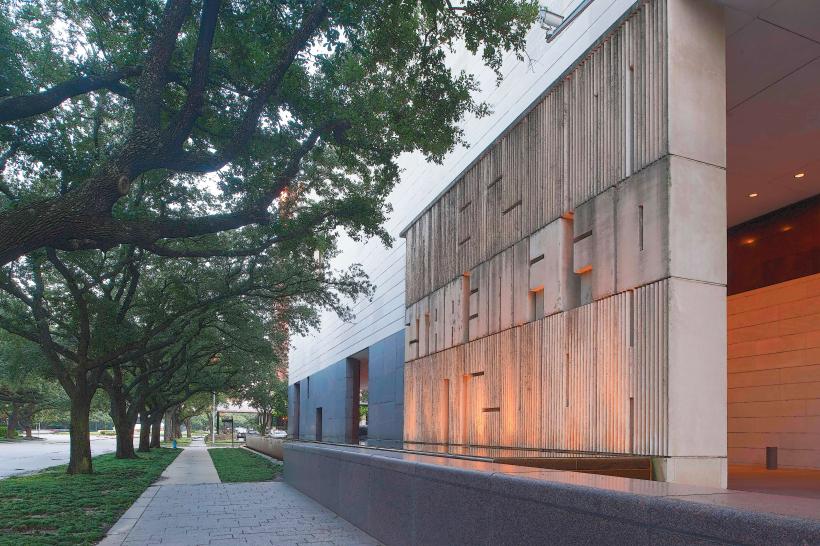
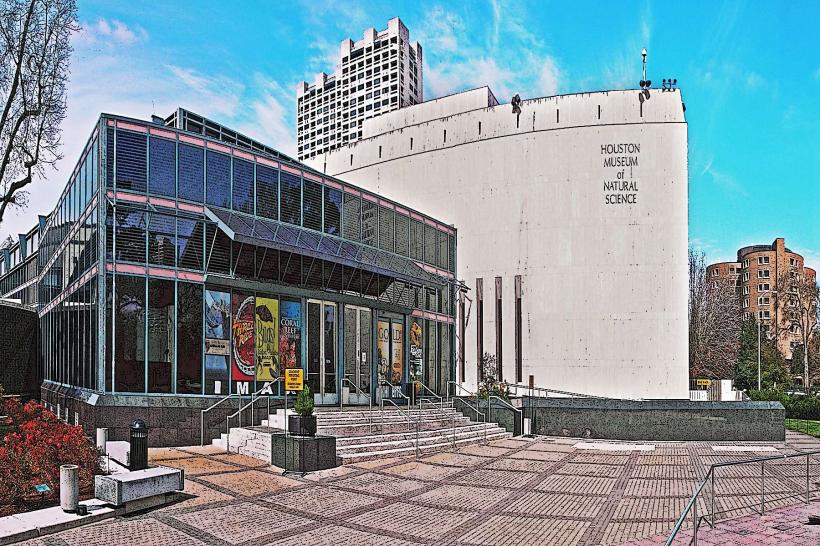
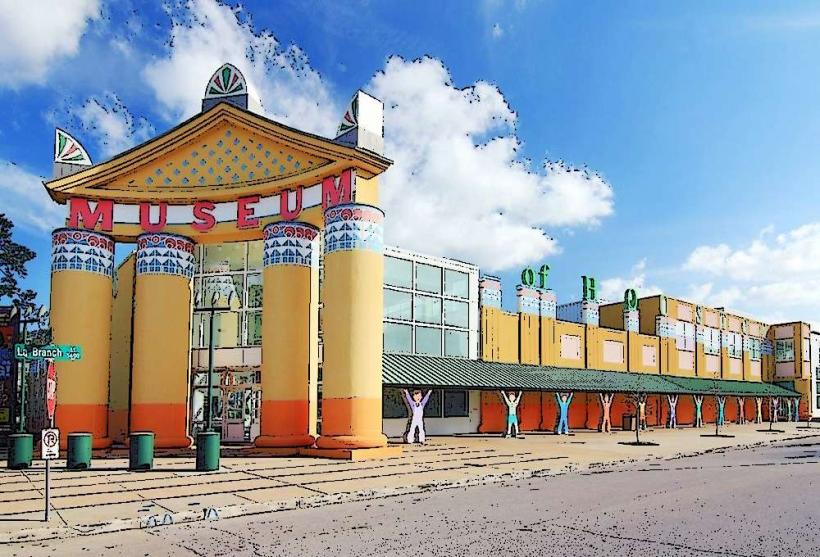
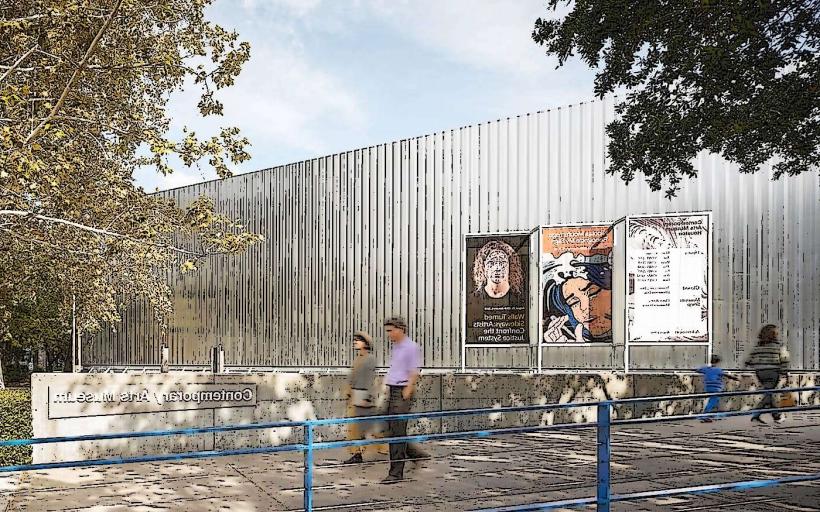
Museum District: A high-density cultural zone featuring 19 institutions, including the Museum of Fine Arts and the Houston Museum of Natural Science.
The Galleria / Uptown: A major commercial and high-fashion retail hub centered around Texas's largest shopping mall.
Texas Medical Center: The largest medical complex in the world, employing over 100,000 people.
Montrose: A historically bohemian and LGBTQ+ hub known for its eclectic restaurants, galleries, and nightlife.
The Heights: A historic neighborhood featuring Victorian architecture and a rapidly growing culinary scene.
Top City Landmarks
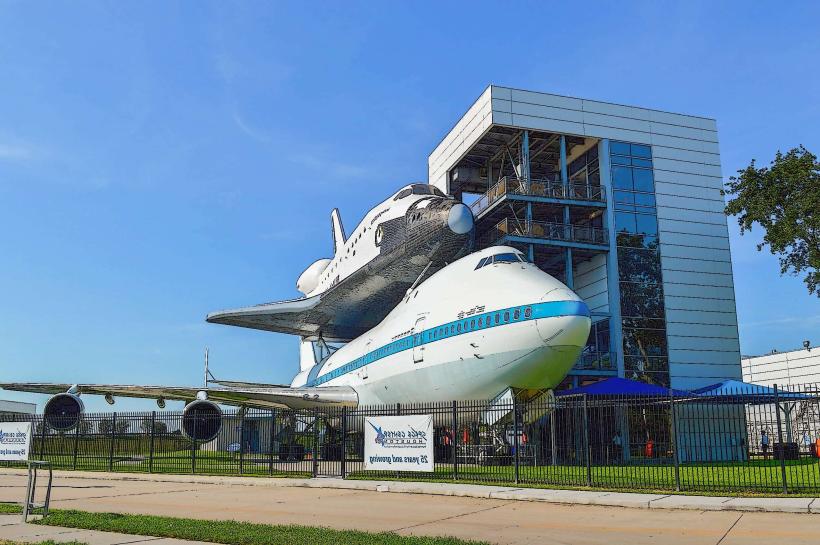
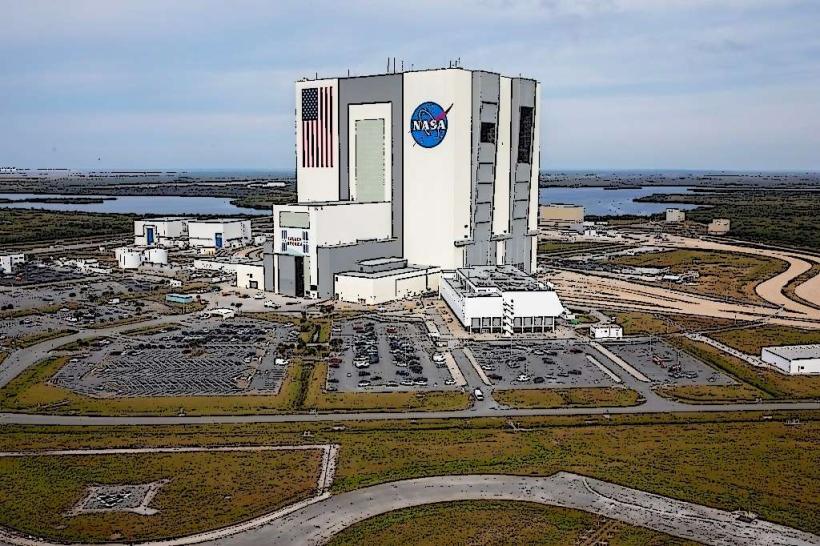
Space Center Houston: The official visitor center for NASA Johnson Space Center, featuring the Saturn V rocket and moon rocks.
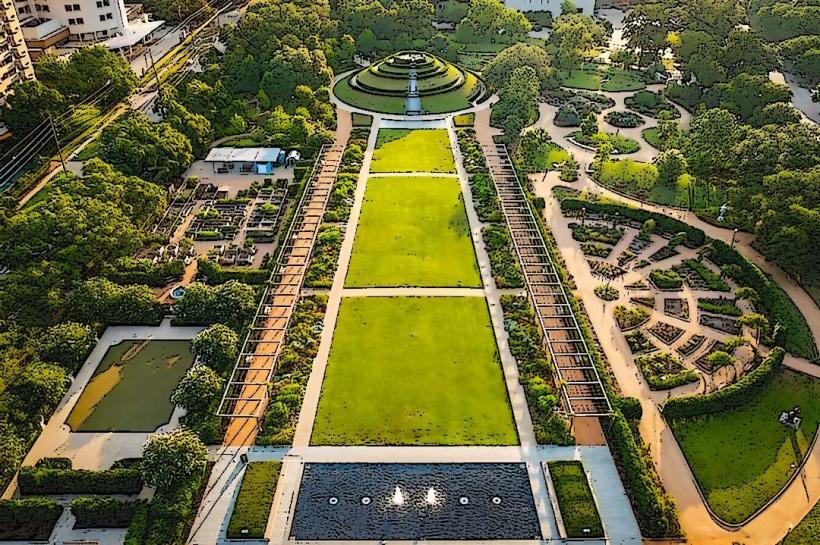
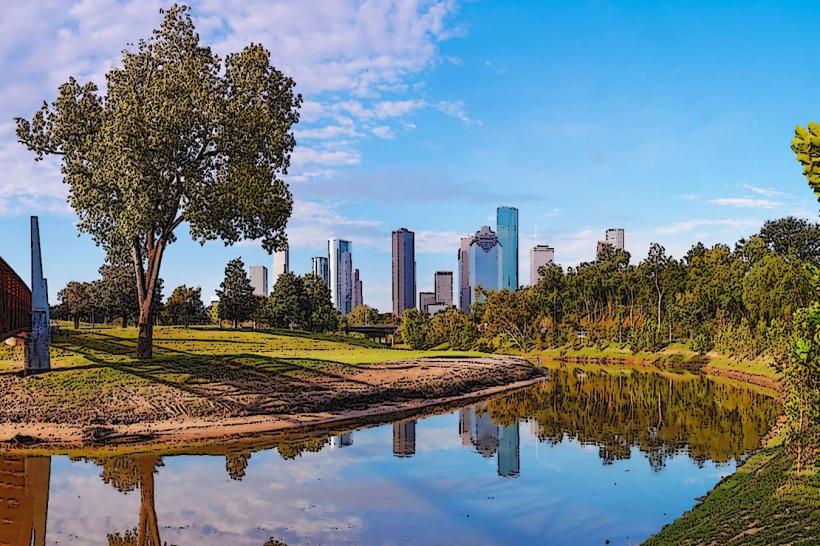
Buffalo Bayou Park: A 160-acre green space featuring the "Cistern" (a repurposed underground reservoir).
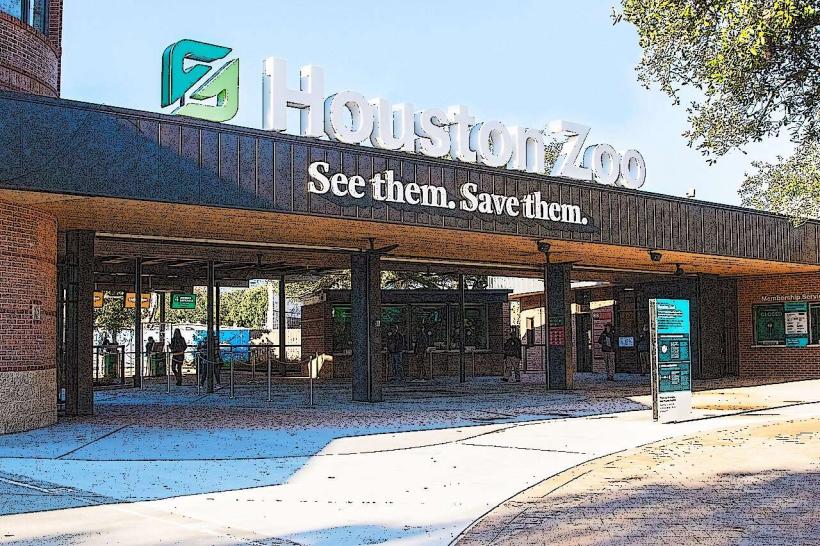
Hermann Park: Home to the Houston Zoo, Miller Outdoor Theatre, and the Japanese Garden.
The Waterwall: A 64-foot semi-circular fountain located near the Galleria in Gerald D. Hind Park.
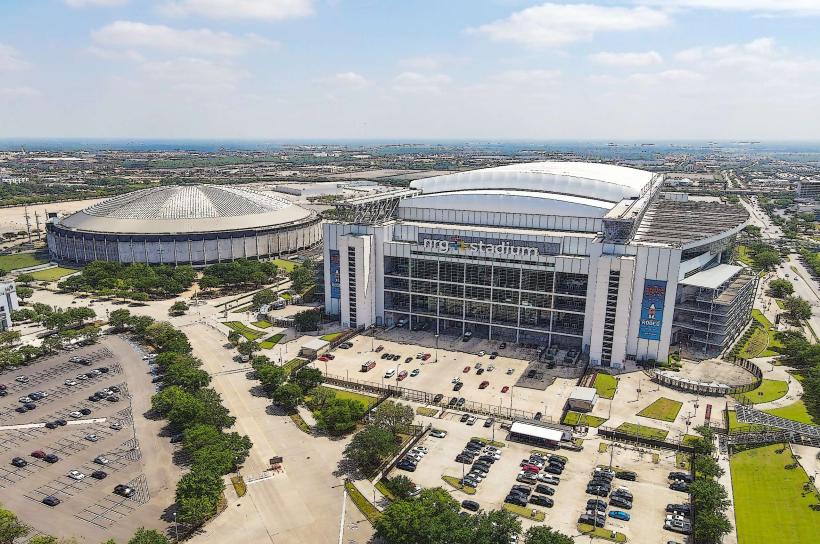
NRG Stadium: A massive multi-purpose venue and home to the NFL’s Houston Texans and the Houston Livestock Show and Rodeo.
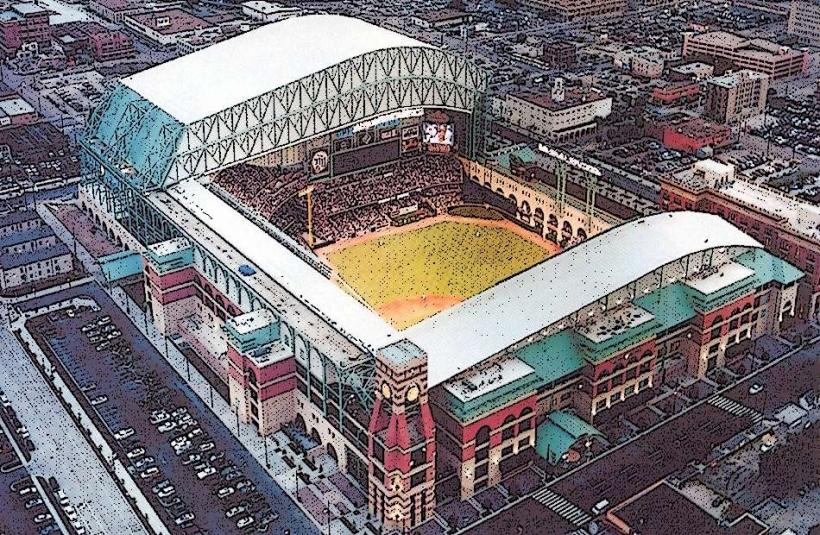
Minute Maid Park: Home of the MLB’s Houston Astros, featuring a retractable roof.
Transportation Network
George Bush Intercontinental Airport (IAH) is the primary international hub, while William P. Hobby (HOU) serves domestic routes. Houston is highly car-dependent, intersected by major freeways including I-10, I-45, and I-69. Public transit is managed by METRO, providing light rail service primarily in the Downtown, Midtown, and Medical Center corridors. The city is also a focal point for the developing Texas Central high-speed rail project.
Safety & "Red Zones"
The safety level varies significantly by neighborhood.
Areas of Caution: Historically, neighborhoods like Sunnyside (77033, 77051), Eastex-Jensen (77093), and parts of the Fifth Ward report higher rates of violent crime.
Safe Zones: Western sections (West University Place, Bellaire, Memorial) and master-planned suburbs like The Woodlands and Sugar Land rank among the safest in the nation.
Environmental Risk: Houston is at very high risk for hurricanes and flash flooding due to its low elevation and bayou system.
Digital & Financial Infrastructure
Houston is a Tier 1 digital market with 1000+ Mbps fiber availability and a growing concentration of AI-focused data centers. The US Dollar (USD) is the currency. Sales tax is 8.25%. The city hosts 26 Fortune 500 headquarters, third-most in the U.S.
Climate & Air Quality
Houston has a Humid Subtropical climate (Cfa).
Temperatures: Summer (June–September) is oppressive, with highs often reaching 35°C–40°C and extreme humidity. Winter is mild (avg. 18°C).
Air Quality: Generally moderate, though industrial zones near the Ship Channel and high traffic can lead to elevated ozone levels during heatwaves.
Culture & Social Norms
The culture is a "Southern-International" hybrid. It is world-renowned for its culinary scene, specifically Viet-Cajun and Tex-Mex fusion. Tipping (18–25%) is standard. The city has no zoning laws, leading to a unique urban fabric where skyscrapers, residential houses, and industrial sites often coexist.
Accommodation Zones
Downtown: Best for business and theater access.
The Galleria: Best for shopping and luxury hotel stays.
Museum District/Medical Center: Best for cultural tourists and researchers.
Local Cost Index
1 Espresso: $4.50 – $6.00
1 Standard Lunch (Tex-Mex): $18.00 – $28.00
1 Uber/Lyft (10km): $15.00 – $25.00
Nearby Day Trips
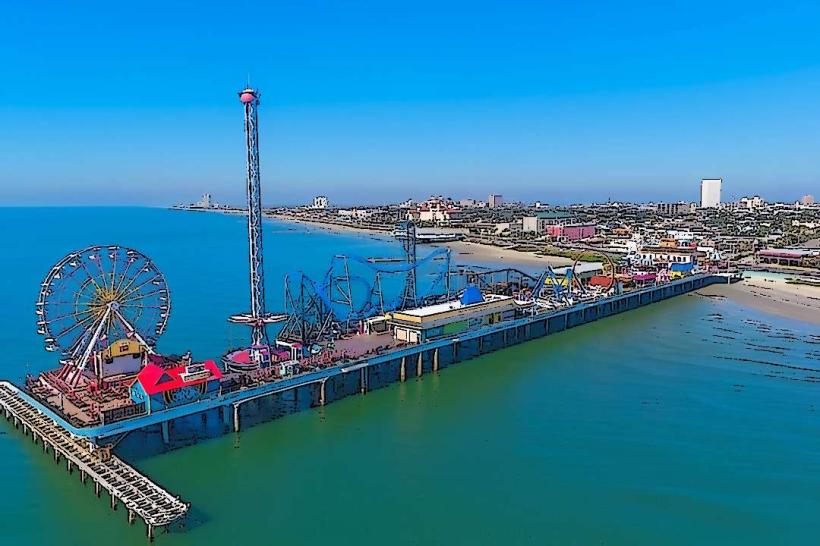
Galveston Island: 50 miles (80 km) south (Beaches and historic Strand district).
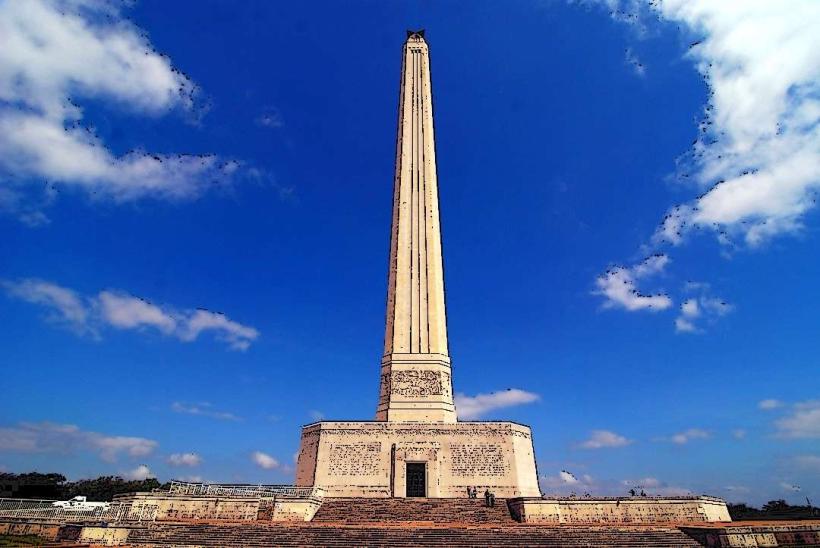
San Jacinto Battleground: 25 miles (40 km) east (Site of Texas independence).
Brazos Bend State Park: 45 miles (72 km) southwest (Known for abundant alligators).
Facts & Legends
Houston's first word spoken from the moon was "Houston" (July 20, 1969). A local legend involves the "Blue Light Ghost" of Glenwood Cemetery. A verified fact: the city sits on an extensive underground tunnel system spanning 95 blocks, which contains restaurants and shops to help pedestrians avoid the intense summer heat.