Information
City: IasiCountry: Romania
Continent: Europe
Iasi, Romania, Europe
Iași serves as the cultural capital and primary academic center of Northeast Romania. It is located in the historical region of Moldavia, situated on seven hills within the Bahlui River valley.
Historical Timeline
Iași was first officially documented in 1408 in a trade privilege granted by Ruler Alexander the Good. It served as the capital of the Principality of Moldavia from 1564 until 1859, and functioned as the temporary capital of Romania during World War I (1916–1918). Significant architectural reconstruction occurred in the late 19th century and during the 1960s socialist urban systematization, which replaced much of the medieval center with civic plazas. The primary event shaping its current urban form was the relocation of the capital to Bucharest in 1862, followed by intensive 20th-century industrialization.
Demographics & Population
The population within city limits is approximately 286,000, with a metropolitan area reaching 316,000. Demographics are 98% Romanian, with small minorities of Roma, Greeks, and Jews. The median age is 39.1 years, influenced by a student population of over 60,000.
Urban Layout & Key Districts
The city is structured along a main north-south axis connecting the Copou Hill to the Palace of Culture. Copou (North) is the academic and residential district; the Civic Center (Central) contains the primary administrative and commercial zones. Tătărași (East) and Alexandru cel Bun (West) are the most densely populated residential quarters.
Top City Landmarks
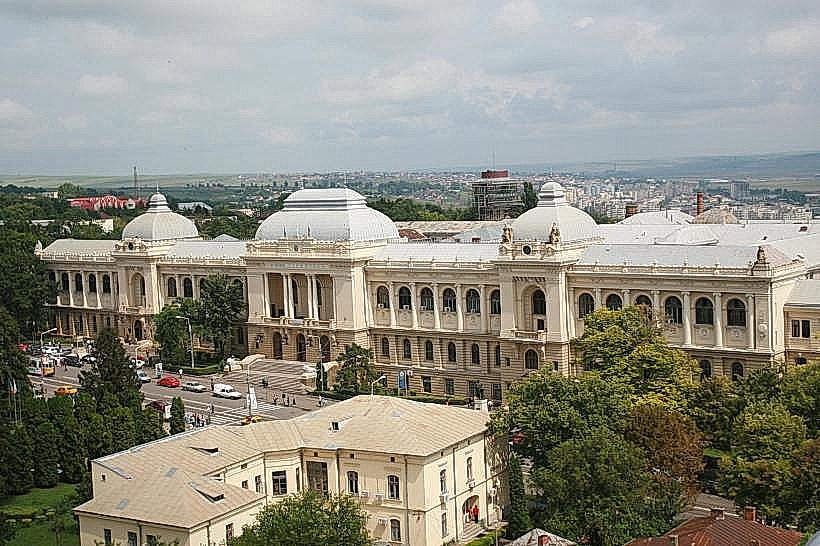
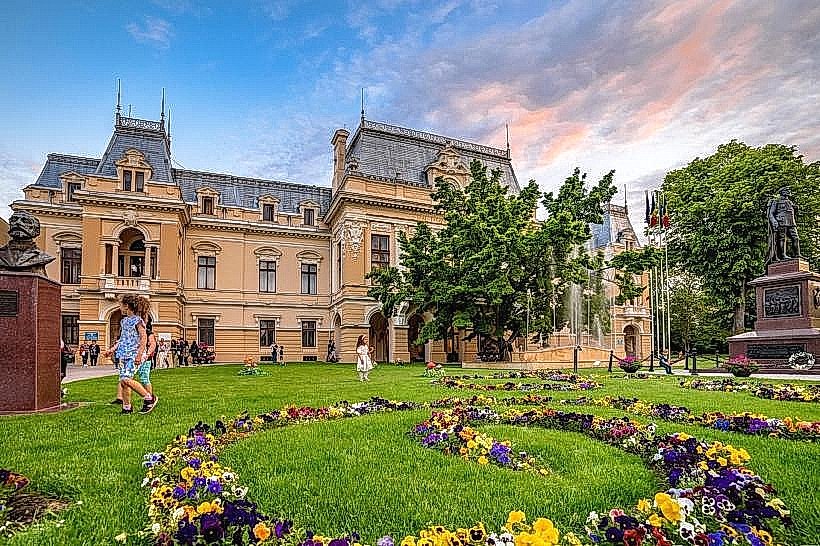
Palace of Culture (Palatul Culturii)
Metropolitan Cathedral (Mitropolia Moldovei și Bucovinei)
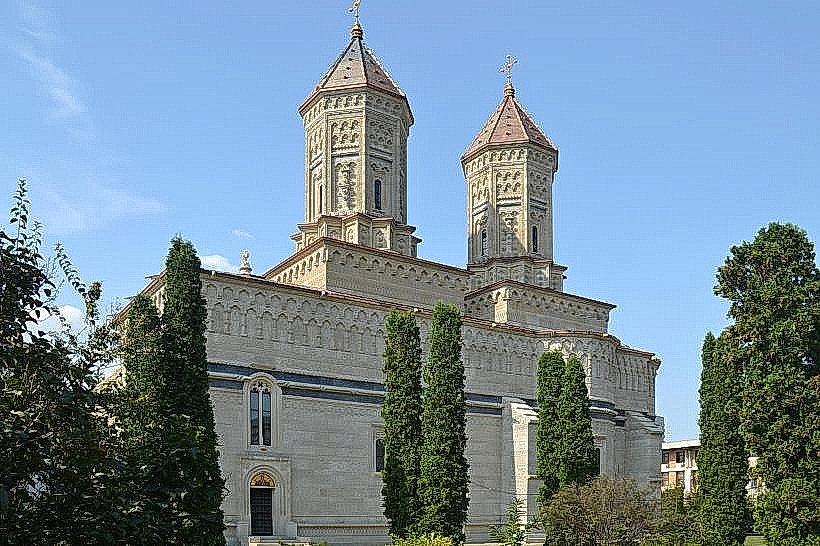
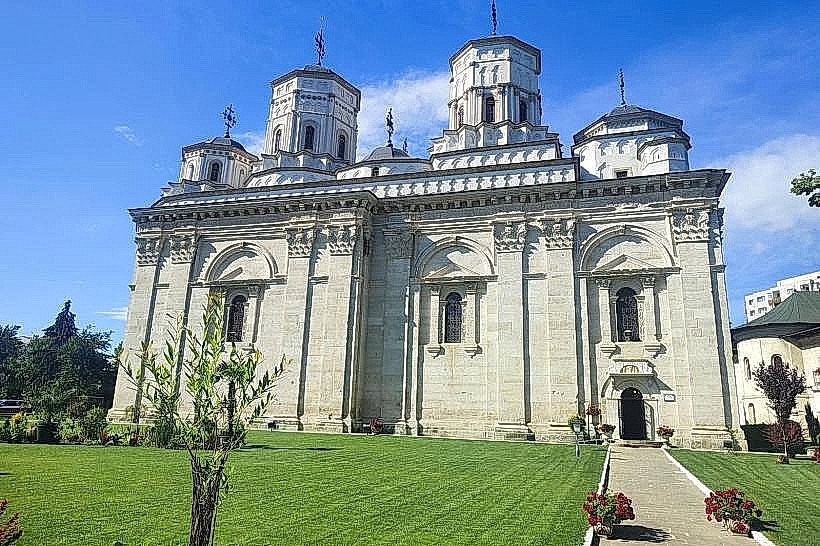
Three Holy Hierarchs Monastery (Mănăstirea Sfinții Trei Ierarhi)
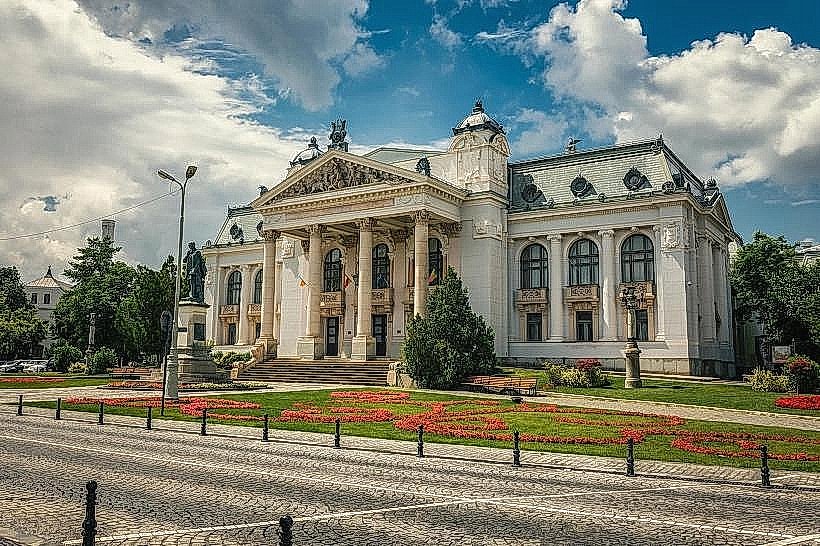
Vasile Alecsandri National Theatre
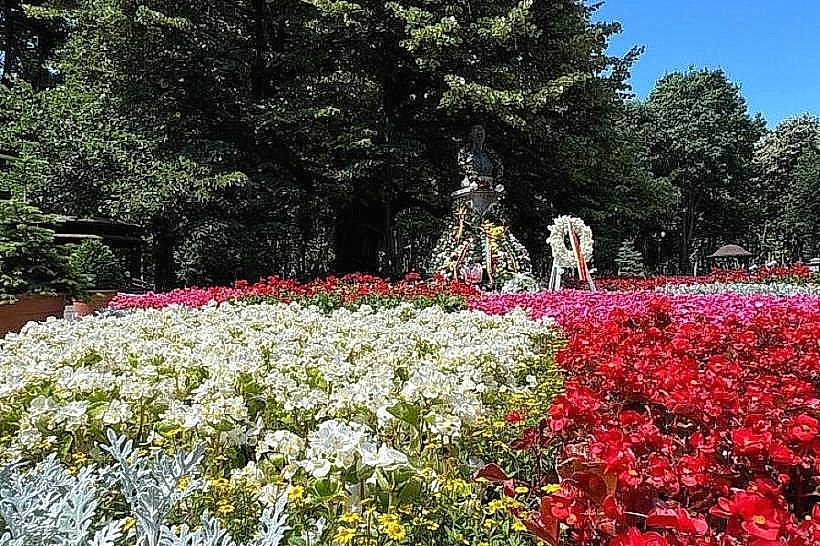
Botanical Garden "Anastasie Fătu"
Transportation Network
Internal transit is managed by CTP Iași, consisting of 8 tram lines and 20+ bus lines; trams are the most reliable method for navigating the hilly terrain. Ride-sharing via Uber and Bolt is widely available. Official taxis are yellow with mandatory price stickers on the doors. Traffic density is severe at the Podu Roș and Fundație intersections during peak hours (07:30–09:00, 16:30–18:30).
Safety & "Red Zones"
The general safety level is high. Travelers should exercise caution in the Dalas area (part of Tomești/periphery) and the Cicoarei neighborhood at night. Standard vigilance against pickpocketing is recommended at the Railway Station (Gara) and on bus line 41.
Digital & Financial Infrastructure
Average internet speed is 160 Mbps via fiber optics. Main mobile carriers are Digi, Orange, and Vodafone. Card acceptance is high in the city center and malls; cash is still required for some small kiosks or public markets. ATMs are densely concentrated in the Palas and Unirii Square areas.
Climate & Air Quality
Temperatures range from -6°C to 1°C in winter and 16°C to 30°C in summer. Air quality is a frequent issue due to the city's location in a valley, leading to temperature inversions and smog in winter. Weather risks include heavy snowfall and occasional blizzards (Crivăț wind) from December to February.
Culture & Social Norms
Tipping is standard at 10% of the bill. Handshakes are the common greeting; younger residents may use a single cheek kiss in social settings. Dress code is casual, though conservative attire is required when entering monasteries. Smoking is prohibited in all indoor public spaces.
Accommodation Zones
Stay in the Palas/Civic Center area for high-density walking access to landmarks and dining. Stay in Copou for a quieter, green environment with proximity to the university and historic parks.
Local Cost Index
1 Espresso: 11 RON ($2.40)
1 Standard Lunch: 40 RON ($8.75)
1 Metro/Bus Ticket: 3.5 RON ($0.77)
Nearby Day Trips
Ruginoasa (Sturdza Palace): 65 km
Miclăușeni Castle: 65 km
Chișinău, Moldova: 150 km (requires border crossing)
Neamț Fortress: 110 km
Facts & Legends
A prominent urban legend involves the "Ghost of the Executioner's House" (Manta Roșie), where Gavril Buzatu, the last official executioner of Moldavia, resided. Locals claim the site is haunted by the spirits of those he beheaded. A verified historical oddity is that the Palace of Culture, despite its medieval appearance, was actually completed in 1925 and features 365 rooms-one for every day of the year.