Information
City: Ibiza TownCountry: Balearic Islands
Continent: Europe
Ibiza Town, Balearic Islands, Europe
Ibiza Town (Eivissa) is the capital and largest city of the island of Ibiza. It is a UNESCO World Heritage site, recognized for its preserved Renaissance military architecture and its historical role as a Mediterranean maritime crossroads.
Historical Timeline
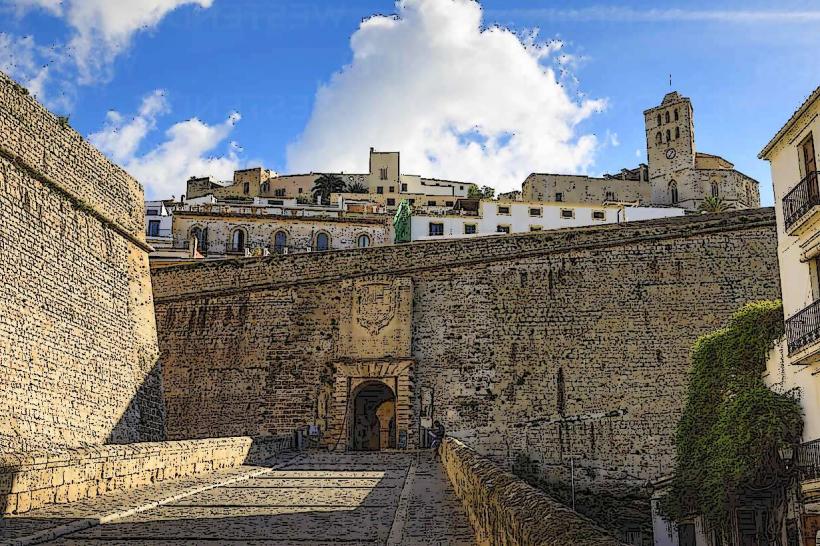
Founded by the Phoenicians in 654 BC, the city became a major center for salt production and trade. It was subsequently ruled by Carthaginians, Romans, and Moors before the Crown of Aragon's conquest in 1235. The massive defensive walls visible today were commissioned by King Charles V in the 16th century to defend against Ottoman and pirate raids.
Demographics & Population
The population is approximately 51,000. The city is highly international, with a resident base of Spaniards and a large community of European and South American expatriates. While Spanish and Catalan (Ibicuenco) are official, English and German are the primary languages of the tourism and service industries.
Urban Layout & Key Districts
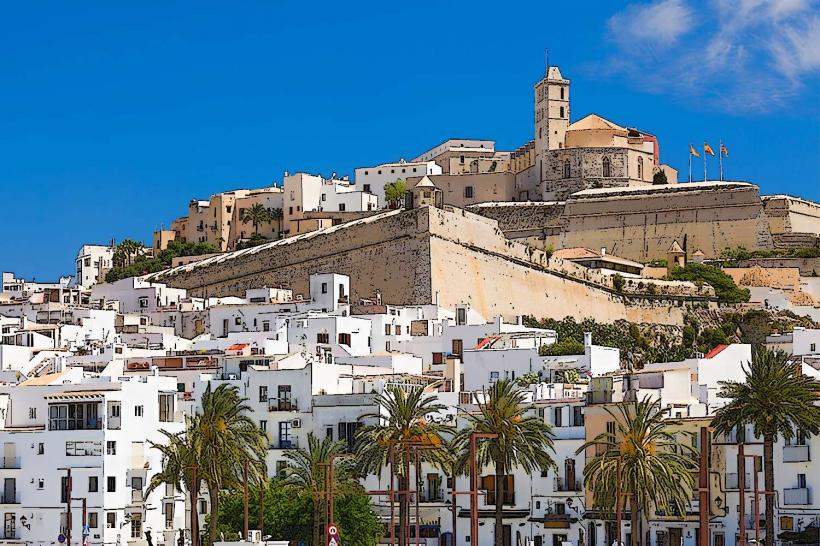
Dalt Vila: The "Upper Town," a fortified citadel containing the cathedral and historic government buildings.
La Marina: The historic neighborhood between the walls and the harbor, formerly the fishermen's quarter.
Sa Penya: A narrow district at the edge of the port, known for steep streets and whitewashed houses.
Vila Nova: The 19th-century expansion centered around the Vara de Rey boulevard.
Marina Botafoch: The modern area across the bay, housing luxury yachts and major nightclubs like Pacha.
Top Landmarks
Dalt Vila Walls: Five massive bastions and the Portal de Ses Taules gate.
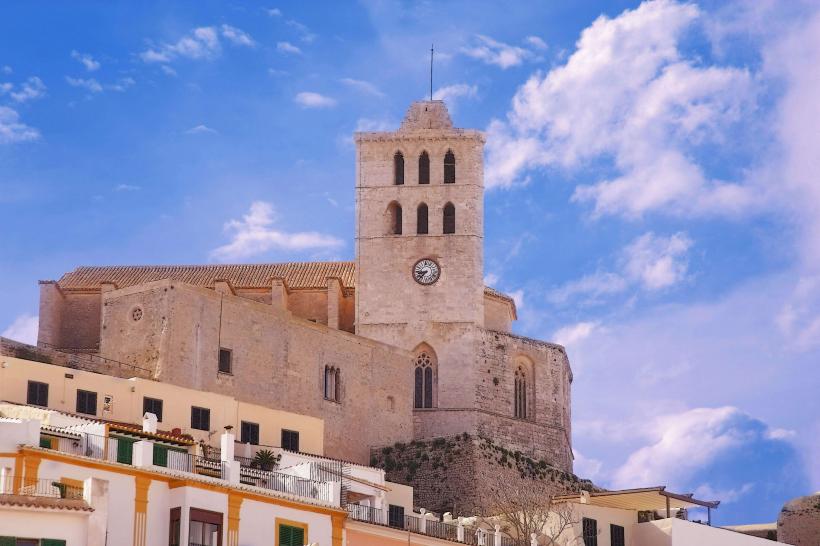
Ibiza Cathedral (Santa Maria d'Eivissa): A 13th-century structure at the city's highest point.
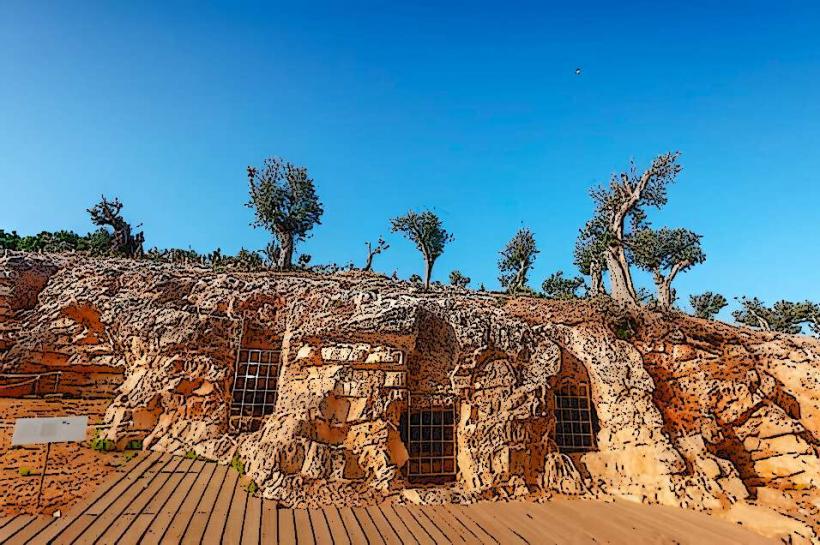
Necropolis of Puig des Molins: The world's largest and best-preserved Phoenician-Punic cemetery.
MASE (Museum of Contemporary Art): Showcases works associated with the island since the 1960s.
Castle of Ibiza: The former military seat, currently undergoing extensive renovation.
Transportation Network
Air: Ibiza Airport (IBZ) is 7 km southwest of the city.
Sea: The Port of Ibiza provides daily ferries to Formentera, Palma de Mallorca, Barcelona, and Valencia.
Bus: The central bus station (CETIS) links the town to San Antonio and Santa Eulalia.
Local Transit: Discobuses operate throughout the night during summer. Taxi ranks are located at Vara de Rey and the port.
Safety & "Red Zones"
Pickpockets: Active in the crowded alleys of La Marina and the port entrance during the evening.
Steep Terrain: Dalt Vila involves steep climbs on polished, slippery stone; footwear with high traction is mandatory.
Nightlife Areas: Exercise caution in the early hours near the port where high-density, intoxicated crowds congregate.
Digital & Financial Infrastructure
5G and fiber-optic coverage are ubiquitous. The currency is the Euro (€). ATMs are concentrated in Vila Nova and La Marina. Contactless payment is the standard at almost all commercial establishments.
Climate & Air Quality
Mediterranean climate with high humidity. Summers are hot; winters are mild. Air quality is generally high, though localized nitrogen dioxide levels rise near the port due to cruise and ferry traffic.
Culture & Social Norms
Adlib Fashion: The city is the center of the "Adlib" movement-white, bohemian clothing inspired by traditional island dress.
Dining Hours: Dinner is a late affair, rarely starting before 21:00 or 22:00.
Cuisine: Key dishes include Bullit de Peix (fish stew), Flaó (mint cheesecake), and Hierbas Ibicencas (herbal liqueur).
Local Cost Index (EUR)
1 Espresso: €2.00–€3.50
1 Cocktail (Marina area): €15.00–€25.00
1 Ferry to Formentera: €30.00–€50.00 (Round trip)
Nearby Day Trips
Formentera: 30-minute ferry ride to pristine beaches and turquoise waters.
Playa d'en Bossa: 10 minutes south; home to the island's longest beach and major clubs.
Talamanca: A short walk or water taxi across the bay; a calmer beach popular with locals.
Facts & Legends
Legend says the soil of Ibiza is blessed because no poisonous snakes or insects exist on the island. A geographic fact: The walls of Dalt Vila served as a model for Spanish fortifications in the New World. Historically, Ibiza Town was a major center for the hippie movement in the 1960s, which transformed it into a global counterculture hub.