Information
Landmark: Dalt Vila (Old Town)City: Ibiza Town
Country: Balearic Islands
Continent: Europe
Dalt Vila (Old Town), Ibiza Town, Balearic Islands, Europe
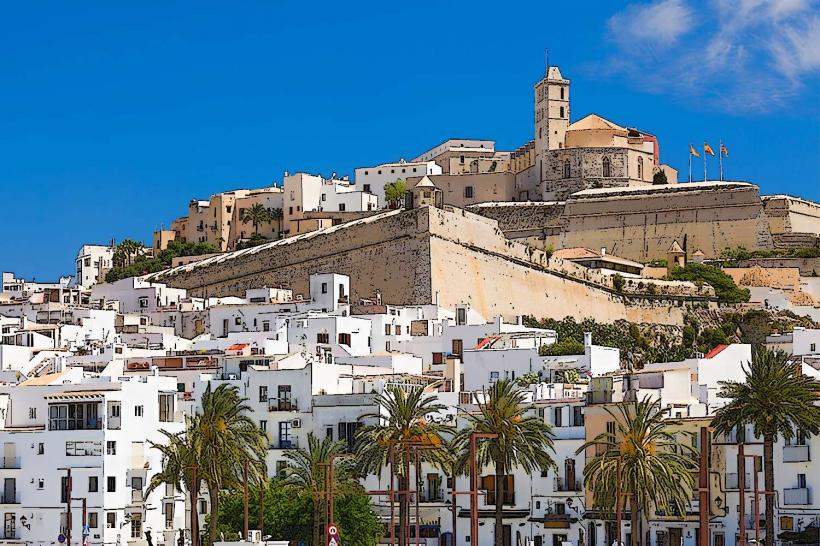
Dalt Vila is the historic upper town of Ibiza Town, located on the island of Ibiza in the Balearic Islands, Spain.
This fortified old town is a UNESCO World Heritage site, recognized for its well-preserved Renaissance fortifications and its significant cultural history.
Visual Characteristics
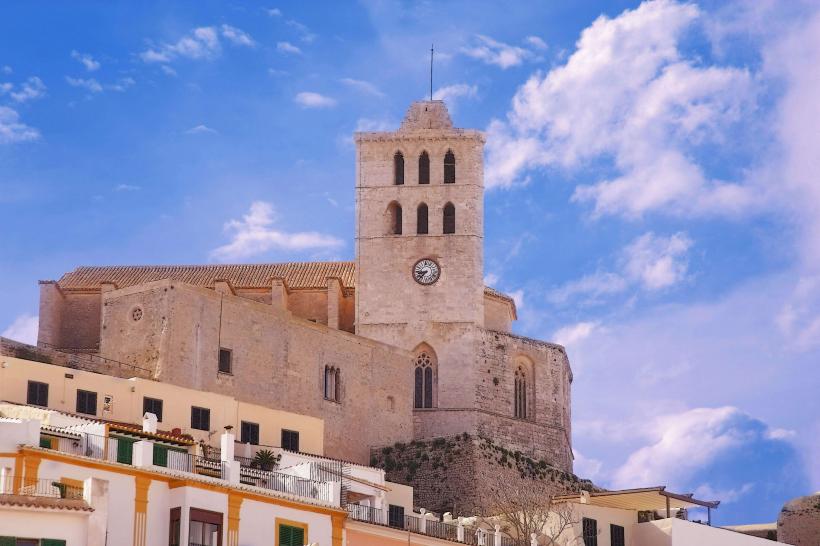
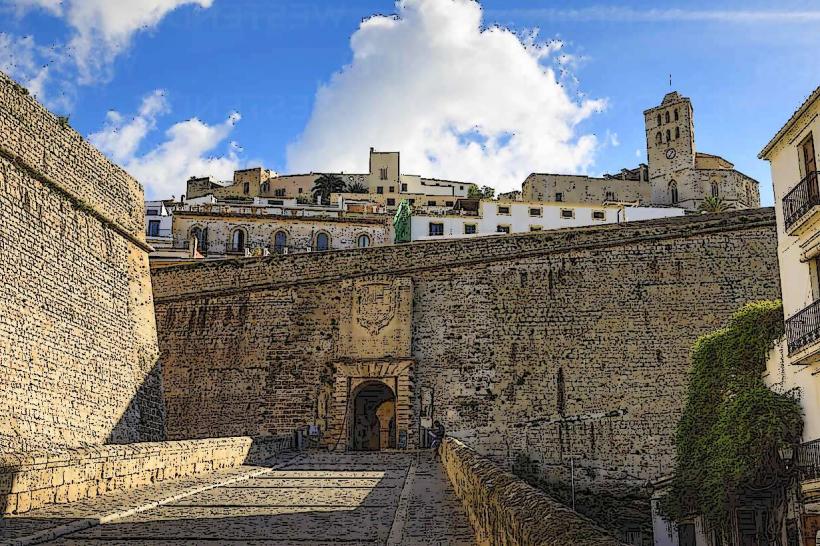
Dalt Vila is characterized by its imposing limestone walls, constructed in the 16th century. The architecture within the walls features a mix of Gothic and Renaissance styles, with narrow, winding cobblestone streets. Buildings are typically whitewashed with terracotta tile roofs. The highest point, the citadel, offers panoramic views of the Mediterranean Sea and the surrounding landscape. The fortifications include several bastions, gates, and ramparts.
Location & Access Logistics
Dalt Vila is situated on a prominent hill overlooking the harbor of Ibiza Town. Access is primarily through several fortified gates, the most common being the Portal de Ses Taules, located at the base of the hill. From the Ibiza Town ferry terminal, it is approximately a 10-minute walk to the Portal de ses Taules. Limited street parking is available in the lower town, with paid parking garages located near the port. Public bus routes serve Ibiza Town, with stops near the harbor, facilitating access to the base of Dalt Vila.
Historical & Ecological Origin
The origins of Dalt Vila date back to Phoenician settlements in the 7th century BC. The current fortifications were constructed between 1554 and 1585 by the Spanish military engineer Giovanni Battista Calvi, as part of a defense strategy against Ottoman and Barbary pirate raids. The site's strategic elevation and natural defenses have been utilized for millennia. The underlying geology consists of limestone bedrock.
Key Highlights & Activities
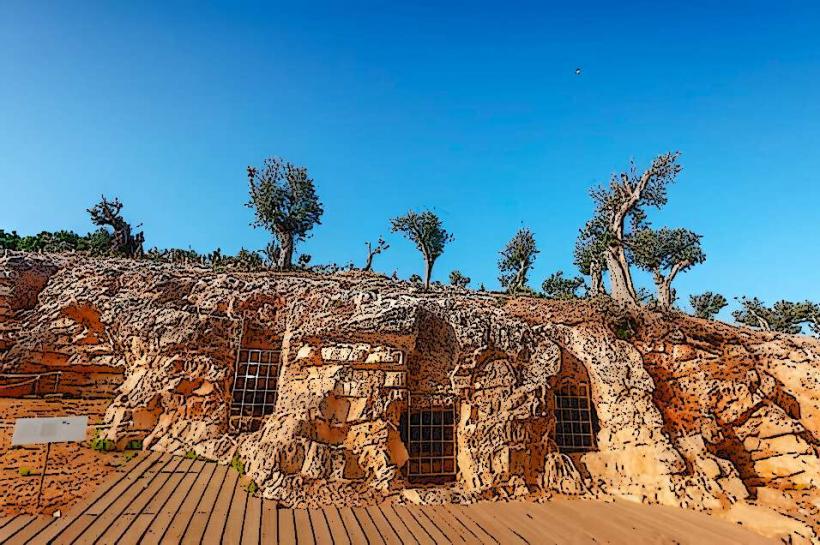
Exploration of the ramparts and bastions, including the Bastió de Sant Pere and the Bastió de Sant Joan. Walking the cobblestone streets and observing the architectural styles. Visiting the Ibiza Cathedral (Catedral de Santa Maria de les Neus) located at the summit. Exploring the Puig des Molins Necropolis (a short distance outside the main walls but historically linked). Accessing the various museums within the old town, such as the Museu d'Història d'Eivissa.
Infrastructure & Amenities
Within Dalt Vila, there are numerous restaurants, cafes, and small shops. Public restrooms are available at key points, particularly near the cathedral and main plazas. Shade is provided by building overhangs and some trees in plazas. Cell phone signal (4G/5G) is generally strong throughout the old town. Food vendors and more substantial dining options are concentrated in the lower town and port area, but several establishments are located within the walls.
Best Time to Visit
For photography, early morning (08:00-10:00) or late afternoon (17:00-19:00) offers optimal lighting conditions, minimizing harsh shadows. The best months for weather are May, June, September, and October, with average temperatures ranging from 20°C to 28°C. Visiting during midday in summer (July-August) can be very hot, with temperatures exceeding 30°C, making exploration less comfortable.
Facts & Legends
A local legend suggests that the walls of Dalt Vila were built with stones from the ancient Roman city of Ebusus, which once stood on the same site. The Puig des Molins Necropolis, located just outside the main fortifications, is one of the largest Phoenician-Punic burial grounds in the Mediterranean, containing over 3,000 tombs.
Nearby Landmarks
- Portal de ses Taules (0.1km South)
- Ibiza Town Port (0.3km South)
- Puig des Molins Necropolis (0.8km West)
- Playa d'en Bossa (3.5km Southeast)
- Talamanca Beach (3.8km Northeast)