Information
City: IfraneCountry: Morocco
Continent: Africa
Ifrane, Morocco, Africa
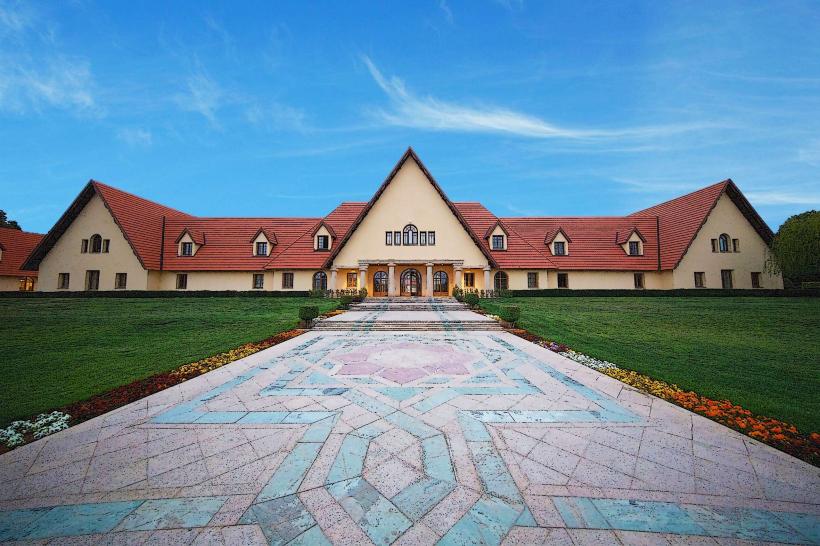
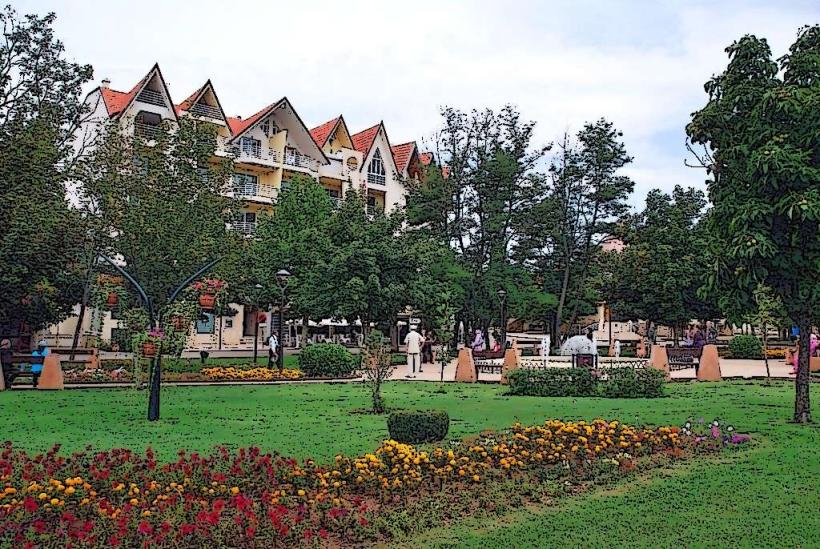
Ifrane is the administrative center of the Ifrane Province, situated at an elevation of 1,665 meters in the Middle Atlas Mountains. It is colloquially termed "Little Switzerland" due to its alpine climate, slanted red-roofed architecture, and extensive cedar forests.
Historical Timeline
The area was originally settled by the Berber Zayanes. The current urban form was established in 1928 during the French Protectorate as a "hill station"-a temperate retreat for colonial families fleeing the heat of the plains. The primary event shaping its modern identity was the 1995 opening of Al Akhawayn University, which transformed the town into an international academic and elite residential hub.
Demographics & Population
The estimated metropolitan population for 2026 is 16,500. The demographics include a significant population of students from Al Akhawayn University, government officials, and wealthy Moroccans with secondary residences. The median age is 25.4 years.
Urban Layout & Key Districts
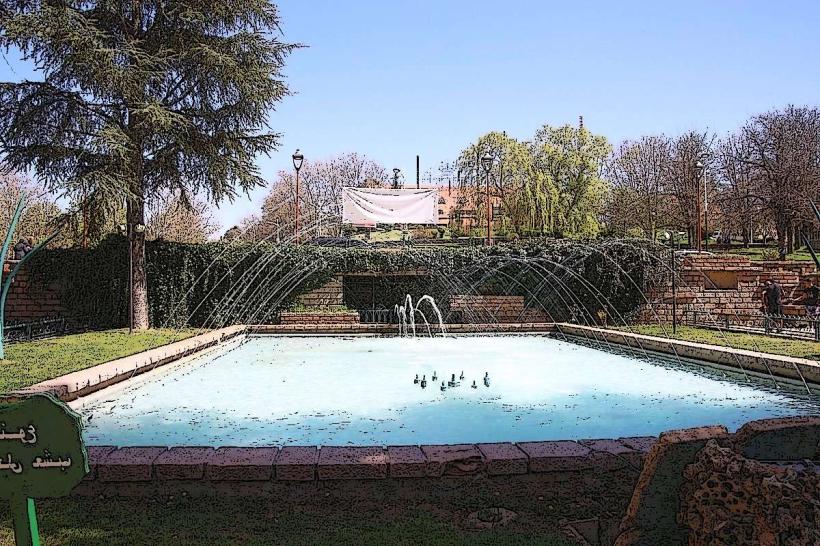
The town is characterized by low-density zoning and European-style landscaping. Key districts include the Center (commercial and administrative hub), the University Quarter (academic and residential), and the Royal Palace district (high-security restricted zone). The city is oriented around the central park and lake system.
Top City Landmarks
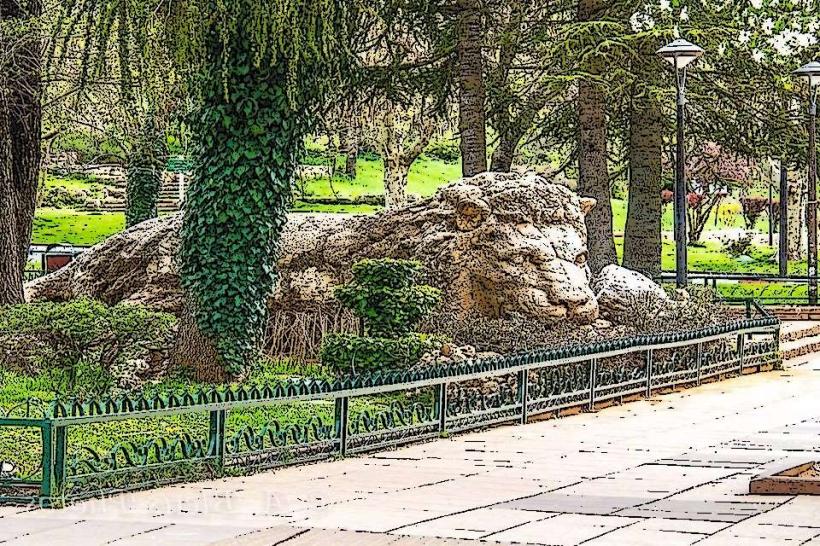
The Lion of Ifrane: A stone sculpture carved by a German soldier during WWII to commemorate the last Atlas lion.
Al Akhawayn University: An American-style campus with distinct Moroccan-Alpine architecture.
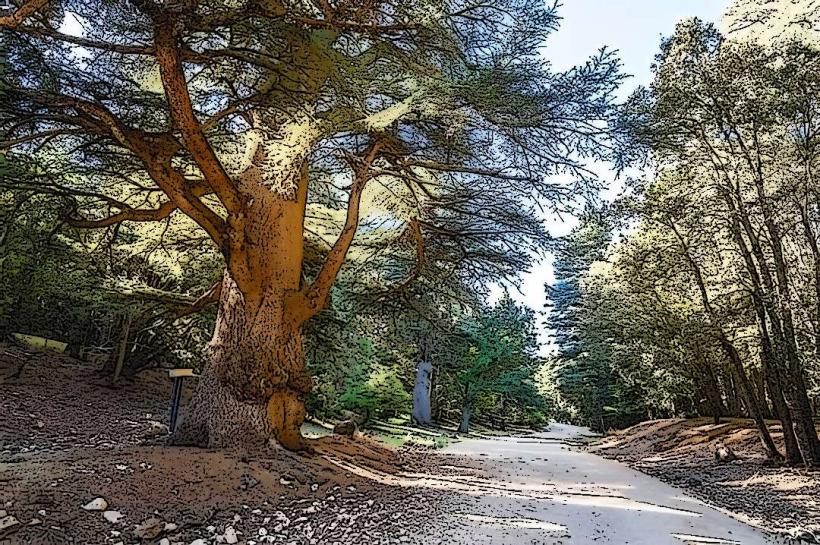
Ifrane National Park: Home to the largest cedar forest in the world.
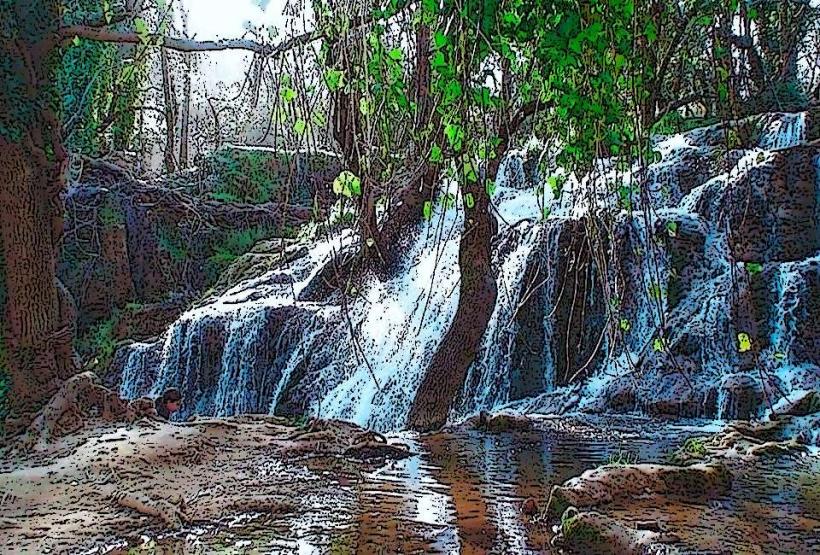
Vittel Spring (Source Vittel): A series of waterfalls and streams within the cedar forest.
The Royal Palace: One of the primary summer residences of the Moroccan monarch.
Transportation Network
Intra-city transit is primarily managed by silver-colored "Petit Taxis" and private vehicles. There are no metro or tram systems. Inter-city transport is facilitated by CTM buses and "Grand Taxis" connecting to Meknes (65 km) and Fes (65 km). Traffic density is low but surges significantly during winter weekends and national holidays.
Safety & "Red Zones"
The general safety level is very high. Crime is statistically negligible. There are no "red zones," though the forests surrounding the town should be navigated with caution due to the presence of Barbary macaques (monkeys) that can be aggressive if fed. Restricted zones include the perimeter of the Royal Palace, which is strictly monitored by the Gendarmerie.
Digital & Financial Infrastructure
The average internet speed is 40–60 Mbps. Main mobile carriers are Maroc Telecom, Orange, and Inwi. Credit card acceptance is high in hotels and modern restaurants but rare in local cafes and the small souk. ATMs are concentrated in the town center near the Lion sculpture.
Climate & Air Quality
Temperatures range from -10°C in winter to 30°C in summer. Ifrane holds the record for the lowest temperature ever recorded in Africa (-23.9°C). Air quality is among the highest in Morocco due to elevation and forest density. Significant weather risks include heavy snowfall and ice-slicked roads from December to March.
Culture & Social Norms
Tipping is standard at 10%. Handshakes are the standard greeting. Unlike most Moroccan cities, Ifrane lacks a traditional medina, resulting in a more Westernized social environment. Dress codes are liberal but require heavy winter gear during the snow season. Alcohol is available in licensed hotel bars.
Accommodation Zones
Town Center: Recommended for walking access to the Lion, parks, and cafes.
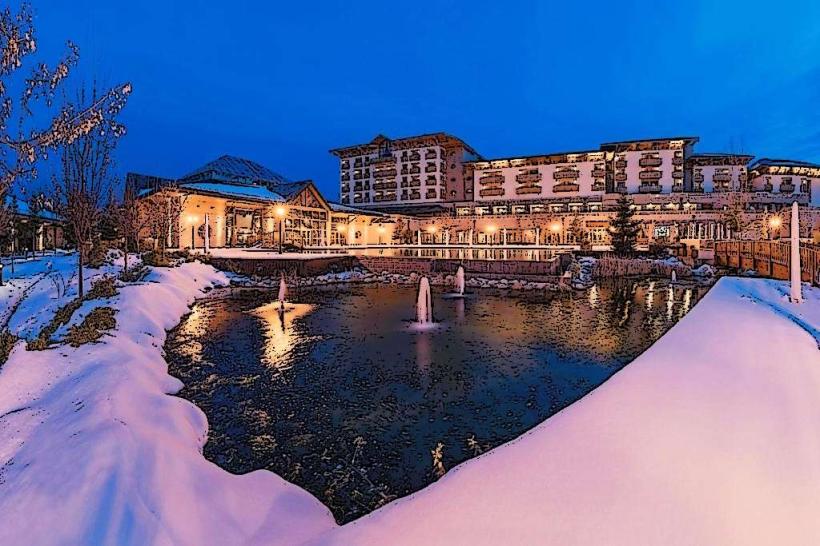
Michlifen: Recommended for luxury mountain resort stays and proximity to skiing areas.
Local Cost Index
1 Espresso: 18 MAD ($1.80 USD)
1 Standard Lunch (Tagine/Sandwich): 85 MAD ($8.50 USD)
1 Petit Taxi Trip: 10 MAD ($1.00 USD)
Nearby Day Trips
Michlifen Ski Station: 17 km
Azrou: 17 km (Known for its weekly Berber market)
Cedar Gouraud Forest: 12 km (Home to the ancient 800-year-old Cèdre Gouraud)
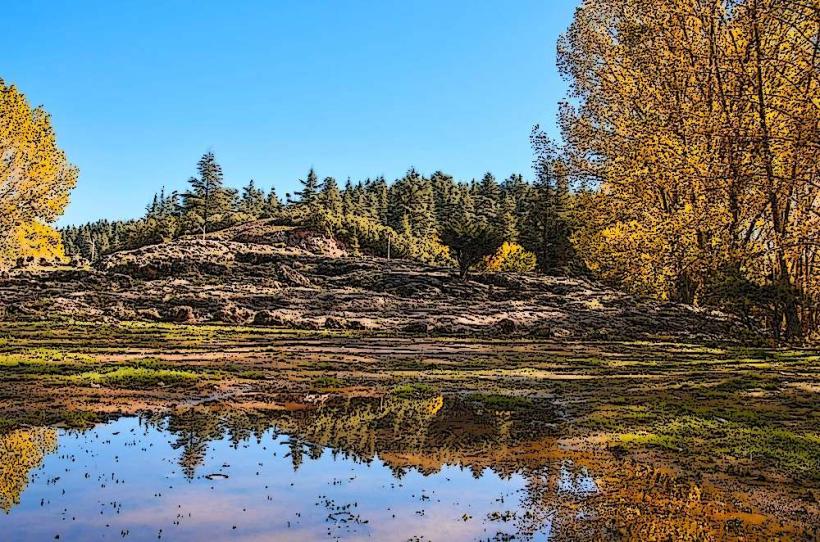
Dayet Aoua: 15 km (Mountain lake)
Facts & Legends
In 2013, Ifrane was ranked as the second cleanest city in the world. A local legend concerns the Barbary macaques; it is said they were originally humans who were transformed into monkeys as punishment for wasting food during a period of abundance. A verified historical oddity is that the city has no slums (bidonvilles), as strict urban planning and the high cost of living have maintained it as an exclusively upscale enclave since its inception.