Information
City: KrakowCountry: Poland
Continent: Europe
Krakow, Poland, Europe
Kraków functions as the primary cultural, academic, and economic hub of Southern Poland and the capital of the Lesser Poland (Małopolska) Voivodeship. Situated on the Vistula River, it serves as a specialized node for global business services (BPO/IT), higher education, and historic preservation. It is defined by its status as the former royal capital of Poland, its intact medieval urban core-a UNESCO World Heritage site-and its evolution into a "Smart City" with strict environmental regulations.
Historical Timeline
Kraków was first mentioned in 965 AD as a commercial center. The primary era of governance occurred between 1038 and 1596, when it served as the capital of the Kingdom of Poland. The primary event shaping its modern identity was the successful avoidance of structural destruction during WWII, followed by the 1949 establishment of the socialist model district, Nowa Huta. Historically, the city has transitioned from a royal seat to a 19th-century intellectual refuge under Austrian rule, and finally to a premier European tech hub.
Demographics & Population
The population is approximately 810,600 in the city proper and 1.1 million in the metropolitan area (2026 estimate). The demographic profile is characterized by an exceptionally high student-to-resident ratio, with over 200,000 students attending 24 institutions. The workforce is highly specialized in IT, finance, and research & development, hosting over 260 international business service centers.
Urban Layout & Key Districts
The city is organized around the Old Town and a series of historical satellites.
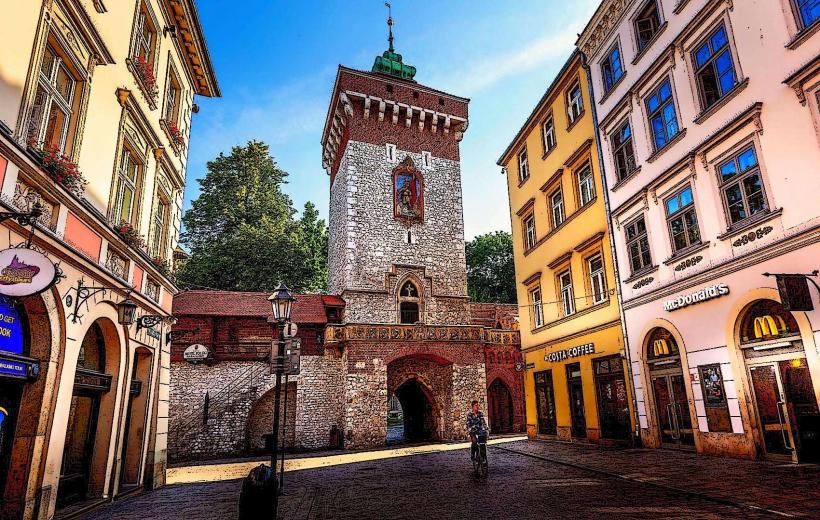
Stare Miasto (Old Town): The specialized historic core, encircled by the Planty park (the site of former city walls) and centered on the Main Market Square.
Kazimierz: A specialized district south of the center; formerly an independent city, it remains the center of Jewish heritage and the city’s primary bohemian nightlife zone.
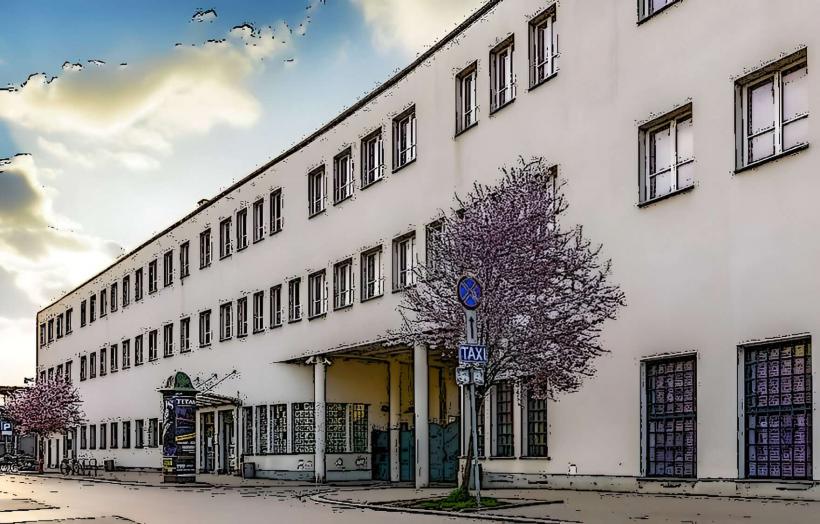
Podgórze: A specialized district on the south bank of the Vistula; a former industrial town now known for the Oskar Schindler Factory and the WWII Ghetto site.
Nowa Huta: A specialized eastern district designed as a "Utopian" socialist city, characterized by monumental Realist architecture and wide boulevards.
Top City Landmarks
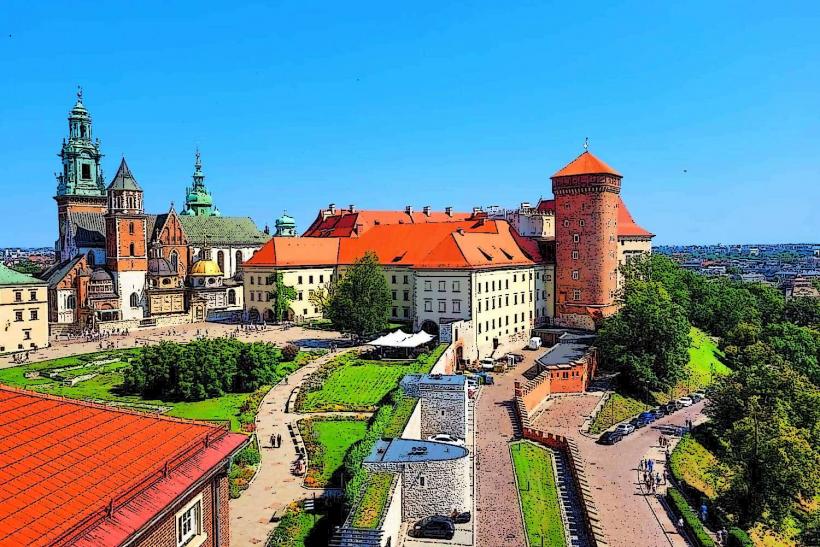
Wawel Royal Castle & Cathedral: A specialized architectural complex atop a limestone hill; it served as the residence and burial site of Polish kings for centuries.
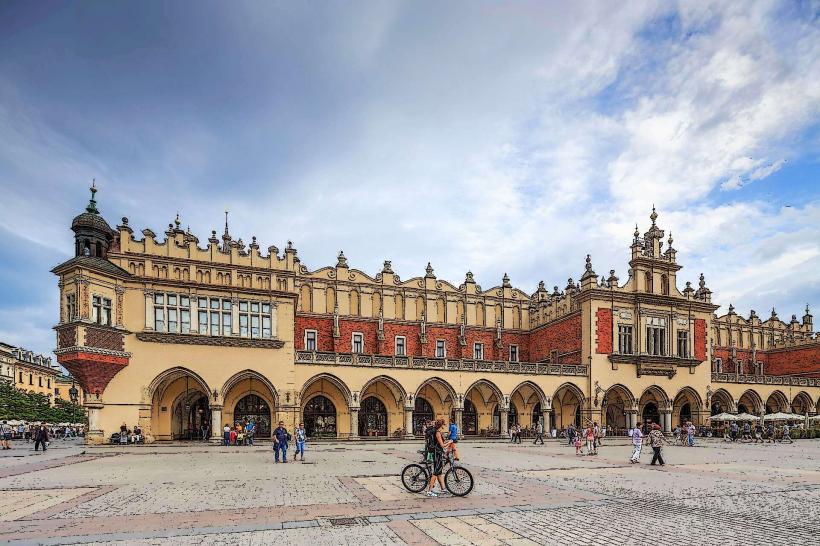
Main Market Square (Rynek Główny): One of the largest medieval squares in Europe ($40,000\text{ m}^2$), containing the Cloth Hall (Sukiennice) and the Town Hall Tower.
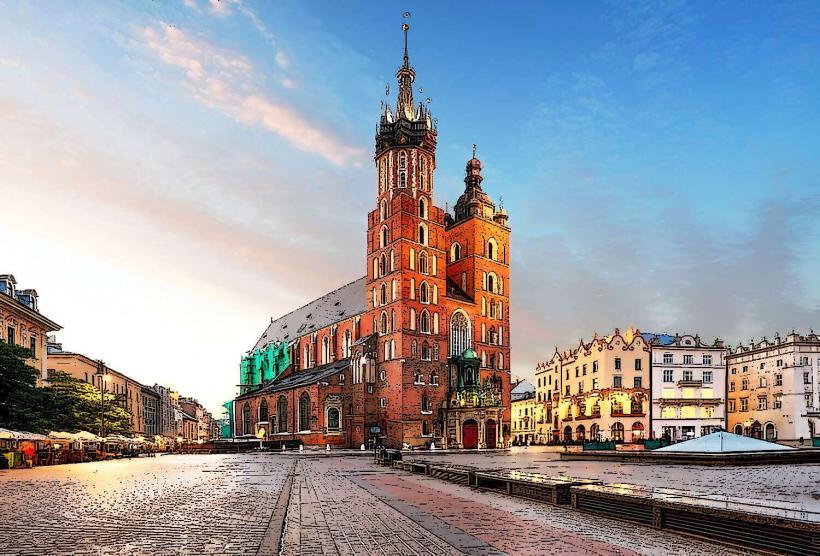
St. Mary’s Basilica: A specialized Gothic church featuring a world-renowned wooden altar by Veit Stoss and the hourly Hejnał Mariacki (trumpet call).
Collegium Maius: The oldest specialized building of the Jagiellonian University (14th century), featuring a Late Gothic arcaded courtyard.
Oskar Schindler’s Enamel Factory: A specialized museum in Podgórze documenting the Nazi occupation and the history of the city's Jewish population.
Krakus Mound: A specialized prehistoric tumulus offering a structural panorama of the city and the Vistula valley.
Transportation Network
Kraków is a primary node in the pan-European transport corridors.
John Paul II International Airport (KRK): The second busiest airport in Poland, located 11km west of the center.
Clean Transport Zone (SCT): Starting January 1, 2026, a specialized Low Emission Zone covers approximately 60% of the city. Entry for older gasoline (pre-2005) and diesel (pre-2014) vehicles is restricted or subject to daily fees (2.50–5.00 PLN).
Public Transit: A specialized integrated network of trams and buses. In 2026, the city operates an expanded high-speed tram line to the northern districts and utilizes the mKraków digital fare system.
Railway Hub: Kraków Główny serves as a high-speed rail link to Warsaw (approx. 2.5 hours) and international destinations like Prague and Vienna.
Safety & "Red Zones"
The general safety level is high. Kraków is statistically one of the safest large cities in Poland. There are no "red zones." Standard urban awareness is recommended in Nowa Huta and near the railway station after midnight.
Digital & Financial Infrastructure
The city is a leader in Business Process Outsourcing (BPO) and FinTech. Internet speeds average 600–1000 Mbps. 5G is universal. In 2026, the city utilizes a specialized "SCT System" for automated license plate recognition and digital tax-exemption verification for residents.
Climate & Air Quality
Kraków has a temperate continental climate. Average temperatures range from -2°C in January to 25°C in July. Air quality has improved significantly due to a 2019 ban on coal heating, though the city basin remains susceptible to winter smog during atmospheric inversions.
Culture & Social Norms
Social norms are characterized by a blend of academic formality and vibrant youth culture. Tipping (10-15%) is standard in restaurants. The primary cultural event is the Jewish Culture Festival (June) and the Live Music Festival.
Local Cost Index (2026 Estimates)
1 Espresso: 12–16 PLN
1 Pint of Local Beer: 15–22 PLN
1 Standard Lunch: 45–70 PLN
Obwarzanek (Local Bagel): 3.50 PLN
Nearby Day Trips
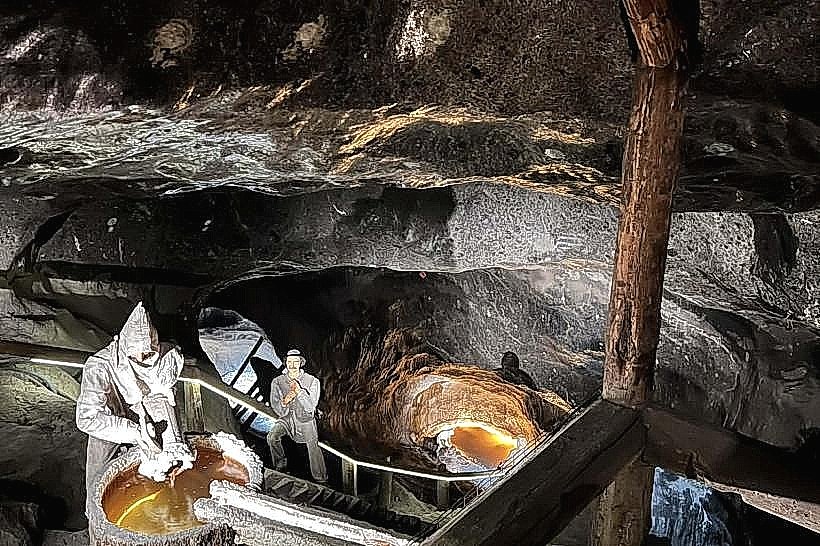
Wieliczka Salt Mine: 20 mins away; a specialized UNESCO site featuring underground cathedrals carved entirely from salt.
Auschwitz-Birkenau: 1 hour 15 mins away; a specialized memorial and museum on the site of the former Nazi concentration camp.
Ojców National Park: 30 mins away; a specialized karst landscape featuring the "Pieskowa Skała" castle and the "Hercules' Club" rock formation.
Facts & Legends
Kraków is the site of the world's first UNESCO World Heritage entry (1978). Legend states that a shoemaker defeated the Wawel Dragon by feeding it a sulfur-stuffed sheep, causing the beast to drink the Vistula until it exploded. A verified fact is that the Hejnał Mariacki trumpet call stops abruptly to honor a 13th-century trumpeter shot in the throat while warning of a Mongol invasion. Historically, the city was the residence of Pope John Paul II before his papacy.