Information
Country: PolandContinent: Europe
Poland, Europe
Poland is located in Central Europe, sharing land borders with Germany to the west, the Czech Republic and Slovakia to the south, Ukraine and Belarus to the east, and Lithuania and the Russian exclave of Kaliningrad to the northeast. The country's geography is defined by the North European Plain and its extensive Baltic Sea coastline to the north; the capital city is Warsaw.
Visa & Entry Policy
Poland is a member of the Schengen Area. Citizens of the US, UK, and EU do not require a visa for stays up to 90 days within a 180-day period. Starting in 2026, non-EU visa-exempt travelers must obtain an ETIAS (European Travel Information and Authorisation System) prior to arrival. Passports must be valid for at least three months beyond the intended departure date.
Language & Communication
The official language is Polish. English proficiency is high among the urban population and younger generations but decreases significantly in rural areas and among older residents. Major regional dialects include Greater Polish (Wielkopolska), Lesser Polish (Małopolska), and Mazovian; Kashubian is recognized as a regional language in the north.
Currency & Payment Systems
The currency is the Polish Złoty (PLN). Poland is a highly digitized economy; contactless "tap-to-pay" and the domestic BLIK mobile payment system are universal in urban centers. Cash is still utilized in smaller towns and traditional "Kantor" exchange offices are preferred for physical currency swaps. ATMs are widely available across all provinces.
National Transport Grid
Intercity travel is facilitated by PKP Intercity, featuring high-speed Pendolino trains on the Warsaw–Kraków and Warsaw–Gdańsk routes. Regional rail is handled by Polregio and local operators. Extensive long-distance bus networks are operated by FlixBus and Polonus. LOT Polish Airlines provides domestic flight connections between major regional hubs.
Digital Infrastructure
Primary mobile network providers are Orange, T-Mobile, Play, and Plus. 5G coverage is widespread in all major cities and is expanding rapidly into mid-sized towns. 4G reliability is high nationwide, though signal strength may be limited in the dense Białowieża Forest or the Bieszczady Mountains.
Climate & Seasonality
The climate is moderate continental with maritime influences. Summers (June–August) are warm with frequent thunderstorms, while winters (December–March) are cold and snowy. The transition seasons of spring and "Golden Polish Autumn" (September–October) are typically dry and sunny.
Health & Safety
No mandatory vaccinations are required for entry. Tick-borne encephalitis is a risk in forested areas, particularly in the northeast. The universal emergency number for Police, Ambulance, and Fire is 112. Specific emergency lines include 997 (Police), 998 (Fire), and 999 (Ambulance).
Top 3 Major Regions & Cities
Masovian & Central Poland: Primary hub is Warsaw.
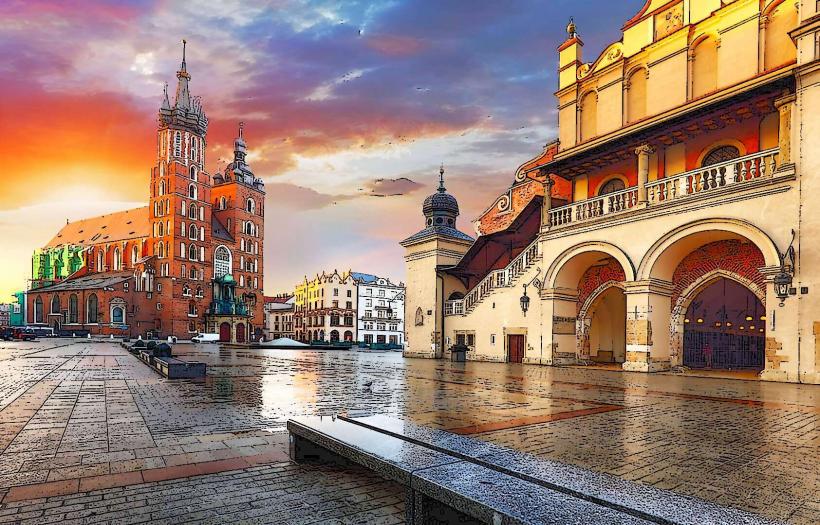
Lesser Poland (Małopolska): Primary hub is Kraków.
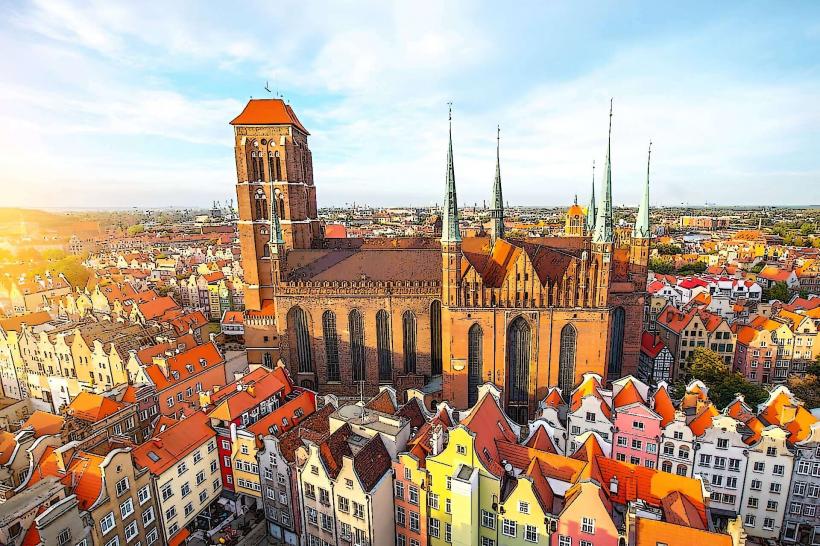
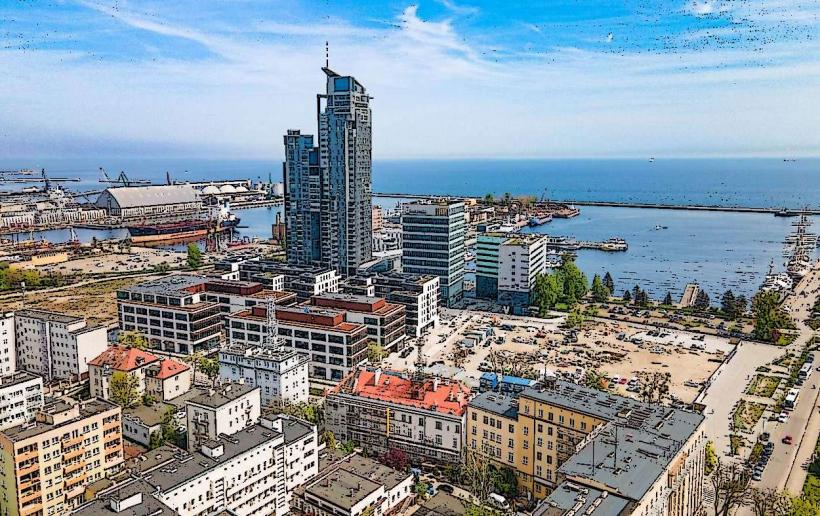
Pomerania & The Baltic Coast: Primary hub is Gdańsk.
Local Cost Index
1L Water: 2.50 PLN ($0.65 USD)
1 Domestic Beer: 14.00 PLN ($3.50 USD)
1 Sim Card (Data Plan): 35.00 PLN ($8.75 USD)
Facts & Legends
According to the founding legend of the Polish state, the leader Lech established the first capital at Gniezno after observing a white eagle nesting against a red sunset, which remains the national emblem. In the 16th century, the "Wawel Dragon" allegedly terrorized Kraków until a shoemaker tricked it into eating a sulfur-filled lamb, causing the beast to drink from the Vistula River until it exploded.