Information
City: WarsawCountry: Poland
Continent: Europe
Warsaw, Poland, Europe
Warsaw is the capital and largest city of Poland, serving as the country's primary political, economic, and cultural center. It is located in east-central Poland on the Vistula River, situated approximately 350 km from the Baltic Sea and 390 km from the Carpathian Mountains.
Historical Timeline
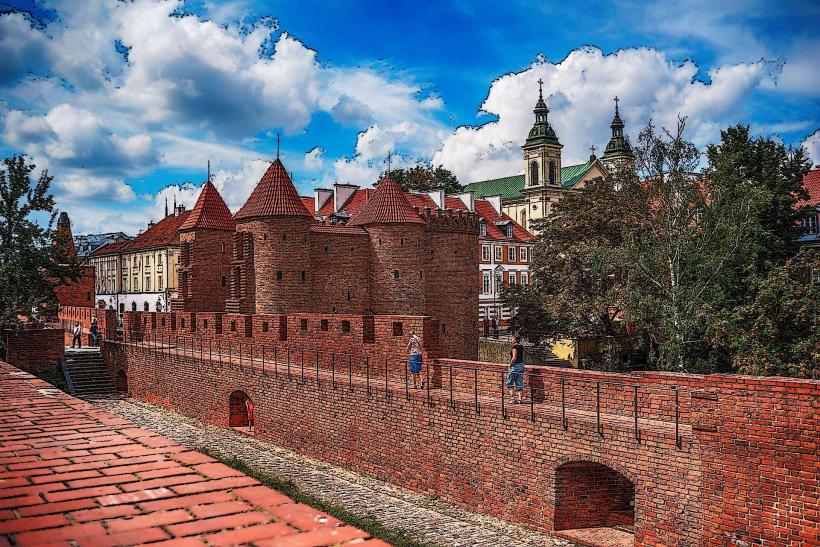
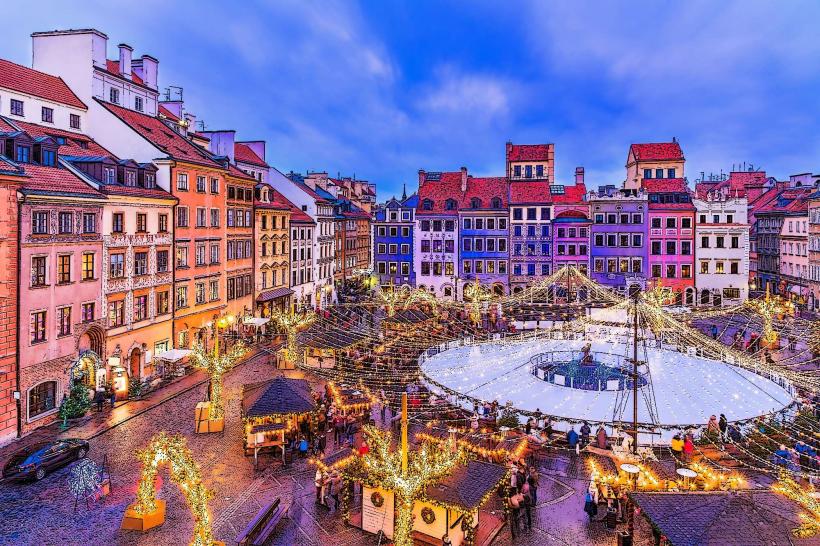
Warsaw was founded in the late 13th century and became the capital of the Polish-Lithuanian Commonwealth in 1596. It was governed by the Kingdom of Prussia, the Russian Empire, and later served as the capital of the Second Polish Republic. The most significant political and architectural reconstruction occurred after 1944, following the deliberate destruction of 85% of the city by German forces after the Warsaw Uprising. The primary event shaping the current urban form was the post-war Socialist Realist reconstruction and the meticulous restoration of the Old Town, which is now a UNESCO World Heritage site.
Demographics & Population
The city of Warsaw has an official population of approximately 1.86 million residents, while the metropolitan area contains roughly 3.1 million people. The top three national demographics are Polish (over 90%), Ukrainian, and Belarusian. The median age of the population is 41.5 years.
Urban Layout & Key Districts
The city is divided by the Vistula River into the left bank (historic and commercial center) and the right bank (Praga). Śródmieście (City Center) is the primary district for visitors, containing the business hub and historic sites. Stare Miasto (Old Town) is located directly north of the center. Wola, located to the west, serves as the modern financial district.
Top City Landmarks
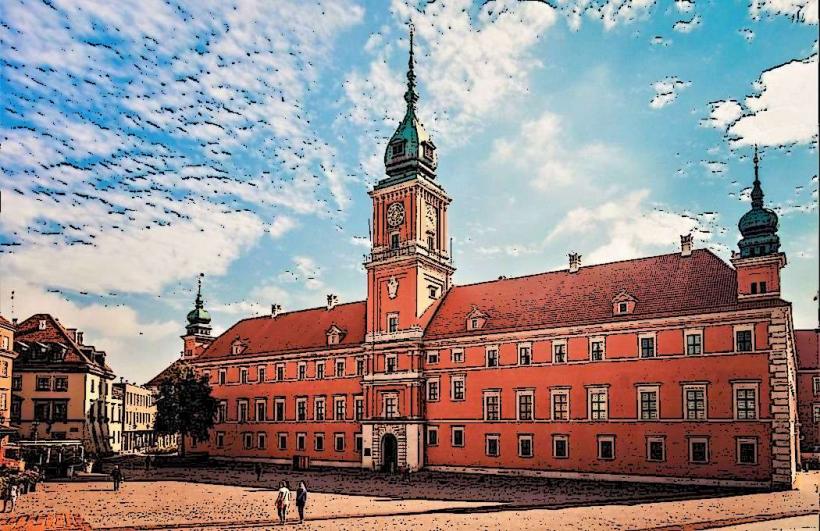
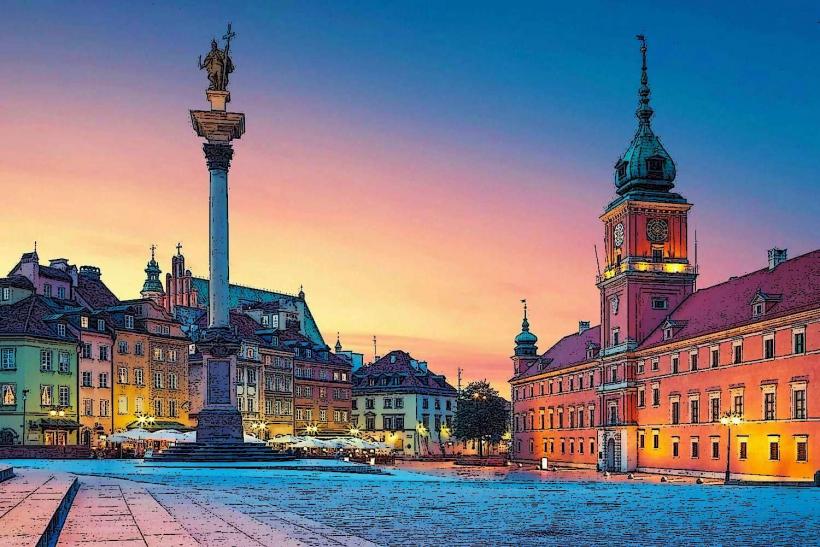
Royal Castle (Zamek Królewski)
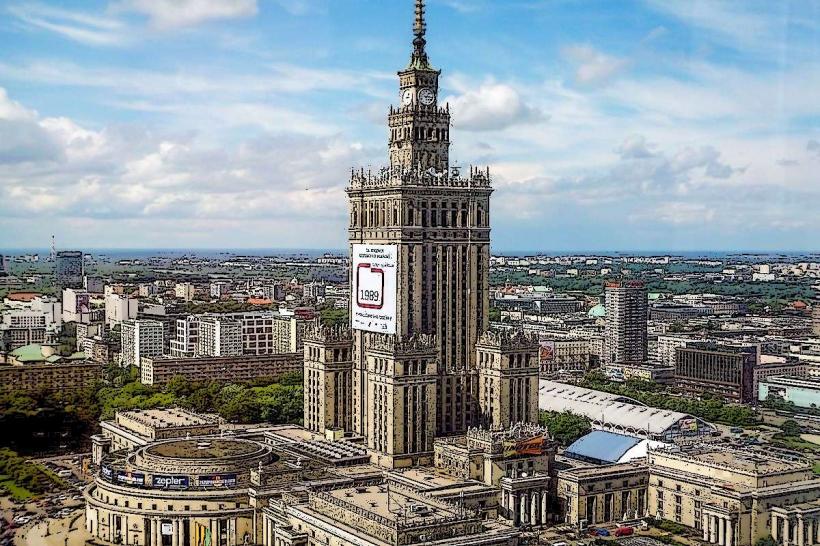
Palace of Culture and Science (Pałac Kultury i Nauki)
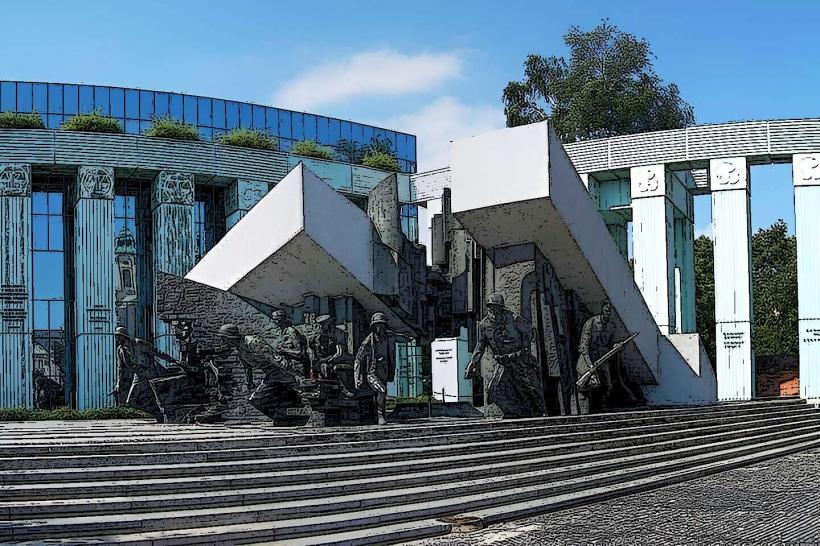
Warsaw Uprising Museum
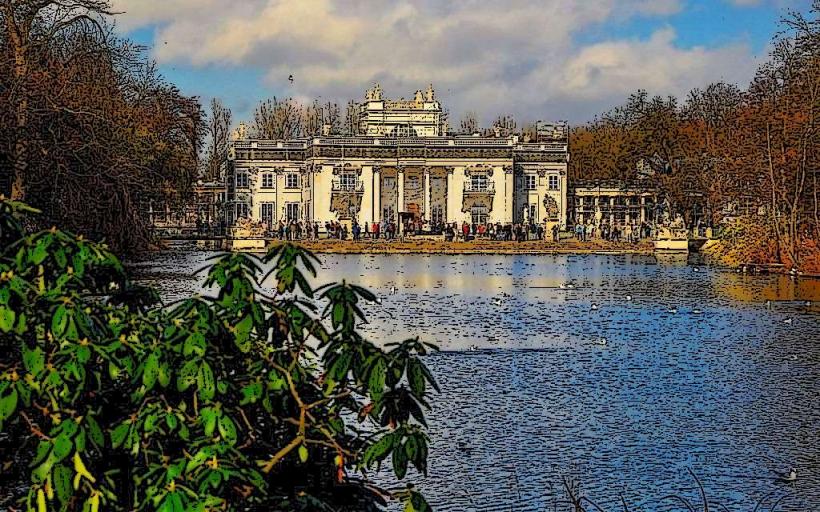
Łazienki Park and Palace on the Isle
Transportation Network
Warsaw features a highly integrated network of 2 Metro lines (M1, M2), extensive Tram systems, and buses. Reliability is high. Uber, Bolt, and FreeNow are the dominant ride-sharing apps. Official taxis are marked with a yellow-red stripe, the city’s coat of arms, and a "Taxi" sign with a side number. Traffic density is high, particularly on the bridges crossing the Vistula and the Jerozolimskie Alleys during peak hours.
Safety & "Red Zones"
The general safety level is very high. Visitors should exercise standard caution in parts of Praga Północ (North Praga) at night, specifically around Brzeska and Stalowa streets. Common scams include overcharging in "strip clubs" located around the City Center and occasional "fake police" incidents targeting tourists in transit hubs.
Digital & Financial Infrastructure
Average internet speed is 200-300 Mbps with widespread 5G coverage. Main mobile carriers are Orange, Play, Plus, and T-Mobile. Card acceptance is nearly universal, including for small transactions at kiosks. ATMs are abundant in all districts.
Climate & Air Quality
Temperatures range from -5°C to 1°C in January and 14°C to 25°C in July. Air quality is a recurring issue in winter ("Smog season" from November to March) due to coal heating in surrounding municipalities. High-pressure systems in summer can also lead to localized ozone spikes.
Culture & Social Norms
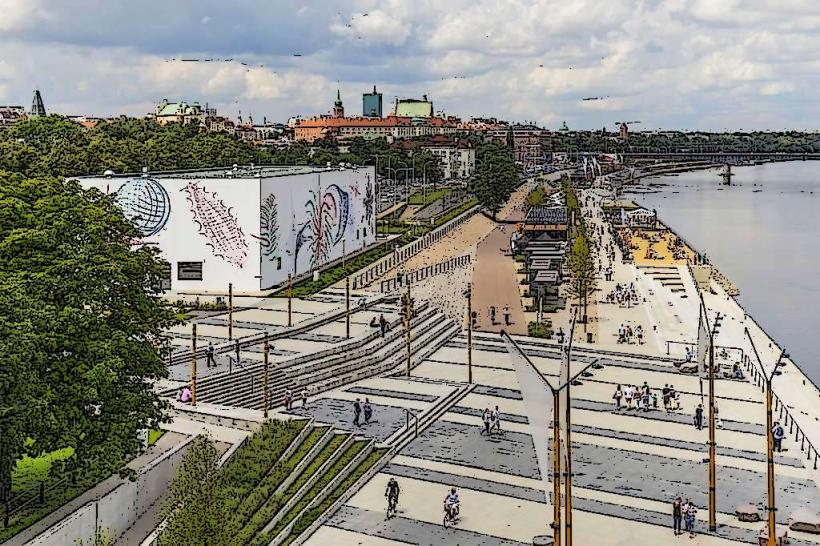
Tipping is expected at 10-15% for table service. Handshakes are the standard greeting; it is considered impolite to greet someone across a threshold. Dress code is generally modern-European; formal attire is expected in theaters and high-end restaurants. Alcohol consumption is strictly prohibited in public outdoor spaces, except for designated areas on the Vistula Boulevards.
Accommodation Zones
Stay in Śródmieście for walking access to major landmarks, museums, and central transit links. Stay in Muranów or Powiśle for a quieter, residential atmosphere with proximity to green spaces and the river.
Local Cost Index
1 Espresso: 12.00 PLN ($3.00)
1 Standard Lunch: 45.00 PLN ($11.25)
1 Metro/Bus Ticket (20 min): 3.40 PLN ($0.85)
Nearby Day Trips
Żelazowa Wola (Chopin’s birthplace): 54 km
Kampinos National Park: 20 km
Kazimierz Dolny (Renaissance town): 150 km
Treblinka Memorial Site: 100 km
Facts & Legends
The official symbol of Warsaw is the Mermaid (Syrenka), who, according to legend, was caught in a fisherman's net and vowed to protect the city after being released. A unique historical oddity is the "Keret House," located in the Wola district; it is recognized as the narrowest house in the world, measuring only 122 centimeters at its widest point.