Information
City: WroclawCountry: Poland
Continent: Europe
Wroclaw, Poland, Europe
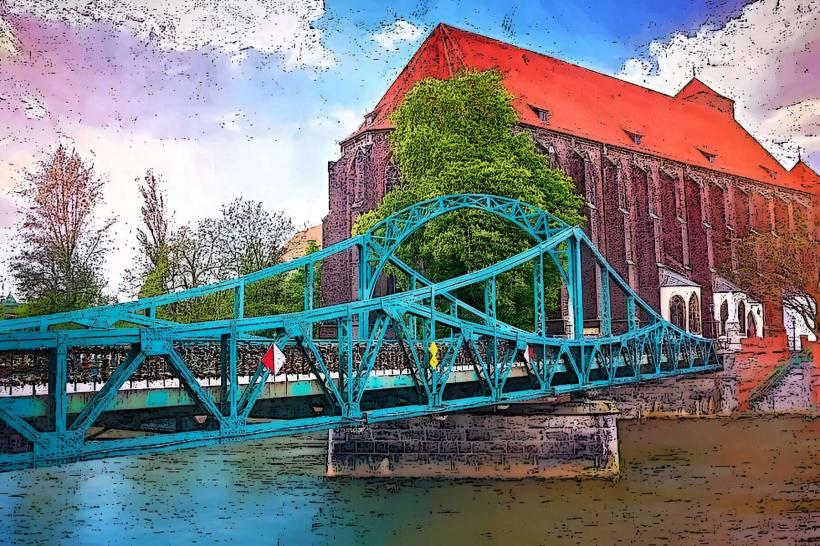
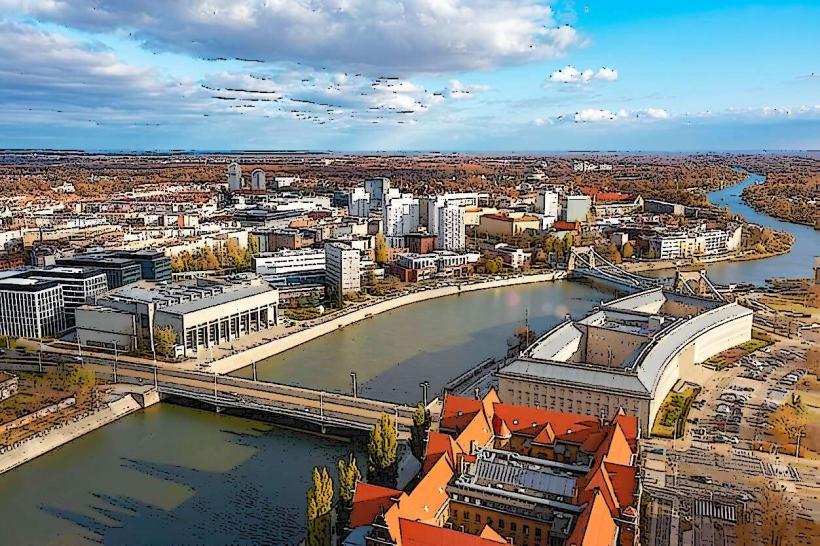
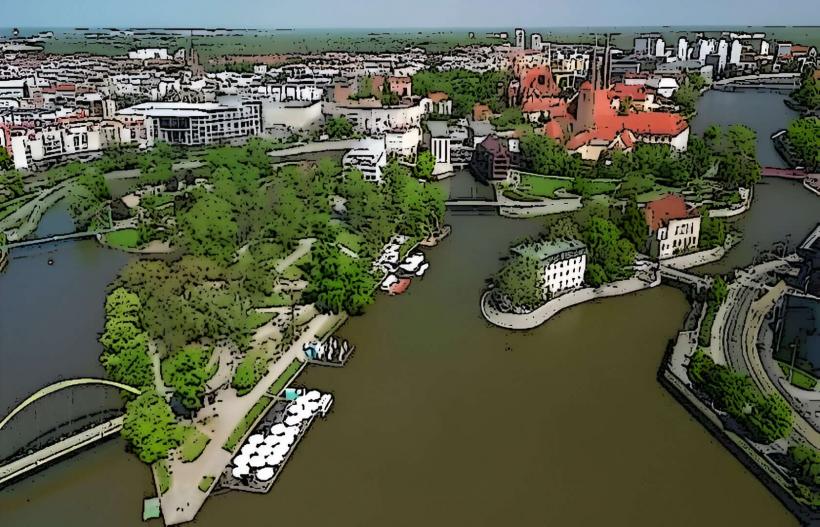
Wrocław functions as the administrative, economic, and academic capital of the Lower Silesian (Dolnośląskie) Voivodeship. Situated on the Odra River and its four tributaries, it serves as a specialized node for e-commerce logistics, automotive engineering, and semiconductor research. It is defined by its unique geography of 12 islands and over 100 bridges, its history as a major German city (Breslau), and its contemporary status as a premier European startup hub.
Historical Timeline
Wrocław was established in the 10th century. The primary era of governance shifted between Poland, Bohemia, Austria, and Prussia. The primary event shaping its modern identity was the 1945 "Festung Breslau" siege, which resulted in 70% structural destruction, followed by the complete "re-Polonization" of the city. Historically, the city’s inclusion in the Hanseatic League and its role as a regional Prussian capital established its large-scale urban layout.
Demographics & Population
The population is approximately 675,000 in the city proper and over 1.2 million in the metropolitan area (2026 estimate). The demographic profile is exceptionally young, driven by 130,000 students attending 28 universities. The workforce is highly specialized in high-tech manufacturing (LG Energy Solution, Intel) and logistics (Amazon, DHL).
Urban Layout & Key Districts
The city is organized around the Odra River archipelago and a medieval core.
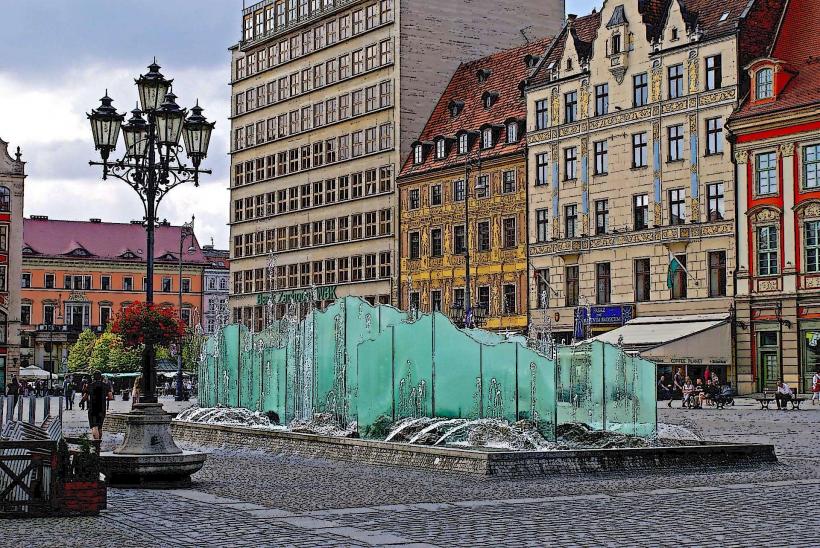
Stare Miasto (Old Town): The specialized historic core featuring one of Europe's largest market squares.
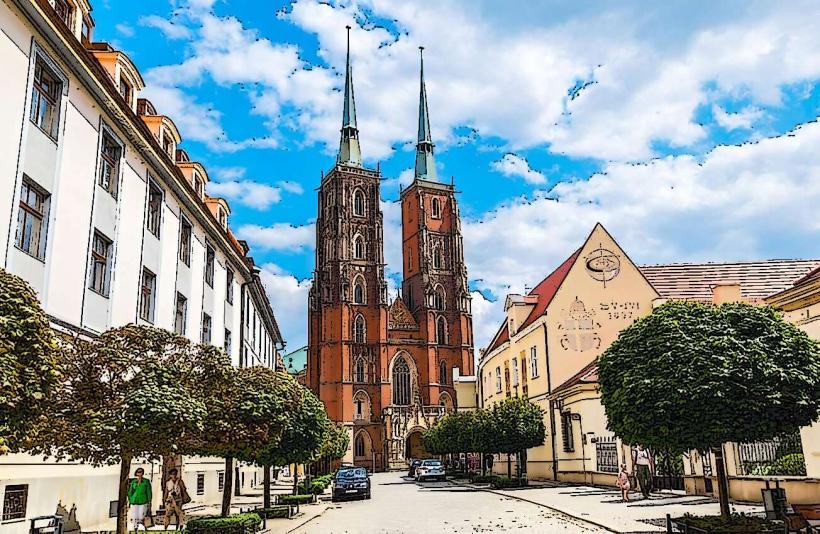
Ostrów Tumski (Cathedral Island): The specialized oldest part of the city, an ecclesiastical enclave former island.
Nadodrze: A specialized district known for its preserved 19th-century tenement houses and artisanal workshops.
Krzyki: A specialized southern residential and business district, housing the "Sky Tower," the city's tallest building.
Top City Landmarks
Main Market Square (Rynek): A specialized architectural ensemble featuring the Old Town Hall, a masterpiece of Gothic-Renaissance civic architecture.
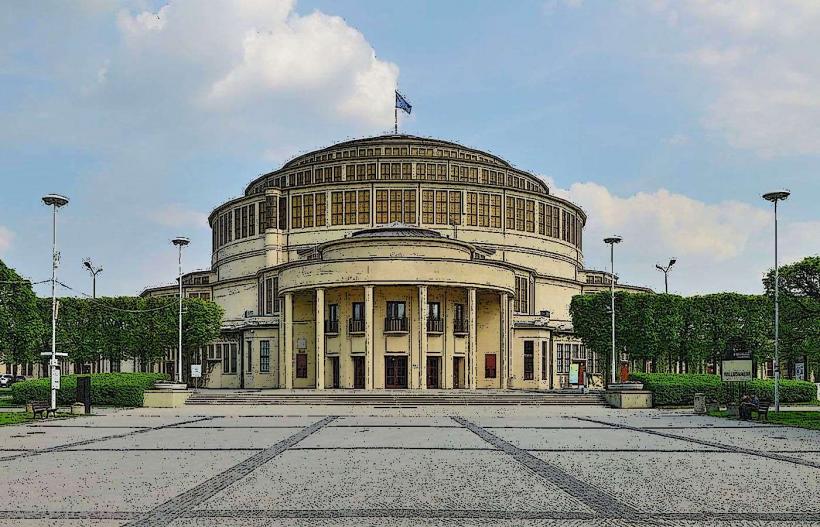
Centennial Hall (Hala Stulecia): A specialized UNESCO-listed reinforced concrete dome designed by Max Berg in 1913; a landmark of early modern engineering.
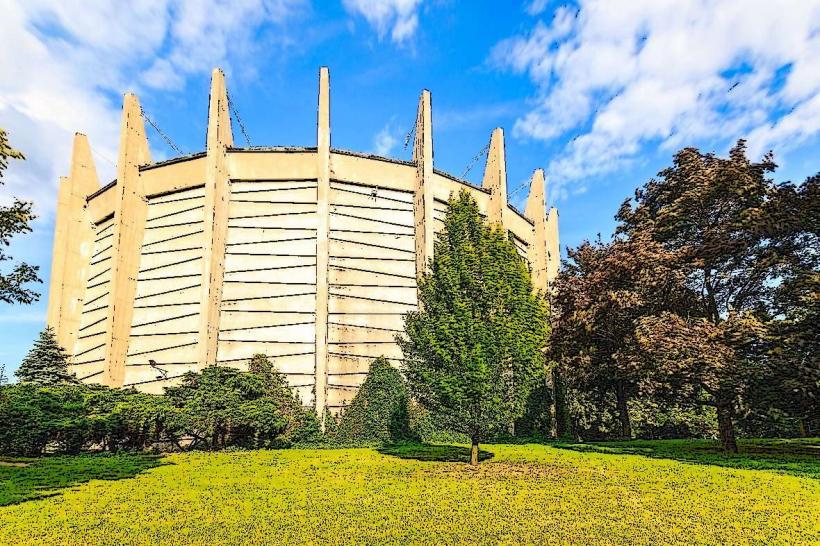
Panorama of the Battle of Racławice: A specialized cycloramic painting (115m x 15m) housed in a dedicated rotunda, depicting the 1794 Polish uprising.
Wrocław Dwarves: A specialized "urban game" consisting of over 600 small bronze statues hidden throughout the city, originating from the "Orange Alternative" anti-communist movement.
Hydropolis: A specialized science center dedicated entirely to water, located in a restored 19th-century underground clean water tank.
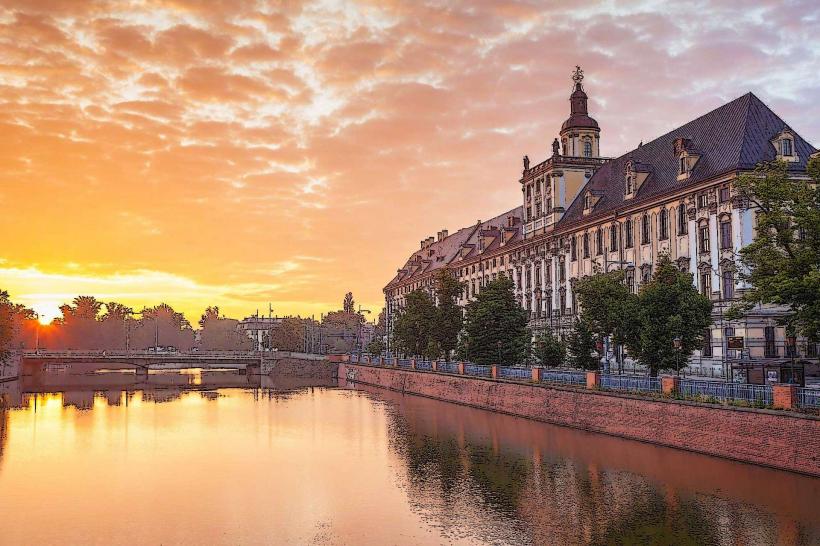
The University of Wrocław (Aula Leopoldina): A specialized Baroque ceremonial hall featuring illusionist frescoes and ornate woodcarvings.
Transportation Network
Wrocław is a primary transit hub for the Central European A4 corridor.
Wrocław Copernicus Airport (WRO): A major international gateway; in 2026, it serves as a specialized link for investors in the Lower Silesian technology cluster.
Wrocław Główny Station: A specialized 19th-century palace-style station and the busiest rail hub in Poland by passenger count.
Tram Network: One of the most extensive specialized systems in Poland. In 2026, the "TRAM-UP" digital platform coordinates traffic priority for electric streetcars.
River Navigation: A specialized system of locks and channels supporting both cargo and seasonal tourist transport.
Safety & "Red Zones"
The general safety level is very high. Wrocław is statistically secure. There are no "red zones." The city center is active 24/7. Standard urban awareness is recommended in parts of the "Triangle" (Trójkąt) area in the Przedmieście Oławskie district.
Digital & Financial Infrastructure
The city is a leader in Semiconductor Design and AI-driven Logistics. Internet speeds average 600–1000 Mbps. 5G is universal. In 2026, the city utilizes a specialized "Digital Twin" model for flood prevention and urban heat island management.
Climate & Air Quality
Wrocław has a temperate continental climate and is statistically the warmest city in Poland. Average temperatures range from 0°C in January to 26°C in July. Air quality is monitored via specialized sensors; while improved, winter months can see moderate smog due to regional coal use.
Culture & Social Norms
Social norms are characterized by openness and a "Meeting Place" (Miasto Spotkań) ethos. Tipping (10-15%) is standard. The primary cultural event is the Wratislavia Cantans festival and the American Film Festival.
Local Cost Index (2026 Estimates)
1 Espresso: 12–16 PLN
1 Pint of Local Beer: 16–22 PLN
1 Standard Lunch: 45–70 PLN
Public Transit Ticket (30 min): 4.50 PLN
Nearby Day Trips
Książ Castle: 1 hour away; a specialized massive castle complex with a mysterious network of underground tunnels built during WWII.
The Church of Peace in Świdnica: 50 mins away; a specialized UNESCO site and the largest timber-framed religious building in Europe.
Śnieżka Mountain: 2 hours away; the highest peak of the Karkonosze range on the Czech border.
Facts & Legends
Wrocław is the site where the first modern reinforced concrete dome (Centennial Hall) was constructed. Legend states that the "Bell-caster of Wrocław" killed his apprentice in a rage, only to find the apprentice had successfully cast the perfect bell for Mary Magdalene Church. A verified fact is that the city features over 100 bridges, earning it the nickname "Venice of the North." Historically, the city was the first in Poland to implement a city-wide pneumatic mail system in the 19th century.