Information
Landmark: Botanical Garden of Wrocław UniversityCity: Wroclaw
Country: Poland
Continent: Europe
Botanical Garden of Wrocław University, Wroclaw, Poland, Europe
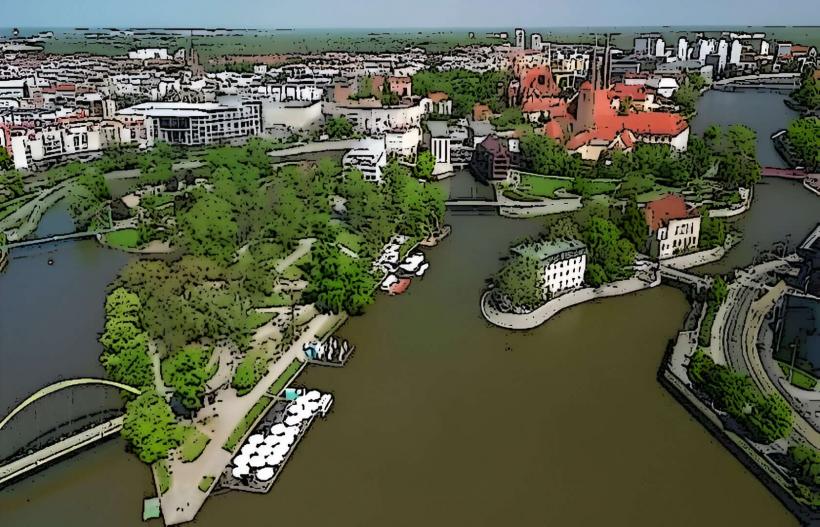
The Botanical Garden of Wroclaw-university_wroclaw" class="underline">Wrocław University is a 7.4-hectare scientific and educational park located in the Ostrów Tumski district of Wrocław. Founded in 1811, it is the second oldest botanical garden in Poland and is recognized as a historic monument of Lower Silesia.
Visual Characteristics
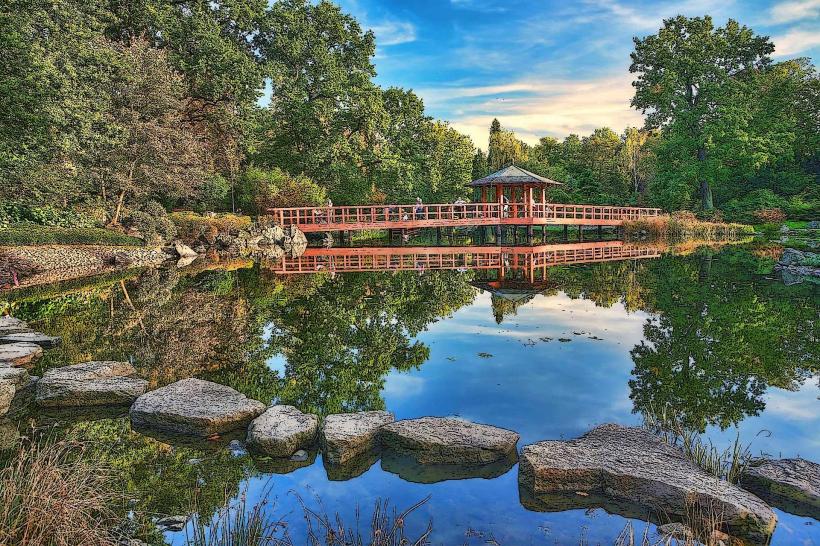
The garden features a diverse landscape including a central pond with aquatic vegetation, a limestone alpine garden (alpinarium), and several large glasshouse complexes. It contains over 11,500 species and varieties of plants. Architectural elements include a 19th-century geological section with a stone profile of the Wałbrzych coal basin and multiple bronze sculptures of historical scientists.
Location & Access Logistics
The garden is situated at ul. Sienkiewicza 23, approximately 2km northeast of the Market Square. Access is provided via tram lines 2, 9, 10, and 17 (Katedra or Ogród Botaniczny stops). While the surrounding streets are pedestrian-friendly, limited paid street parking is available on ul. Sienkiewicza and ul. Kanonicza. The main entrance is located directly north of the Wrocław Cathedral.
Historical & Ecological Origin
The garden was established on the site of a drained branch of the Oder River and former city fortifications following the order of King Frederick William III. It was initially designed by botanists Heinrich Friedrich Link and Franz Heyne to serve the university's medical and natural science departments. In 1945, the site suffered 50% destruction during the Siege of Breslau and was subsequently restored in the late 1940s.
Key Highlights & Activities
Visitors can walk the specialized educational paths through the arboretum and systemic departments. The glasshouses contain tropical, subtropical, and succulent collections, including a significant collection of ivy (Hedera). The pond area features wooden bridges and benches suitable for observation of waterfowl and aquatic flora.
Infrastructure & Amenities
Public restrooms are located near the main entrance and the administrative building. The garden provides numerous shaded benches and designated picnic areas. 5G cellular signal is stable throughout the grounds. A small café and seasonal plant sales stand are located within the garden perimeter, with additional dining options available in Ostrów Tumski.
Best Time to Visit
The peak flowering season occurs from late April to June, specifically for the rhododendron and azalea collections. Photography is optimal in the early morning or late afternoon when light reflects off the central pond. The garden is open to the public from April to October; it remains closed during the winter months, except for special light festival events.
Facts & Legends
The garden’s geological section contains a unique 19th-century "model" of coal seams, built using actual fossilized tree trunks and mineral samples brought from the Silesian mines. A local historical oddity is that the garden was founded on the site of the former city moat, which accounts for the high moisture levels and specific microclimate that supports its rare fern collections.
Nearby Landmarks
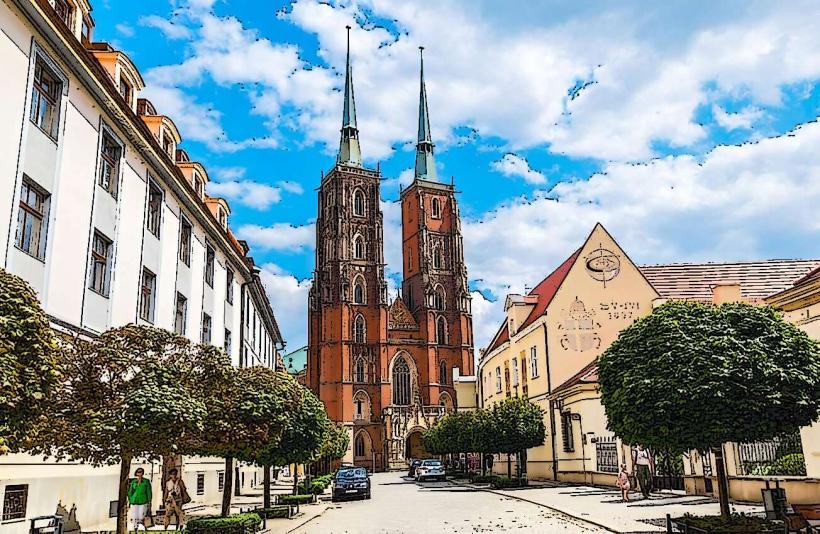
Wrocław Cathedral: 0.1km South
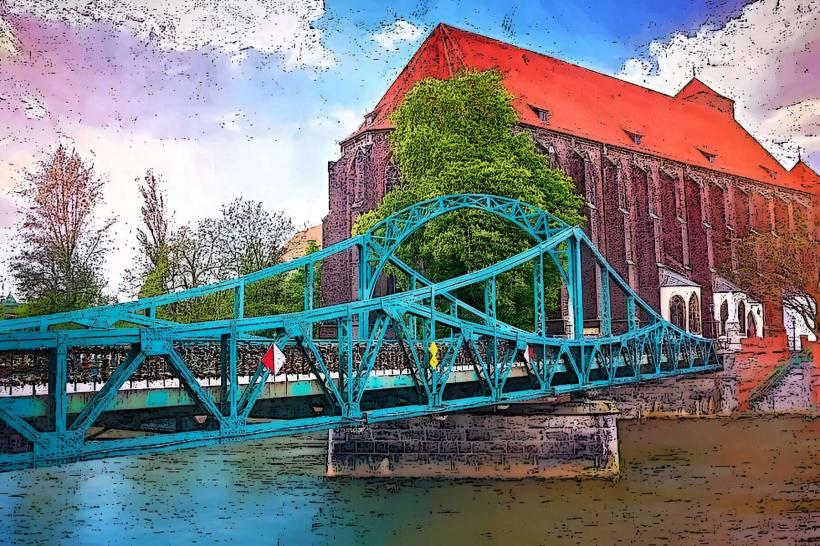
Tumski Bridge: 0.4km Southwest
Archdiocesan Museum: 0.2km South
National Museum in Wrocław: 0.7km South
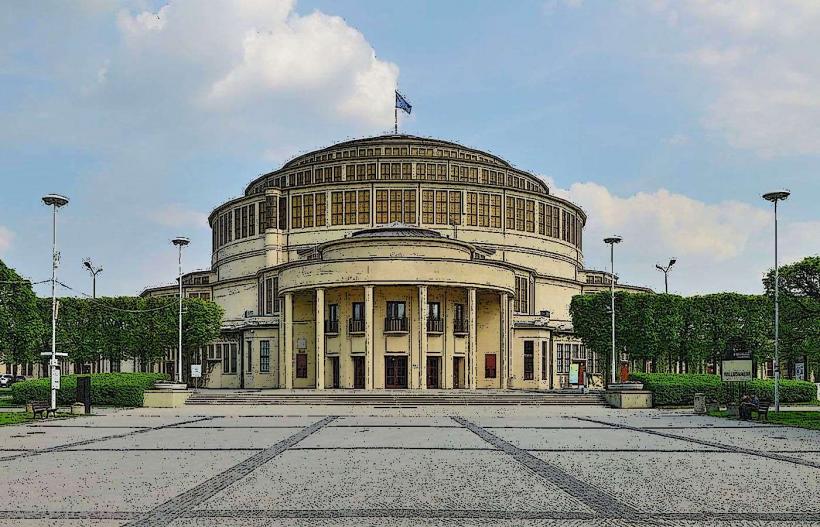
Centennial Hall: 2.5km East