Information
City: GdyniaCountry: Poland
Continent: Europe
Gdynia, Poland, Europe
Gdynia functions as a primary maritime hub, naval base, and economic center of the Tricity (Trójmiasto) metropolitan area. Situated on the Gdańsk Bay, it serves as a specialized node for modernist architecture, port logistics, and the Polish film industry. It is defined by its rapid construction in the 1920s as Poland's "Window to the World," its functionalist urban planning, and its status as one of the youngest and most dynamic cities in the country.
Historical Timeline
Gdynia transitioned from a small fishing village to a major city in less than a decade. The primary era of development began in 1921 following the decision to build a Polish seaport independent of the Free City of Danzig. The primary event shaping its modern identity was the 1970 worker protests at the Paris Commune Shipyard. Historically, it was the departure point for the Great Polish Emigration, managed via the specialized Emigration Museum located in the former Transit Station.
Demographics & Population
The population is approximately 242,000 (2026 estimate). The demographic profile is characterized by high levels of social satisfaction and a workforce specialized in maritime engineering, seafaring, and digital technologies. Gdynia consistently ranks among the highest in Poland for "quality of life" metrics.
Urban Layout & Key Districts
The city is organized along the coastline with a grid-based central core.
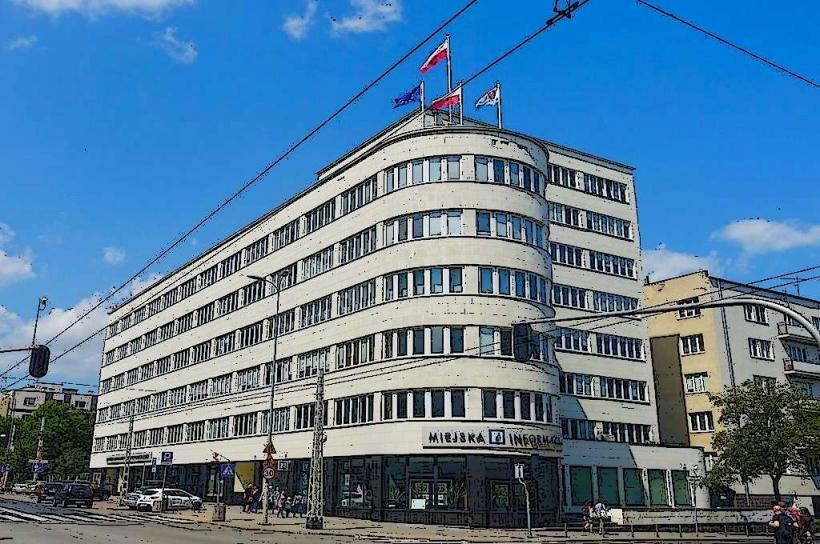
Śródmieście (City Center): A specialized district featuring a high density of white functionalist architecture and a direct connection to the sea via the South Pier.
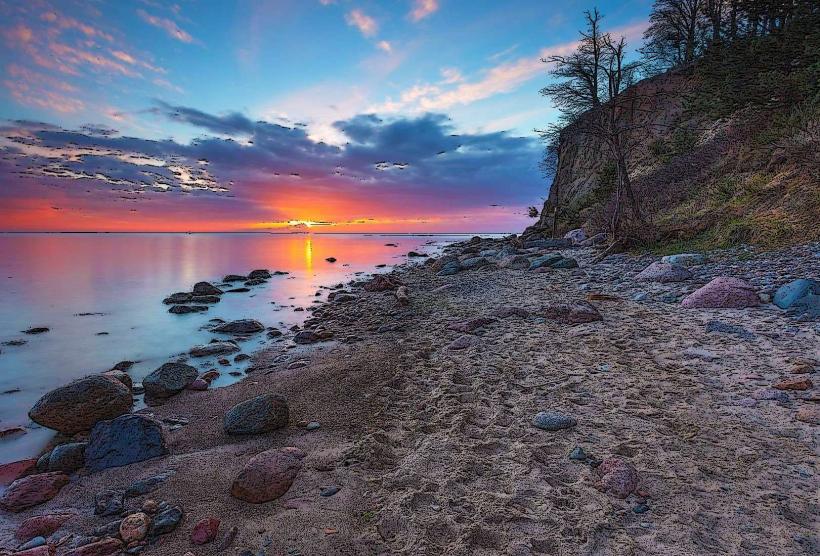
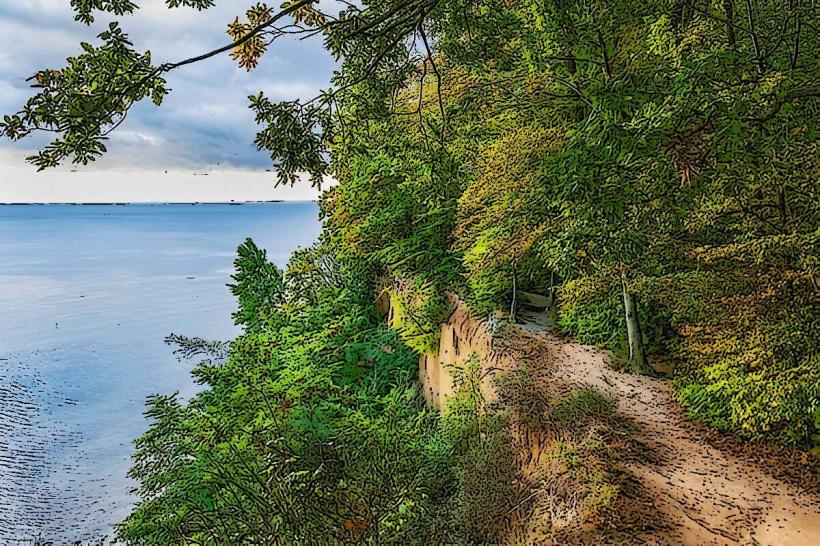
Orłowo: A specialized southern district known for its coastal cliffs, historic pier, and parkland.
Port Area: A specialized industrial zone in the north, housing container terminals and the Gdynia Naval Base.
Kamienna Góra: A specialized residential hill offering panoramic views and high-end modernist villas.
Top City Landmarks
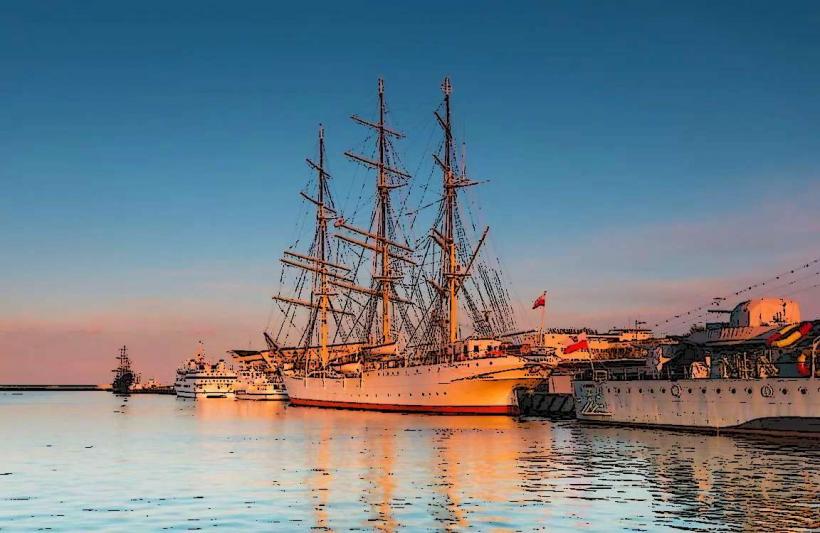
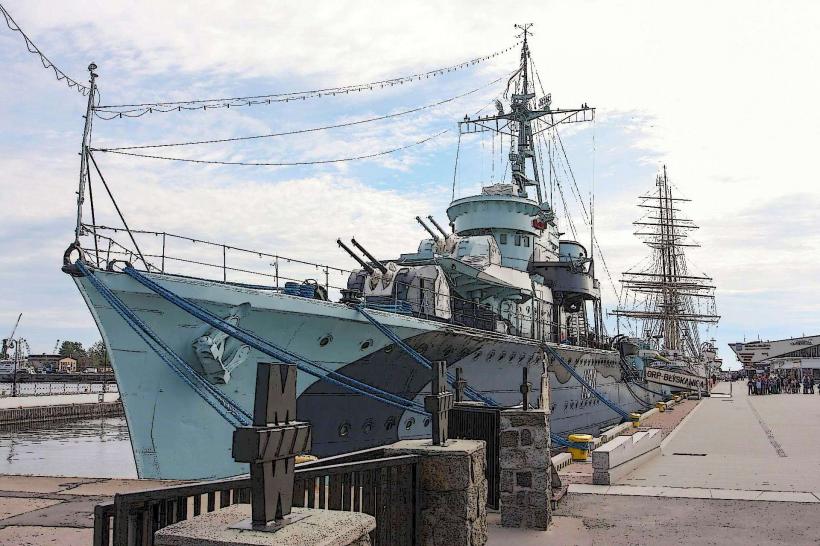
The South Pier (Molo Południowe): A specialized extension of the city into the bay, hosting permanent museum ships like the ORP Błyskawica (WWII destroyer) and the Dar Pomorza (tall ship).
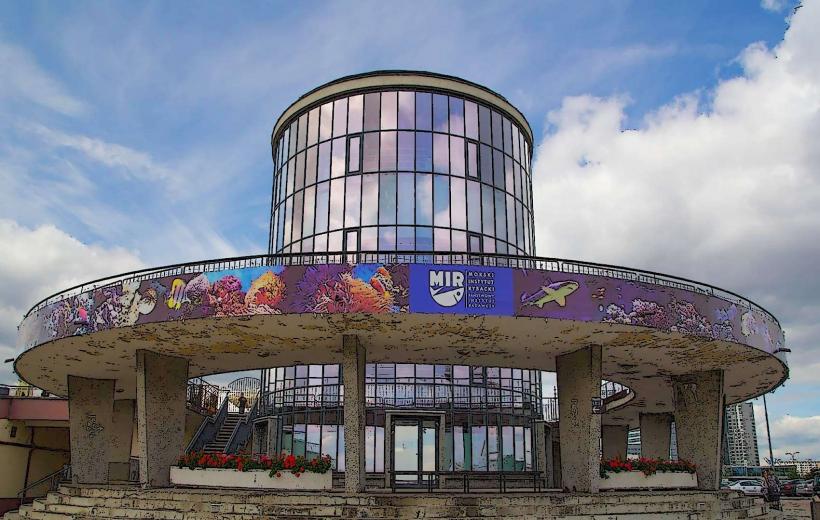
Gdynia Aquarium: A specialized marine biology center located at the tip of the South Pier, documenting the biodiversity of the Baltic and global oceans.
Museum of the City of Gdynia: A specialized facility documenting the city's rapid 20th-century structural evolution and modernist heritage.
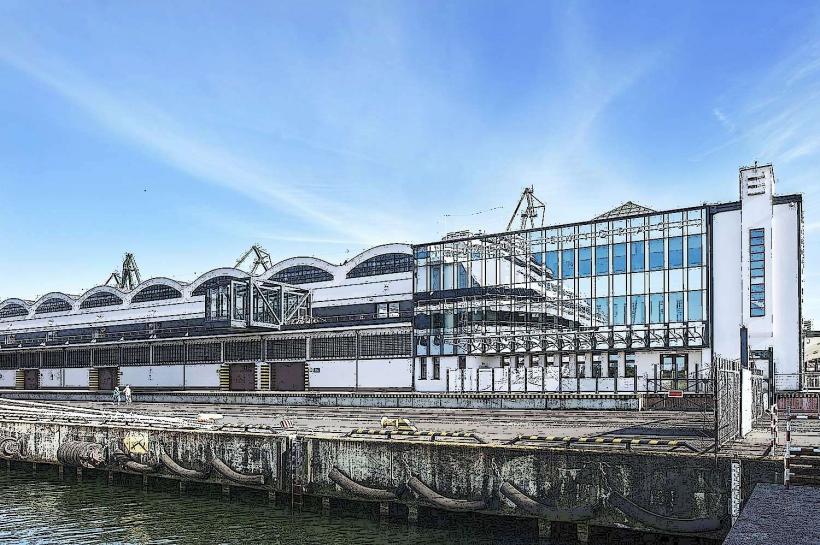
The Emigration Museum: Located in the historic Marine Terminal; it documents the history of millions of Polish citizens who departed via Gdynia for the Americas.
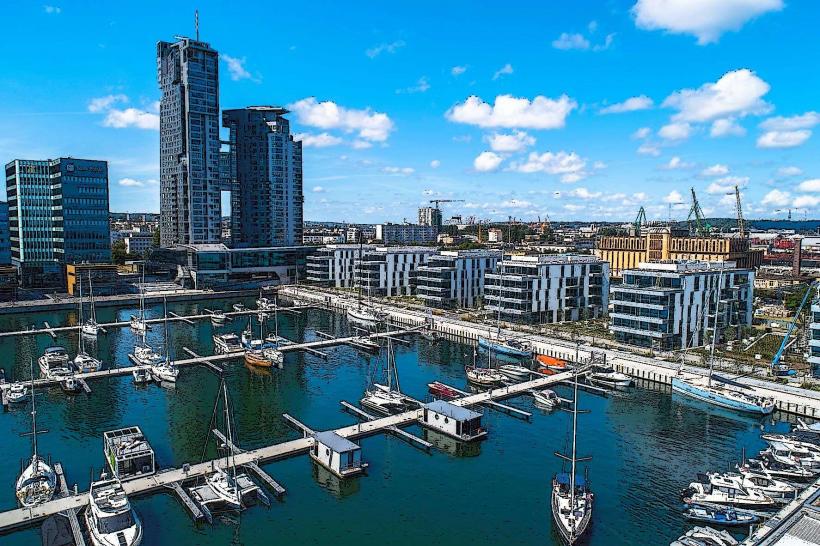
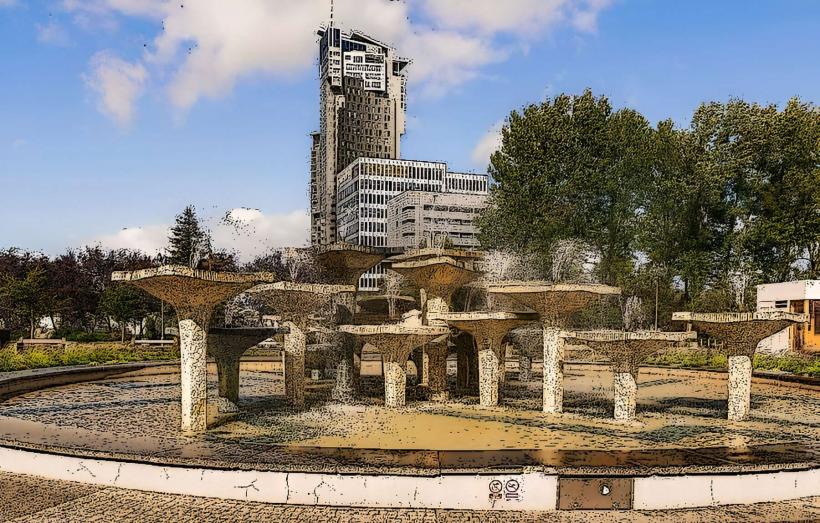
Sea Towers: A specialized residential and office complex; as of 2026, it remains a dominant structural feature of the Gdynia skyline at 141 meters.
Gdynia Film Centre: The primary hub for the Polish Film Festival, featuring a specialized modern facade and outdoor screening areas.
Transportation Network
Gdynia is the northernmost point of the Tricity transportation backbone.
Port of Gdynia: A specialized deep-water port; in 2026, it serves as a major hub for Ro-Ro (Roll-on/Roll-off) shipping and Baltic ferry links to Sweden (Karlskrona).
SKM (Fast Urban Railway): The specialized rail link connecting Gdynia with Sopot and Gdańsk, operating at 10-minute intervals during peak periods.
Trolleybus Network: One of only three specialized systems in Poland; as of 2026, it utilize dynamic charging and zero-emission battery technology.
Gdynia Główna Station: A major structural landmark featuring 1950s socialist realist architecture and serving as a terminus for national rail.
Safety & "Red Zones"
The general safety level is exceptionally high. Gdynia is statistically one of the safest large cities in Poland. There are no "red zones." The city's modern infrastructure and well-lit public spaces contribute to high security levels in both residential and commercial sectors.
Digital & Financial Infrastructure
The city is a leader in Smart Port Technologies and Maritime ICT. Internet speeds average 600–1000 Mbps. 5G is universal. In 2026, the city operates the "Smart Gdynia" platform, integrating port logistics data with municipal traffic management to reduce congestion.
Climate & Air Quality
Gdynia has a maritime climate with significant wind influence from the Baltic Sea. Average temperatures range from 0°C in January to 23°C in July. Air quality is consistently high due to the constant "sea breeze" effect and the city's proximity to the Tricity Landscape Park forests.
Culture & Social Norms
Social norms are characterized by a modern, maritime-oriented pragmatism. Tipping (10-15%) is standard. The primary cultural event is the Polish Film Festival (September) and the Open’er Festival (July), one of Europe’s largest music festivals.
Local Cost Index (2026 Estimates)
1 Espresso: 12–16 PLN
1 Pint of Local Beer: 16–24 PLN
1 Standard Lunch: 45–75 PLN
Ferry to Sweden (Standard): 150–400 PLN
Nearby Day Trips
Hel Peninsula: 1 hour 30 mins by car or 1 hour by "water tram" (ferry); a specialized 35km sandbar.
Puck: 30 mins away; a specialized historic port known for windsurfing and the "Sailing of the Fishermen" tradition.
Rewa: 20 mins away; a specialized sand spit (Mierzeja Rewska) extending 1km into the sea.
Facts & Legends
Gdynia is the site of the highest concentration of modernist architecture in Poland. Legend states that the "Fisherman's Wife" statue on the pier waits for ships that were lost during the transitions of WWII. A verified fact is that the city was built from a village of 1,200 people to a city of 120,000 in only 13 years (1926–1939). Historically, the city was renamed "Gotenhafen" during the German occupation and served as a major Nazi naval base.