Information
City: La RomanaCountry: Dominican Republic
Continent: North America
La Romana, Dominican Republic, North America
La Romana is the third-largest city in the Dominican Republic and the capital of the La Romana province. Situated on the southeastern coast, it serves as a major industrial hub for sugar production and as a gateway to some of the Caribbean's most exclusive luxury resorts.
Historical Timeline
The city was officially founded in 1897 as an oil town but underwent a rapid economic shift after 1917 with the construction of a massive sugar mill by the Central Romana Corporation. For much of the 20th century, La Romana functioned as a "company town," dominated by the sugar industry. In the 1970s, the development of the Casa de Campo resort and the artisan village of Altos De Chavón transformed the local economy into a global tourism destination.
Demographics & Population
The metropolitan population is approximately 270,000. Unlike Punta Cana, which is almost entirely tourism-driven, La Romana maintains a dual identity: a working-class industrial city and a high-end luxury enclave. The demographic is predominantly Dominican, with a notable community of laborers from neighboring islands and a significant seasonal population of wealthy expatriates and cruise passengers.
Urban Layout & Key Districts
The City Center: A bustling urban grid featuring Duarte Central Park and the Parroquia Santa Rosa de Lima.
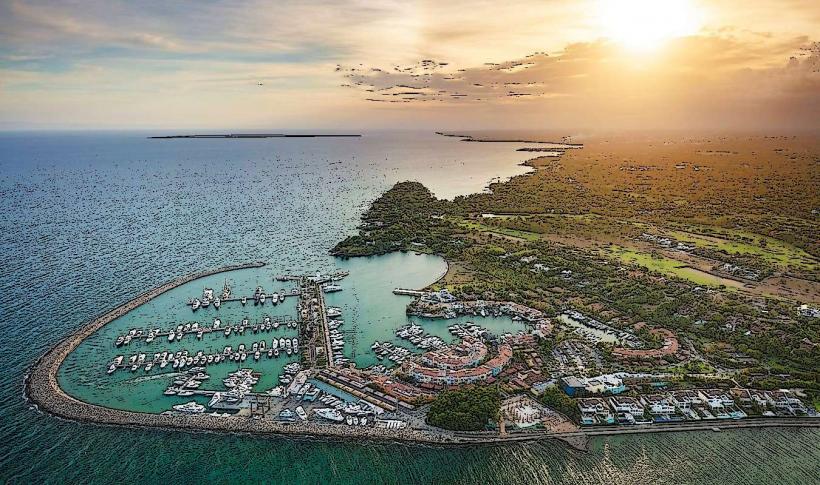
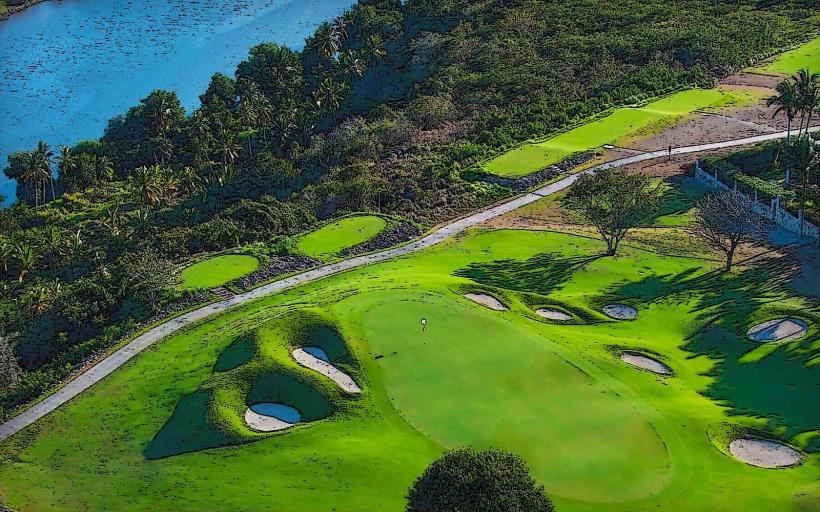
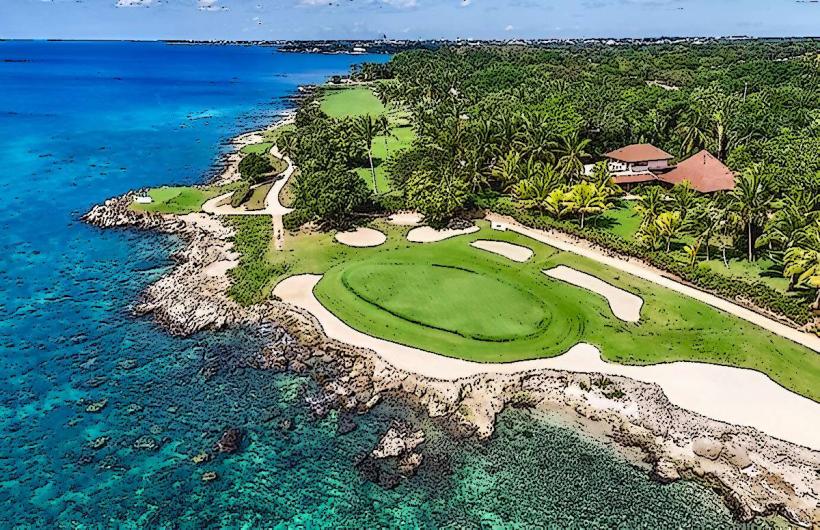
Casa de Campo: A 7,000-acre gated resort complex that essentially operates as its own city, featuring private villas, three world-class golf courses, and a marina.
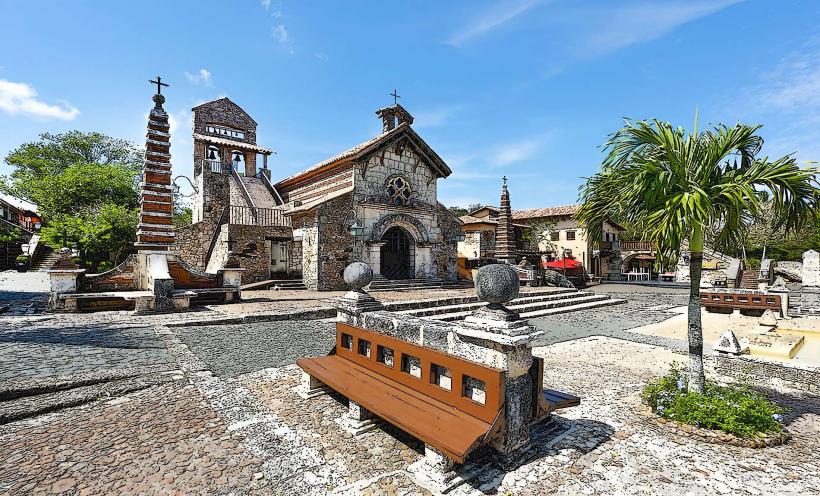
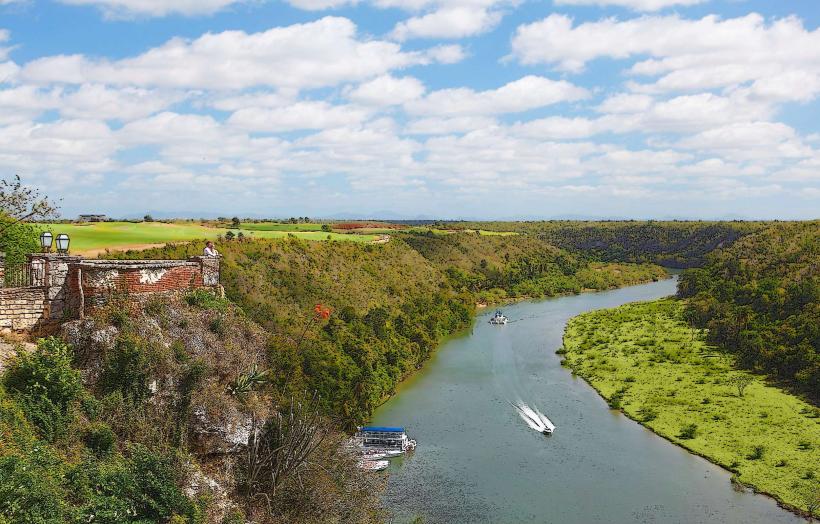
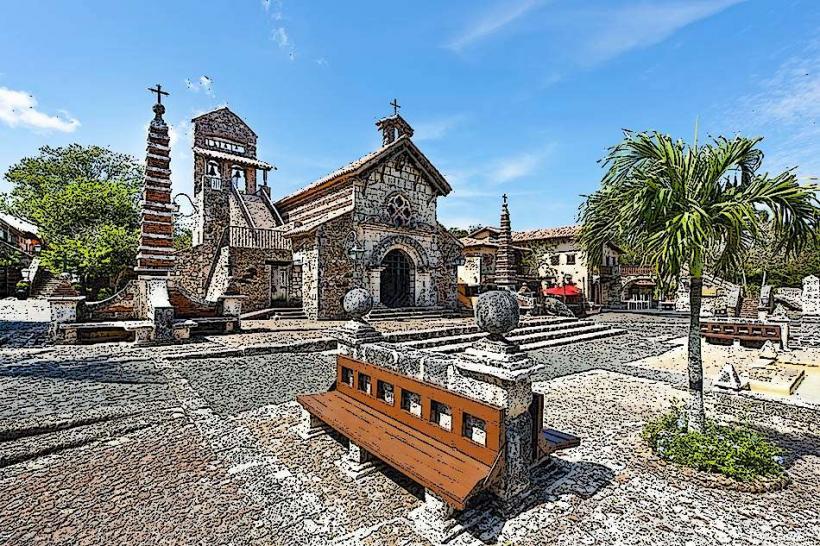
Altos de Chavón: A replica 16th-century Mediterranean village perched above the Chavón River, serving as a cultural and artistic center.
La Caleta: A local fishing village and beach area known for its seafood restaurants.
The Port Area: A major deep-water port that hosts large cruise ships and facilitates sugar exports.
Top Landmarks
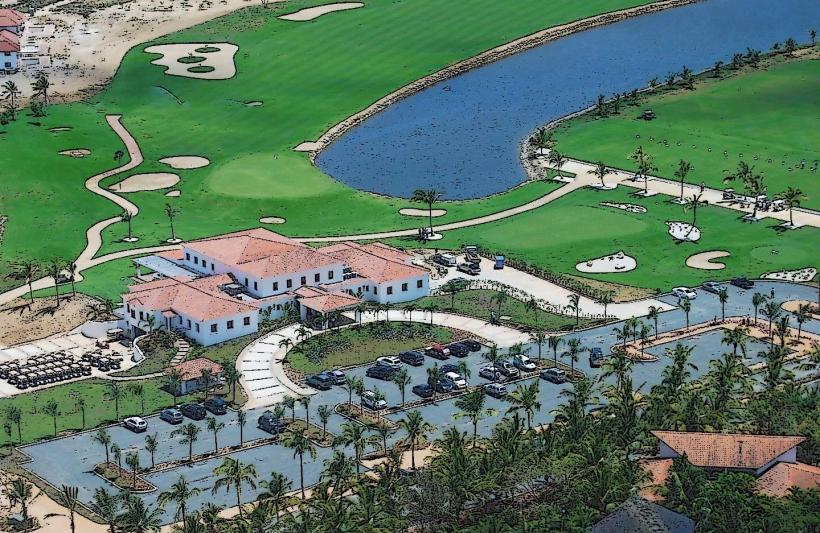
Teeth of the Dog: Regularly ranked as the #1 golf course in the Caribbean, designed by Pete Dye.
Altos de Chavón Amphitheatre: A 5,000-seat Grecian-style stone amphitheater that has hosted performers like Frank Sinatra and Elton John.
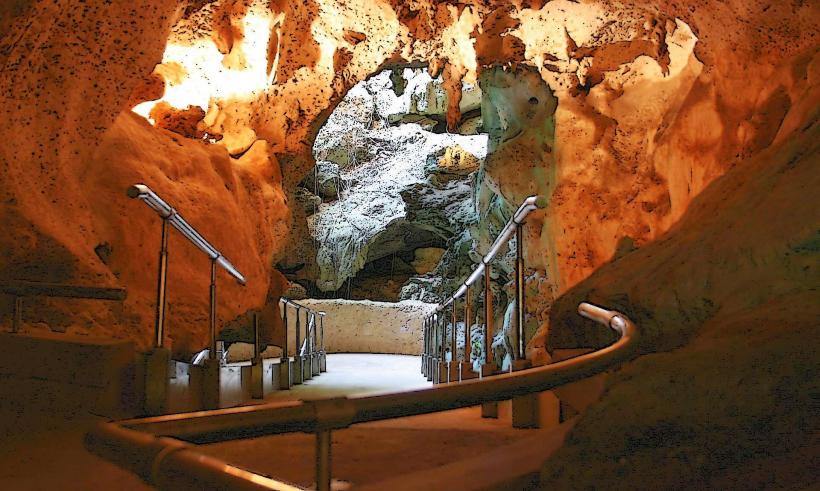
Cueva de las Maravillas (Cave of Wonders): A massive underground cavern featuring Taino rock art and impressive geological formations.
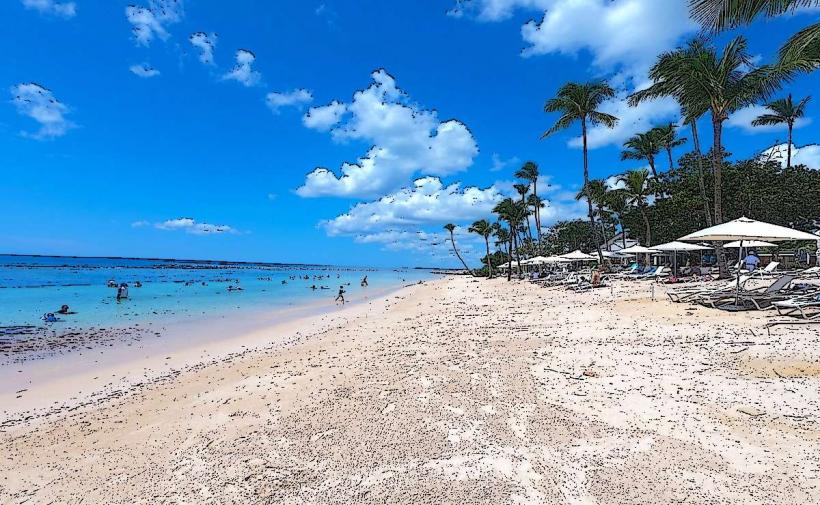
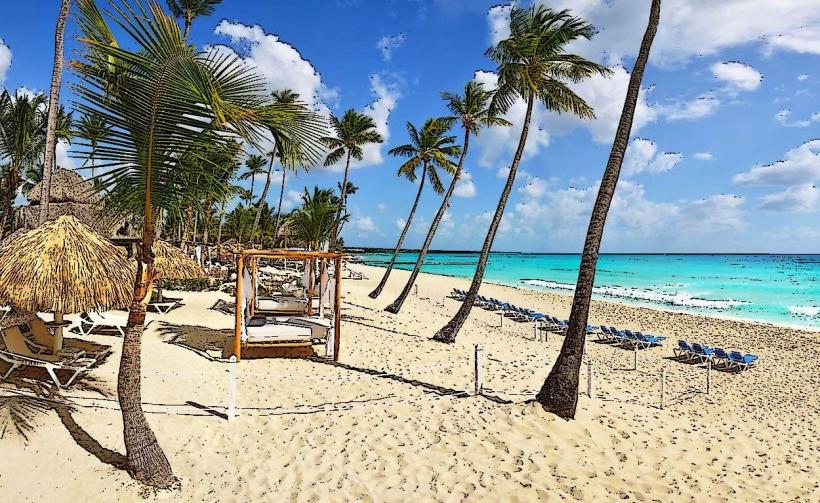
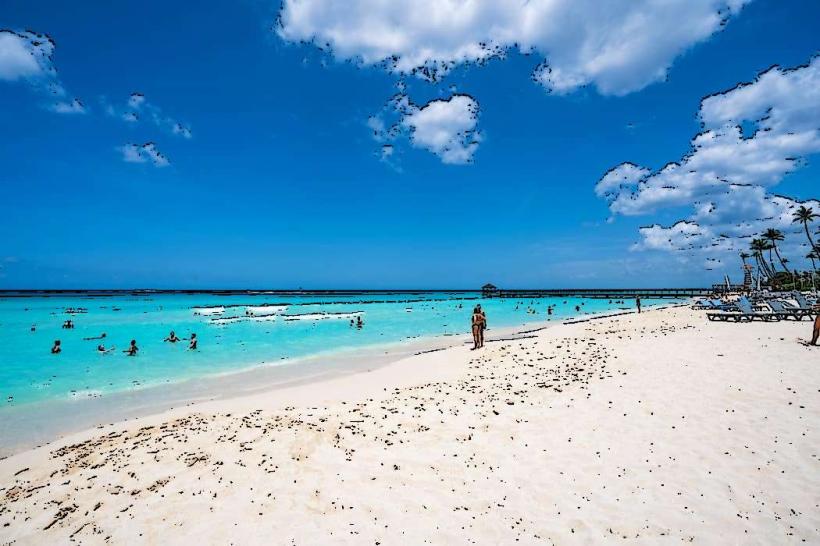
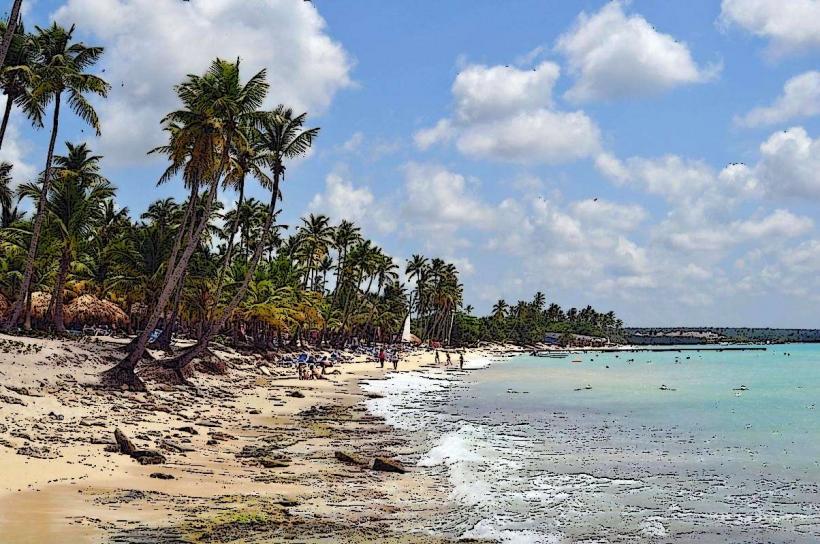
Minitas Beach: The private beach for Casa de Campo, known for its calm turquoise waters.
El Obelisco: A central monument featuring murals that depict the history of the Dominican people.
Transportation Network
Air: La Romana International Airport (LRM) is the primary gateway, though many travelers also use Punta Cana (PUJ), located 45 minutes away.
Roads: The Autopista del Coral provides a modern, high-speed link to Santo Domingo (1.5 hours) and Punta Cana.
Local Transit: Uber is the safest and most reliable option for foreigners. Shared taxis (conchos) and motorcycles (motoconchos) are common but not recommended due to high accident rates.
Cruise Terminal: One of the busiest in the country, with direct access for passengers to local excursions.
Safety & "Red Zones"
La Romana is generally safe for tourists, especially within the gated resort areas.
Risks: Outside of the resorts, petty theft and "snatch-and-grab" robberies are the primary concerns. Traffic safety is a major risk; the Dominican Republic has the highest rate of road fatalities per capita globally.
Advice: Avoid walking alone in the city center or La Caleta at night. Use reputable taxi services or Uber rather than hailing motorcycles from the street.
Digital & Financial Infrastructure
High-speed fiber internet is standard in Casa de Campo and modern commercial districts. 5G coverage is universal. ATMs are plentiful in malls like Multiplaza La Romana. The currency is the Dominican Peso (DOP), but USD is widely accepted in the tourism sector.
Climate & Air Quality
Tropical savanna climate.
Weather: Highs typically range from 29°C to 32°C. The dry season (December–April) is the peak travel period.
Air Quality: Generally good, though localized dust from the Central Romana sugar mill can occasionally affect the immediate vicinity during processing months.
Culture & Social Norms
The city's culture is heavily influenced by its industrial roots and the presence of the Chavón School of Design. Tipping is 10–15%. Dress is "Business Casual" in the city and "Resort Elegant" within Casa de Campo; many upscale restaurants have strict evening dress codes (no shorts or sandals).
Accommodation Zones
Casa de Campo: For luxury, privacy, and elite sports (golf/polo/shooting).
Bayahibe/Dominicus: 20 mins away; best for all-inclusive resorts and diving.
City Center: For budget-conscious business travelers.
Local Cost Index
1 Espresso: $RD 140 ($2.35)
1 Standard Lunch (Plato del Día): $RD 400 ($6.70)
1 Round of Golf at Teeth of the Dog: $300 - $500 (Seasonal)
Nearby Day Trips
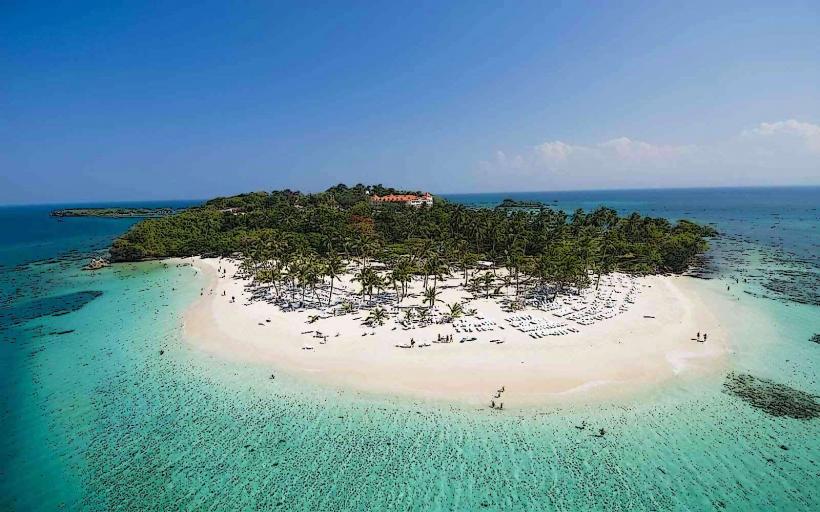
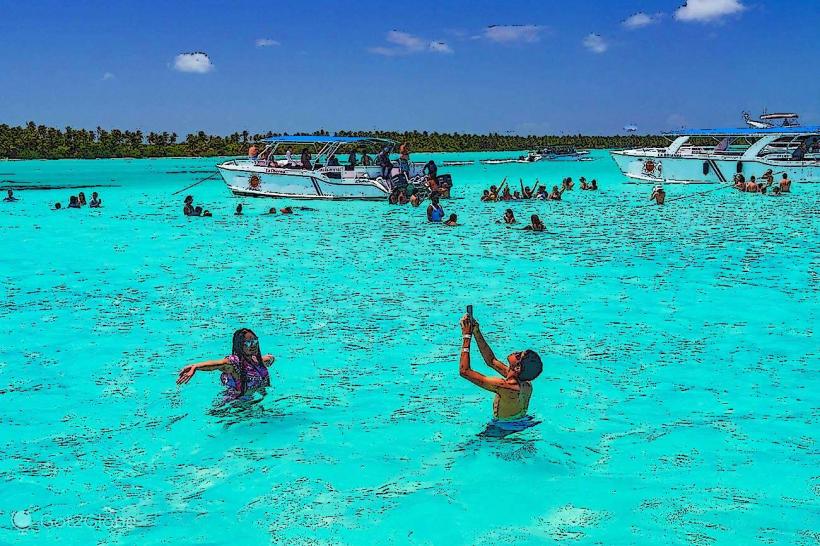
Catalina Island: A tiny island 2.4 km offshore, famous for its wall diving and pristine snorkeling.
Saona Island: Accessible via catamaran from nearby Bayahibe.
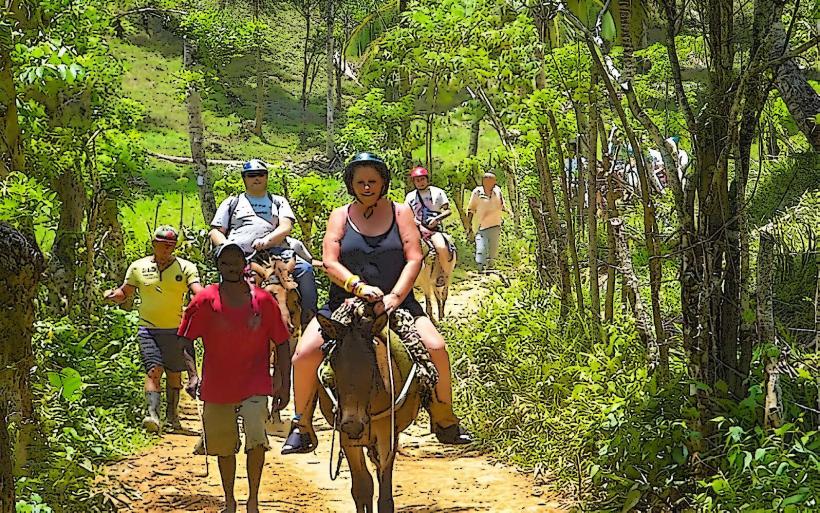
Cotubanamá National Park: For cave exploration and viewing indigenous wildlife.
Facts & Legends
A verified historical oddity is that Altos de Chavón was not a restoration of an old village but was built in 1976 using hand-cut stone to look centuries old. Local legend says that the Chavón River was a frequent hiding spot for pirates due to its deep canyon and heavy foliage, which provided perfect camouflage for ships.