Information
Landmark: Cueva de las MaravillasCity: La Romana
Country: Dominican Republic
Continent: North America
Cueva de las Maravillas, La Romana, Dominican Republic, North America
The Cueva de las Maravillas is a significant limestone cave system located between San Pedro de Macorís and La Romana in the Dominican Republic. It is renowned for its extensive collection of ancient Taino pictographs and petroglyphs.
Visual Characteristics
The cave system consists of interconnected chambers featuring numerous geological formations, including stalactites, stalagmites, and columns, formed from calcium carbonate deposits. The interior is characterized by a natural, humid environment with a consistent cool temperature. Artificial lighting illuminates the formations and the indigenous artwork. The Taino art, primarily pictographs, is rendered in black and red pigments on the cave walls, depicting human and animal figures, as well as abstract symbols. Some sections contain underground lakes with clear water.
Location & Access Logistics
The Cueva de las Maravillas is situated directly off the Autopista del Coral (Highway 3), approximately 20 kilometers west of La Romana city center and 15 kilometers east of San Pedro de Macorís. Access is via a dedicated exit from the highway. Ample paved parking is available on-site for private vehicles and tour buses. Public transportation options are limited; visitors typically arrive by private car, taxi, or as part of an organized tour from nearby cities or resorts.
Historical & Ecological Origin
The cave is a natural geological formation, primarily limestone, created over millennia by the erosive action of water. Its ecological classification is a karstic cave system. It gained historical significance as a ceremonial and artistic site for the indigenous Taino people, who inhabited the island before European arrival. The Taino utilized the cave for rituals and left behind a substantial collection of pictographs and petroglyphs, dating back hundreds of years.
Key Highlights & Activities
Visitors engage in mandatory guided tours through the cave, which typically last about 45 minutes to an hour. The primary activity is observing the well-preserved Taino pictographs and petroglyphs, which number over 500. The tour also highlights the various geological formations, such as large stalactites, stalagmites, and columns. Paved walkways and ramps ensure accessibility for most visitors.
Infrastructure & Amenities
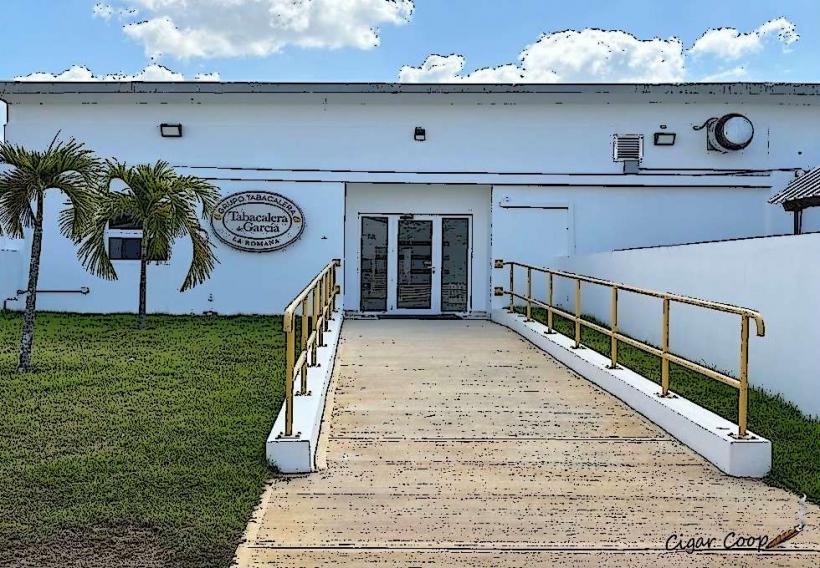
The site features a modern visitor center at the entrance, which includes restrooms and a gift shop. Inside the cave, paved pathways and ramps are equipped with handrails and a comprehensive artificial lighting system. The cave maintains a naturally cool temperature. Cell phone signal (4G/5G) is generally available at the visitor center but may be limited or absent within the deeper sections of the cave. Basic food and beverage vendors are typically present near the visitor center entrance.
Best Time to Visit
The cave is open year-round. The best time to visit is during the morning hours, typically between 9:00 AM and 11:00 AM, to avoid larger crowds that may arrive in the afternoon. As an underground site, weather conditions outside do not significantly impact the experience, though the dry season (December to April) offers more comfortable travel to and from the location. There are no specific tide requirements for visiting.
Facts & Legends
The Cueva de las Maravillas is one of the most important archaeological sites in the Dominican Republic for Taino art, containing one of the largest concentrations of indigenous pictographs in the Caribbean. A unique feature is the "Galeria Pictográfica," a section dedicated entirely to the Taino artwork. A verified historical oddity is the presence of a small, naturally formed underground lake within the cave, which was likely used by the Taino for water collection or ritualistic purposes.
Nearby Landmarks
- El Puerto (small community) - 1 km North
- Autopista del Coral Exit 10 (highway junction) - 0.5 km East
- Río Soco (river crossing) - 3 km West