Information
City: LanaiCountry: USA Hawaii
Continent: North America
Lanai, USA Hawaii, North America
Lānaʻi functions as a private-majority enclave and a center for sustainable "green city" experimentation, serving as a critical global case study for closed-system economic modeling. The island is the sixth-largest in the Hawaiian chain, situated approximately 14 kilometers west of Maui and 13 kilometers south of Molokaʻi.
Historical Timeline
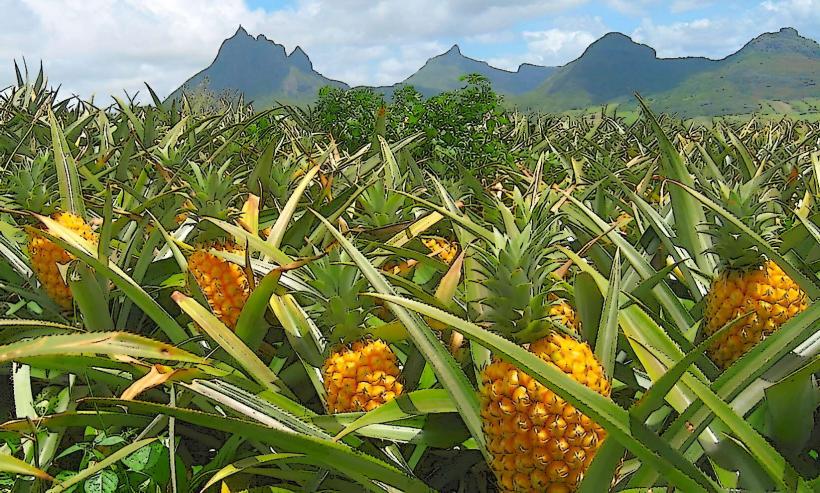
Lānaʻi was initially settled by Polynesians around 1200 CE, later becoming a strategic retreat for King Kamehameha I. The primary governance era shifted from the Hawaiian Kingdom to private corporate ownership in 1922, when James Dole purchased the island to establish the world's largest pineapple plantation. The most significant event shaping the current urban form was the 1992 closure of the pineapple operations, pivoting the economy toward high-end tourism. In 2012, Larry Ellison (founder of Oracle) purchased 98% of the island, initiating a transition toward 100% renewable energy and hydroponic agricultural self-sufficiency.
Demographics & Population
The total population of Lānaʻi is approximately 3,300, concentrated almost entirely in Lānaʻi City. The demographics are 58% Asian (predominantly Filipino heritage), 13% White, and 7% Pacific Islander. The median age is 40.3 years.
Urban Layout & Key Districts
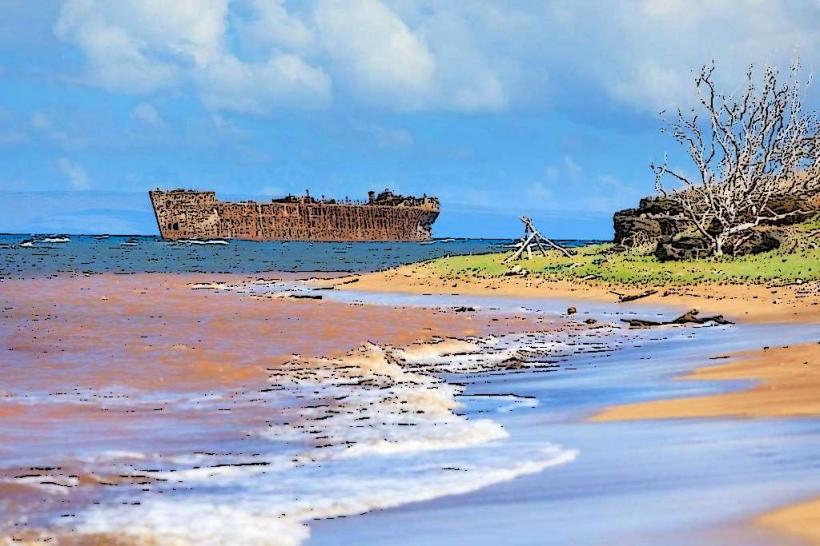
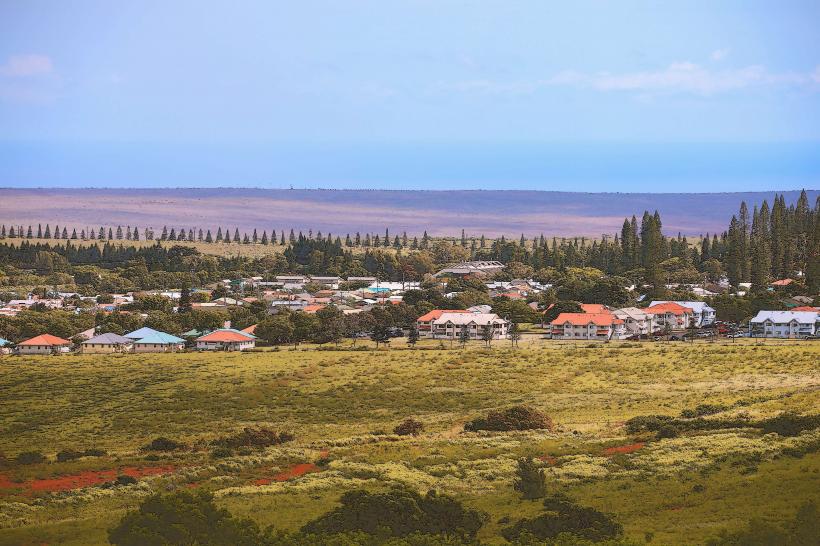
Lānaʻi is unique for its lack of traffic lights and centralized urban core. Lānaʻi City (Central) is the only town, designed as a 1920s plantation model city around Dole Park. Mānele Bay (South) is the luxury resort and maritime district. Kōʻele (North/Upland) is a cooler, forested wellness district. The North Shore (Shipwreck Beach) is a rugged, unpopulated wilderness.
Top City Landmarks
Dole Park (Central town square and cultural hub)
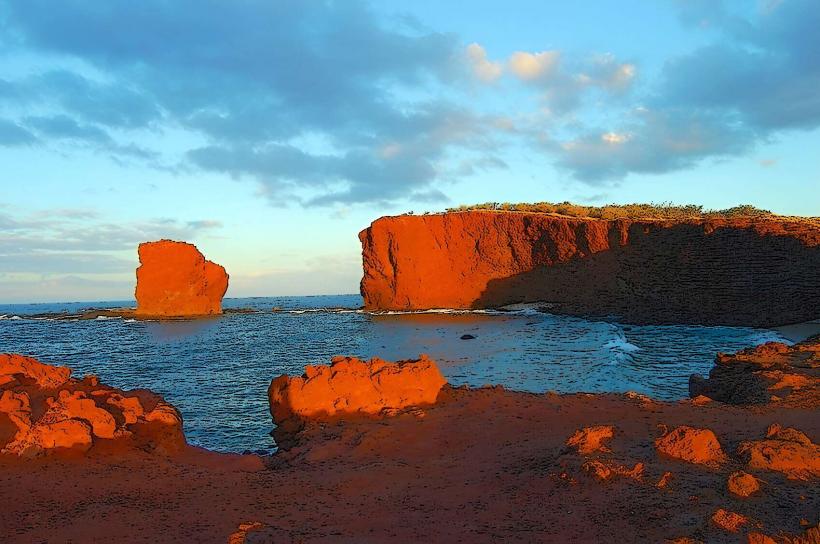
Puʻupehe (Sweetheart Rock – 80-foot sea stack)
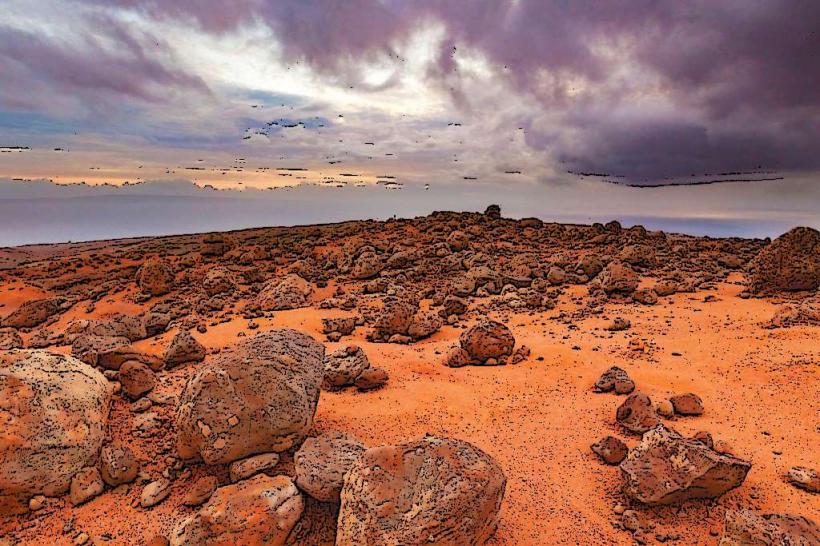
Keahiakawelo (Garden of the Gods – rock formations)
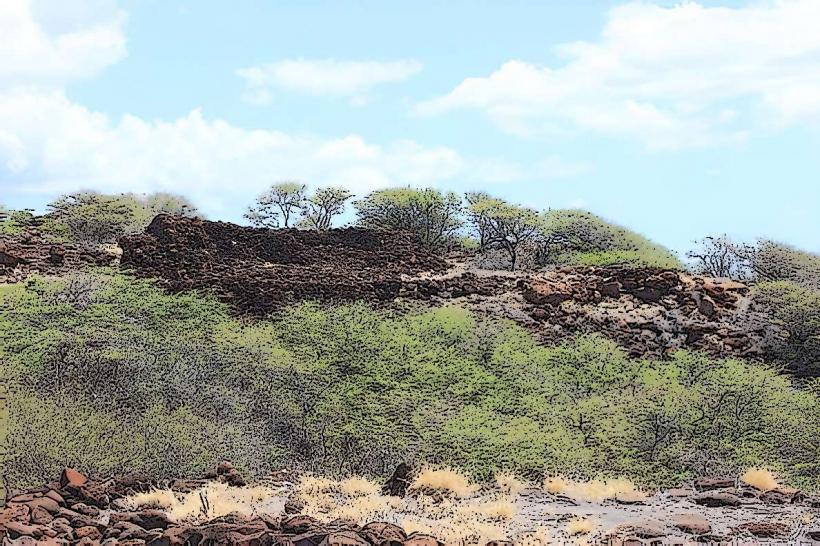
Kaunolū Village Site (Ancient fishing village and royal retreat)
Lānaʻi Cat Sanctuary (Housing over 600 feral cats)
Transportation Network
Movement on the island is dominated by 4WD vehicles; only 48 kilometers of road are paved. There is no public bus system, metro, or tram. Holoholo is the primary ride-sharing service, offering fixed-rate transit between Lānaʻi City, the airport (LNY), and Mānele Harbor. Most visitors utilize resort shuttles or rent Jeeps for off-road exploration. Traffic density is non-existent, and there are no stoplights.
Safety & "Red Zones"
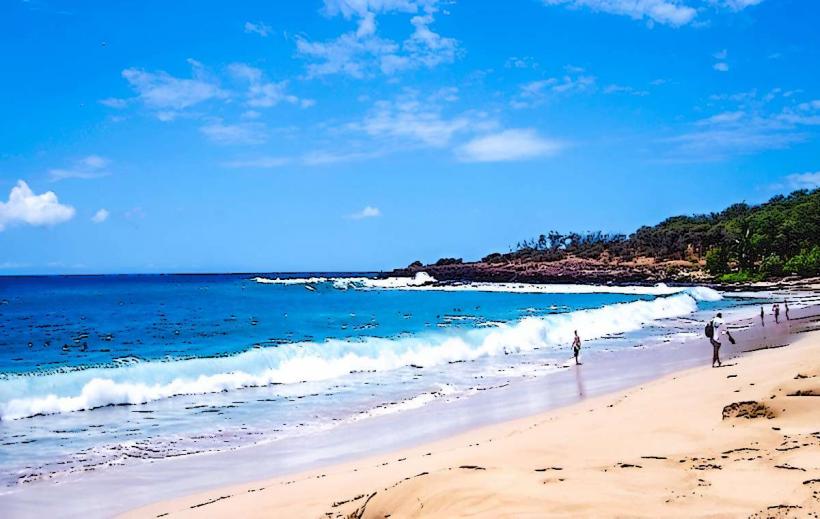
Lānaʻi is exceptionally safe from crime. Physical "Red Zones" are environmental: the Munro Trail and roads to Garden of the Gods become impassable and dangerous during rain. Avoid swimming at Polihua Beach due to extremely strong offshore currents and lack of lifeguards. Scams are rare; however, beware of unlicensed "tour guides" offering access to private Ellison-owned lands.
Digital & Financial Infrastructure
Internet speeds average 100–300 Mbps in Lānaʻi City, supported by significant private investment in fiber-optic backbones. Verizon and AT&T provide the most reliable mobile coverage. Card acceptance is high in the town center and resorts, but the "Small Town" ethos means some local vendors prefer cash. ATMs are located exclusively in Lānaʻi City (Bank of Hawaii / First Hawaiian Bank).
Climate & Air Quality
Temperatures range from 16°C to 24°C in the uplands and 21°C to 29°C at the coast. Lānaʻi City’s elevation (500 meters) makes it significantly cooler and foggier than other Hawaiian towns. Air quality is world-class due to the absence of heavy industry and the presence of thousands of Cook pine trees.
Culture & Social Norms
Tipping follows U.S. standards (18–20%). Greetings are formal "Aloha" or "Good morning." Dress is "Country Casual"-sturdy shoes are recommended over sandals for town walking. Smoking is prohibited in all public parks and beaches. Alcohol sales are concentrated in Lānaʻi City; public intoxication is highly stigmatized in this small-knit community.
Accommodation Zones
Lānaʻi City: Stay here for "Old Hawaii" plantation charm and lower costs.
Mānele Bay: Stay here for world-class luxury and immediate beach access.
Kōʻele: Stay here for mountain seclusion and wellness-focused retreats.
Local Cost Index
1 Espresso: $6.75
1 Standard Lunch: $22.00
1 Jeep Rental (Daily): $200.00–$250.00
Nearby Day Trips
Maui (Lahaina/Maʻalaea): 45–60 minutes via the Expeditions Ferry.
Molokini Crater: 30 minutes via private boat charter for snorkeling.
Shipwreck Beach (Kaiolohia): 30 minutes via 4WD to see the YOGN-42 wreck.
Facts & Legends
Lānaʻi was once believed to be inhabited by man-eating spirits (Akua-o-ka-lā) until the Maui prince Kaululāʻau was banished there and tricked the spirits into drowning. A modern "oddity" is that the island's water and power infrastructure are largely managed as a private utility by the island's majority owner, making it a unique corporate-municipal hybrid. Local legend warns against removing any stones from the Garden of the Gods, as it is said to invite the "unmaking" of one's travel plans.