Information
City: LoeiCountry: Thailand
Continent: Asia
Loei, Thailand, Asia
Loei is a high-altitude province in Northeast Thailand (Isan) bordering Laos. Known as the "Mae Hong Son of the Northeast," it is characterized by its mountainous terrain, cooler temperatures, and unique cultural traditions. In 2026, the province is a primary focus for Thailand's green tourism expansion and the site of a major controversial infrastructure project-the Phu Kradueng cable car.
Historical Timeline
Loei was established in 1853 during the reign of King Rama IV. Historically isolated by its geography, it preserved a distinct fusion of Lan Chang (Lao) and Lanna (Northern Thai) cultures. In January 2026, the province is moving forward with the Phu Kradueng National Park Cable Car, with the project site recently selected and construction slated to begin later this year. The city is also celebrating recent international recognition, with Chiang Khan winning a Green Destination Award in 2025.
Demographics & Population
The 2026 estimated provincial population is approximately 650,000. The capital, Mueang Loei, houses roughly 125,000 residents. The population is largely agrarian, though tourism and cross-border trade with Laos have grown significantly. The region is home to several ethnic minorities, most notably the Tai Dam, who migrated from Laos in the early 20th century.
Urban Layout & Key Districts
Mueang Loei: The administrative hub and main transit point; generally a quiet base for regional exploration.
Chiang Khan: A riverside district on the Mekong known for its preserved teak houses and "slow life" atmosphere.
Dan Sai: The cultural heart of the province, famous for its ghost-themed festivals.
Phu Ruea: A high-altitude district known for its cooler climate, winter flowers, and vineyards.
Wang Saphung: An agricultural area currently dealing with increased human-wildlife conflict involving wild elephants from the Phu Luang sanctuary (Jan 2026).
Top City & Provincial Landmarks
Phu Kradueng National Park: A bell-shaped sandstone plateau; a rite of passage for Thai hikers. It features the Pha Lom Sak sunset viewpoint.
Chiang Khan Walking Street: A riverside promenade lined with 100-year-old wooden buildings, boutiques, and street food.
Phra That Sri Song Rak: A 16th-century pagoda in Dan Sai symbolizing peace between Ayutthaya and Vientiane; wearing red is prohibited here.
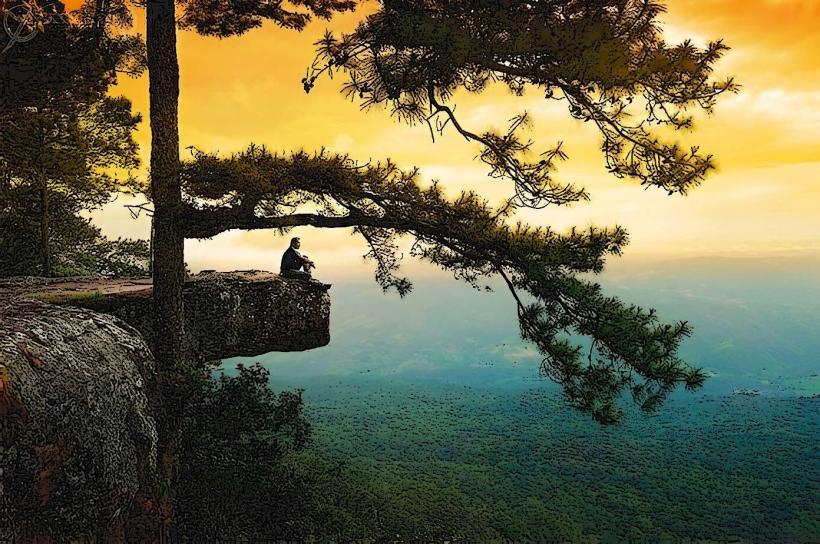
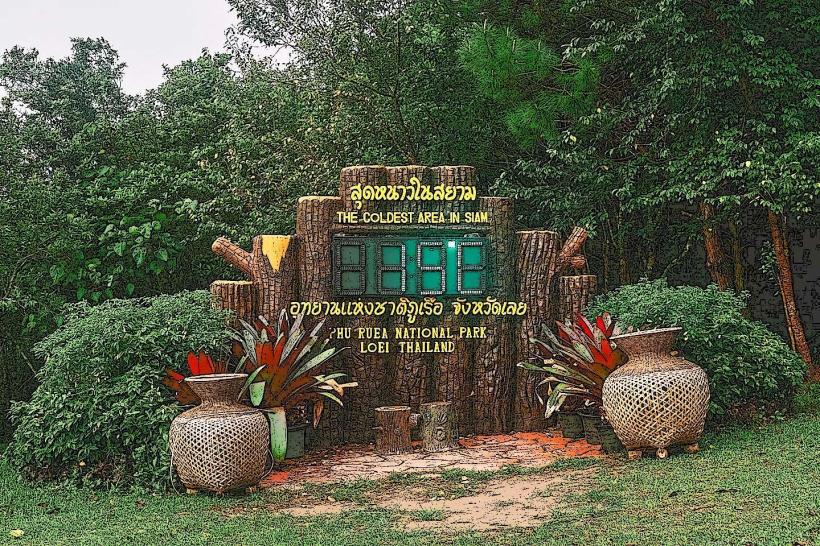
Phu Ruea National Park: Known as the "coldest place in Thailand," featuring pine forests and the sail-shaped cliff that gives the mountain its name.
Phu Luang Wildlife Sanctuary: A "mountain of flowers" known for rare orchids and recent sightings of hoarfrost (Mae Khaning) on red maple leaves (Jan 2026).
Suan Hin Pha Ngam: Often called "Thailand's Kunming," featuring dramatic limestone karst formations.
Transportation Network
Air: Loei Airport (LOE) serves daily flights from Bangkok. In 2025, it saw its first female-piloted military-civilian flight operations.
Road: Most travelers arrive via overnight bus from Bangkok (9–10 hours). In 2026, the "Number 9 Road" is a trending scenic route promoted for its "sea of mist" views.
Local: Within districts like Chiang Khan, Skylabs (modified tuk-tuks) and bicycles are the primary modes of transport.
Caution: Mountainous roads (e.g., Highway 2013) involve steep descents; local news reported brake-failure accidents for tour buses in early 2026.
Safety & Environmental Hazards
Wildlife: Wild elephants in Wang Saphung have been reported damaging homes and crops as recently as January 9, 2026.
Weather Extremes: January 2026 has seen record-breaking cold. Phu Luang temperatures plummeted to -8°C on January 10, with thick frost reported. Visitors must pack extreme cold-weather gear.
Flooding: While dry in January, the region is prone to flash floods in September (recorded in Wang Saphung, 2025).
Digital & Financial Infrastructure
Connectivity: 5G is available in urban centers; however, signals are intermittent in deep national park areas.
Payments: PromptPay (QR scanning) is the dominant payment method, even at street stalls in Chiang Khan. Cash is still required for national park entrance fees (approx. 400 THB for foreigners).
Currency: Thai Baht (THB). Exchange rate as of Jan 2026 is approximately 1 USD = 34.5 THB.
Climate & Air Quality
Current Status (Jan 21, 2026): Extremely Cold. Highs of 24°C, lows of 3°C–7°C in valleys, with sub-zero temperatures on summits.
Seasonality: The "cool season" ends in late January, transitioning to a hot, dry February.
Air Quality: Generally good, though late February and March bring "burning season" haze from regional agriculture.
Culture & Social Norms
Phi Ta Khon (Ghost Festival): The province's most famous event, held in Dan Sai (typically June/July). It features colorful masks made from coconut husks.
Alms Giving: A daily sunrise tradition in Chiang Khan where locals and tourists offer sticky rice to monks.
Cuisine: Signature dishes include Khao Piak Sen (thick noodle soup) and Miang Kham (leaf-wrapped savory snacks).
Local Cost Index
1 Espresso: 60–80 THB ($1.75–$2.30 USD)
1 Bowl of Khao Piak Sen: 40–60 THB ($1.15–$1.75 USD)
1 Night in a Chiang Khan Guest House: 800–1,500 THB ($23–$43 USD)
Facts & Legends
Loei is the only province in Thailand where temperatures have historically dropped to 0°C or lower in multiple districts simultaneously. A local legend in Jozankei (often conflated with Phu Ruea lore) speaks of mountain spirits that protect the "sea of mist." A verified historical oddity is that the Chateau de Loei was Thailand's first successful commercial winery, proving that the province's unique microclimate could support European grape varieties.