Information
City: Lomaiviti GroupCountry: Fiji
Continent: Australia
Lomaiviti Group, Fiji, Australia
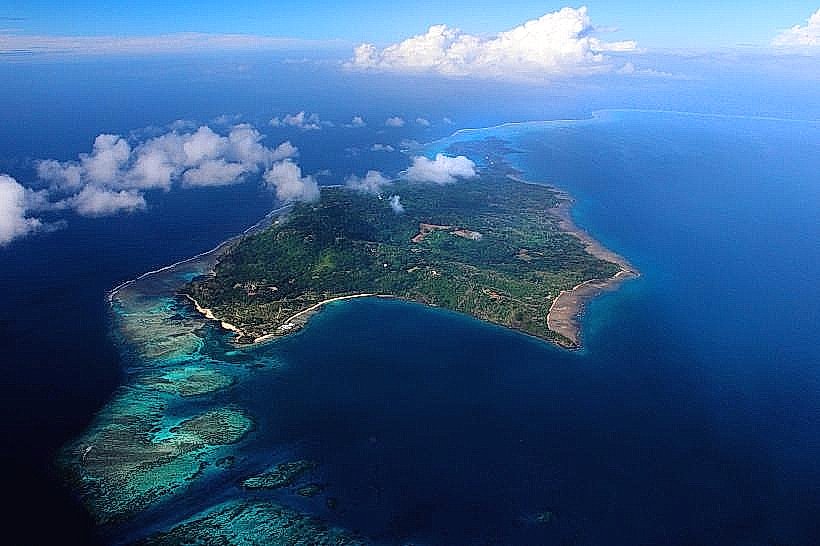
The Lomaiviti Group functions as the historical and geographical center of Fiji, comprising seven main islands and several smaller islets. It serves as a primary link between the developed west (Viti Levu) and the remote eastern groups (Lau), with Ovalau serving as the provincial and economic anchor.
Historical Timeline
The group is the "cradle" of modern Fiji. In 1835, Wesleyan missionaries established their first mission in Levuka. By 1871, the chief Ratu Seru Cakobau declared himself King of Fiji on Ovalau, and in 1874, the group became the site of the formal transition to British colonial rule. The 1882 relocation of the capital to Suva led to a period of economic stagnation that preserved the group’s 19th-century architecture. The 2013 UNESCO World Heritage designation for Levuka marked the beginning of a formal preservation and heritage-tourism era.
Demographics & Population
The population of the Lomaiviti Province is approximately 16,500. It is predominantly iTaukei (Indigenous Fijian), with significant populations of "part-Europeans" (descendants of early settlers and whalers) and Indo-Fijians concentrated around the PAFCO industrial center. The median age is approximately 27 years.
Urban Layout & Key Districts
The group forms a triangular cluster. The "Inner Lomaiviti" islands (Ovalau, Moturiki, Caqalai, Leleuvia) are the most developed and accessible. The "Outer Lomaiviti" islands (Koro, Nairai, Batiki, Gau) are largely subsistence-based and isolated. Levuka on Ovalau remains the only significant urban center, organized linearly along the waterfront.
Top Landmarks
Levuka Historical Port Town: A UNESCO-protected site featuring colonial-era timber storefronts.
PAFCO (Pacific Fishing Company): The economic heart of the region and one of the largest tuna canneries in the Pacific.
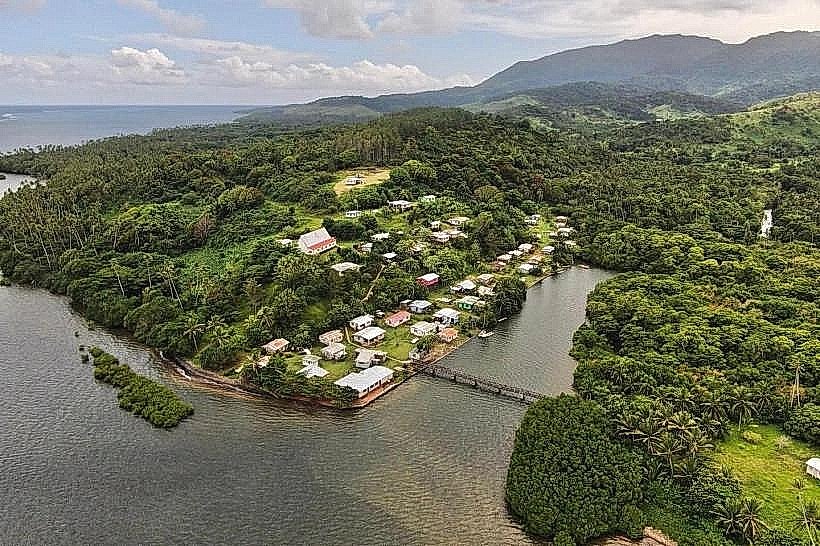
Lovoni Crater: A village situated within the caldera of an extinct volcano in the center of Ovalau.
Wakaya Island: A private, high-end resort island known for its exclusive clientele and luxury infrastructure.
E6 and Nigali Passage: Globally ranked dive sites located within the Lomaiviti reefs, known for hammerhead sharks and manta rays.
Transportation Network
Movement between the mainland and the group is facilitated by Goundar Shipping ferries (Suva to Levuka) and domestic flights (Suva/Nadi to Bureta Airfield). Internal transport is strictly maritime; local "fiber" outboards are used for inter-island travel. On Ovalau, the "Mobility Fiji" system and white unmetered taxis provide transit. There is no metro, tram, or large-scale ride-sharing.
Safety & "Red Zones"
Safety is high due to the small, communal nature of the islands. Risks are limited to petty theft in Levuka and maritime hazards during inter-island transit. There are no "red zones." Travelers are cautioned to only use licensed boat operators with yellow registration plates for sea crossings.
Digital & Financial Infrastructure
Internet speeds average 10–20 Mbps. Vodafone and Digicel provide 4G coverage on the eastern coast of Ovalau, but signals are weak or non-existent on the outer islands like Gau or Koro. Card acceptance is standard in Levuka’s larger shops and resorts but cash is mandatory for all village-level transactions. ATMs (BSP, Westpac) are only found in Levuka town.
Climate & Air Quality
The group has a tropical marine climate. Daytime temperatures range from 24°C to 31°C. Rainfall is frequent, especially on the windward sides of volcanic peaks. Air quality is exceptional. The primary weather risk is tropical cyclones, which have historically caused severe damage to the historic timber buildings and the coastal infrastructure of Koro.
Culture & Social Norms
The region is deeply traditional. Tipping is not expected. In Levuka and villages, removing hats and sunglasses is a strictly enforced sign of respect. Conservative dress (covering shoulders and knees) is mandatory outside of resorts. Public intoxication is highly discouraged, and Sunday remains a day of total religious rest where most commercial activity ceases.
Accommodation Zones
Levuka Waterfront: Recommended for historical interest and logistics.
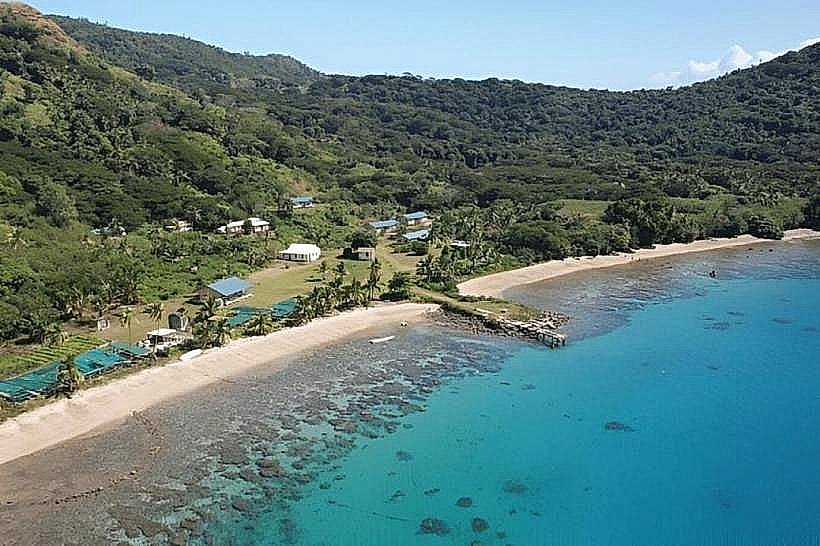
Leleuvia/Caqalai: Recommended for budget/backpacker eco-tourism and diving access.
Wakaya: Recommended for high-privacy luxury.
Local Cost Index
1 Espresso: 6.50 FJD ($2.90 USD)
1 Standard Lunch: 12.00–20.00 FJD ($5.35–$8.90 USD)
1 Ferry Ticket (Suva-Levuka): 55.00 FJD ($24.50 USD)
Nearby Day Trips
Lovoni Village Trek: 10 km (Interior Ovalau).
Leleuvia Island: 45-minute boat transfer from Levuka.
Moon Reef (Dolphin watching): 30-minute boat transfer from the northern coast of Ovalau.
Facts & Legends
Lomaiviti is central to the legend of Dakuwaqa, the Shark God, who was defeated by a giant octopus in the Kadavu passage but remains the protector of the Lomaiviti reefs. Historically, the "Gun Rock" behind Levuka still bears the scars of cannonballs fired by the HMS Havannah in 1849 as a demonstration of British naval power. An urban legend persists that the ghosts of 19th-century sailors are still heard in the halls of the Royal Hotel during heavy tropical storms.