Information
City: MalmoCountry: Sweden
Continent: Europe
Malmo, Sweden, Europe
Malmö serves as the commercial and cultural center of southern Sweden and the nation's third-largest city. It functions as a global gateway between Scandinavia and continental Europe, characterized by its transformation from an industrial shipbuilding powerhouse to a leading hub for sustainability, biotech, and creative industries.
Historical Timeline
Founded in the late 1200s under Danish rule, Malmö was a strategic trade city until it was ceded to Sweden in 1658. The primary event shaping its modern urban form was the closure of the Kockums shipyard in the 1980s, which forced a total economic reinvention. The opening of the Öresund Bridge in 2000 solidified its integration with Copenhagen, turning the region into a trans-national metropolitan hub.
Demographics & Population
The population is approximately 369,000 (2026 estimate), with roughly 500,000 in the wider urban area. The demographic is exceptionally diverse, with residents from over 170 countries; nearly half of the population has a foreign background. It is one of Sweden’s youngest cities, with approximately 47% of residents under the age of 35.
Urban Layout & Key Districts
Malmö is a compact city with distinct character zones:
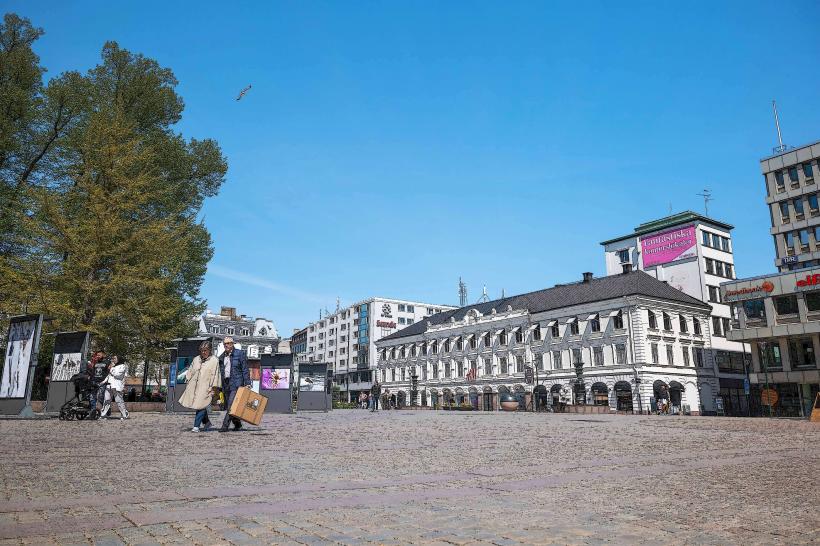
Gamla Staden (Old Town): The historic center featuring the 16th-century Lilla Torg square.
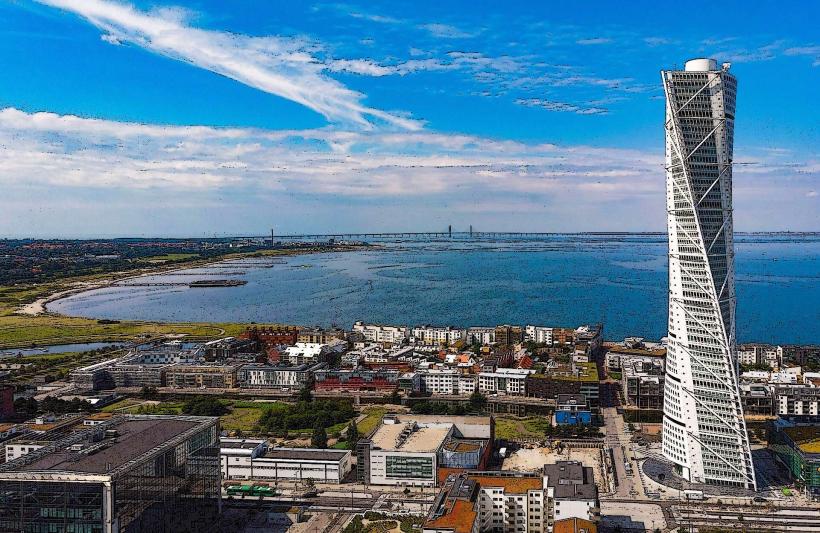
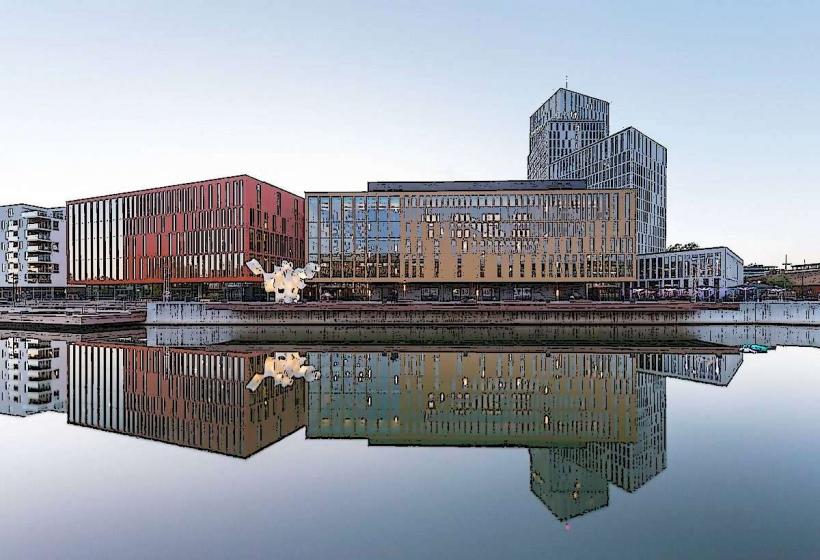
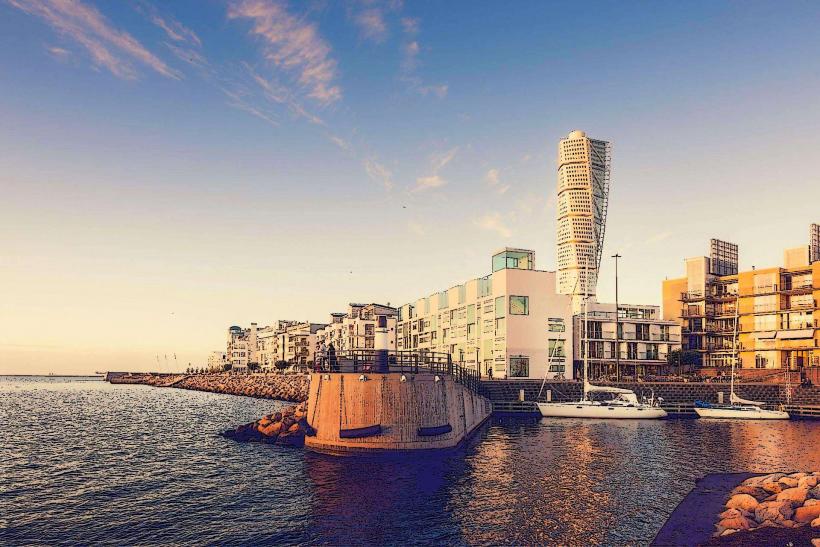
Västra Hamnen (Western Harbour): A former shipyard site turned into a carbon-neutral neighborhood, home to the Turning Torso.
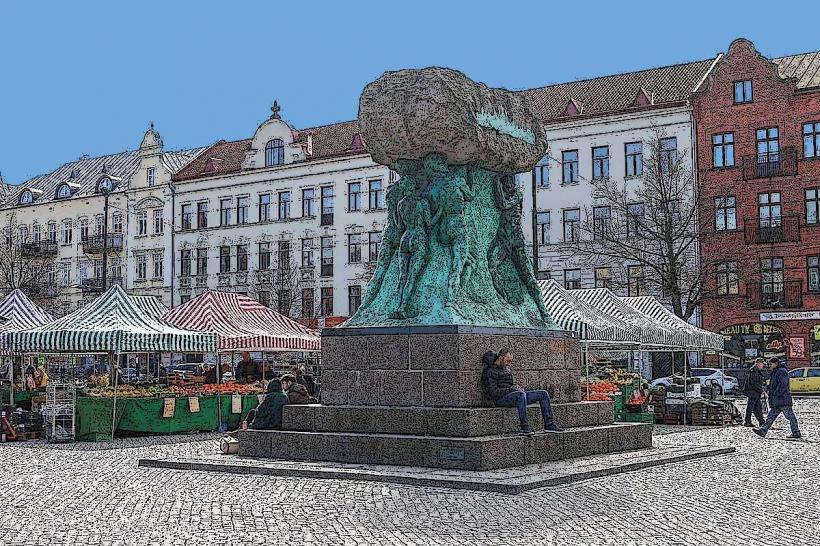
Möllevången ("Möllan"): A bohemian and multicultural district known for its international food scene, markets, and nightlife.
Hyllie: A fast-growing southern hub focused on business, large-scale events, and direct rail links to Denmark.
Limhamn: An affluent former fishing village on the coast with a suburban atmosphere.
Top City Landmarks
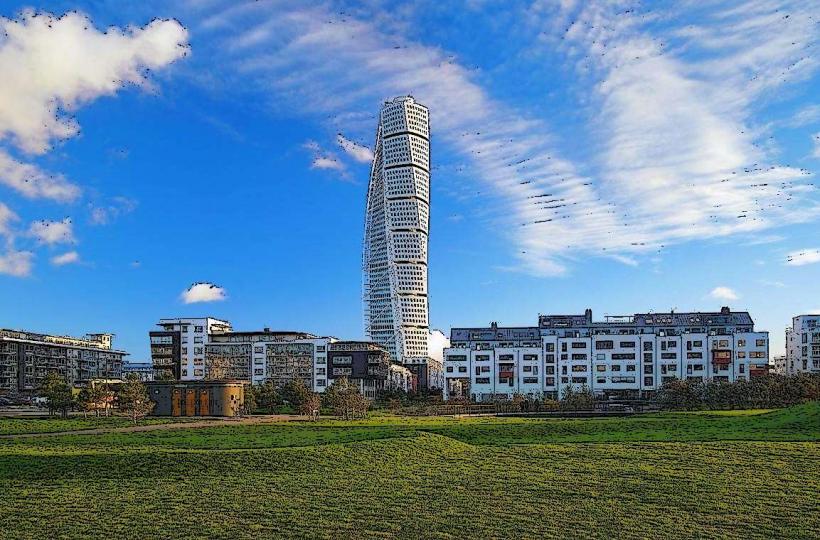
Turning Torso: A neo-futurist residential skyscraper and Scandinavia's tallest building (190m), featuring a 90-degree twist.
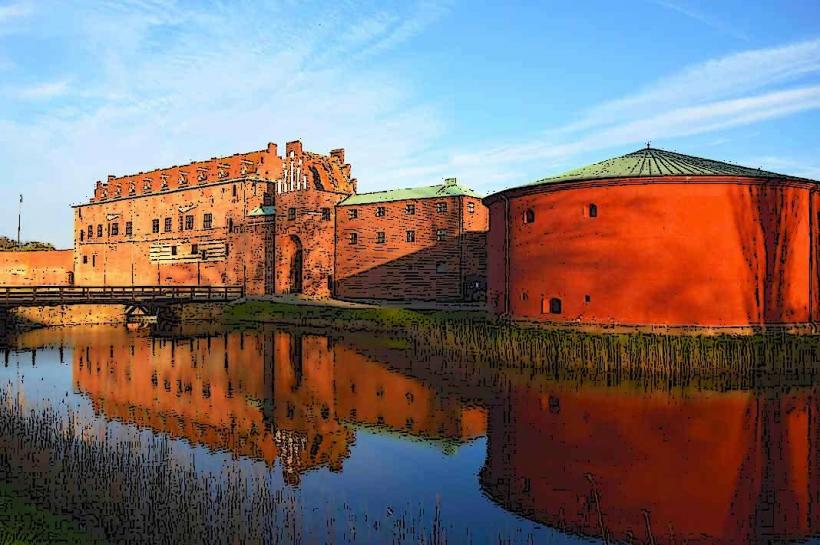
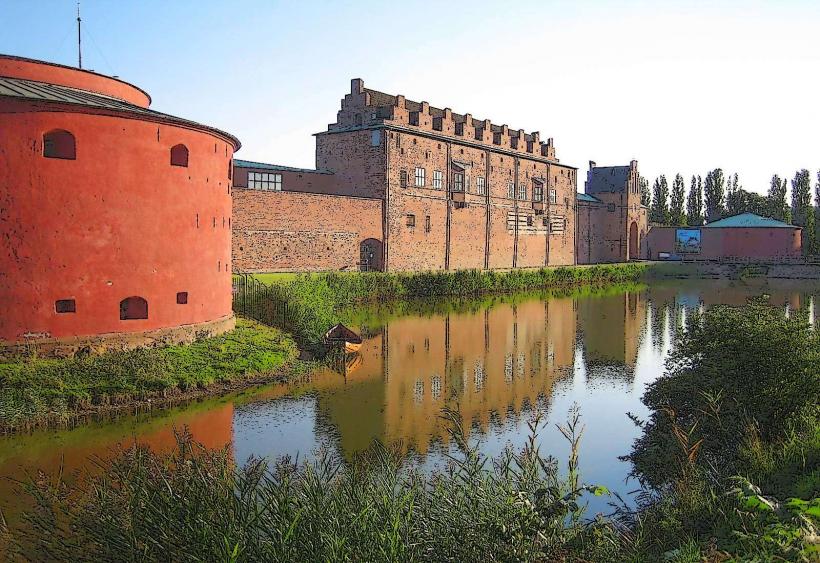
Malmöhus Castle: The oldest preserved Renaissance castle in the Nordics, now housing several museums and an aquarium.
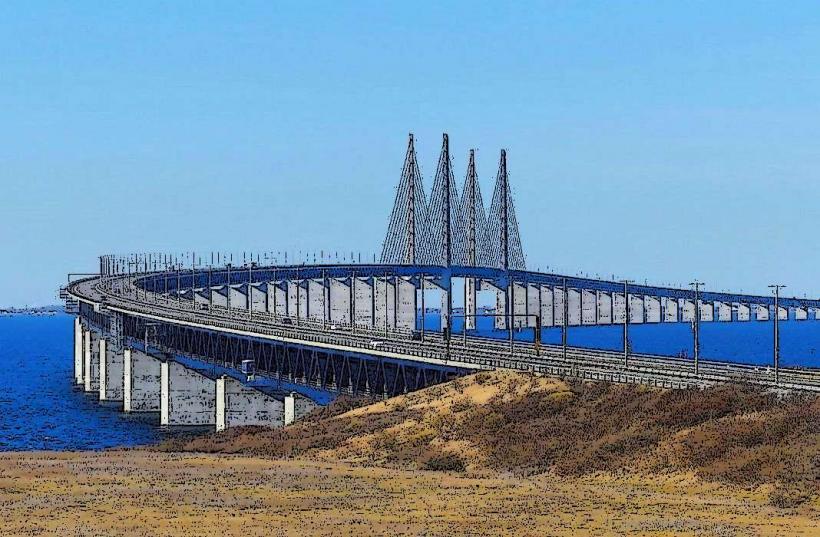
Öresund Bridge: The 8km combined road and rail link connecting Malmö to Copenhagen.
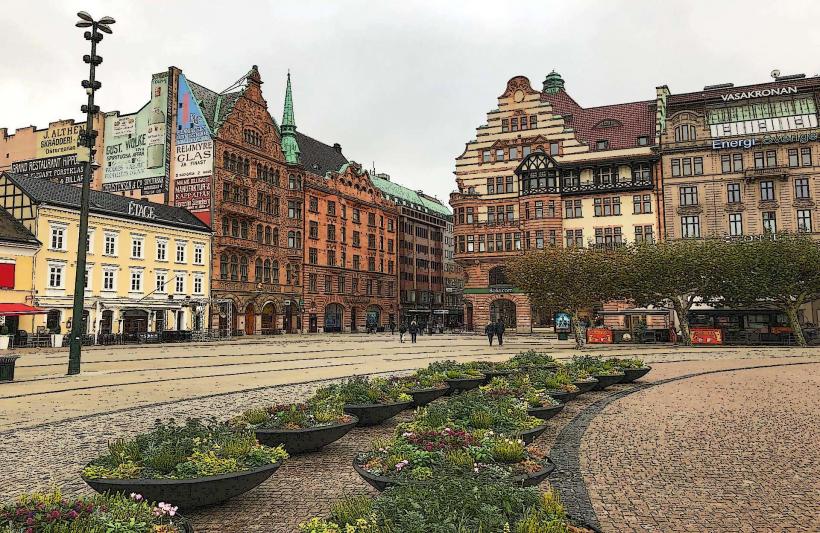
Lilla Torg: A historic cobblestone square famous for its cafes and half-timbered houses.
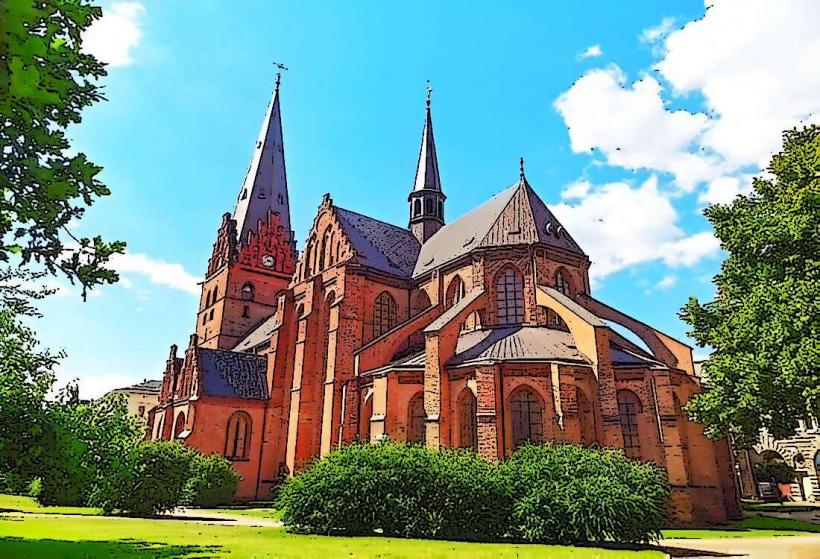
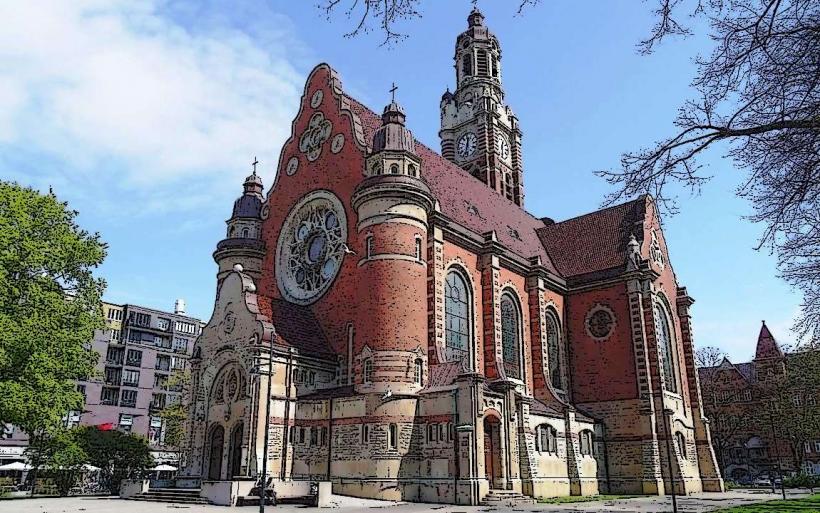
St. Peter’s Church (Sankt Petri Kyrka): A 14th-century Gothic brick church, the city’s oldest building.
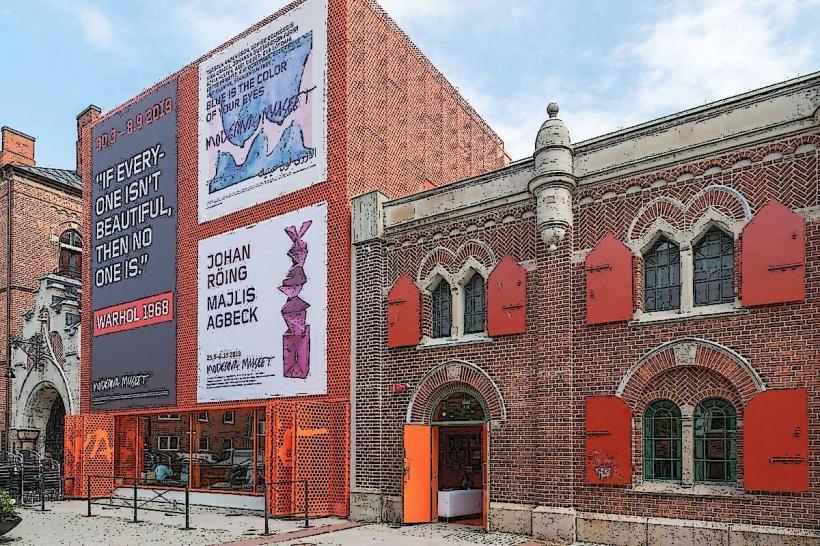
Moderna Museet Malmö: A major museum of modern and contemporary art located in a former electricity station.
Transportation Network
Movement is managed by Skånetrafiken. The city is one of the most bike-friendly in the world, with over 500 km of cycle paths. Public transit is dominated by an extensive electric bus network. The City Tunnel provides rapid underground rail transit between Malmö Central, Triangeln, and Hyllie. Air travel is serviced by Copenhagen Airport (CPH) (20 minutes by train) or Malmö Airport (MMX) (primarily domestic/regional).
Safety & "Red Zones"
The safety level for visitors is high in central and tourist areas. There are no "no-go zones," but the Swedish police designate certain outlying suburbs (e.g., Rosengård) as "vulnerable areas" due to socio-economic challenges and occasional gang-related activity. These areas rarely impact tourists, but standard urban caution is advised in the city center around Möllevångstorget late at night.
Digital & Financial Infrastructure
Average internet speed is 500–1000 Mbps. Malmö is a leading site for 5G and smart city testing. The city is virtually cashless; international cards and mobile payments (Apple Pay/Google Pay/Swish) are the standard. Many retailers and restaurants do not accept physical currency.
Climate & Air Quality
Temperatures range from -1°C in winter to 21°C in summer. The maritime climate is characterized by strong winds from the Öresund Strait and high humidity. Air quality is excellent, aided by the transition to an all-electric bus fleet in 2025.
Culture & Social Norms
Tipping is not required, but rounding up the bill is common in restaurants. The culture is defined by "Mångfald" (Diversity) and a progressive, sustainable lifestyle. Malmö is famous for its falafel culture (often cited as the best in Europe) and its massive annual Malmöfestivalen in August.
Accommodation Zones
Stay in Centrum/Old Town for proximity to historical sites and the central station.
Stay in Västra Hamnen for modern waterfront views and eco-friendly hotels.
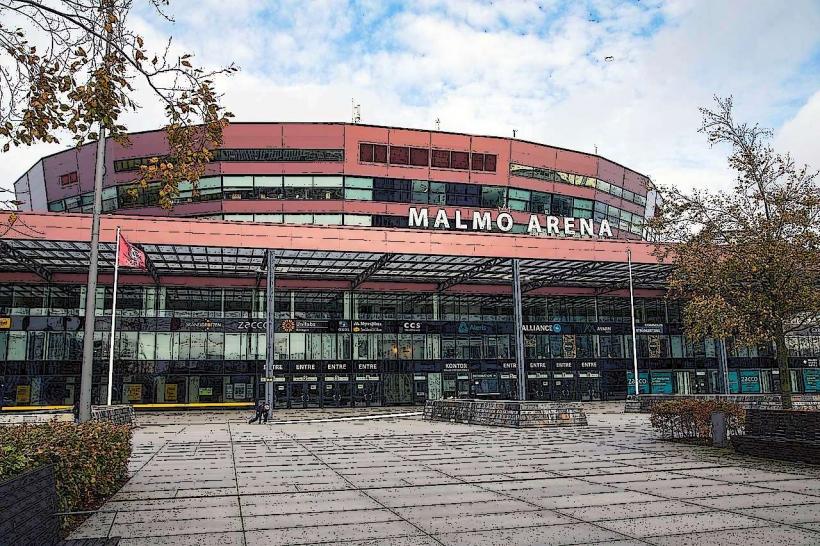
Stay in Hyllie for logistics and events at the Malmö Arena.
Local Cost Index
1 Espresso: 40 – 50 SEK
1 Malmö Falafel: 45 – 70 SEK
1 Standard Lunch: 135 – 180 SEK
1 Single Transit Ticket: 31 SEK
Nearby Day Trips
Lund: 15 km (10 minutes by train) – A historic university city with a 12th-century cathedral.
Copenhagen, Denmark: 35 minutes by train across the bridge.
Falsterbo/Skanör: 30 km (35 minutes) – Known for white sand beaches and bird watching.
Facts & Legends
Local legend says that King Christian III of Denmark used Malmö as a base for his "count's feud" because it was the only city he truly trusted. A verified historical fact is that the Turning Torso was based on a sculpture by Santiago Calatrava called Twisting Torso, and it has no windows that can be opened in its upper floors due to extreme wind pressure at that height.