Information
City: Marquesas IslandsCountry: French Polynesia
Continent: Australia
Marquesas Islands, French Polynesia, Australia
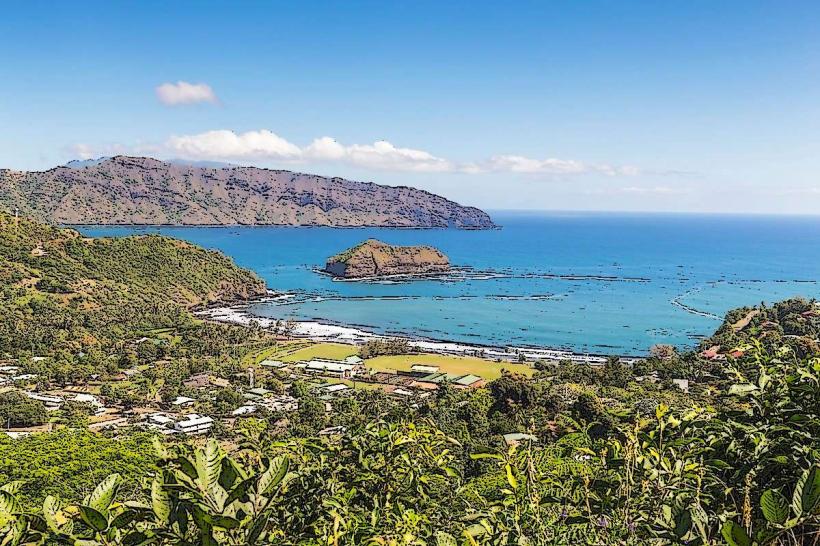
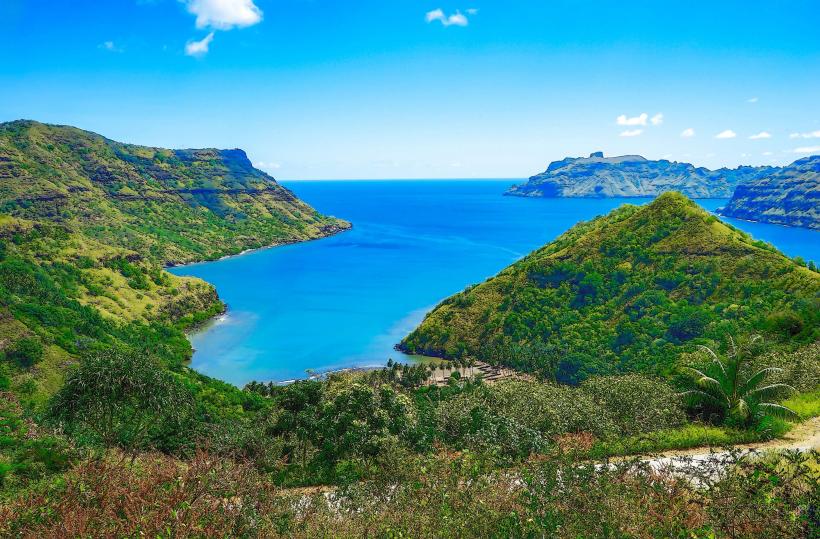
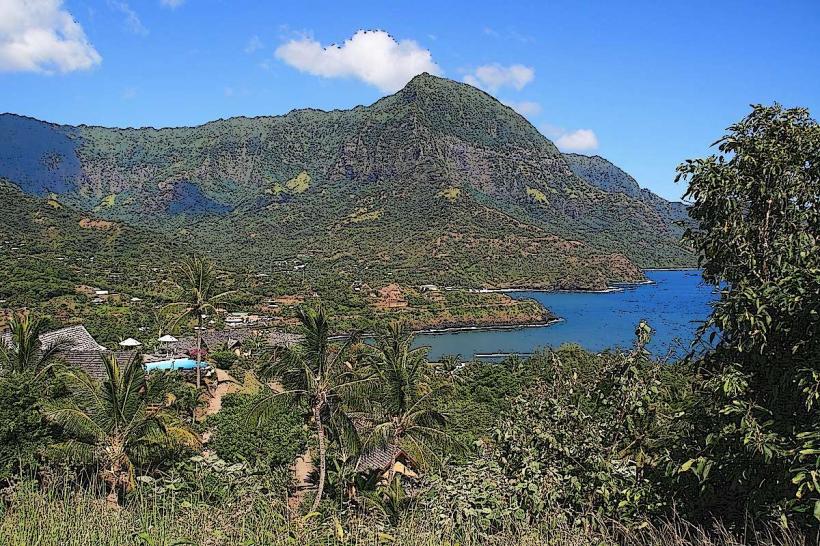
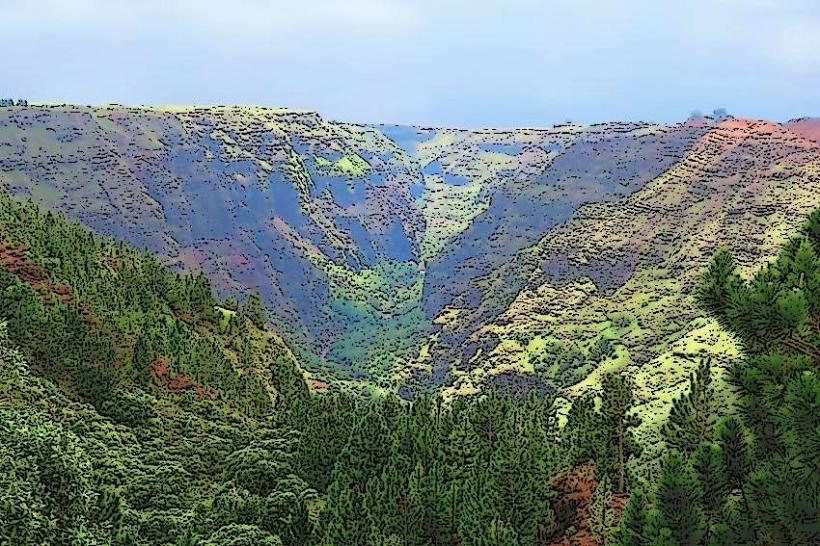
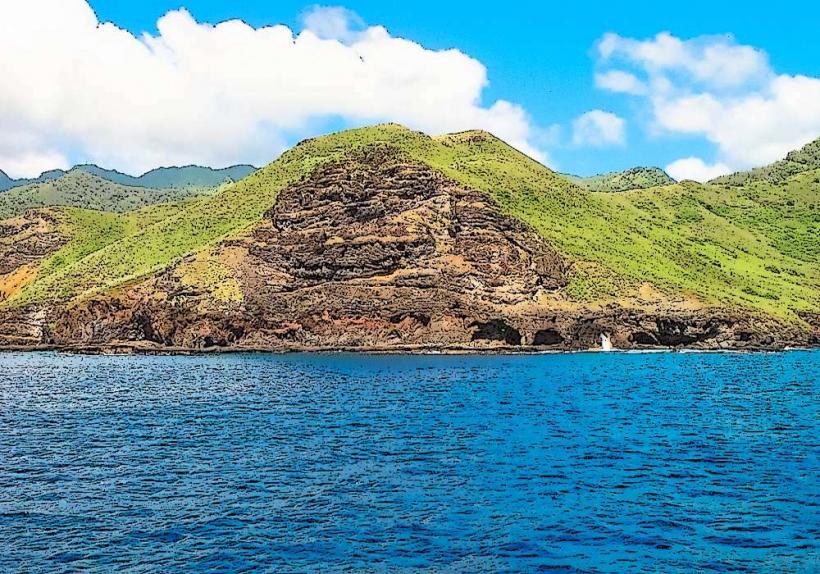
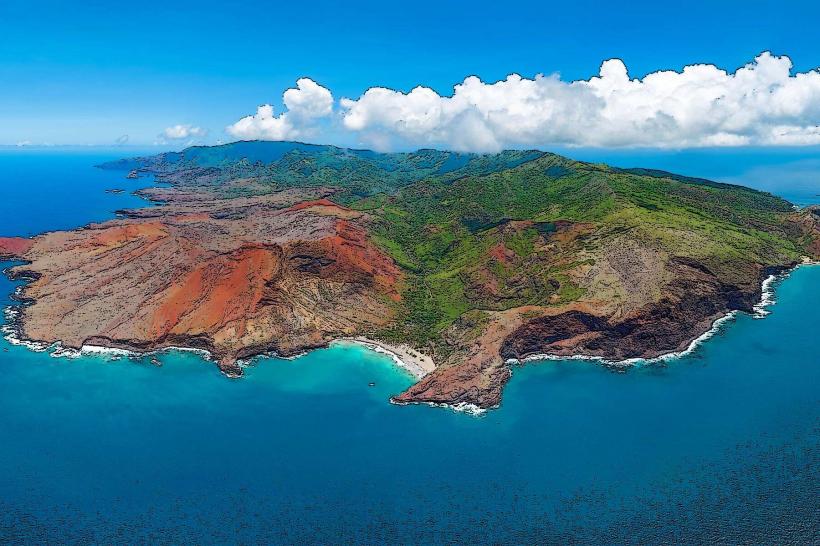
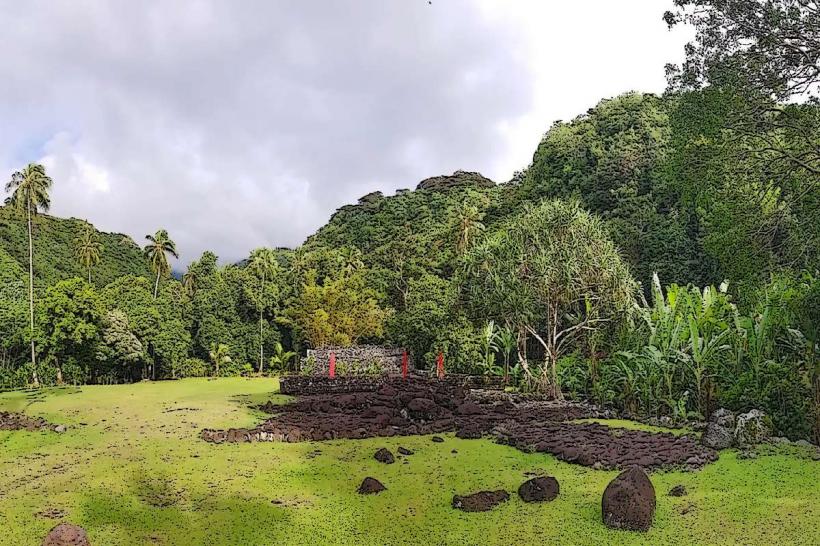
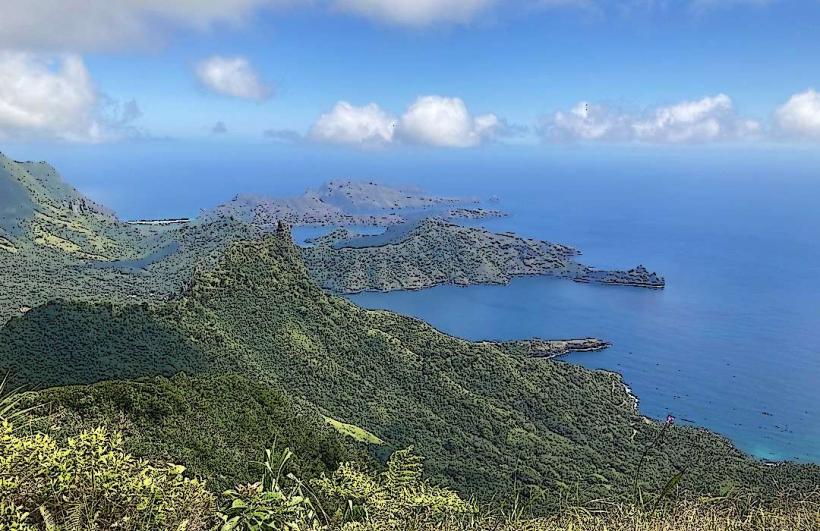
The Marquesas Islands (Henua Enana - "Land of Men") are a volcanic archipelago in French Polynesia, located 1,500 km northeast of Tahiti. They are the most remote island group in the world, characterized by vertical basalt cliffs, a lack of coral reefs, and a distinct culture independent of the Society Islands.
Historical Timeline
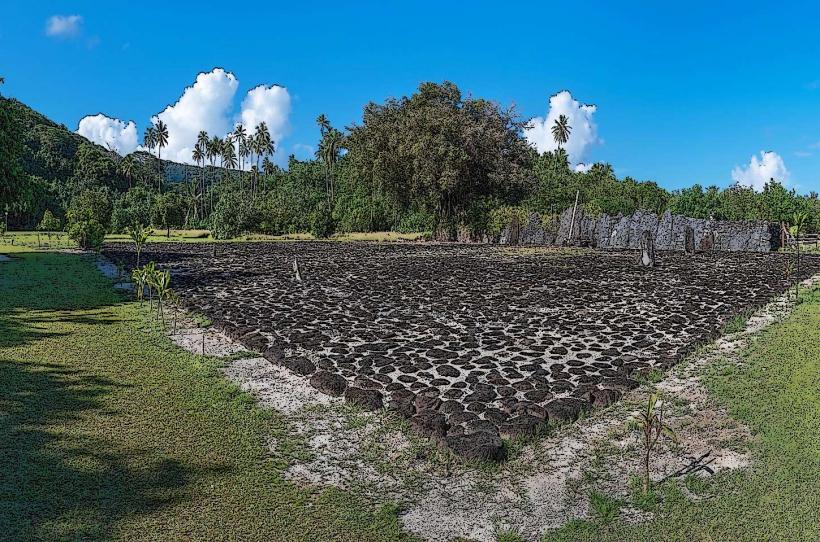
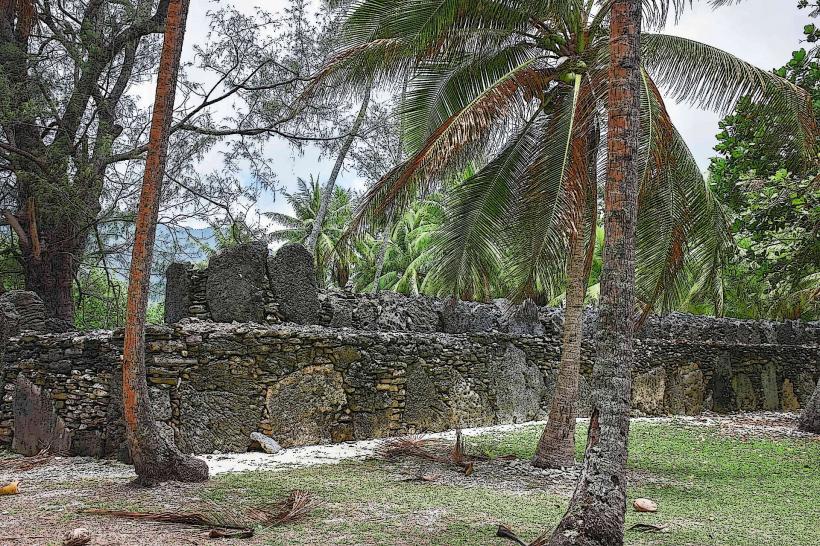
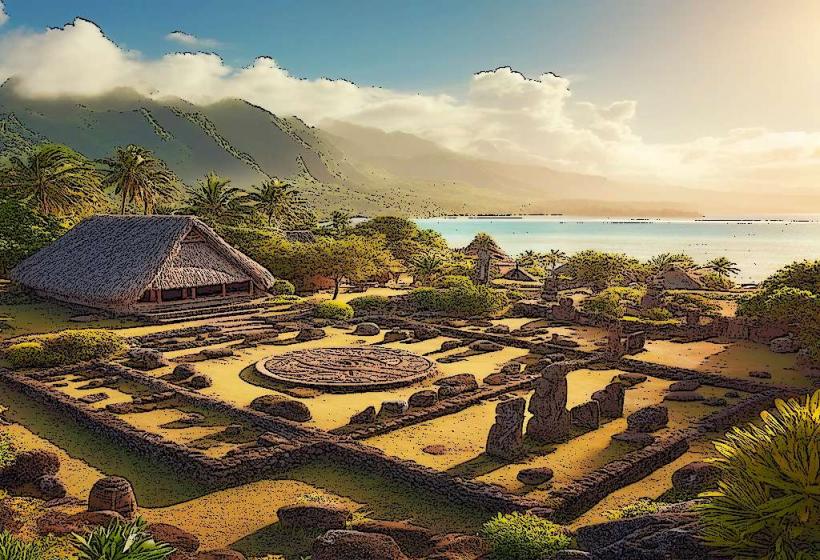
Settled by Polynesians as early as 200 BCE, the Marquesas served as the primary dispersal point for the colonization of Hawaii, Easter Island, and New Zealand. European contact in 1595 led to a demographic collapse due to introduced diseases, with the population falling from over 100,000 to approximately 2,000 by the early 20th century. In 2024, the archipelago was designated a UNESCO World Heritage site for its combined cultural and natural significance.
Demographics & Population
The population is approximately 9,500. The demographic is Enata (Marquesan). The islands are split into two groups:
Northern Group: Nuku Hiva (administrative center), Ua Pou, Ua Huka.
Southern Group: Hiva Oa, Tahuata, Fatu Hiva.
Urban Layout & Key Districts
Taiohae (Nuku Hiva): The administrative capital, situated in a massive volcanic amphitheater.
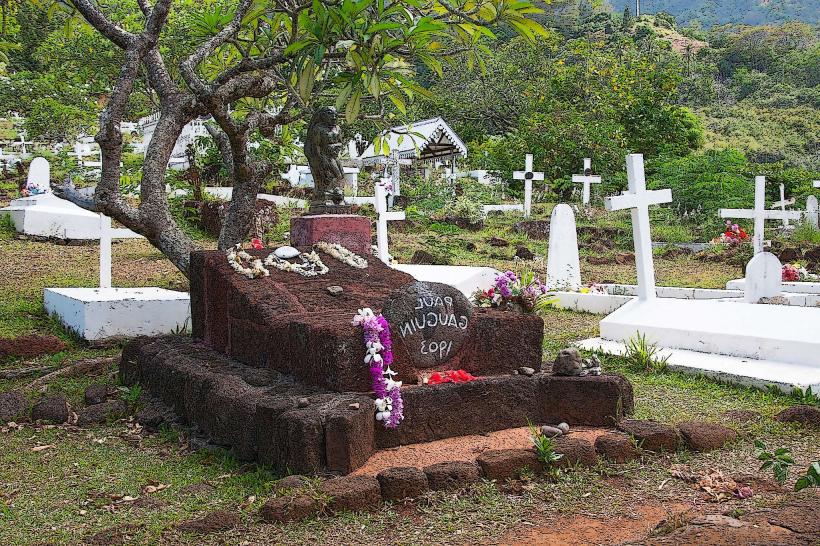
Atuona (Hiva Oa): The cultural hub, famous as the final home of Paul Gauguin and Jacques Brel.
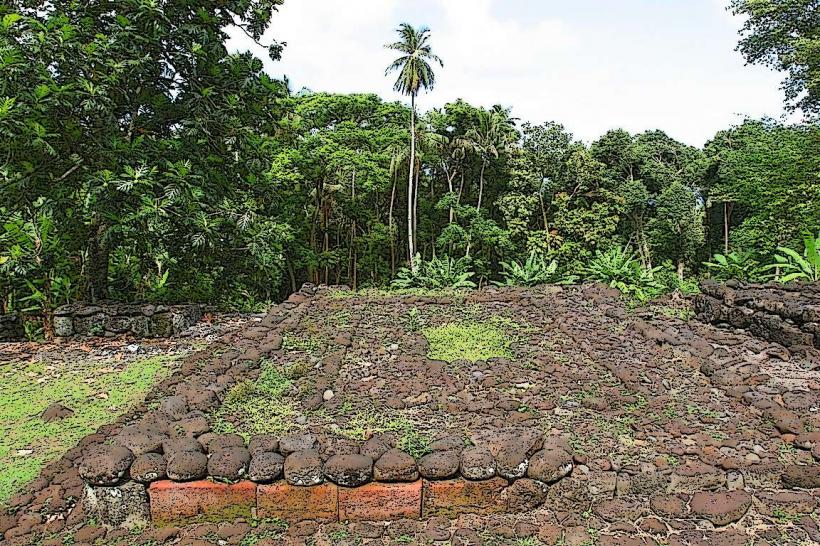
Hane (Ua Huka): An archaeological center known for ancient sea bird egg harvesting.
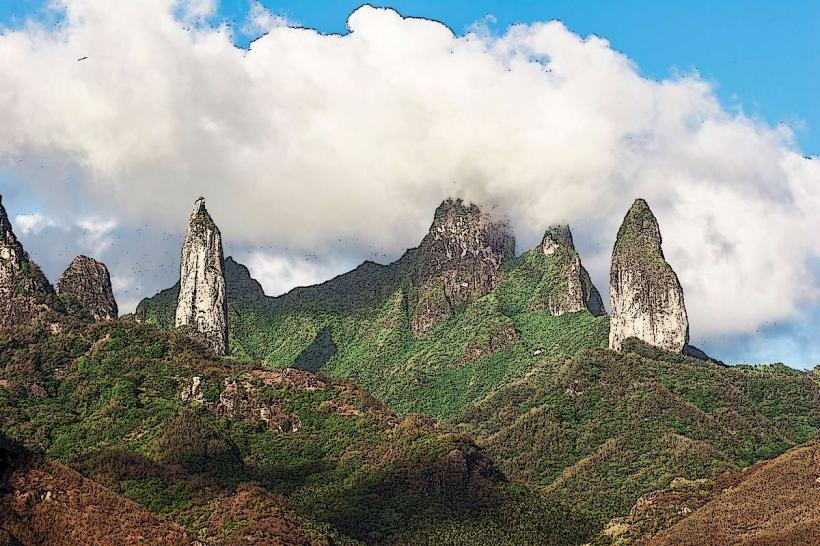
Hakahau (Ua Pou): A coastal village dominated by dramatic phonolitic "stone pillars."
Top Landmarks
Vaipo Waterfall (Nuku Hiva): One of the highest waterfalls in the world ($350$ meters).
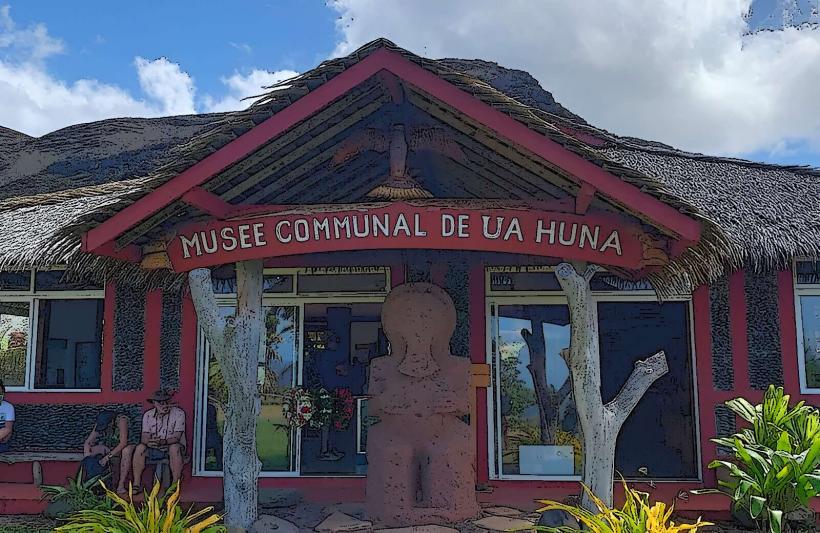
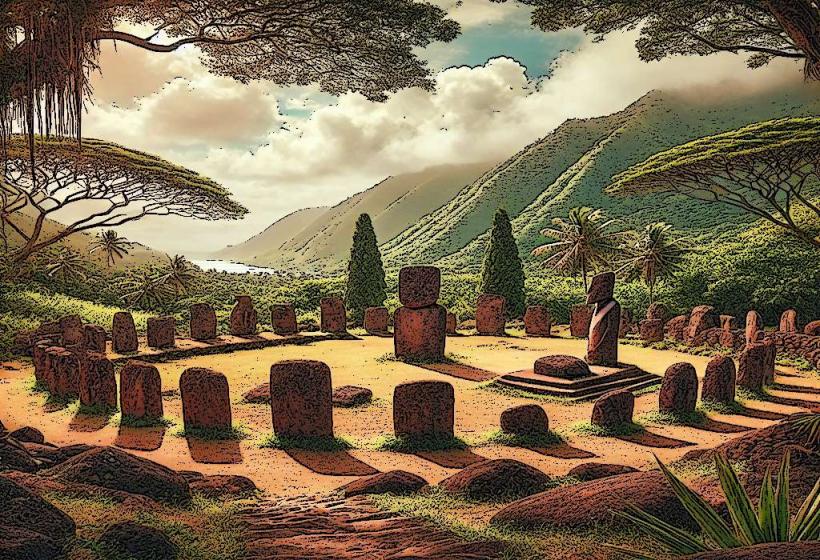
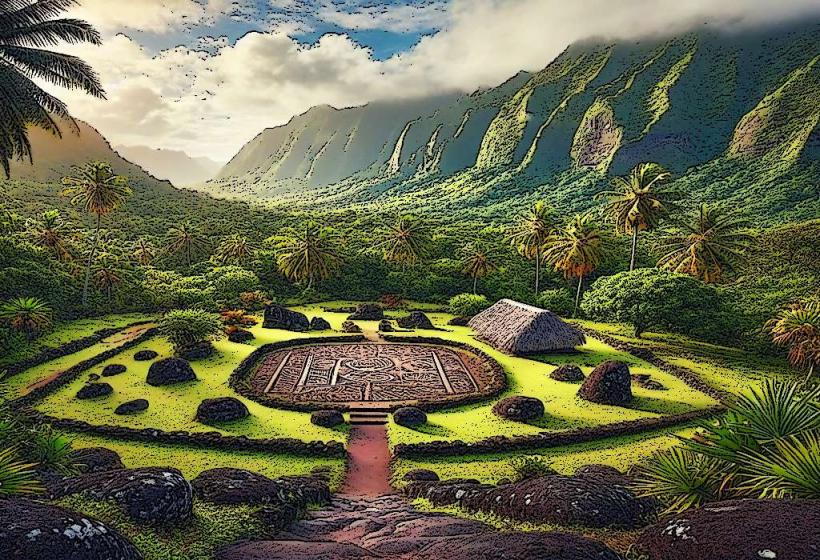
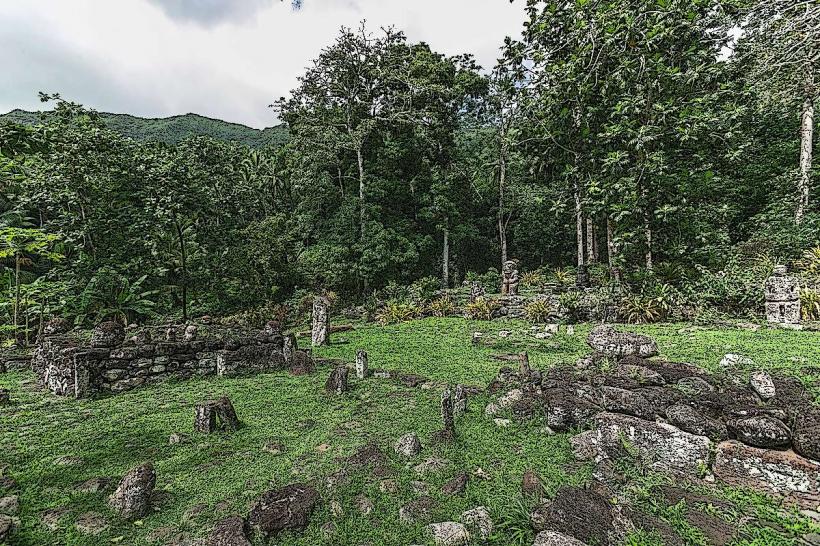
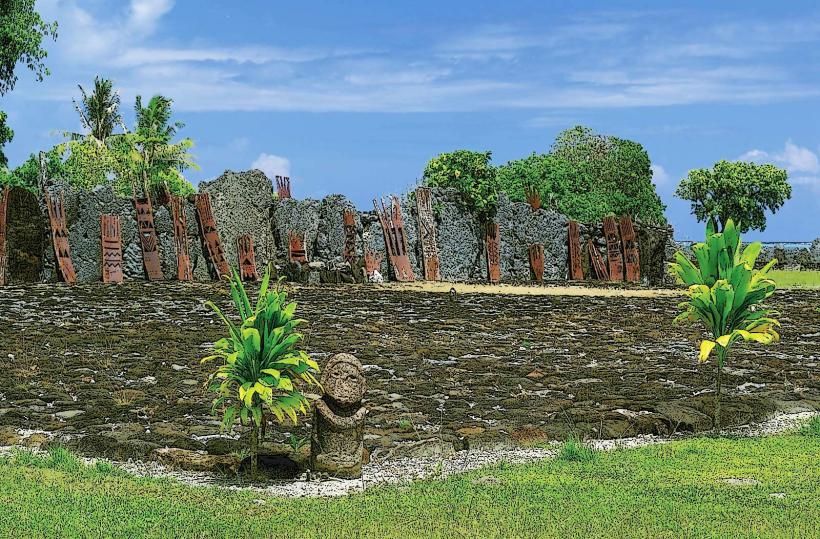
Tiki Bagat (Hiva Oa): Home to "Tiki Takaii," the largest ancient stone tiki in French Polynesia ($2.43$ meters).
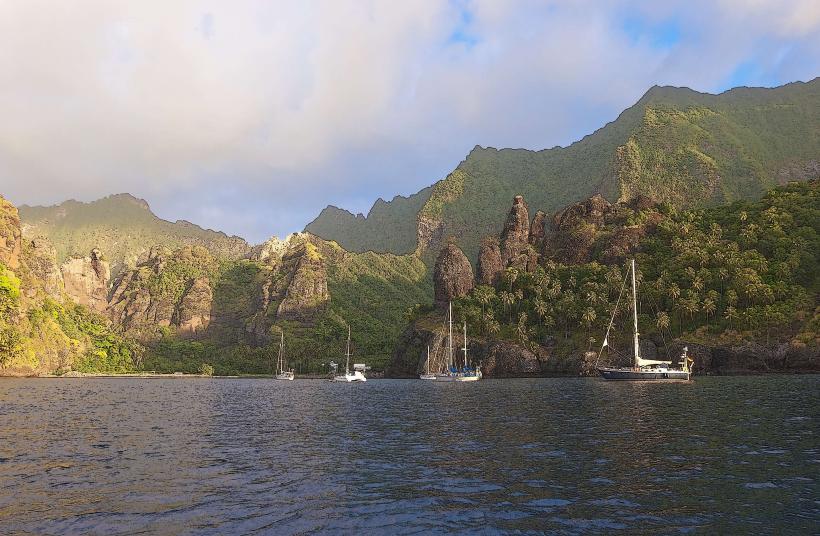
Bay of Virgins (Fatu Hiva): Widely considered the most scenic bay in the Pacific, featuring towering basalt spires.
Calvary Cemetery (Hiva Oa): The burial site of Paul Gauguin and Jacques Brel.
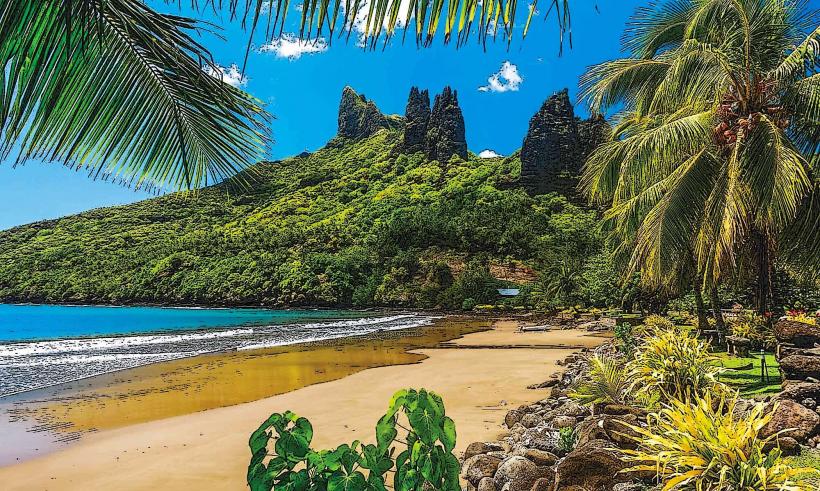
Anaho Bay (Nuku Hiva): One of the few areas with a small, fringing reef and a secluded white-sand beach.
Transportation Network
Air: Air Tahiti operates flights to Nuku Hiva (NHV) and Hiva Oa (AUQ). Small "inter-island" shuttle planes connect the other islands.
Maritime: The Aranui 5, a dual-purpose freighter-cruise ship, is the primary lifeline, delivering cargo and passengers from Tahiti.
Ground: Travel is conducted via 4x4 vehicles due to the steep, rugged, and often unpaved mountain terrain. There is no public transit.
Safety & "Red Zones"
The islands are very safe.
Nono Flies: Small biting midges (black and white varieties) are prevalent on beaches and in valleys; repellent is mandatory.
Terrain: Do not hike without a guide; the volcanic soil is crumbly and ridges are extremely narrow.
Marine: Due to the lack of reefs, the coast is exposed to heavy swells and sharks; swim only in protected bays.
Digital & Financial Infrastructure
Internet is provided via the NATITUA undersea cable. Speidences are functional in Taiohae and Atuona but drop significantly in remote valleys. The currency is the CFP Franc (XPF). ATMs are available only on Nuku Hiva and Hiva Oa. Cash is mandatory for almost all transactions on the other islands.
Climate & Air Quality
Subtropical climate; drier than Tahiti but with high humidity. Air quality is pristine. The islands are outside the typical cyclone belt but subject to extreme orographic rainfall.
Culture & Social Norms
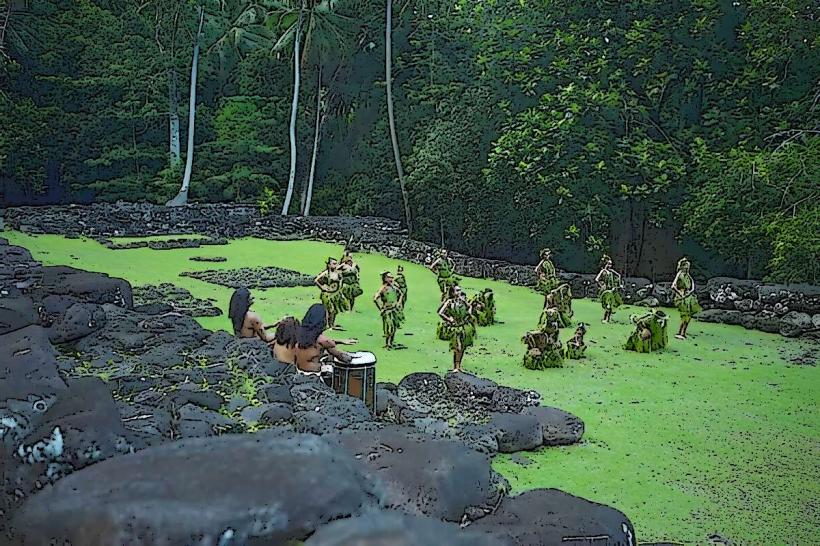
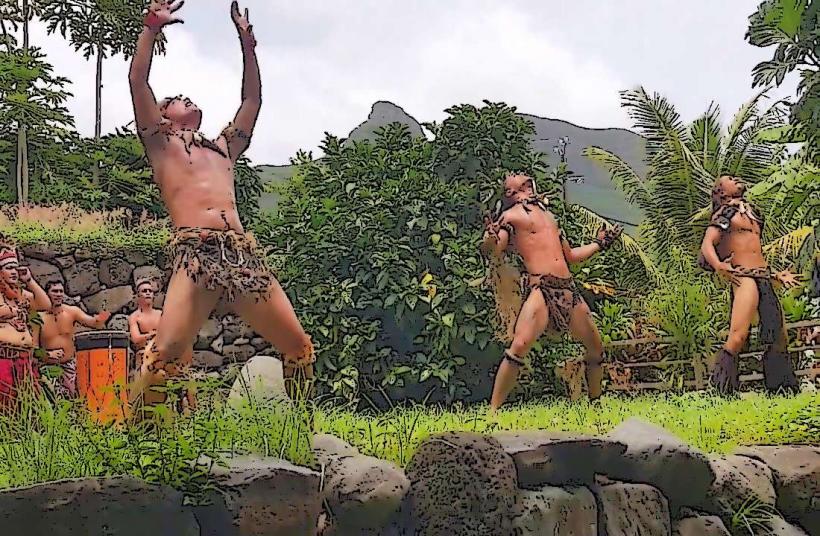
Marquesan culture is defined by Patutiki (tattooing), wood carving, and stone masonry. The Marquesan language is distinct from Tahitian. Tipping is not expected. It is standard to greet everyone you encounter in smaller villages.
Local Cost Index (XPF)
1 Espresso: 500–700 XPF
1 Standard Lunch (Goat in Coconut Milk): 2,500–4,000 XPF
1 Guided 4x4 Tour (Full Day): 15,000–25,000 XPF
Facts & Legends
Legend says the islands were built as a "Great House" for the gods: Nuku Hiva was the roof, Ua Pou the pillars, and Hiva Oa the main beam. A geographic fact: The Marquesas are the only volcanic islands in French Polynesia that do not have a protective barrier reef, resulting in a dramatic, "wild" coastline where the ocean crashes directly against the cliffs.