Information
Landmark: Marae TaputapuāteaCity: Marquesas Islands
Country: French Polynesia
Continent: Australia
Marae Taputapuātea, Marquesas Islands, French Polynesia, Australia
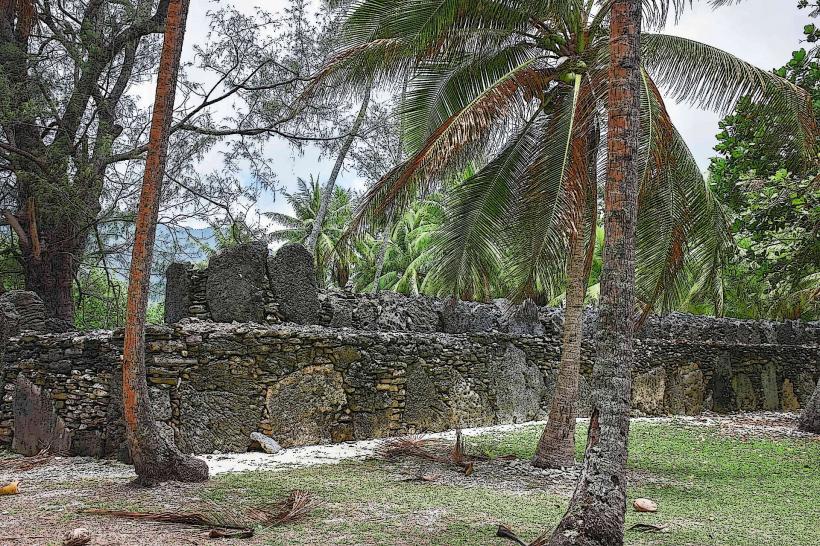
Marae Taputapuātea is one of the most significant archaeological and cultural sites on Nuku Hiva in the Marquesas Islands of French Polynesia. Located near Taiohae Bay, this ancient ceremonial site offers a glimpse into the spiritual and social practices of the indigenous Marquesan people. The marae (a Polynesian temple or sacred site) is a testament to the rich cultural heritage of the Marquesas and is considered one of the most important sites in Polynesia.
Historical and Cultural Significance
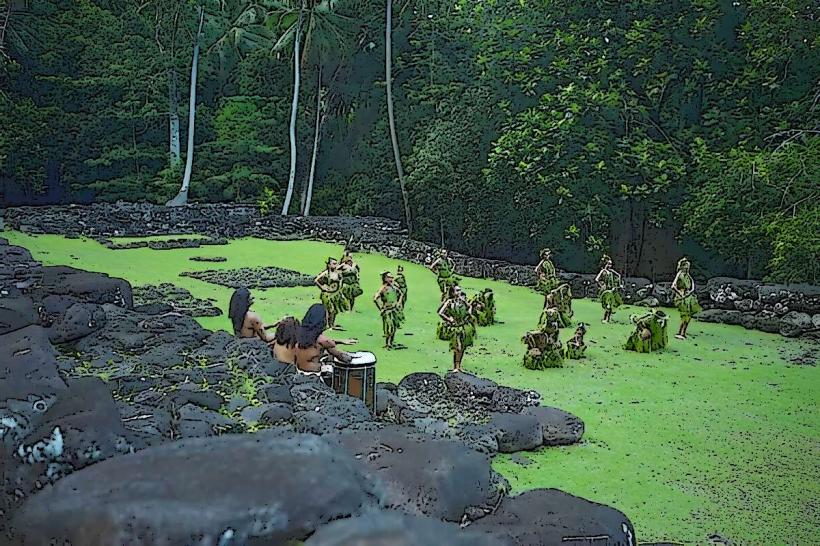
Religious and Ceremonial Importance: Marae Taputapuātea was used by the Marquesan people for religious ceremonies, including sacrifices, offerings, and rites of passage. Maraes were often places of worship dedicated to Polynesian gods, and Taputapuātea was likely one of the largest and most important in the Marquesas. The site would have been central to community life, where tribal leaders and priests would conduct ceremonies to honor deities and ensure the wellbeing of the community.
Spiritual Connections: Taputapuātea is linked to the Polynesian god ʻOro, the god of fertility, war, and the heavens. This association is significant, as many maraes in Polynesia were dedicated to powerful gods like ʻOro, who were central to the religious practices of the people. The site also holds strong spiritual meaning for the Marquesan people, representing a connection between the earthly and divine realms.
Marquesan Social Hierarchy: The marae was not only a place for spiritual rites but also played a role in reinforcing the social hierarchy. It was a space where chiefs and nobles (referred to as "arii") would gather to make decisions affecting the community. These gatherings and ceremonies were central to maintaining the order and structure of Marquesan society.
Architectural Features
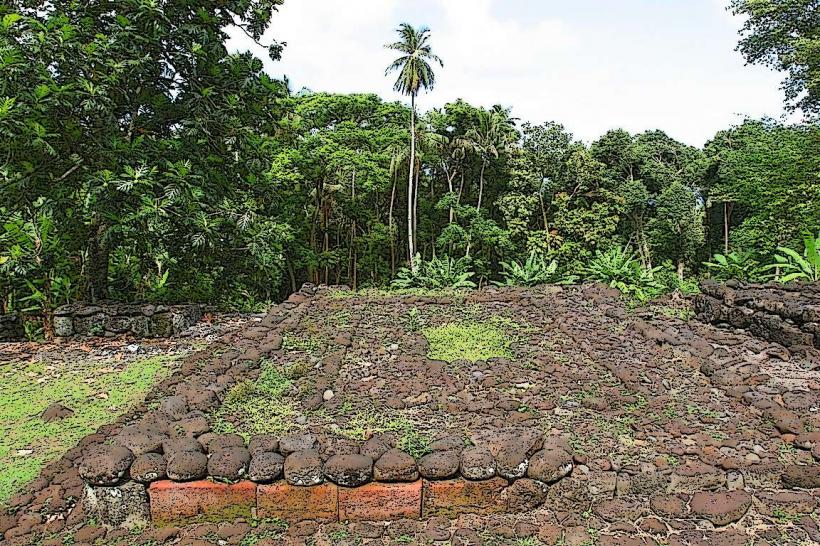
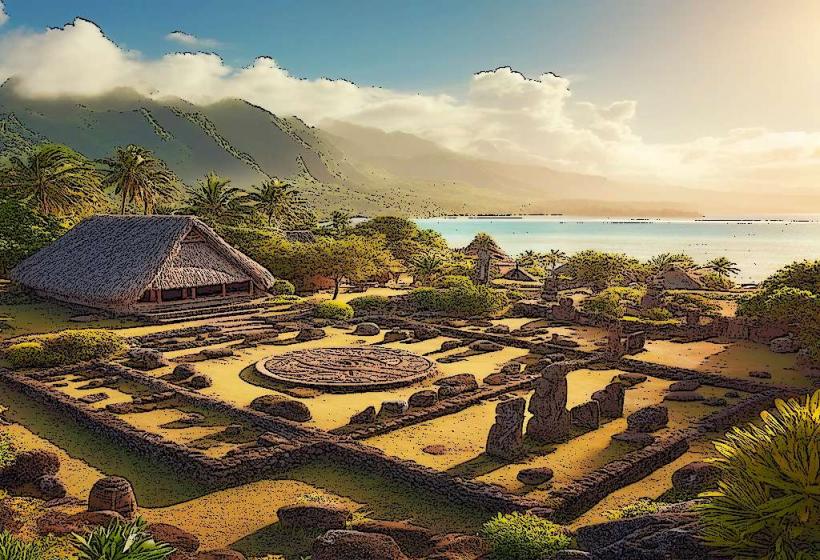
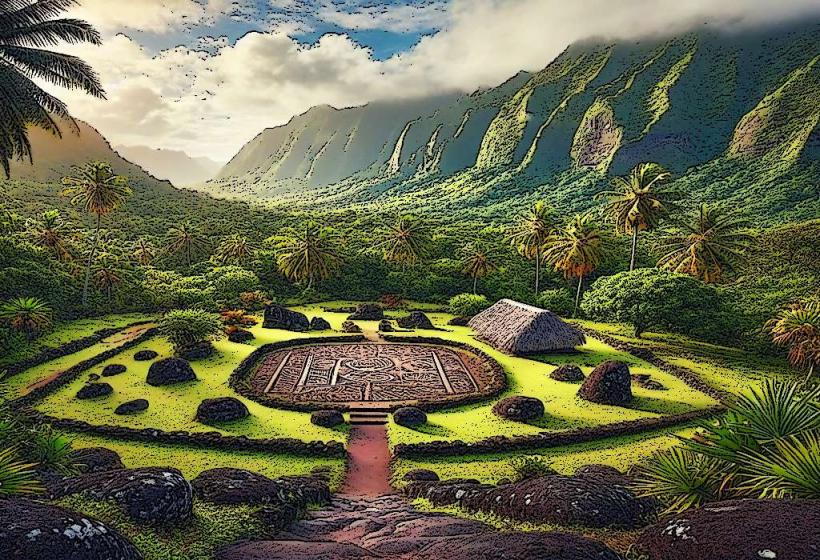
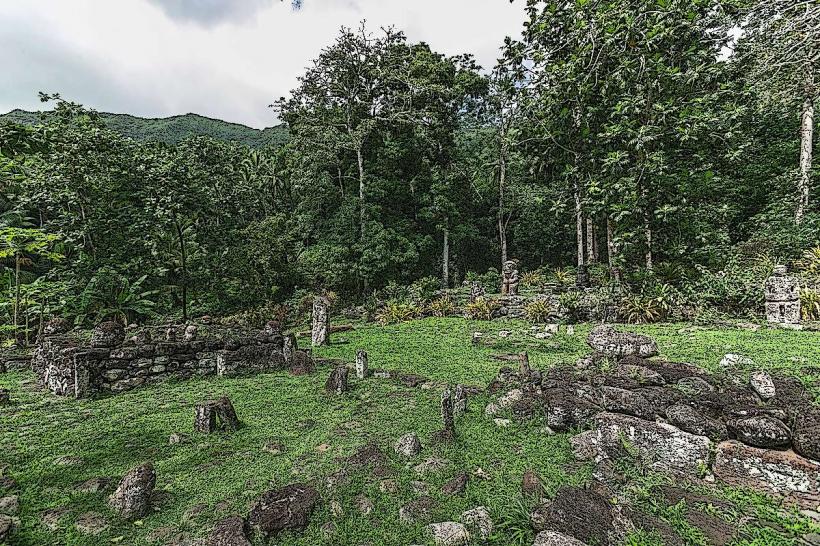
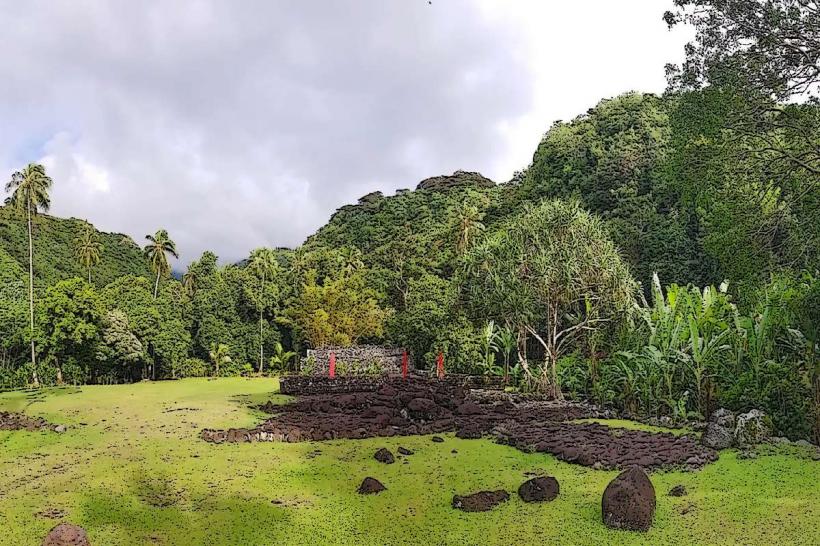
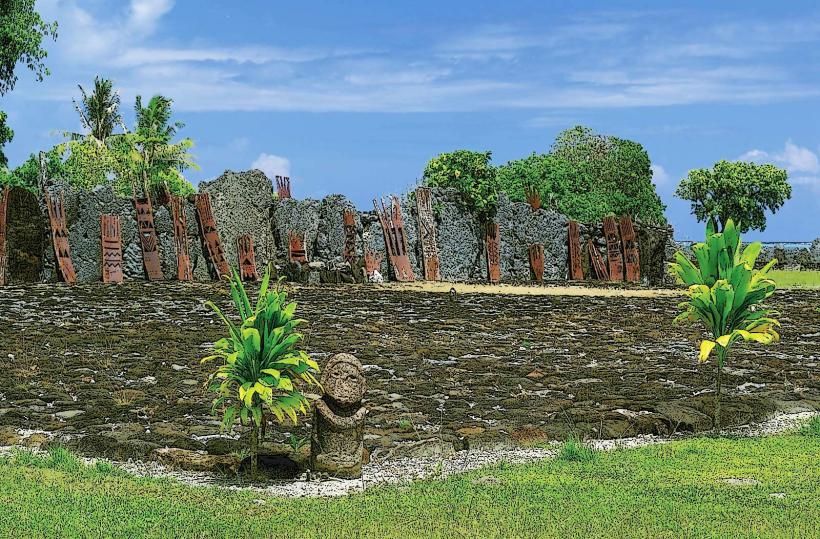
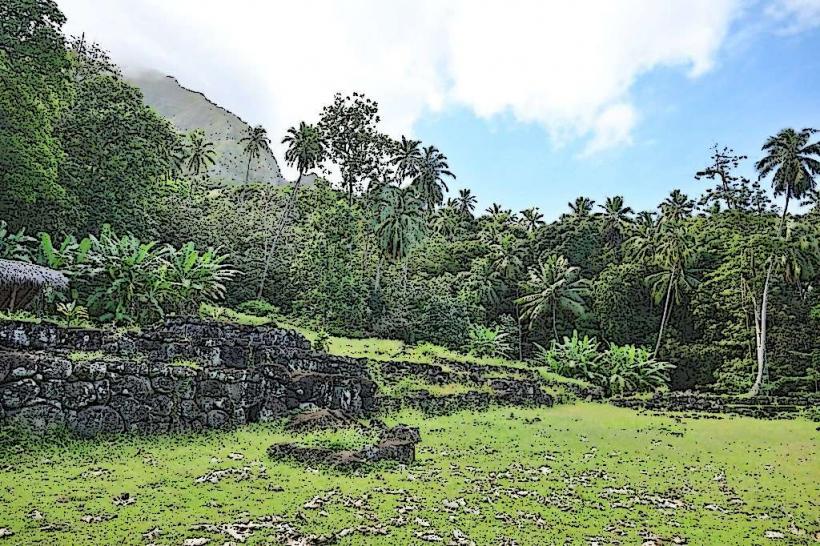
Stone Platforms: Like many Polynesian maraes, Taputapuātea is built using large, meticulously arranged stone platforms. These platforms were used as stages for ceremonies, and the structure of the site reflects the advanced engineering and stone-working skills of the Marquesan people. The marae is characterized by its stone walls, altars, and spaces used for ritual gatherings.
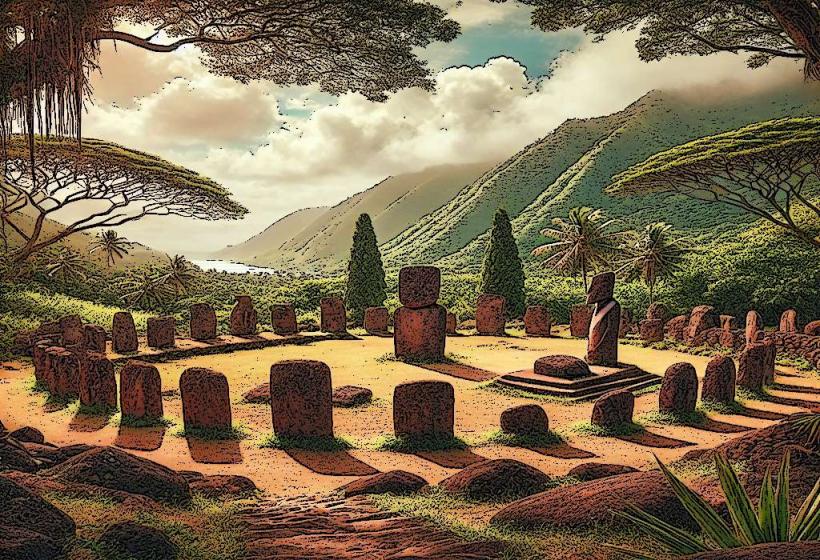
Ahu (Altar): The central feature of the marae is the ahu, or altar, where offerings and sacrifices were made. The altar is typically a raised stone platform, often decorated with carvings or symbols that represent the gods. The ahu at Taputapuātea would have been the focal point for ceremonies and rituals.
Tiki Statues and Carvings: The marae is also home to numerous tiki statues and petroglyphs, which are carved representations of gods, ancestors, or animals. These carvings and statues not only have spiritual significance but also reflect the artistic traditions of the Marquesan people. The tiki statues, often made of stone or wood, were believed to house the spirits of ancestors or gods, serving as intermediaries between the divine and the human.
Archaeological Discoveries
Restoration Efforts: The marae has undergone several restoration efforts to preserve its historical and cultural integrity. Over time, natural elements and human activity led to the deterioration of some structures, but ongoing work has allowed scholars and locals to restore and protect the site for future generations. The restoration process has also helped uncover further artifacts, carvings, and foundations that provide deeper insights into the life of the Marquesan people.
Artifacts: Excavations at Marae Taputapuātea have uncovered various artifacts, including tools, pottery, and religious objects that provide valuable information about the ancient Polynesian way of life. These findings help illustrate the complexity of the Marquesan culture and its connection to other Polynesian societies across the Pacific.
Visiting Marae Taputapuātea
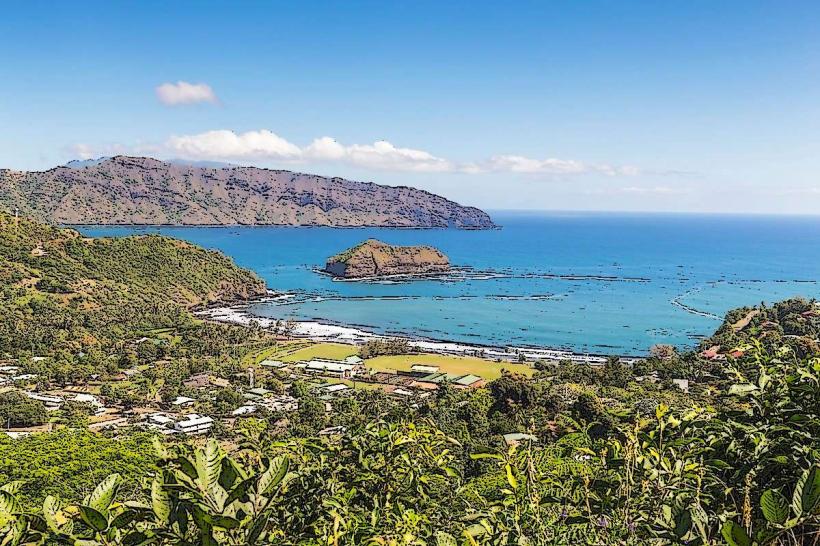
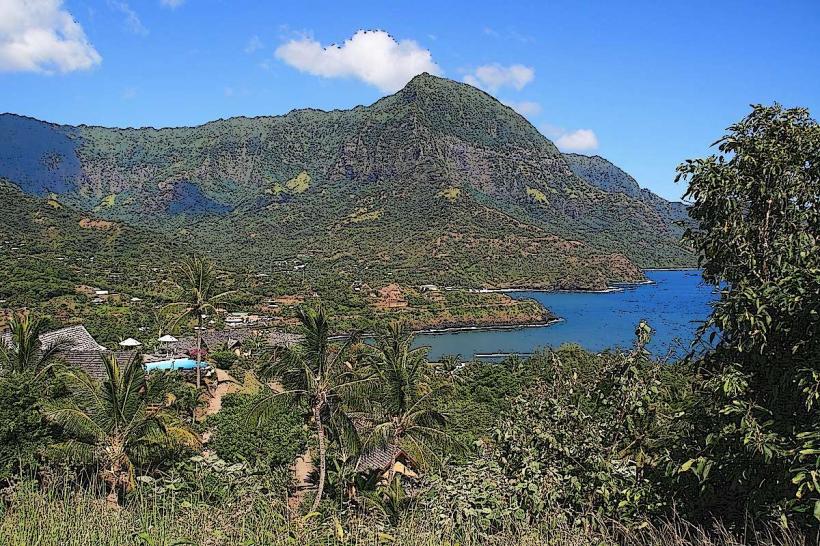
Access: The Marae Taputapuātea site is located near the village of Taiohae on Nuku Hiva, making it easily accessible for visitors. The site is situated in a picturesque location, surrounded by lush vegetation and volcanic hills. It is a popular destination for tourists interested in Polynesian culture, history, and archaeology.
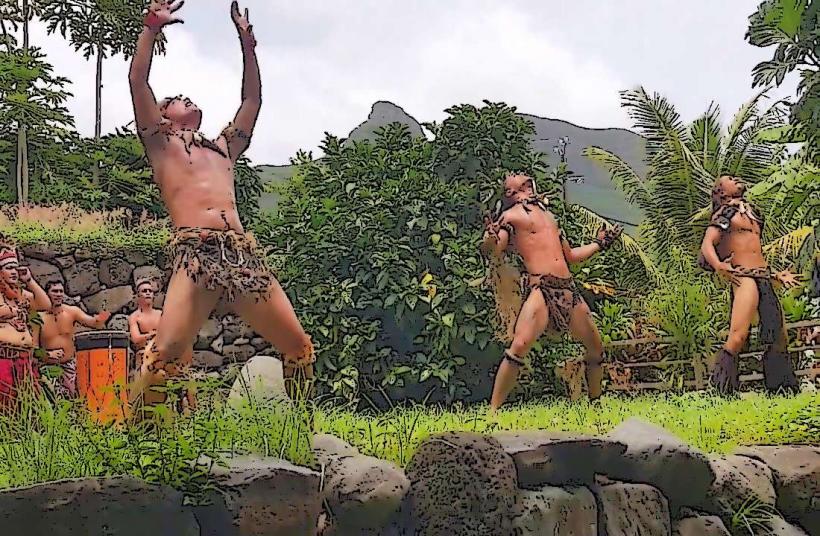
Guided Tours: To gain a deeper understanding of the site’s history and cultural significance, it is recommended to take a guided tour. Local guides, often members of the Marquesan community, provide insight into the spiritual, cultural, and social importance of the marae. They share knowledge about traditional customs, the rituals performed at the site, and the role of Taputapuātea in the larger context of Marquesan history.
Respect for the Site: As a sacred site, it is important for visitors to show respect when visiting Marae Taputapuātea. The Marquesan people hold this site in deep reverence, and visitors are encouraged to refrain from disturbing the grounds or removing any artifacts. There are often specific guidelines in place to ensure the preservation of the site and its cultural significance.
Why Visit Marae Taputapuātea?
Cultural Experience: Visiting Marae Taputapuātea offers a unique opportunity to connect with the spiritual and cultural heritage of the Marquesas Islands. The site provides an in-depth look into the ancient Polynesian practices and beliefs that shaped the life of the Marquesan people, offering a deep and reflective experience for those interested in history and culture.
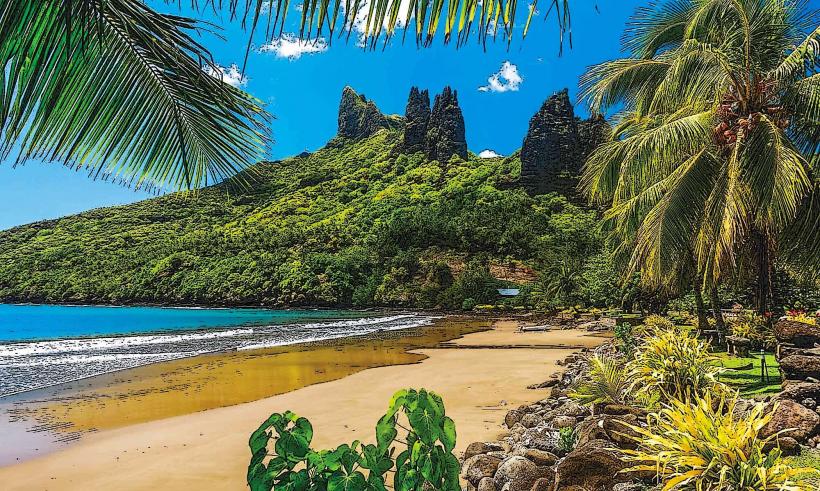
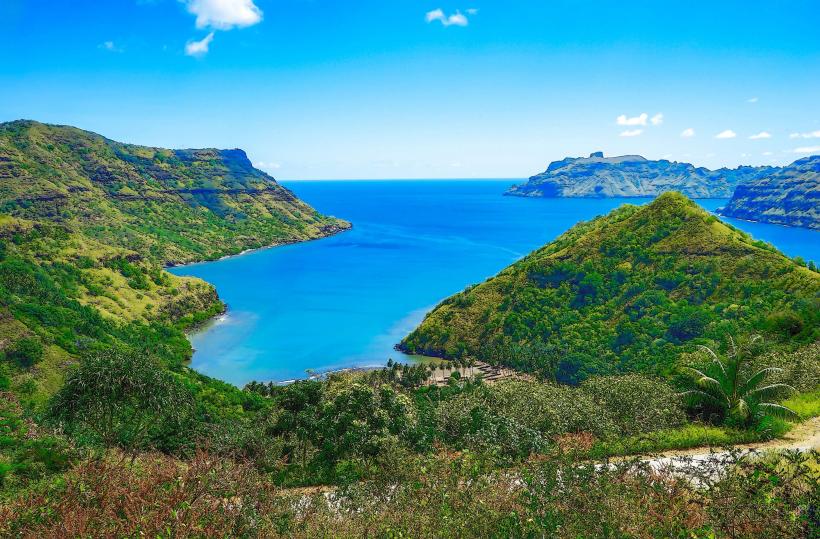
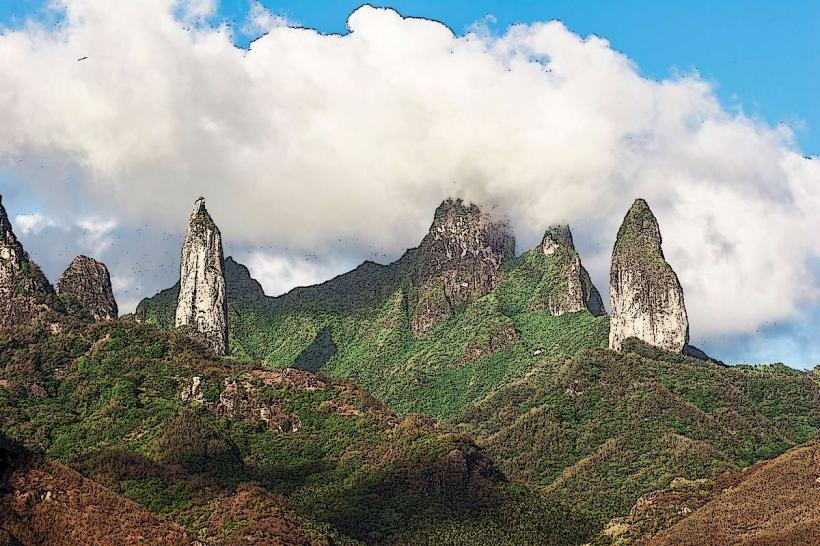
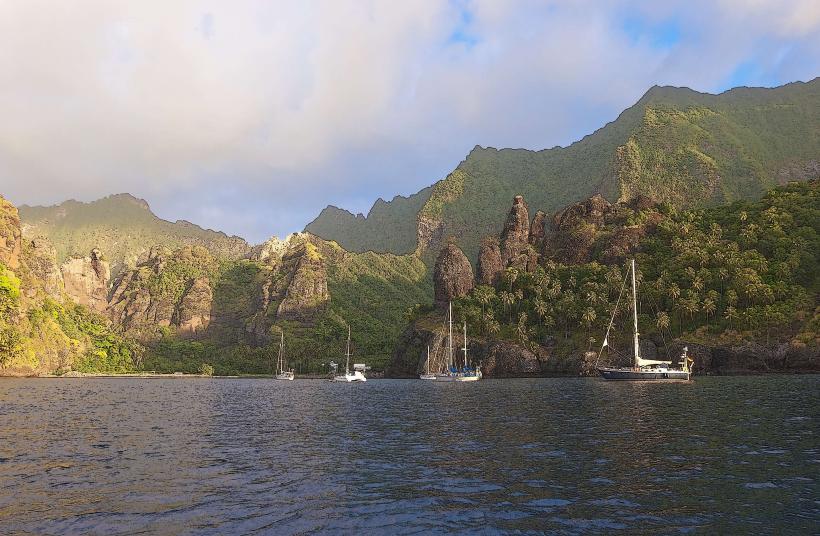
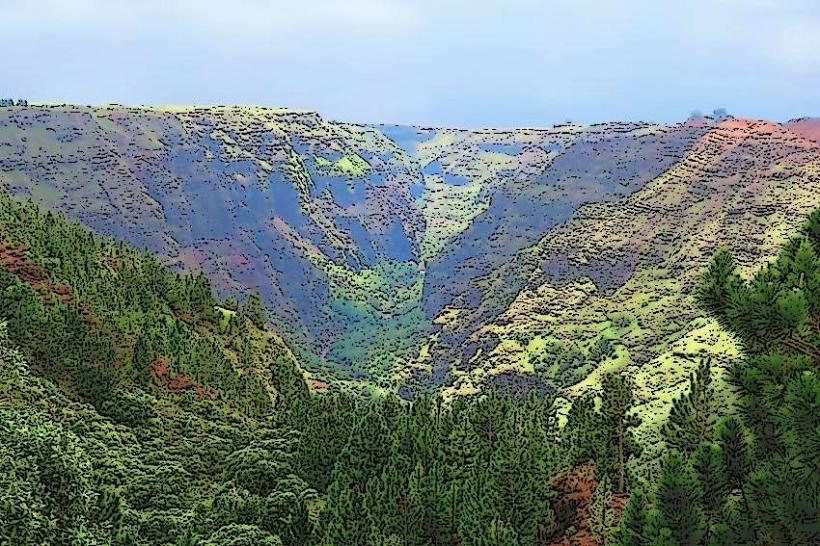
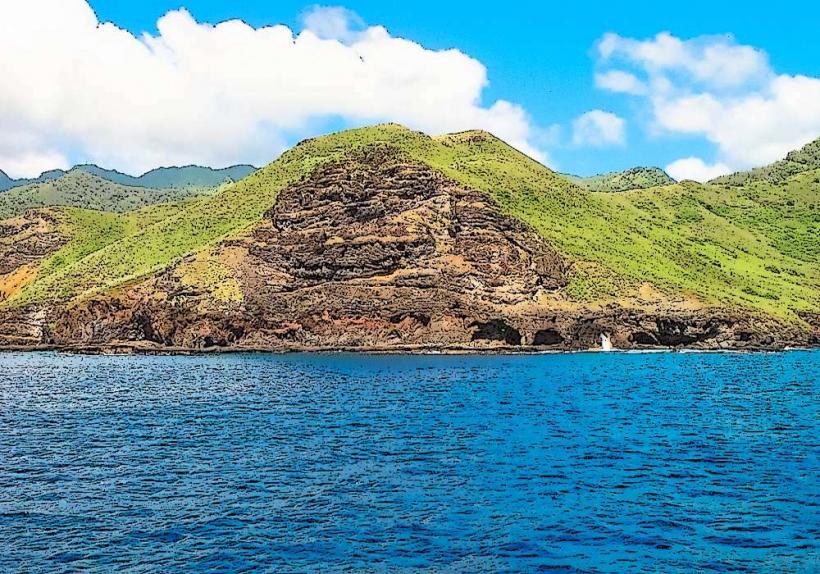
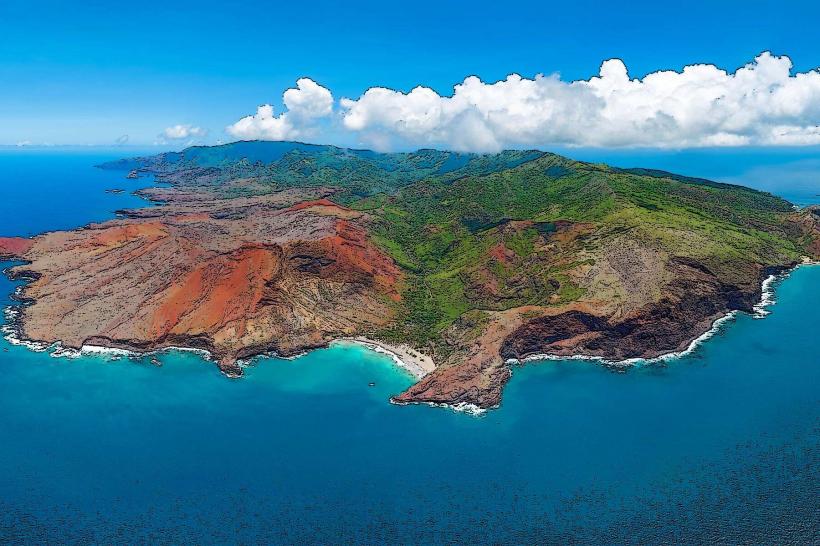
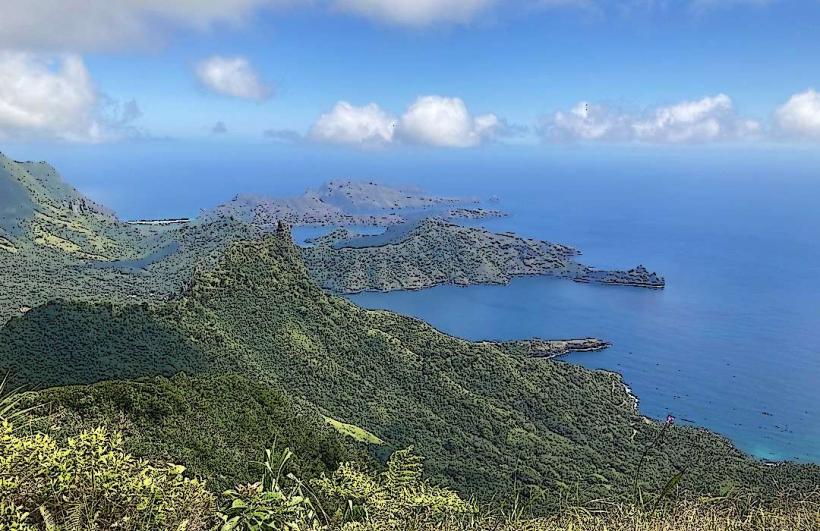
Stunning Views: The location of the marae offers visitors stunning views of the surrounding landscape, including the volcanic peaks of Nuku Hiva and the lush valleys. The natural beauty of the site, combined with its cultural significance, makes it a remarkable destination for anyone traveling to the Marquesas.
Historical Insights: Taputapuātea is a key part of the broader history of the Marquesas and Polynesia. Visiting this site helps visitors understand the connections between the islands in the Pacific and the historical evolution of Polynesian society. The marae is a living testament to the strength and resilience of the indigenous Polynesian cultures, which continue to thrive today.
Why is Marae Taputapuātea Important?
Marae Taputapuātea is important not only for its historical and cultural value but also as a symbol of the deep spiritual connection the Marquesan people have to their land, ancestors, and traditions. It reflects the unique blend of Polynesian spirituality, governance, and art, and it stands as a key piece of the Marquesas Islands’ identity. The site is a reminder of the enduring strength of the Marquesan culture, which has withstood centuries of change, from ancient Polynesian traditions to European contact and beyond.
For anyone visiting the Marquesas Islands, a stop at Marae Taputapuātea offers an unforgettable journey into the heart of Polynesian culture and history.