Information
Landmark: Big LagoonCity: El Nido
Country: Philippines
Continent: Asia
Big Lagoon, El Nido, Philippines, Asia
El Nido Big Lagoon
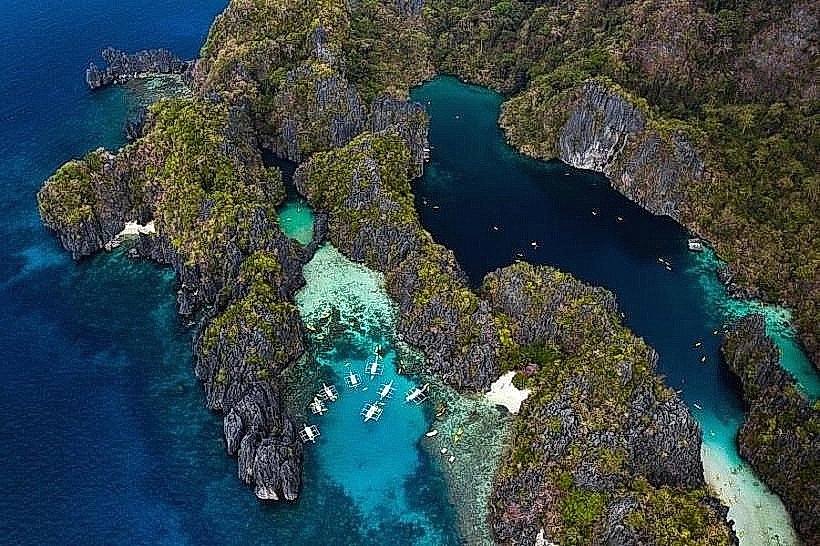
The Big Lagoon is a flagship attraction of El Nido, Palawan, located on the eastern coast of Miniloc Island. It is a centerpiece of the standard "Tour A" island-hopping itinerary.
Visual Characteristics
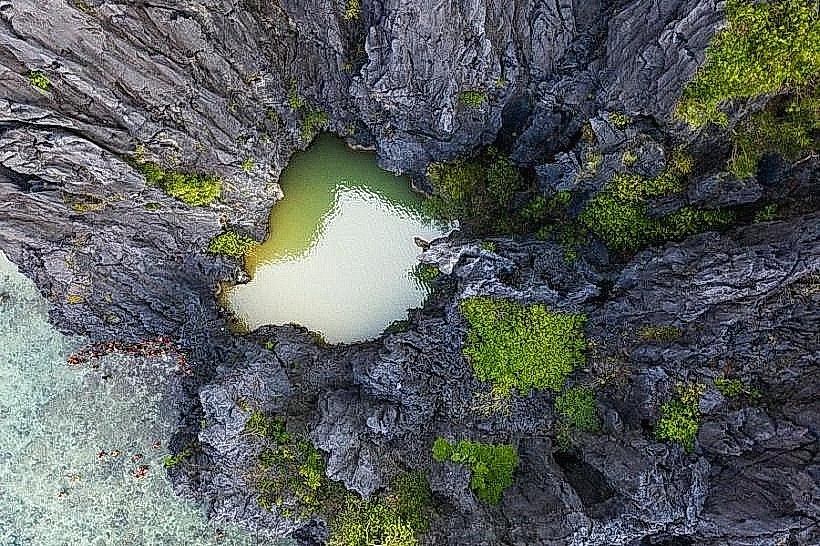
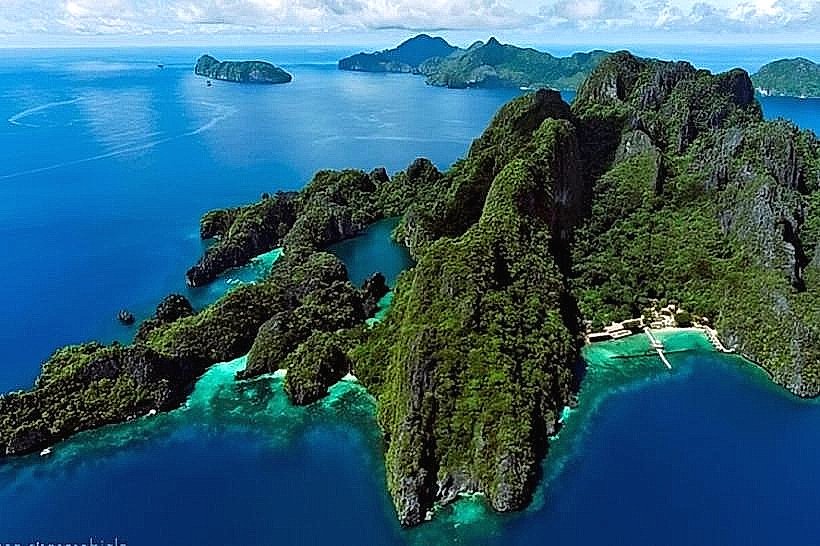
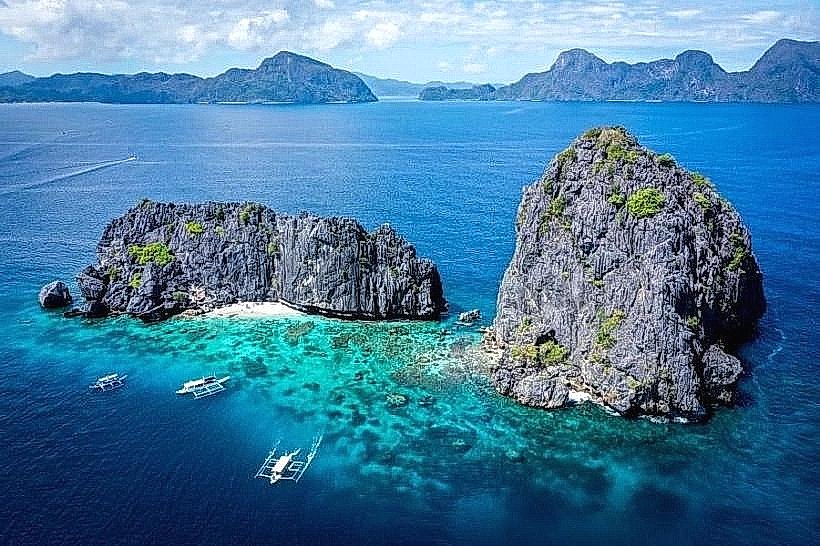
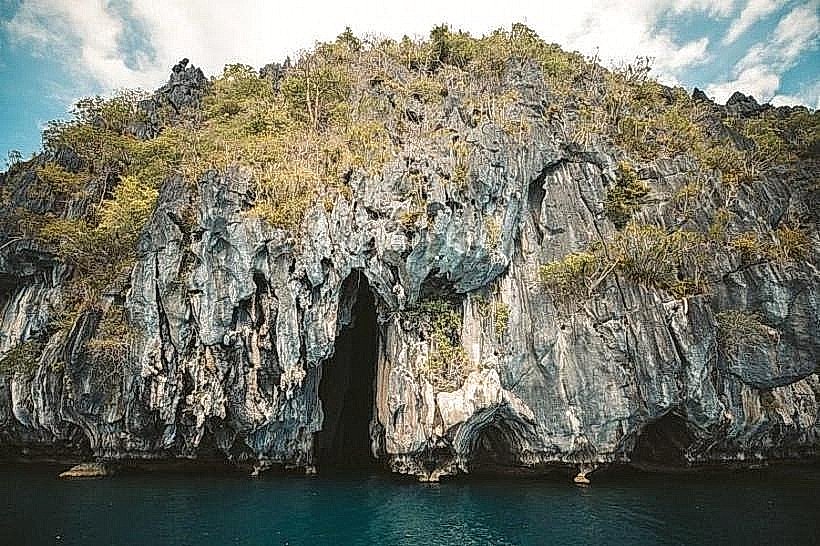
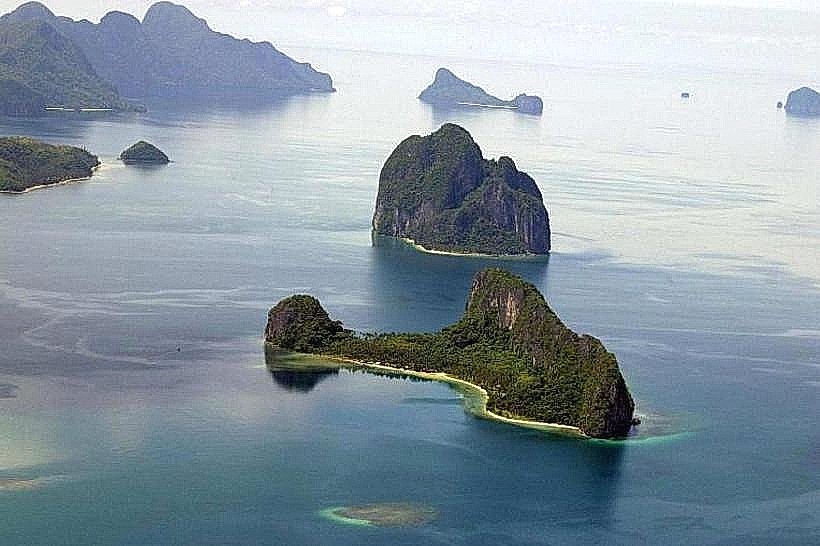
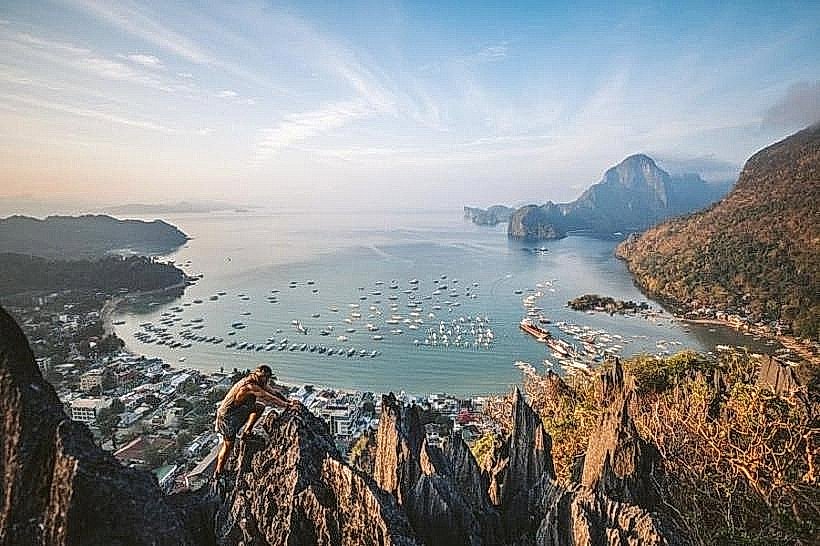
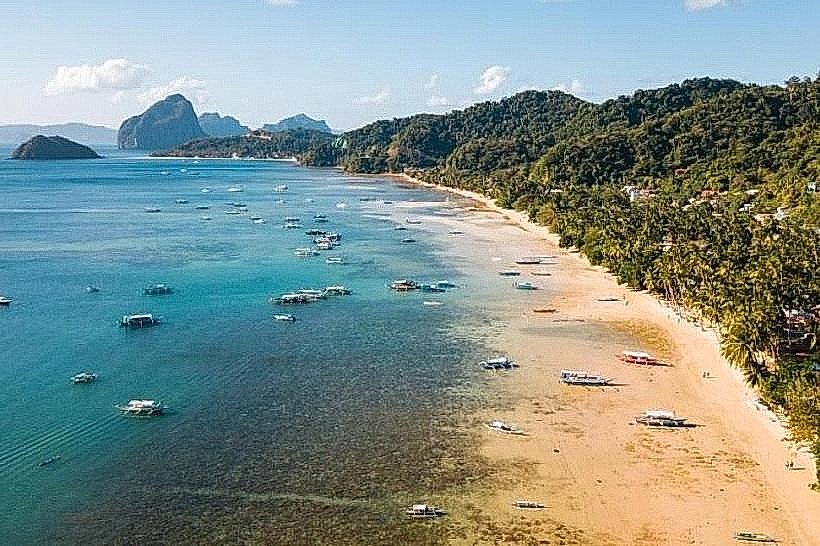
The lagoon is a long, narrow waterway characterized by crystal-clear, deep turquoise and emerald waters. It is framed by towering, jagged limestone karst cliffs covered in sparse tropical vegetation. The entrance is a shallow channel that opens into a wide, tranquil expanse of water. The contrast between the dark gray rock formations and the vibrant water is a defining visual feature.
Location & Access Logistics
Address: Miniloc Island, El Nido, Palawan.
Access: Accessible only by sea from El Nido town.
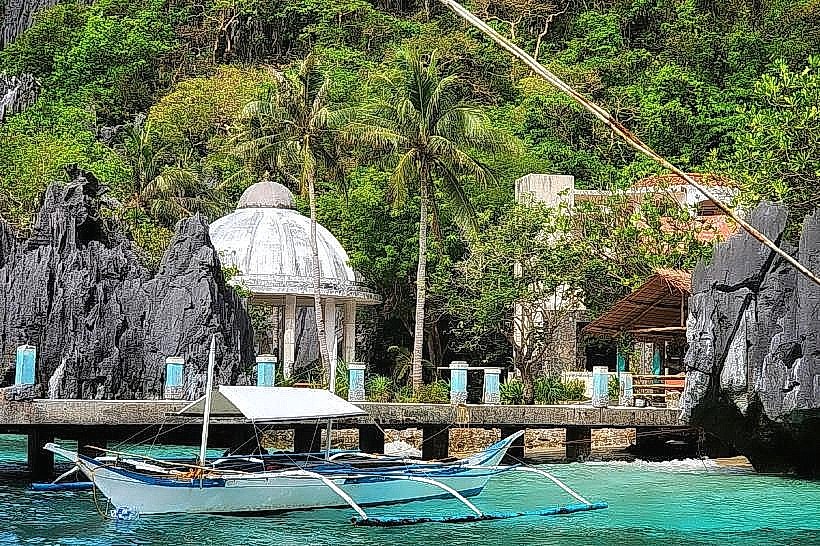
Transport: * Boat: Standard motorized bangka (outrigger boat) departing from El Nido's main beach or Corong Corong Beach.
Kayaking: Once at the entrance, visitors typically transfer to kayaks to explore the inner lagoon, as larger tour boats are restricted from entering to protect the shallow coral and seabed.
Entry: Requires an El Nido Eco-Tourism Development Fee (ETDF) and a specific Integrated Protected Area Fund (IPAF) permit for Big Lagoon. Entry is strictly regulated with limited slots per day.
Historical & Ecological Origin
The lagoon is part of the El Nido-Taytay Managed Resource Protected Area. Geologically, these karst formations are part of a limestone plateau formed 250 million years ago during the Permian period. The area serves as a critical habitat for marine life and is a protected nursery for various fish species and sea turtles.
Key Highlights & Activities
Kayaking: The primary way to explore the interior of the lagoon. It allows for quiet navigation near the cliff walls and through narrow passages.
Swimming: Clear, calm waters ideal for a refreshing dip, though certain areas are reserved for boat/kayak traffic.
Photography: One of the most photographed locations in the Philippines, particularly at the iconic entrance channel.
Marine Life Observation: Small reef fish and occasional sea turtles can be spotted in the shallower sections.
Infrastructure & Amenities
There is no permanent infrastructure within the lagoon itself. Tour boats carry necessary supplies, including life vests and lunch. Kayak rentals are available at the entrance, usually managed by authorized local operators. 4G/5G cellular coverage is intermittent to non-existent inside the high-walled lagoon.
Best Time to Visit
Dry Season (December to May): Offers the calmest seas and best water clarity.
Timed Entry: Slots are divided into morning and afternoon batches; morning slots often have softer lighting for photography.
Low Tide: The entrance channel becomes very shallow, often requiring visitors to walk and pull their kayaks, which provides a different perspective of the rock formations.
Rules
No Single-Use Plastics: Strictly enforced; do not bring plastic water bottles or bags on the tour.
Life Vests: Must be worn during boat transit and is recommended while kayaking.
Waste Management: "Carry in, carry out" policy is strictly observed.
Limited Stay: Visitors are typically allotted a specific time window (approx. 45–90 minutes) to ensure slots for other groups.
Nearby Landmarks
Small Lagoon: 0.8 km North (on the same island).
Secret Lagoon: 1.5 km South.
Shimizu Island: 2.0 km East.