Information
City: MarsaxlokkCountry: Malta
Continent: Europe
Marsaxlokk, Malta, Europe
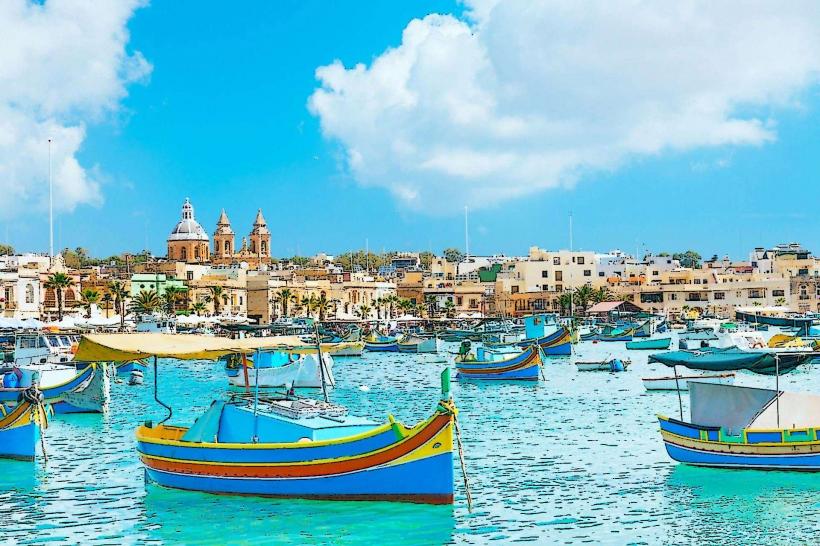
Marsaxlokk functions as the primary fishing and maritime-cultural pivot of southeastern Malta. Situated around the island's largest natural harbor, it serves as a specialized node for commercial fishing logistics, Sunday market retail, and coastal heritage tourism. It is defined by its extensive fleet of traditional luzzu boats, its 7,000-year history as a strategic landing point, and its 2026 role as a finalized site for shore-to-ship power implementation and specialized sustainable-tourism masterplans.
Historical Timeline
Antiquity: Used as a harbor by Phoenicians and Romans; site of the Tas-Silġ sanctuary, used continuously for worship for thousands of years.
1565: Served as the primary anchorage for the Ottoman fleet during the Great Siege of Malta.
1989: Site of the Malta Summit between George H.W. Bush and Mikhail Gorbachev, held aboard ships in the bay to signal the end of the Cold War.
2026 Context: As of January 2026, the local council is executing the "Marsaxlokk 2026" Business Plan, focusing on rehabilitating village roads and implementing a specialized Red-Light Enforcement System (RLES) at strategic junctions to manage high tourist vehicle volume.
Demographics & Population
The urban population is approximately 3,700 (2026 estimate), though Sunday visitor numbers can exceed 15,000. The demographic remains one of the most traditional in Malta, with a high concentration of families involved in the fishing industry. In 2026, Marsaxlokk remains the base for approximately 70% of the Maltese fishing fleet, maintaining its identity as a working village despite high tourism pressure.
Urban Layout & Key Districts
The Waterfront (Xatt is-Sajjieda): The specialized commercial spine; lined with seafood restaurants and the site of the daily open-air market.
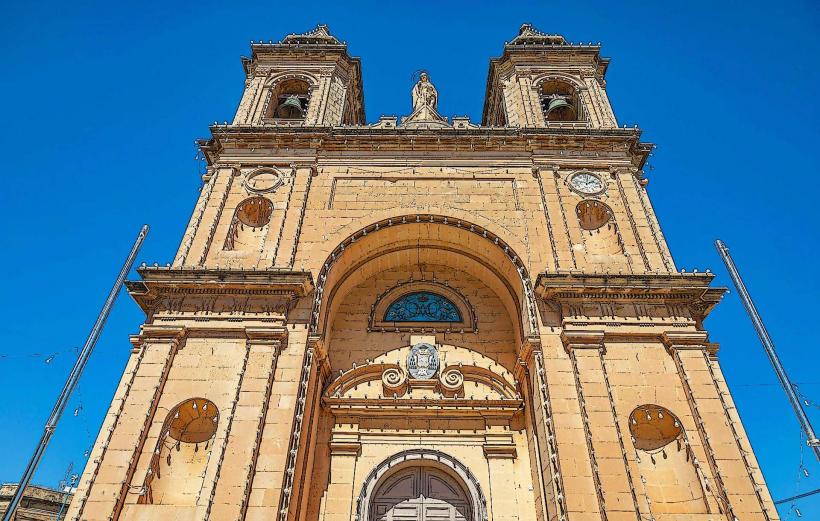
The Piazza: The specialized religious and social center, dominated by the Parish Church.
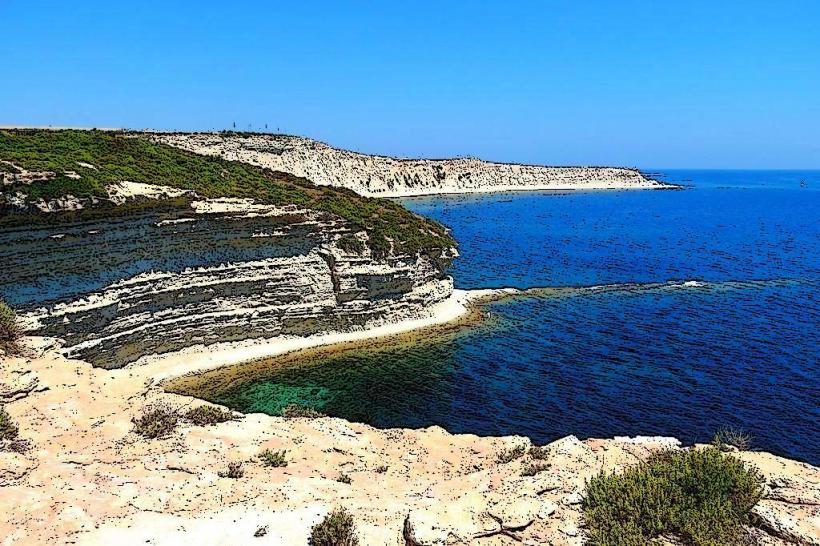
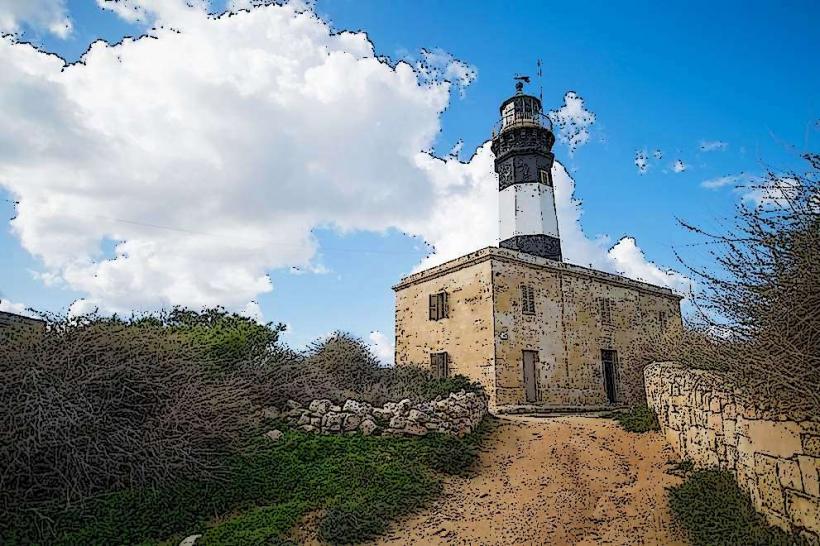
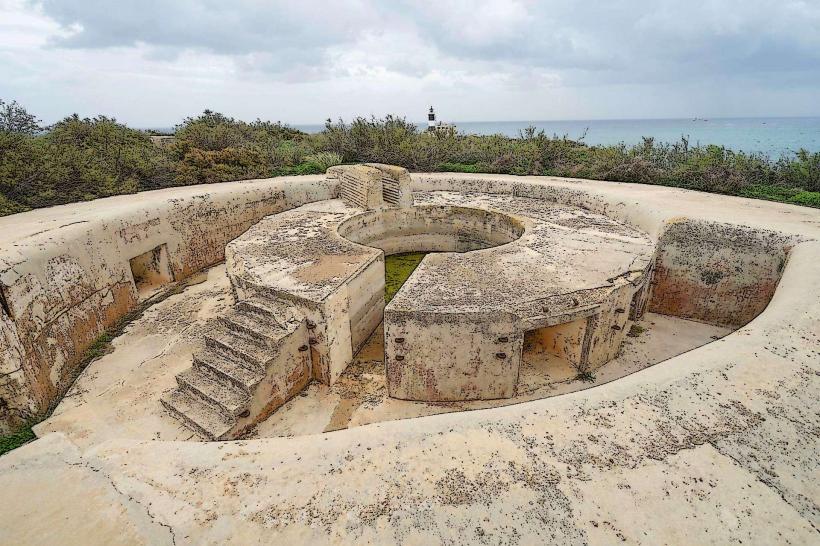
Delimara Peninsula: A specialized industrial and ecological zone containing the Delimara Power Station, Fort Delimara, and St. Peter's Pool.
Xrobb l-Għaġin: A specialized nature park on the eastern coast, focused on environmental education and sustainable energy.
Top City Landmarks
Marsaxlokk Parish Church: A specialized 19th-century Baroque church dedicated to Our Lady of Pompeii; features red-and-white interiors and paintings by Giuseppe Calì.
Fort San Luċjan: A specialized 17th-century polygonal fort; currently houses the Malta Aquaculture Research Centre, with limited public tours on Saturdays.
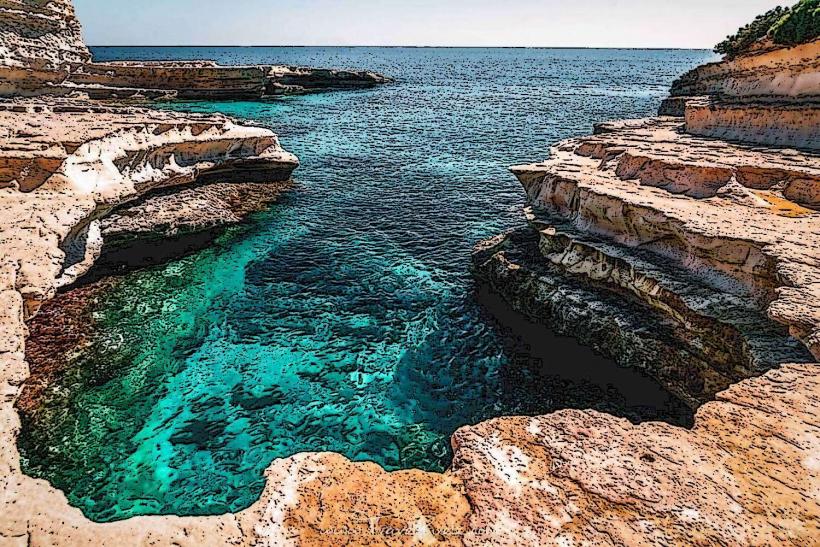
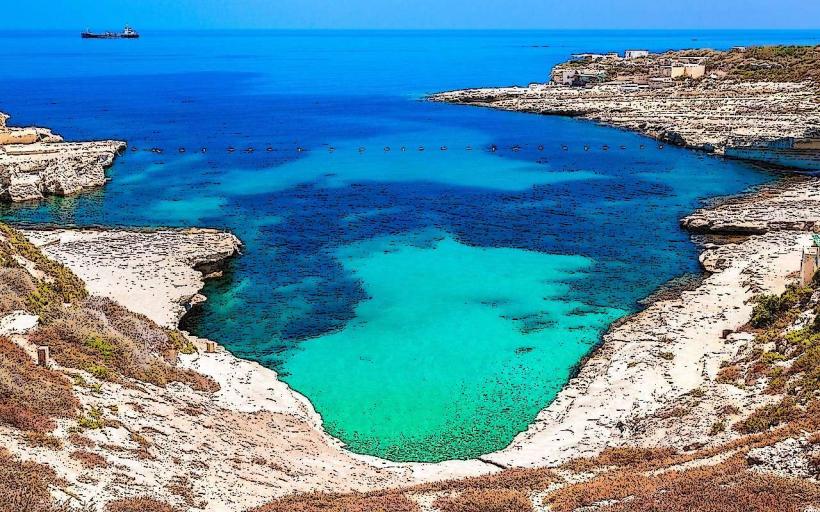
St. Peter’s Pool: A specialized natural swimming hole carved into the limestone; popular for cliff jumping and high-clarity snorkeling.
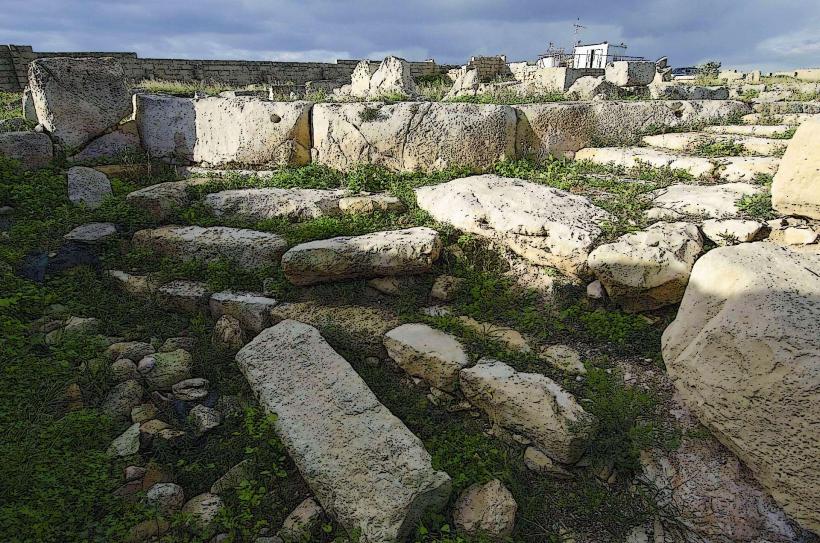
Tas-Silġ Archaeological Site: A specialized multi-period sanctuary located on a hill overlooking the bay; contains remains from Neolithic, Phoenician, Roman, and Byzantine eras.
Marsaxlokk Market: A specialized Sunday event; transitions from a purely fish-focused market in the early morning to a generalized retail hub by midday.
The Luzzu Fleet: The specialized and iconic primary-colored boats featuring the Eye of Horus on the bow for protection; they represent the city’s living maritime heritage.
Transportation & 2026 Logistics
Bus Network: Directly connected to Valletta via Lines 81 and 85; Line 119 provides a specialized 2026 link to the Malta International Airport (15-20 mins).
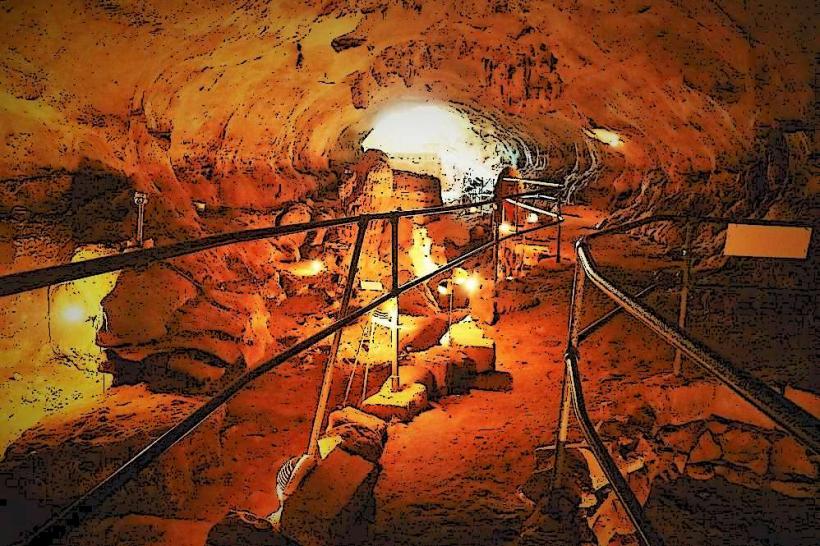
Maritime Transit: In 2026, specialized luzzu water taxis provide point-to-point transport to St. Peter’s Pool and the Delimara sea caves.
Parking: The Marsaxlokk Park & Ride is the primary 2026 logistics solution for Sunday visitors to avoid the highly congested village core.
Regulatory: 2026 traffic diversions are strictly enforced on Sundays; motorized access to the waterfront is prohibited during market hours.
Safety & Environment
The general safety level is high. Warning: Theft from parked cars at remote spots like St. Peter's Pool remains a specialized concern; 2026 police patrols have been increased in these areas. In 2026, the "Harbour Watch" system monitors maritime runoff and air quality near the Delimara industrial zone to ensure the safety of the local fish stock.
Local Cost Index (2026 Estimates)
1 Espresso (Waterfront): €1.80 – €2.50
Fresh Seafood Platter for Two: €35.00 – €55.00
Small Bag of Local Honey (Market): €4.50 – €7.00
Monthly Rent (1-BR Modern): €750 – €1,100
Tourist Eco-Contribution (Nightly): €1.50 (2026 rate)
Facts & Legends
Marsaxlokk is the site of the "Eye of Horus" tradition, where fishermen paint eyes on their boats to ward off evil spirits and ensure safe passage. Legend states that the location of Fort San Luċjan was revealed in a dream to a local woman, who was ignored until an actual Ottoman raid proved her right. A verified fact is that the 1989 Malta Summit was held here during such a severe storm that the leaders were nearly unable to transfer between ships, leading to the meeting being dubbed the "Seasick Summit." Historically, the village was only permanently settled in the 19th century; prior to that, fishermen commuted from the inland town of Żejtun due to the constant threat of pirate raids.