Information
City: MartinsvilleCountry: USA Virginia
Continent: North America
Martinsville, USA Virginia, North America
Martinsville is an independent city in the Southside region of Virginia, situated near the Smith River. Historically known as the "Sweatshirt Capital of the World," it is a former furniture and textile powerhouse currently reinventing itself as a center for advanced manufacturing and professional motorsports.
Historical Timeline
Founded in 1791 and named after Revolutionary War officer Joseph Martin. Primary governance eras include its late 19th-century emergence as a tobacco center and its 20th-century dominance in the American furniture (Bassett, Stanley) and textile (DuPont, Tultex) industries. A critical historical event was the 1947 opening of the Martinsville Speedway, which solidified the city's place in NASCAR history. The 21st century has been defined by recovery from the "triple hit" of industry closures following NAFTA and the subsequent growth of the New College Institute and the Virginia Museum of Natural History.
Demographics & Population
The population is approximately 13,400. The demographics are White (45%), Black or African American (43%), Hispanic or Latino (7%), and Asian (1%). The median age is 41.2 years.
Urban Layout & Key Districts
The city is organized around a historic uptown and the industrial river corridor.
Uptown Martinsville: The historic commercial core featuring a high concentration of brick architecture, museums, and local dining.
Liberty Street/Main Street: The primary north-south artery connecting the historic core to the suburban shopping districts.
Fayette Street: Historically the commercial heart of the Black community, currently a focus for cultural and historic preservation.
Clearview: A residential district characterized by mid-century housing and proximity to the city's high school.
Top City Landmarks
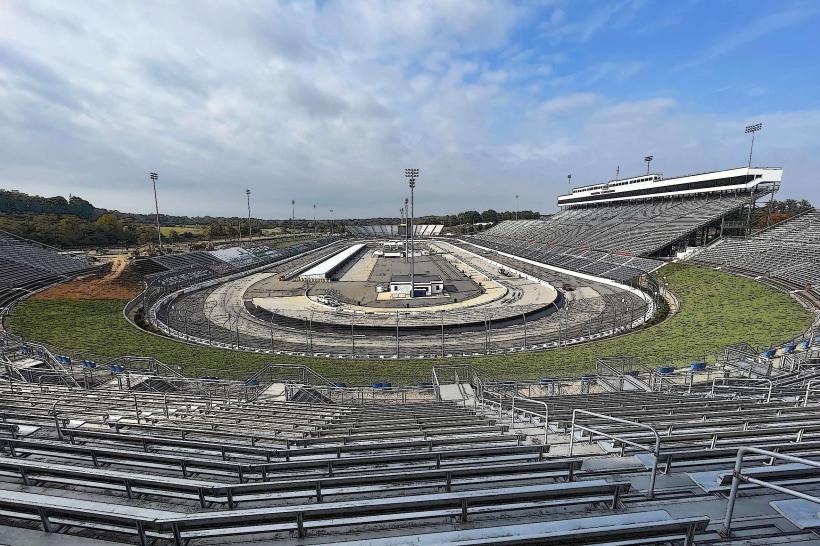
Martinsville Speedway: The shortest track on the NASCAR Cup Series circuit, famous for its "paperclip" shape and legendary hot dogs.
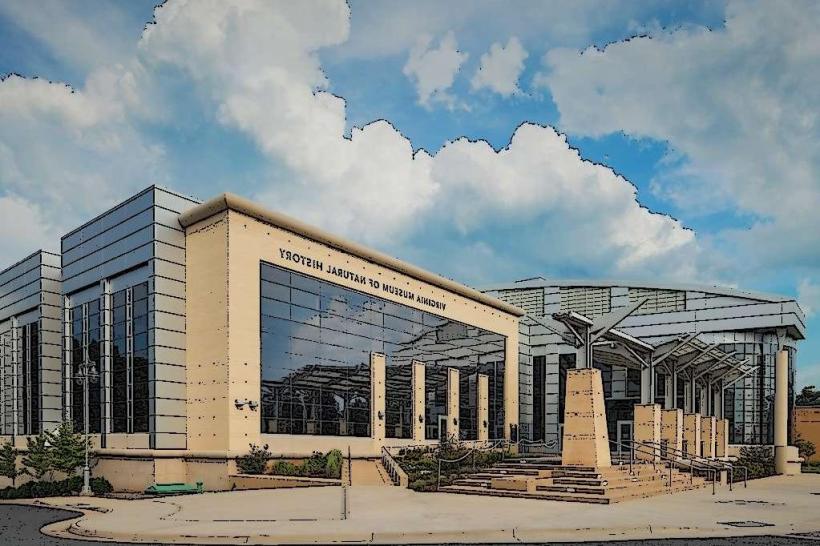
Virginia Museum of Natural History: An affiliate of the Smithsonian, housing one of the world's most significant collections of Appalachian fossils.
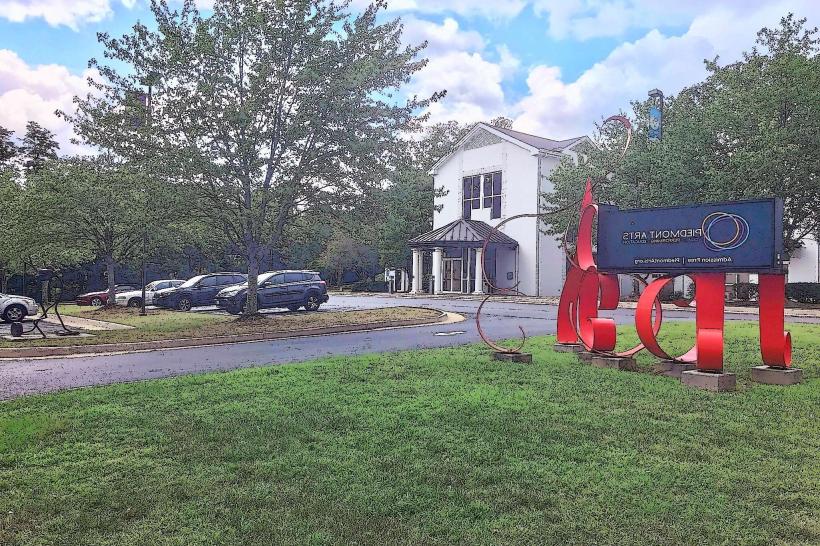
Piedmont Arts: A regional museum accredited by the American Alliance of Museums, showcasing traditional and contemporary art.
Dick & Willie Quail Trail: A 7.2-km paved rail-trail running through the heart of the city on the former "Dick & Willie" rail line.
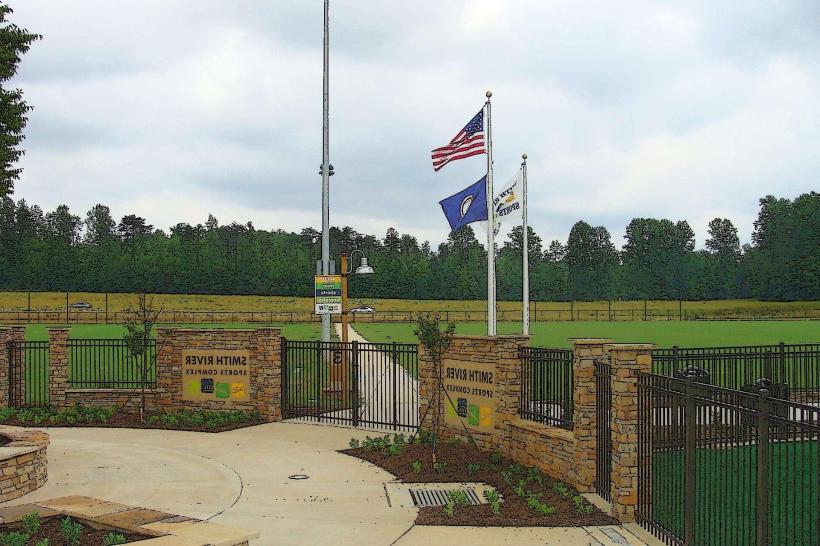
Smith River: A premier destination for trout fishing and paddling, featuring the Smith River Blueway.
Transportation Network
Movement is serviced by Piedmont Area Transit (PAT) bus routes. The city is a major hub for US-220 and US-58. There is no passenger rail service; the nearest Amtrak station is in Danville (45 km). Ride-sharing is available but can be sparse outside of race weekends. Traffic density is low, with the notable exception of extreme congestion during the spring and fall NASCAR race weeks.
Safety & "Red Zones"
The general safety level is moderate. The city experiences crime rates higher than the state average for property offenses. Caution is advised at night in parts of the North Side and the Fayette Street periphery. The Uptown core is well-lit and frequently patrolled. Common scams involve fraudulent ticket and parking resales during NASCAR events.
Digital & Financial Infrastructure
Internet speeds average 300 Mbps with fiber availability via Xfinity and local provider Mi-Net. Main mobile carriers are Verizon, AT&T, and T-Mobile. Card acceptance is universal in Uptown and retail zones. ATMs are concentrated in the Uptown financial district and along the US-220 commercial strip.
Climate & Air Quality
Temperatures range from -1°C to 9°C in winter and 20°C to 31°C in summer. Humidity is high in summer. Air quality is consistently high. Specific weather risks include seasonal flooding of the Smith River and occasional severe thunderstorms characteristic of the Foothills region.
Culture & Social Norms
The standard tipping percentage is 18–25%. A handshake is the standard greeting. Dress codes are "Blue-Collar Casual" or "Southern-Traditional." The city is culturally defined by its "Racing Town" identity, its furniture-making heritage, and its proximity to the Blue Ridge Mountains.
Accommodation Zones
US-220 / Collinsville: Recommended for national hotel chains and proximity to the speedway.
Uptown: Recommended for boutique guesthouses and walkable access to museums and dining.
Local Cost Index
1 Espresso: $3.75 (USD)
1 Standard Lunch: $13.00 (USD)
1 Speedway Hot Dog: $2.00 (NASCAR tradition).
Nearby Day Trips
Fairy Stone State Park: Known for its unique cross-shaped staurolite crystals (30 km northwest).
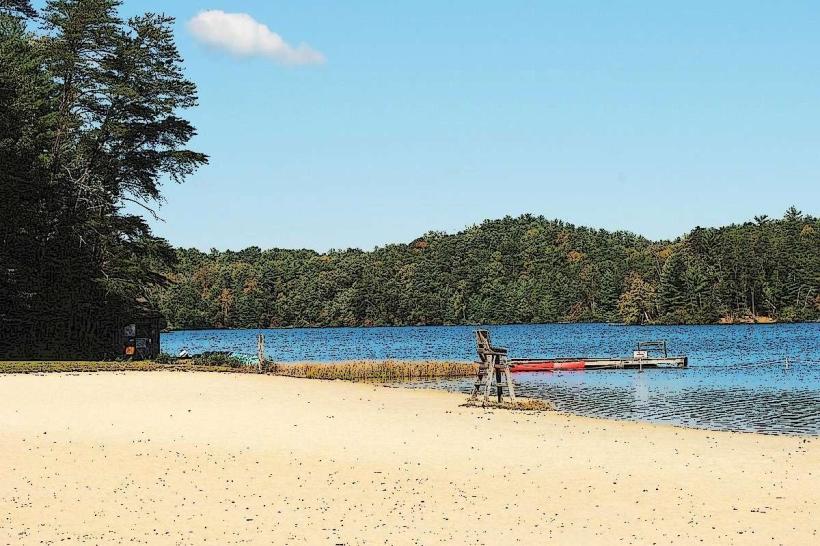
Philpott Lake: (20 km west).
Greensboro, NC: (80 km south).
Blue Ridge Parkway: (50 km west).
Facts & Legends
Martinsville Speedway is the only track that has been on the NASCAR schedule every year since the sport's inception in 1948. Historically, it was a massive producer of World War II materials. A local legend involves the "Phantom of the Furniture Mill," a spectral figure said to be seen in the abandoned industrial spaces of the river district. Another legend concerns the "Lost Tobacco Gold," rumored to have been hidden in the surrounding hills during the 18th-century border disputes between Virginia and North Carolina.