Information
City: Martinsville WVCountry: USA West Virginia
Continent: North America
Martinsville WV, USA West Virginia, North America
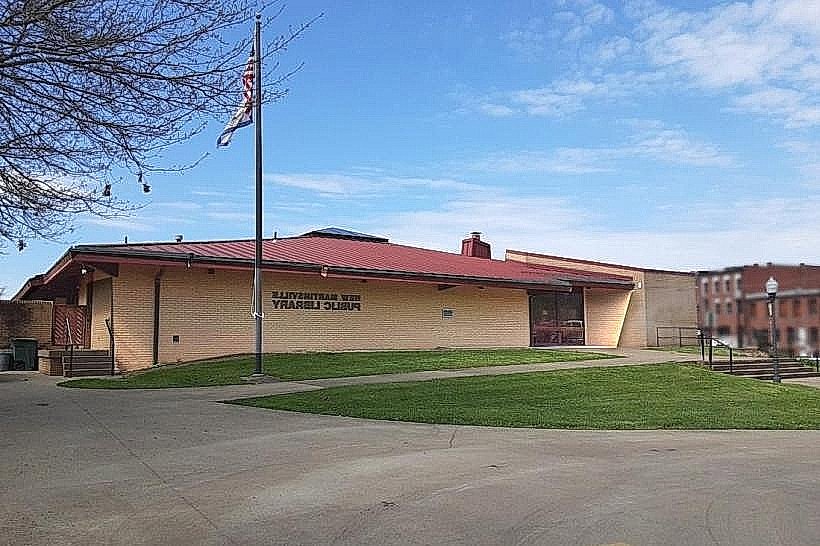
New Martinsville is the seat of Wetzel County and a significant industrial and hydro-power center in the Northern Panhandle. It is situated on the east bank of the Ohio River, approximately 50 km southwest of Wheeling. (Note: "Martinsville" was the city's original name from 1838–1871; it was renamed to avoid confusion with Martinsville, Virginia).
Historical Timeline
Settled in 1780 by Edward Doolin, the site was originally known as Martin's Fort. Presley Martin platted the town in 1838 as "Martinsville." It became the county seat in 1846. The city's history is defined by the Ohio River, both as an economic engine for glass and chemical manufacturing and as a source of catastrophic flooding (notably in 1936 and 2004). In 1925, the city gained national attention when the Gloria Swanson film Stage Struck was filmed on location.
Demographics & Population
The 2026 estimated population is 5,038, reflecting an annual decline of approximately 1.5%. The primary ethnic demographics are White (96.4%), Black or African American (1.1%), and Two or More Races (1.8%). The median age is 44.2 years.
Urban Layout & Key Districts
Downtown Historic District: A 19th-century business core located on a flat plain east of the river, containing the courthouse and city hall.
The Riverfront: The original settlement area, now housing historic frame buildings and the city's main landing.
North End: Home to the Hannibal Locks and Dam and the city's municipal hydroelectric facilities.
WV-2 Corridor: The primary north-south commercial artery featuring modern retail and dining.
Top City Landmarks
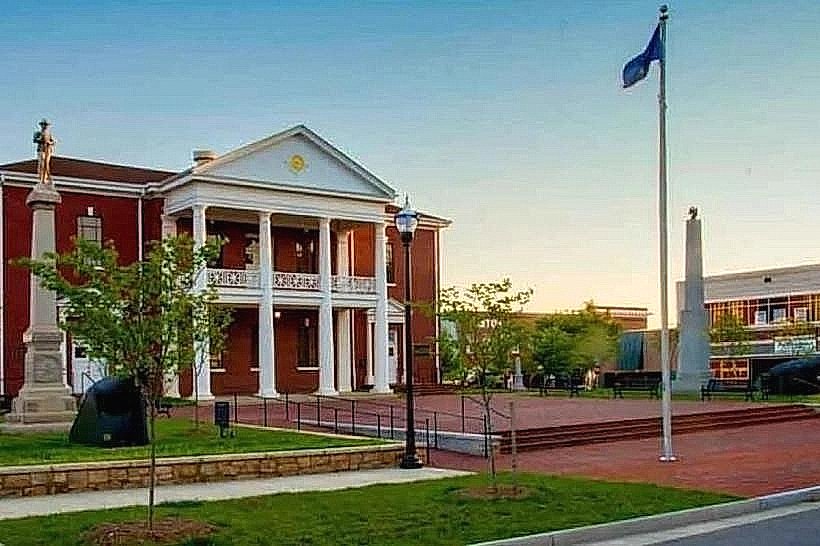
Wetzel County Courthouse: A prominent Romanesque Revival structure and the centerpiece of the historic district.
Hannibal Locks and Dam: A major engineering site on the Ohio River.
New Martinsville Hydroelectric Plant: One of the few municipal hydro plants in the U.S., significantly funding the city budget.
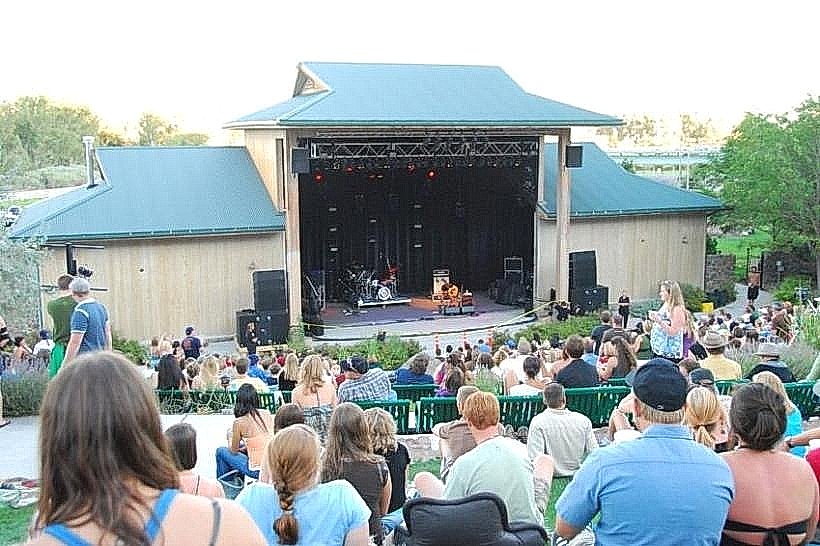
Lincoln Theater: A historic venue used for community cinema and performing arts.
Bruce Park: A central recreational area featuring the city's pool and mini-golf.
Transportation Network
Movement is almost exclusively dependent on private vehicles; 83% of residents drive alone to work. There is no fixed-route municipal bus system. Major road access is provided by WV-2 (North-South) and WV-20 (East-West). The nearest commercial aviation hubs are in Wheeling or Parkersburg.
Safety & "Red Zones"
The general safety level is moderate to high. Violent crime is statistically negligible, though property crime and issues related to regional substance abuse have risen with the influx of temporary industrial laborers in the pipeline and mining sectors. There are no designated "red zones," but standard caution is advised in the downtown area late at night.
Digital & Financial Infrastructure
New Martinsville operates its own municipal electric system, resulting in some of the lowest utility rates in the state. Internet speeds reach 1 Gbps via providers like Optimum and Frontier. Mobile coverage is robust for Verizon and AT&T; T-Mobile coverage is stable in the city core but drops in the rural hills to the east.
Climate & Air Quality
The climate is humid continental. Summers (June–August) are warm and humid, with temperatures between 18°C and 30°C. Winters (December–February) are cold and subject to river fog and ice, ranging from -6°C to 4°C. Air quality is "Good," though residents monitor river levels closely during the spring melt.
Culture & Social Norms
Tipping of 15–20% is standard. The culture is conservative and centered on river heritage. The city hosts the River Heritage Days Regatta, an annual hydroplane racing event. Dress code is highly casual. Alcohol is sold in grocery and liquor stores; Sunday sales are permitted.
Accommodation Zones
WV-2 South: Stay here for national hotel chains (Travelodge, Microtel) and proximity to the hospital.
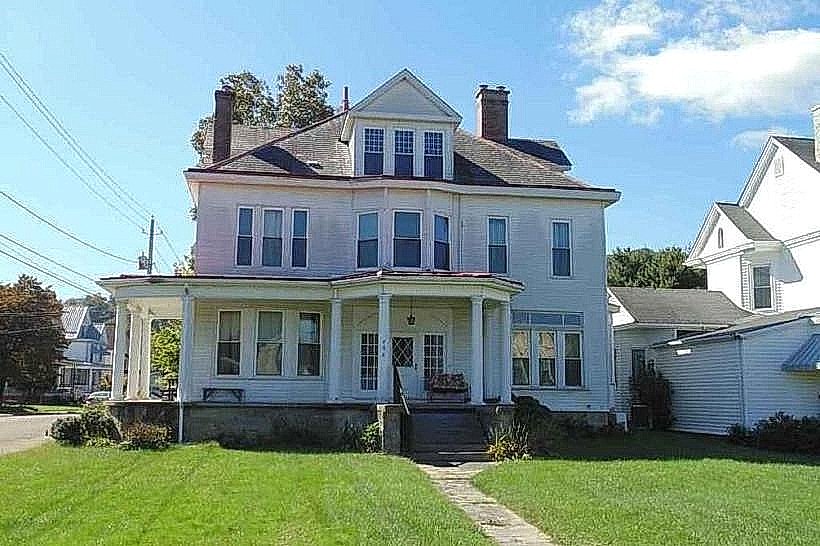
Downtown: Stay here for local bed-and-breakfast options and historic river views.
Local Cost Index
Espresso: $4.00
Standard Lunch: $12.50
Median Monthly Rent: $720
Nearby Day Trips
Wheeling, WV (Oglebay): 50 km (45 mins).
Parkersburg, WV (Blennerhassett): 85 km (1.1 hours).
Moundsville, WV (Grave Creek Mound): 35 km (35 mins).
Sistersville, WV: 15 km (15 mins) – A historic oil-boom town with a river ferry.
Facts & Legends
New Martinsville is one of only two cities in West Virginia with a municipal electric department. A local legend involves the "Doolin Curse," stemming from the 1780 death of the city's first settler, Edward Doolin, which some old-timers cite as the reason for the city's repetitive flood history. Historically, the city was once a global center for "Viking Glass," highly collectible glassware produced here until the factory closed in the 1980s.