Information
Landmark: Public Library Historic SiteCity: Martinsville WV
Country: USA West Virginia
Continent: North America
Public Library Historic Site, Martinsville WV, USA West Virginia, North America
Public Library Historic Site – Martinsville’s Legacy of Learning and Civic Pride
At the heart of Martinsville’s historic district stands the Public Library Historic Site, a graceful brick landmark that tells the story of the city’s enduring commitment to education, culture, and community. Once a modest turn-of-the-century reading room, this building has evolved into both a living library and a cherished heritage site-bridging Martinsville’s literary past with its modern civic identity.
Origins and Architectural Heritage
The Martinsville Public Library began humbly in the early 1900s, when local educators, civic leaders, and women’s clubs united to create a shared space for books, study, and civic improvement. Initially housed in borrowed rooms, it soon found a permanent home thanks to a combination of public donations and state grants.
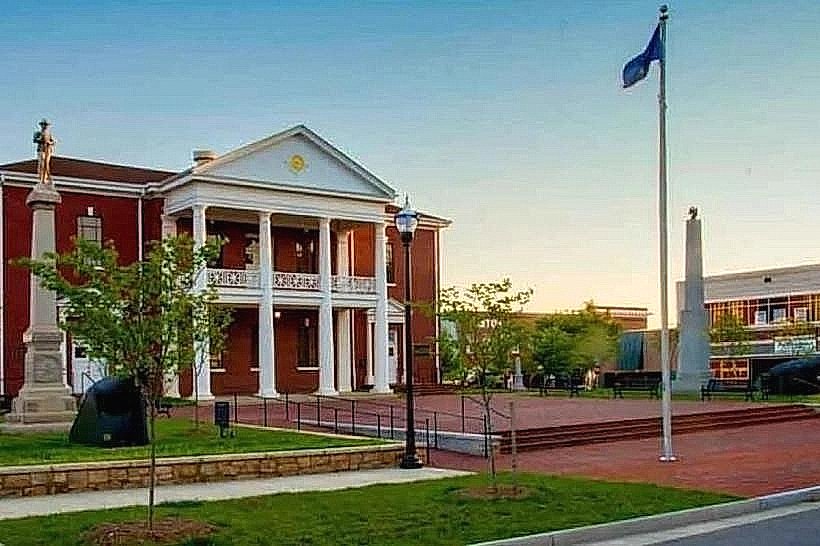
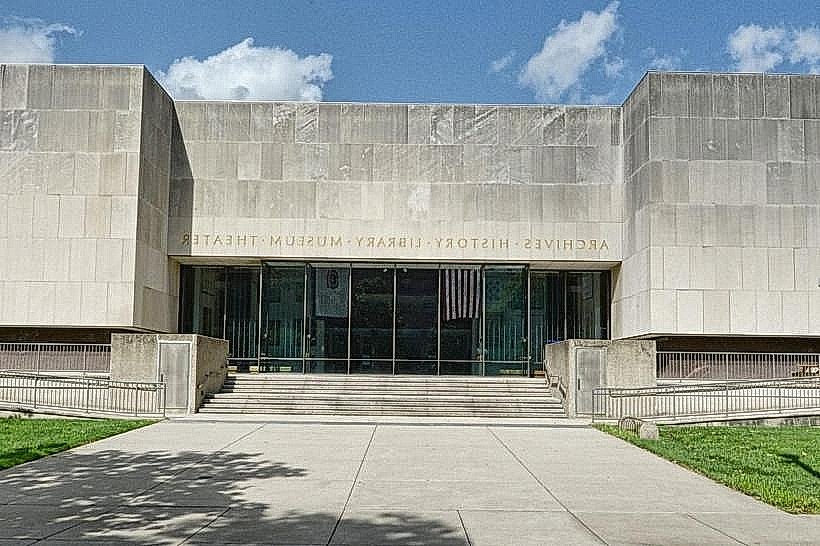
The historic building that anchors the site today was completed around 1929, designed in the Classical Revival style-a popular choice for civic buildings of the era. Its symmetrical façade, limestone columns, and arched windows convey both dignity and accessibility, symbolizing the belief that knowledge should be open to all. The main entrance, framed by decorative stonework and original brass fixtures, still bears the quiet grandeur of early American public architecture.
Inside, much of the original craftsmanship has been carefully preserved. The hardwood floors, ornate moldings, and arched reading alcoves remain intact, alongside display cases that now hold artifacts from the library’s early years: embossed library cards, hand-lettered catalog entries, and photographs of the first librarians who helped build Martinsville’s literary tradition.
Historical Significance
During the 20th century, the library became one of Martinsville’s most important cultural institutions. It served as a community meeting ground through both prosperity and hardship, providing education during the Great Depression, hosting public lectures during wartime, and supporting local schools through countless reading initiatives.
In the 1960s and 70s, the library played a quiet yet essential role in civic integration and equal access to education, ensuring that residents from all backgrounds could study, research, and gather under one roof. Over time, its mission expanded to include the preservation of local history-especially through its growing Martinsville Heritage Collection, which now includes oral histories, historic newspapers, and genealogical records tracing family roots across Henry County.
Restoration and Modern Adaptation
Recognizing the building’s architectural and cultural importance, the city launched a restoration project in the early 2000s. The project revitalized the library’s historic elements while integrating modern amenities-digital archives, accessibility ramps, energy-efficient lighting, and climate-controlled preservation rooms.
Despite these updates, the character of the original library remains unmistakable. The grand reading hall still features tall, paned windows that flood the space with natural light, and the scent of old paper and polished wood lingers faintly in the air. Visitors often describe the feeling of stepping into a timeless setting-where the quiet murmur of readers and the soft rustle of pages echo the library’s earliest days.
Collections and Exhibits
Beyond its role as a functioning library, the site serves as a miniature museum of Martinsville’s intellectual heritage. Permanent exhibits showcase the library’s evolution, including early correspondence with state education boards, original library registers, and photos documenting community events across the decades.
The Local History Room remains a favorite among researchers and genealogists. Here, visitors can trace land deeds, browse fragile copies of 19th-century newspapers, and explore diaries, letters, and civic records preserved from Martinsville’s founding years. Occasional rotating displays focus on notable local figures-writers, teachers, and civic leaders who contributed to Martinsville’s cultural life.
Community and Educational Role
Even as it honors the past, the Public Library Historic Site continues to serve a vital role in Martinsville’s daily life. The library regularly hosts literary readings, art exhibits, writing workshops, and children’s storytelling sessions, carrying forward its century-old mission of connecting people through knowledge.
School groups often visit the site to learn about the evolution of libraries and printing, while older residents treat it as a familiar gathering spot for book clubs or genealogy meetings. The atmosphere remains hushed yet warm-welcoming without losing its sense of reverence for learning.
Outside, the surrounding lawn is often dotted with readers enjoying the shade of maple trees or locals pausing to admire the building’s historic details. A bronze plaque near the entrance commemorates the site’s designation as a local landmark, ensuring its protection for future generations.
Atmosphere and Visitor Experience
Stepping into the Martinsville Public Library Historic Site feels like entering a space where time moves slowly, guided by the steady rhythm of study and discovery. The building hums softly with life-pages turning, quiet footsteps across wooden floors, the occasional tap of laptop keys blending with the timeless smell of old books.
The combination of history and modern relevance gives the site a layered texture. You can sense the decades of readers who have sat in the same chairs, studied under the same lamps, and lost themselves in the same pursuit of understanding. Every corner seems to carry a trace of continuity-a reminder that Martinsville’s story, like any good book, is still being written.
A Living Symbol of Martinsville’s Mind and Memory
The Public Library Historic Site stands today not only as an architectural gem but as a symbol of Martinsville’s enduring faith in learning as a foundation for progress. It embodies the idea that knowledge, once shared, becomes part of the community’s collective soul.
Whether you come to study, to research your family roots, or simply to wander through its sunlit halls, the library remains what it has always been: a place where curiosity meets history, and where the city’s past continues to inspire its future.