Information
City: MokaCountry: Mauritius
Continent: Africa
Moka, Mauritius, Africa
Moka serves as the primary educational, judicial, and technological hub of Mauritius, situated in the Moka District on the central plateau. It functions as the island's "Academic Heart," housing the national university and a burgeoning "Smart City" development that integrates corporate headquarters with residential zones.
Historical Timeline
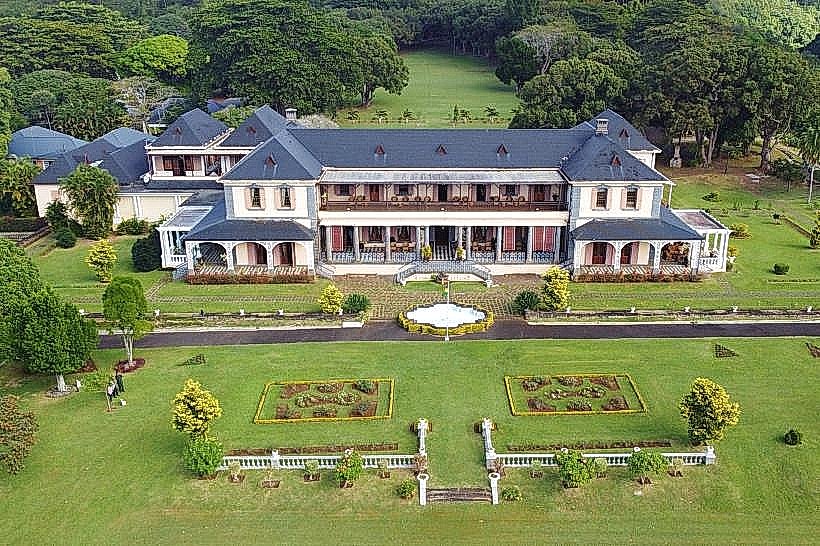
Moka developed in the 18th century as a cool-climate retreat for French aristocrats and officials. It became the site of the Governor's residence, Le Réduit, in 1748. The primary event shaping its current urban form was the 2010s initiation of the Moka Smart City project, which transformed former sugar cane estates into a high-density, mixed-use urban corridor.
Demographics & Population
The population of the Moka-Saint Pierre region is approximately 26,000. The demographics are 65% Indo-Mauritian, 25% Creole, and 10% Franco-Mauritian and European expatriates. The median age is 35 years.
Urban Layout & Key Districts
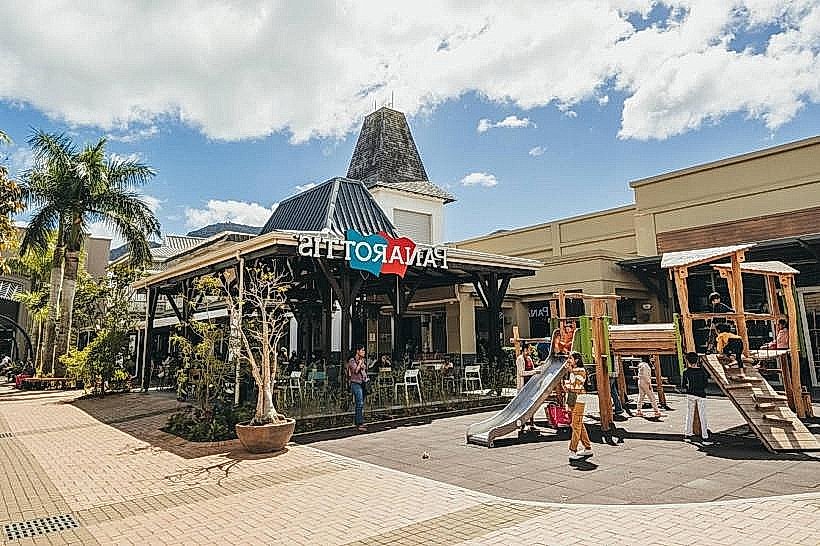
Moka is situated between the Moka Mountain Range and the central plateau. Key districts include Bagatelle (West), the premier retail and commercial node; Telfair (Center), the administrative and future downtown core; and Ebène Cybercity (South periphery), the national ICT hub.
Top City Landmarks
Le Réduit (State House)
Bagatelle Mall of Mauritius
University of Mauritius
Mahatma Gandhi Institute
Mount Ory
Transportation Network
Movement is facilitated by the M1 Motorway and the A1 road. While the Metro Express does not pass through the village core, it serves the adjacent Ebène and Rose Hill stations. Extensive bus lines connect Moka to Port Louis and the eastern districts. Ride-sharing via Yugo is highly active. Official taxis are white with yellow markings. Traffic density is extreme at the Bagatelle roundabout and the Saint Pierre bypass during peak hours.
Safety & "Red Zones"
Safety levels are high. Avoid the isolated hiking trails of the Moka Range after 16:00. Common scams are rare, though unlicensed parking attendants may operate near the Saint Pierre market area.
Digital & Financial Infrastructure
Average internet speed is 60-100 Mbps due to extensive fiber-optic infrastructure supporting the academic and corporate sectors. Main carriers are my.t and Emtel. Card acceptance is universal in malls and business centers; cash is required in the Saint Pierre village market. ATMs are densely clustered in Bagatelle and the Kendra Shopping Centre.
Climate & Air Quality
Temperatures range from 14°C to 22°C in winter and 20°C to 28°C in summer. The region experiences frequent "orographic" rainfall and mist. Air quality is high, though vehicle emissions are concentrated along the M1 motorway corridor.
Culture & Social Norms
A 10% tip is standard in restaurants. Handshakes are the standard greeting. The dress code is formal or business-casual due to the high concentration of government and educational institutions. Smoking is prohibited in all public buildings and university campuses.
Accommodation Zones
Stay in Bagatelle/Ebène for modern business hotels and immediate motorway access.
Stay in the Moka Smart City residential areas for upscale short-term apartment rentals.
Local Cost Index
1 Espresso: 115 MUR ($2.50 USD)
1 Standard Lunch (Business District): 400 MUR ($8.75 USD)
1 Bus Ticket: 35 MUR ($0.75 USD)
Nearby Day Trips
Le Pouce Mountain: 3 km (10 minutes to trailhead)
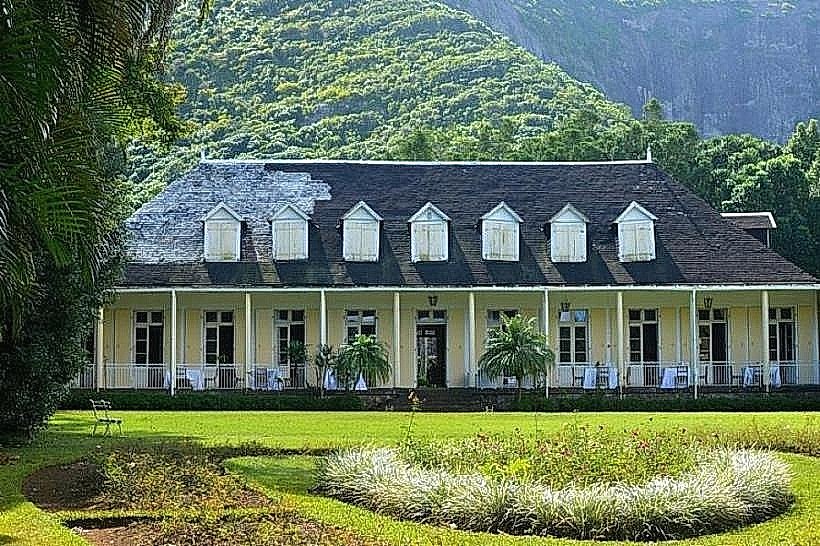
Eureka Creole House: 2 km (5 minutes)
Port Louis: 10 km (15 minutes)
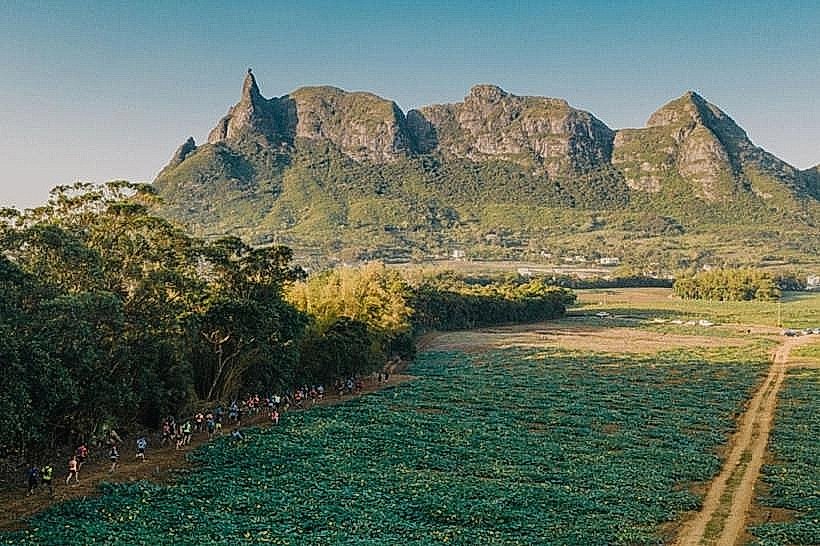
Pieter Both Mountain: 7 km (15 minutes to base)
Facts & Legends
Moka is named after the Mocha coffee beans that were once cultivated in the region during the French colonial era. Local legend suggests that the "Pieter Both" mountain peak, which features a massive balancing rock, represents a petrified giant, while the State House at Le Réduit is verified to be built on a strategic promontory between two deep river gorges for defensive purposes.