Information
City: MtwaraCountry: Tanzania
Continent: Africa
Mtwara, Tanzania, Africa
Mtwara is the capital of the Mtwara Region in southeastern Tanzania, located on the Indian Ocean near the border with Mozambique. Originally designed by the British in the 1940s as a major port for the failed "Tanganyika Groundnut Scheme," it has evolved into a strategic gateway for the Mtwara Development Corridor, centered on natural gas, cashews, and regional trade.
Historical Timeline
Mtwara was largely a colonial creation, planned in 1947 to support the export of peanuts. When the groundnut scheme collapsed in 1951, the city's growth stalled. It remained a quiet backwater until the late 20th century. The 2010 discovery of significant natural gas offshore in the Mnazi Bay transformed the city into a hub for the extractives industry. Historically, it is inextricably linked to the nearby ancient Swahili town of Mikindani.
Demographics & Population
The 2026 metropolitan population is approximately 180,000. The region is the ancestral home of the Makonde people, famous worldwide for their intricate ebony woodcarvings. There is also a significant presence of the Makua and Yao ethnic groups. Due to the gas industry, the city has a growing population of technical professionals and international expatriates.
Urban Layout & Key Districts
Shangani: The upscale coastal district featuring colonial-era houses, government offices, and the city’s best beaches.
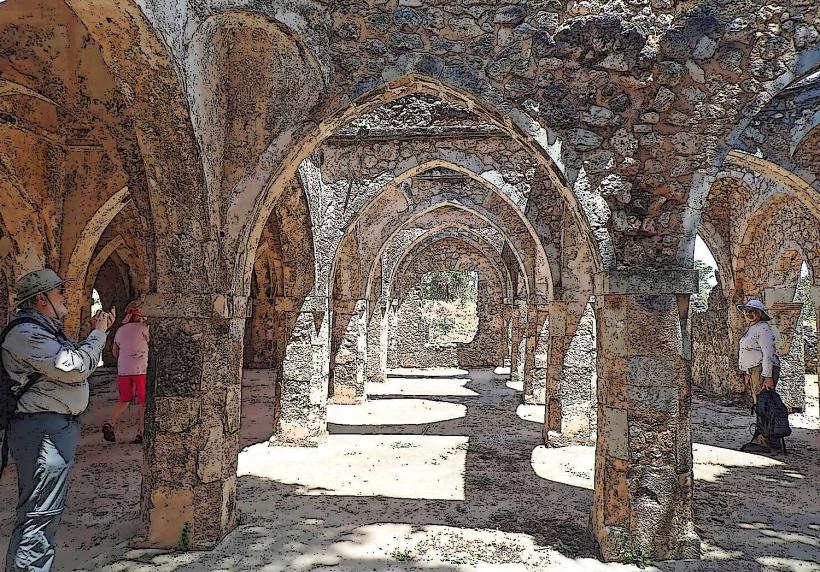
Mikindani: A historic Swahili-Arab town 10 km west of Mtwara center; it serves as the cultural heart of the area with 16th-century ruins and colonial bomas.
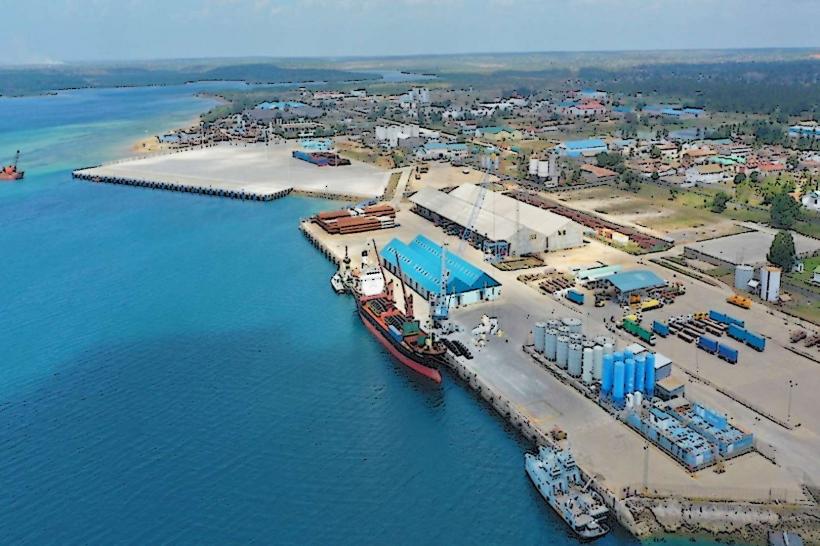
Mtwara Port Area: A deep-water port capable of handling ocean-going vessels, currently undergoing expansion to serve as a regional logistics hub.
Ligula: A central residential and commercial district containing the regional hospital and main local markets.
Top Landmarks
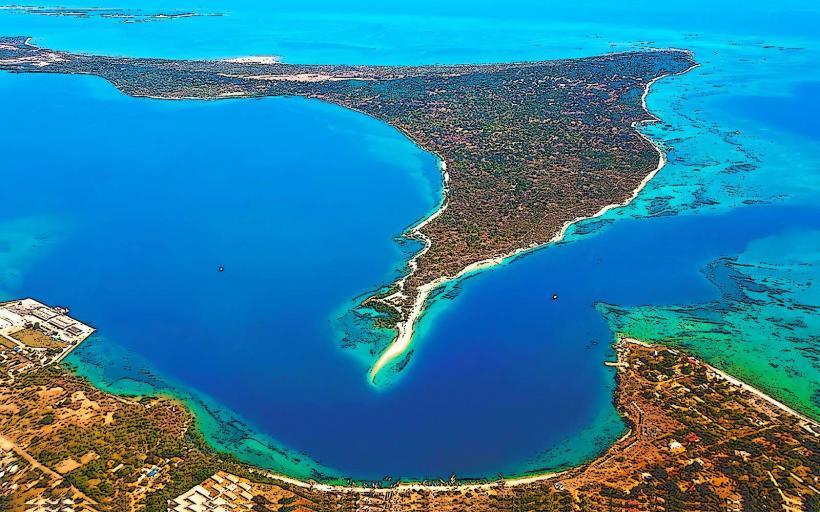
Mnazi Bay-Ruvuma Estuary Marine Park: A massive protected area covering 650 $km^2$. It hosts over 400 fish species and 250 types of coral, offering world-class, isolated diving sites.
The Old Boma (Mikindani): A restored German colonial fort (built in 1895) overlooking Mikindani Bay, now functioning as a boutique hotel and museum.
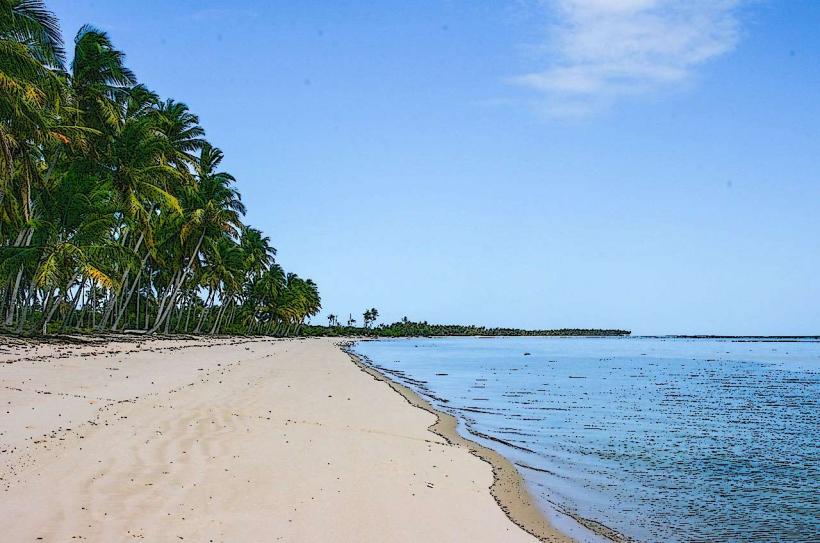
Msimbati Beach: Located on the Msimbati Peninsula within the marine park; widely considered one of the finest and most remote beaches in East Africa.
Livingstone House: A historic building in Mikindani believed to be the starting point for David Livingstone's final expedition in 1866.
Makonde Carving Centers: Various workshops where master carvers produce Ujamaa (Life trees) and Shetani (Spirit) carvings from African Ebony.
Transportation Network
Air: Mtwara Airport (MYW) provides daily flights to Dar es Salaam ($1$ hour).
Road: The B2 highway connects Mtwara to Dar es Salaam ($8$–$10$ hours). The road south leads to the Unity Bridge, providing a land link to Mozambique across the Ruvuma River.
Sea: The Port of Mtwara is the deepest natural harbor in the region. While primarily industrial, it receives irregular coastal vessels and dhows.
Local: Relies on Bajajis (tuk-tuks) and bicycles, which are more common here than in northern Tanzanian cities.
Safety & Health
Border Security: Due to the proximity to the Mozambique border (Cabo Delgado), there is a high military and police presence. Travelers should remain informed about regional security updates.
Malaria: High risk; the coastal mangroves provide significant breeding grounds for mosquitoes.
Marine Safety: Strong currents exist outside the reef in Mnazi Bay; diving should only be done with certified operators.
Digital & Financial Infrastructure
4G and 5G are available in Shangani and the CBD, primarily to serve the gas industry. The currency is the Tanzanian Shilling (TZS). Mobile Money is the standard. ATMs are available but can be unreliable; it is advised to carry sufficient cash when traveling toward the Mozambique border.
Climate & Economy
Weather: Tropical and humid ($23^\circ\text{C}$–$32^\circ\text{C}$).
Cashew Capital: Mtwara produces approximately 70% of Tanzania's cashew nuts. October and November are the peak harvest and auction months.
Natural Gas: The Mtwara–Dar es Salaam gas pipeline originates here, supplying over half of Tanzania’s electricity.
Local Cost Index (TZS)
1 Entry to Mnazi Bay Marine Park: 25,000–35,000 TZS (Non-Resident)
1 Shared Bajaji ride: 1,000–2,000 TZS
1 kg of Export-Grade Cashews: 15,000–25,000 TZS
Facts & Legends
Legend says the "Shetani" spirits carved by the Makonde actually inhabit the ancient baobab trees that dominate the Mtwara landscape. A geographic fact: Mtwara was built on a site so flat and strategically located that it was intended to be the "Singapore of East Africa" by colonial planners. Historically, the city’s deep-water harbor was constructed using the very same equipment used to build the Mulberry harbors for the D-Day landings in Normandy.