Information
City: MumbaiCountry: India
Continent: Asia
Mumbai, India, Asia
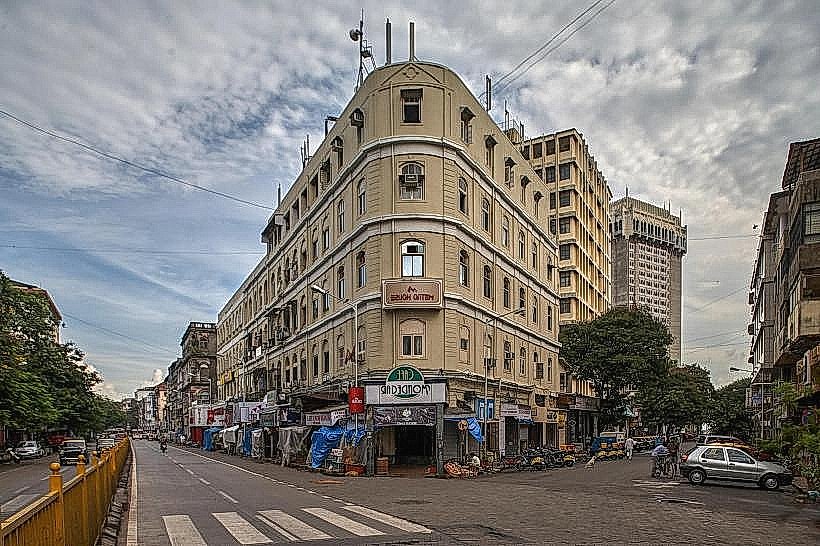
Mumbai is the capital of Maharashtra and the financial powerhouse of India. Situated on a narrow peninsula on the western coast, it is a high-density megacity defined by its Victorian Gothic and Art Deco architecture (a UNESCO site), its status as the home of Bollywood, and its position as the country's primary gateway to international trade.
Historical Timeline
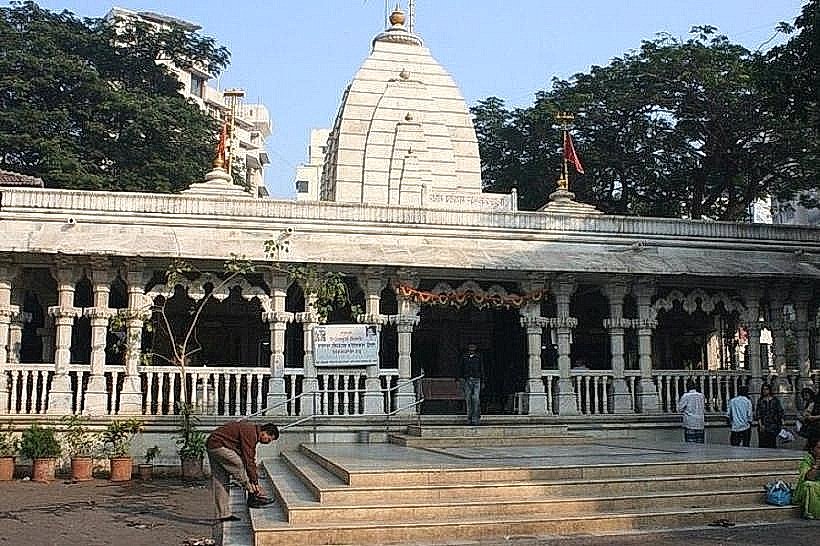
Originally an archipelago of seven islands inhabited by the Koli fishing community. A critical historical event occurred in 1661 when the islands were ceded to the British Crown as part of the dowry of Catherine of Braganza. Through massive land reclamation projects in the 18th and 19th centuries, the islands were merged. In 1853, the first passenger train in India ran from Mumbai to Thane. In 1995, the city was officially renamed from Bombay to Mumbai to honor the goddess Mumbadevi. In 2026, the city is defined by the completion of the Mumbai Coastal Road and the massive expansion of its metro network.
Demographics & Population
The 2026 metro area population is approximately 22,200,000. The demographics are a cosmopolitan blend of Marathi, Gujarati, Parsi, and South Indian communities. The economy is driven by Financial Services (home to the RBI and BSE), Entertainment, Healthcare, and Maritime Trade. It is the wealthiest city in India, housing the highest number of billionaires in the country.
Urban Layout & Key Districts
Mumbai is geographically constrained, leading to a distinct South-to-North linear development.
South Mumbai (SoBo): The historic and financial core; features colonial-era landmarks, luxury real estate, and the Colaba/Fort districts.
The Suburbs (Bandra to Andheri): The "heart" of the modern city; Bandra is the center of Bollywood and upscale nightlife.
Navi Mumbai: A planned satellite city to the east; serves as a major IT and logistics hub.
Dharavi: Centrally located; one of the world's most densely populated urban areas, functioning as a massive informal manufacturing hub.
Top City Landmarks
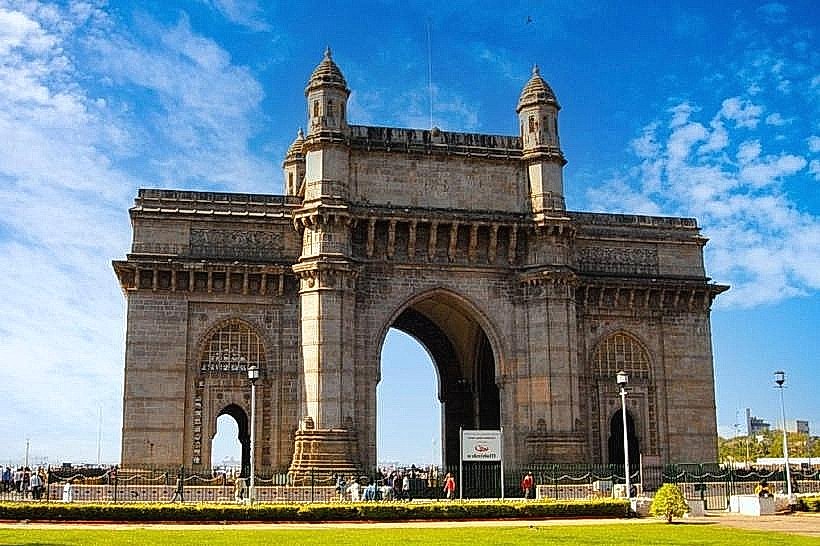
Gateway of India: An Indo-Saracenic arch built to commemorate the visit of King George V in 1911.
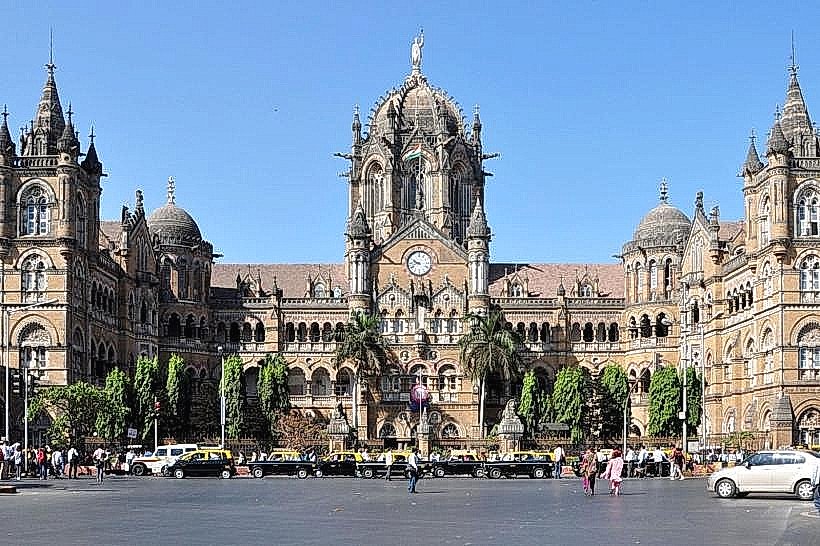
Chhatrapati Shivaji Maharaj Terminus (CSMT): A UNESCO World Heritage railway station and a masterpiece of Victorian Gothic Revival architecture.
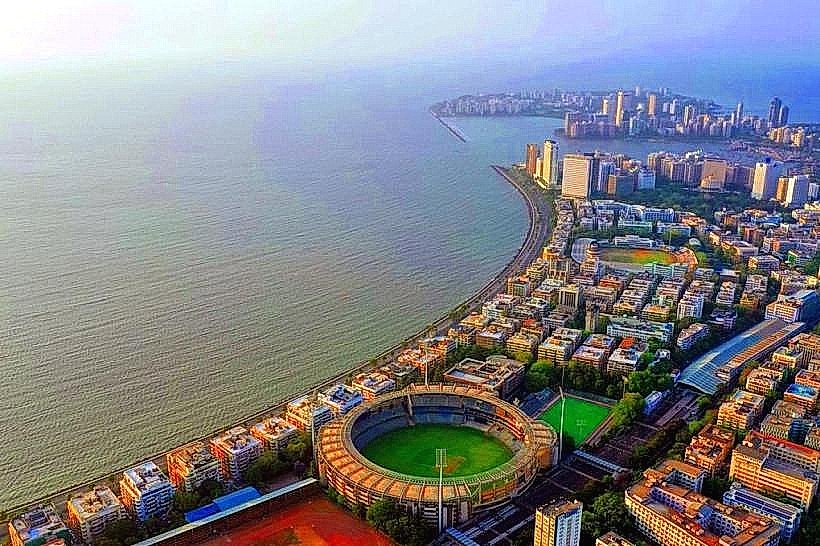
Marine Drive: A 3.6-km C-shaped promenade along the coast, known as the "Queen's Necklace" due to its streetlights.
Sanjay Gandhi National Park: One of the few national parks located within city limits, featuring the 2,000-year-old Kanheri Caves.
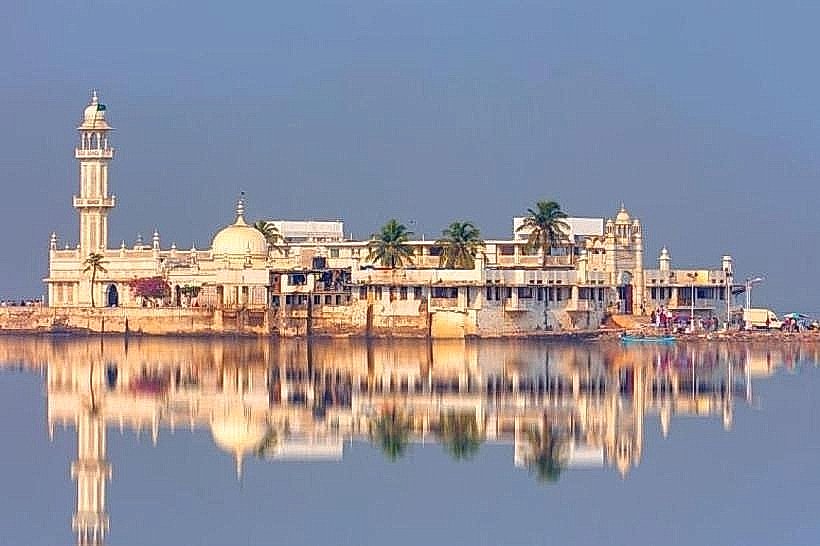
Haji Ali Dargah: A 15th-century mosque and tomb situated on an islet accessible only during low tide.
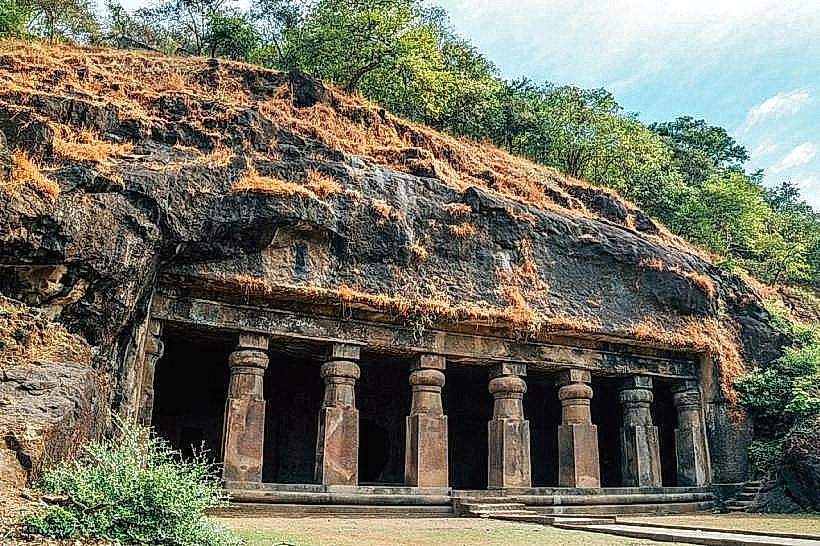
Elephanta Caves: (Accessible by ferry); UNESCO-listed rock-cut temples dedicated to Lord Shiva dating to the 5th century.
Transportation Network
Movement is dominated by the Mumbai Suburban Railway ("Local Trains"), carrying over 7.5 million passengers daily. In 2026, the Mumbai Metro is the primary mode for cross-city transit, bypassing heavy road traffic. Chhatrapati Shivaji Maharaj International Airport (BOM) is a major global hub. Local transport relies on black-and-yellow "Kaali-Peeli" taxis, auto-rickshaws (only in the suburbs), and the Bandra-Worli Sea Link.
Safety & "Red Zones"
General safety is very high for a global megacity; it is widely considered the safest Indian metro for women at night. Standard awareness is advised against pickpockets in crowded trains. Environmental "Red Zones" include low-lying areas during the Monsoon (June–September) due to extreme flooding and high-tide risks.
Digital & Financial Infrastructure
5G connectivity is universal. UPI payments are the absolute standard. The city houses the National Stock Exchange (NSE) and Bombay Stock Exchange (BSE). Maharashtra state taxes apply to high-end services.
Climate & Air Quality
Temperatures range from 18°C to 32°C in winter and 28°C to 38°C in summer. The humidity is consistently high. Air quality is generally better than Delhi due to sea breezes but can reach "Moderate" levels during winter construction peaks.
Culture & Social Norms
The standard tipping percentage is 10%. A "Fast-Paced & Resilient" (Mumbai Spirit) greeting is standard. Dress codes range from high-fashion to "Local-Pragmatic." The city is culturally defined by Vada Pav (street food), Ganesh Chaturthi (the largest local festival), and Corporate Ambition.
Local Cost Index
1 Espresso: ₹220 ($2.65 USD)
1 Standard Lunch: ₹450 ($5.40 USD)
1 Ferry to Elephanta: ₹200–₹260.
Nearby Day Trips
Lonavala & Khandala: (85 km east; hill stations famous for "Chikki" and monsoon waterfalls).
Matheran: (80 km east; a vehicle-free hill station accessible by toy train).
Alibaug: (Accessible via Ro-Ro ferry; a coastal getaway with historic forts and beaches).
Facts & Legends
Mumbai's Dabbawalas (lunchbox deliverymen) are globally famous for their six-sigma-rated delivery accuracy. Historically, the city was the birthplace of the Indian National Congress in 1885. A local legend involves the "Ghost of Mukesh Mills," a site frequently avoided by film crews due to reports of paranormal activity. Another legend concerns the "Kurla Monster," a 19th-century urban myth about a creature that supposedly roamed the marshes of the Mithi River.