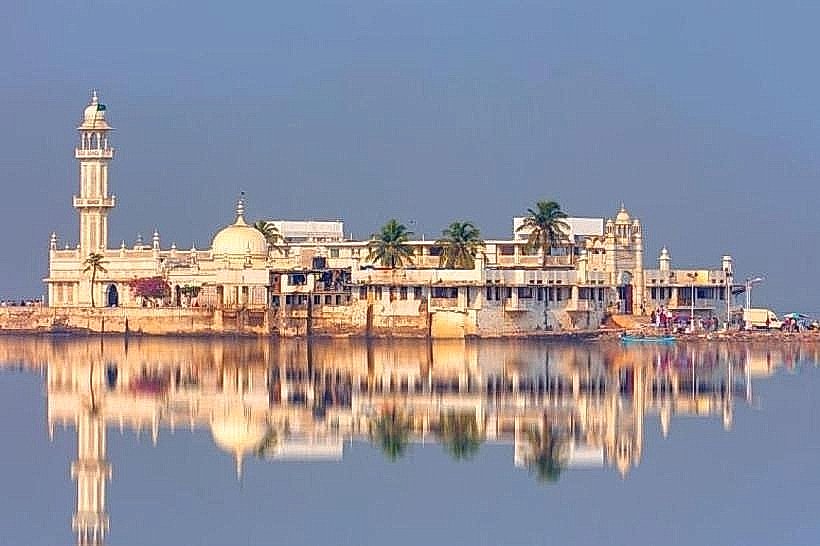
Information
Landmark: Chhatrapati Shivaji Maharaj TerminusCity: Mumbai
Country: India
Continent: Asia
Chhatrapati Shivaji Maharaj Terminus, Mumbai, India, Asia
Douglas Golf Course is a public recreational facility located in Douglas, Wyoming.
This 18-hole golf course features a relatively flat terrain with strategically placed sand traps and water hazards.
Visual Characteristics
The course is primarily characterized by manicured fairways and greens, bordered by native prairie grasses and scattered cottonwood trees. The soil is predominantly sandy loam. The overall elevation is consistent with the surrounding high plains environment.
Location & Access Logistics
Douglas Golf Course is situated approximately 2 miles west of downtown Douglas, Wyoming, accessible via Wyoming Highway 59 (North Douglas Highway). The drive from the city center takes approximately 5 minutes. Ample free parking is available at the clubhouse. No public transport routes directly serve the golf course; private vehicle or taxi service is required.
Historical & Ecological Origin
Established in 1958, Douglas Golf Course was designed by local golf enthusiasts and community members. Its purpose was to provide a recreational amenity for the residents of Douglas and Converse County. The course is situated on land that was historically part of the high plains grassland ecosystem.
Key Highlights & Activities
Activities include playing 18 holes of golf, practicing at the driving range, and utilizing the putting green. The course offers various tee boxes to accommodate different skill levels. Seasonal events and tournaments are held throughout the year.
Infrastructure & Amenities
The facility includes a clubhouse with restrooms and a pro shop. Limited food and beverage options are available at the clubhouse during operating hours. Cell phone signal (4G) is generally available throughout the course, though it may be intermittent in certain low-lying areas. There is no dedicated shade structure on the course itself, beyond natural tree cover.
Best Time to Visit
The best time for playing golf is from late spring (May) through early fall (October), when weather conditions are most favorable. Mornings typically offer cooler temperatures and softer light for photography. The course is generally playable from sunrise to sunset, weather permitting.
Facts & Legends
A local anecdote suggests that the course's 7th hole, a par 3, was designed around a particularly stubborn prairie dog colony that resisted relocation efforts for several years, influencing the bunker placement.
Nearby Landmarks
- Converse County Historical Museum (1.5km East)
- Douglas Public Library (2km East)
- Town Square (2.2km East)
- Ayres Natural Bridge State Park (15km Southwest)