Information
City: Murano IslandCountry: Italy
Continent: Europe
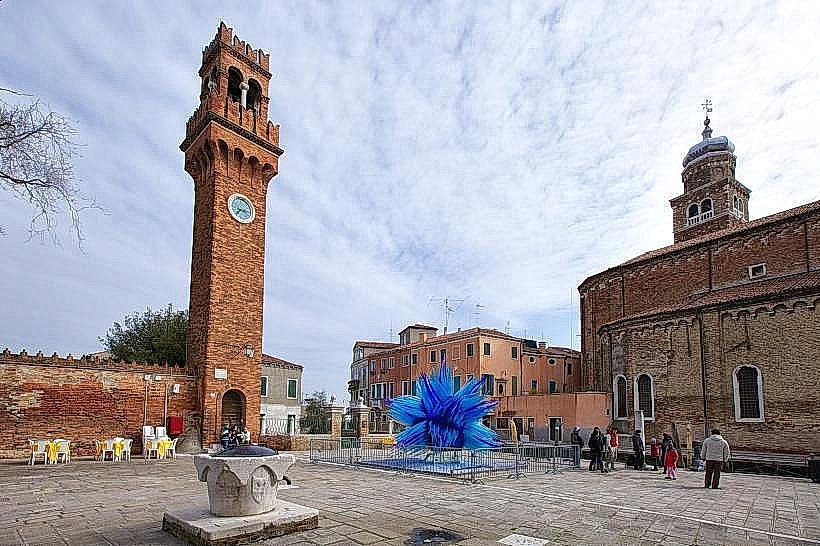
Murano Island, Italy, Europe
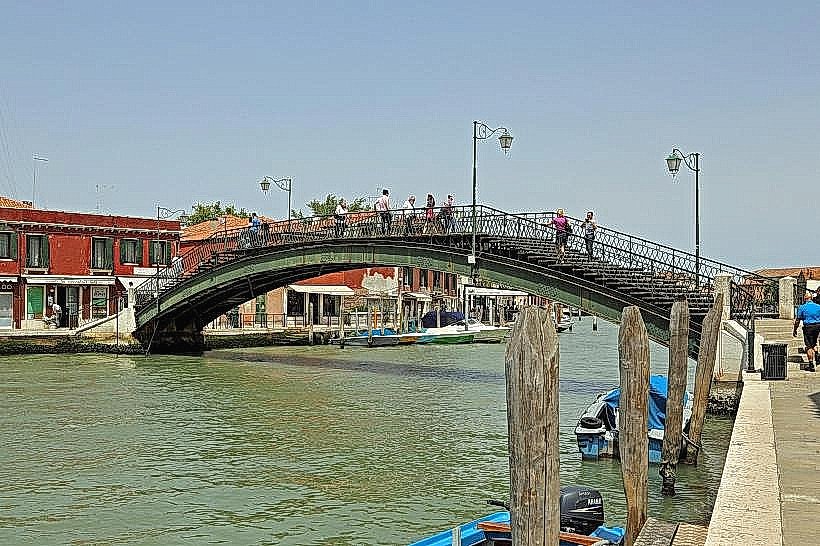
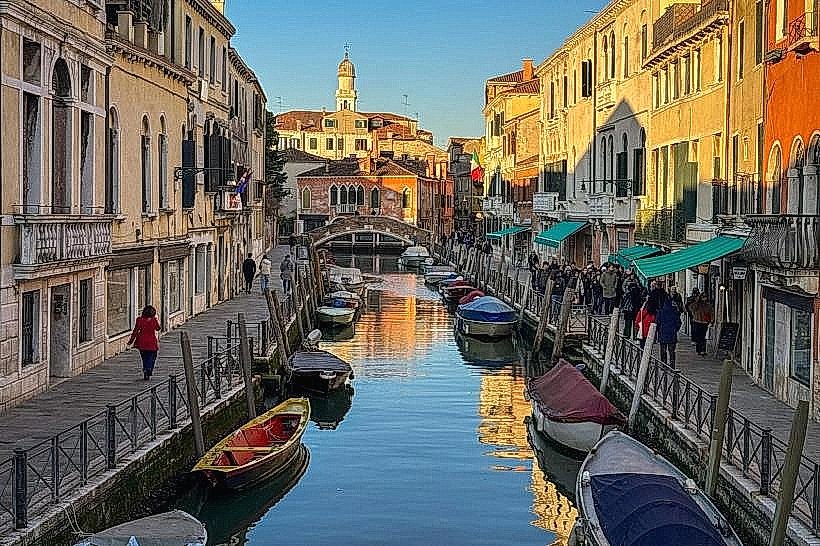
Murano is a series of seven islands linked by bridges in the Venetian Lagoon, approximately 1.5 km north of Venice. It has functioned as the global center for luxury glassmaking since the late 13th century.
Historical Timeline
Settled by Romans and later by refugees fleeing mainland invasions, Murano was initially a fishing and salt-production hub. In 1291, the Venetian Republic ordered all glassmakers to move their furnaces to Murano to prevent fires in the timber-heavy city of Venice and to isolate trade secrets. The island became a sovereign municipality with its own coinage and nobility. It was annexed by Venice in 1923.
Demographics & Population
As of 2026, the permanent population is approximately 4,300. The demographic is predominantly elderly Venetians and families tied to the glass industry.
Urban Layout & Key Districts
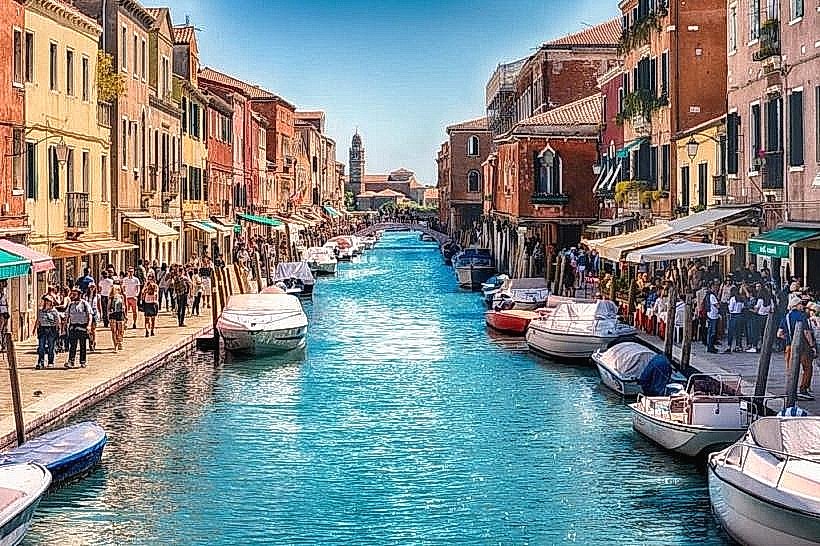
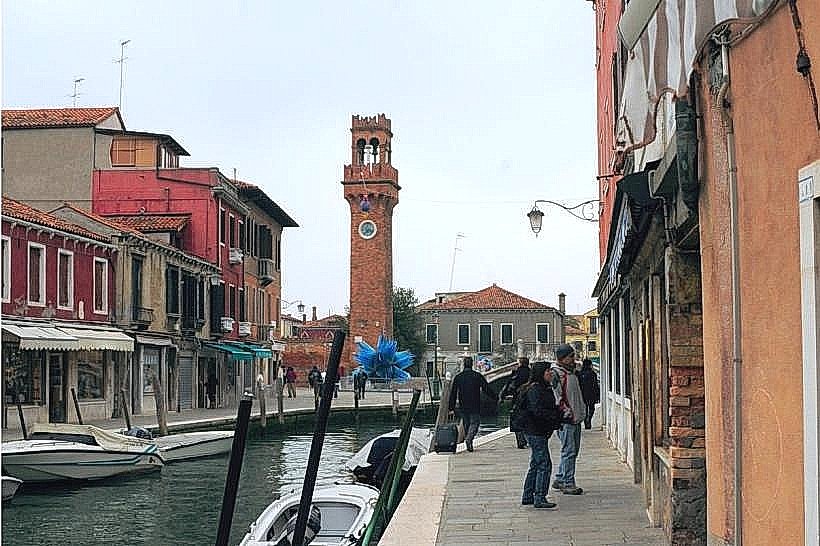
The islands are bisected by the Grand Canal of Murano.
San Donato: The historic and religious heart of the island.
San Pietro: Located on the southern edge, home to the primary ferry terminal (Colonna) and numerous large-scale furnaces.
Navagero: A residential and industrial stretch along the eastern canal.
Top Landmarks
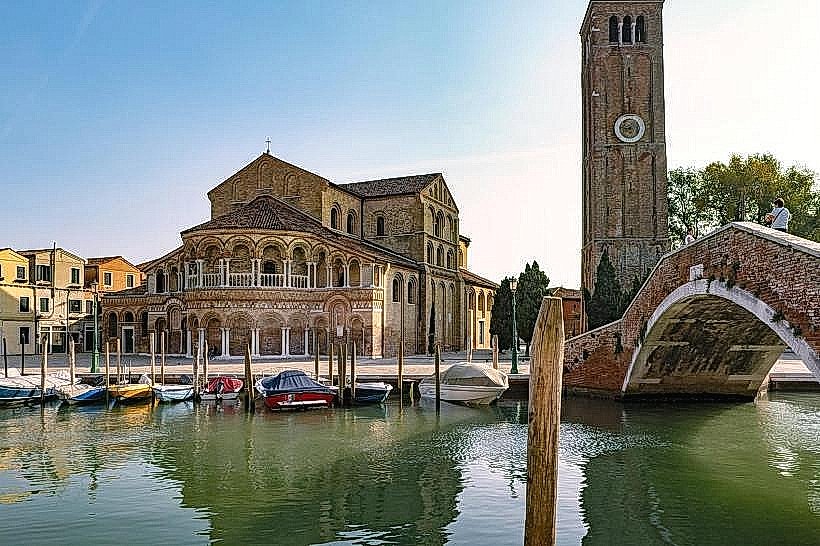
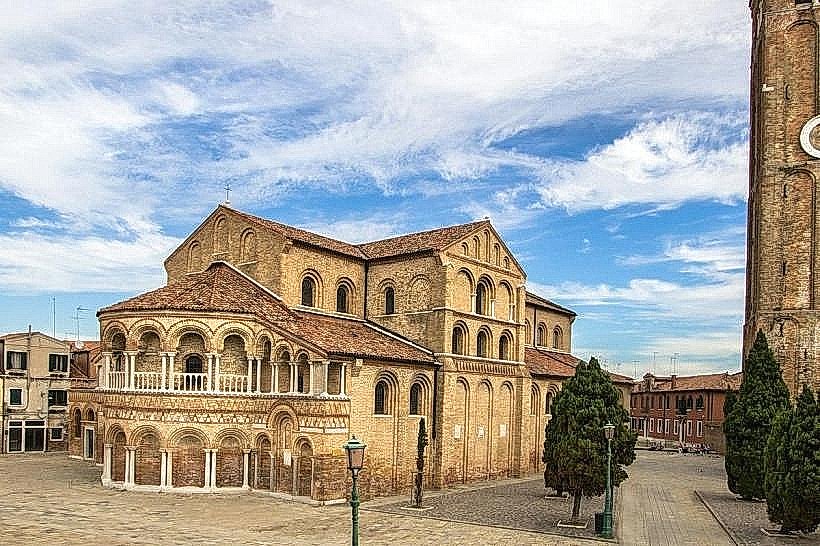
Basilica of Santa Maria e San Donato: A 7th-century church famous for its 12th-century Byzantine floor mosaics and the "dragon bones" (whale bones) hanging behind the altar.
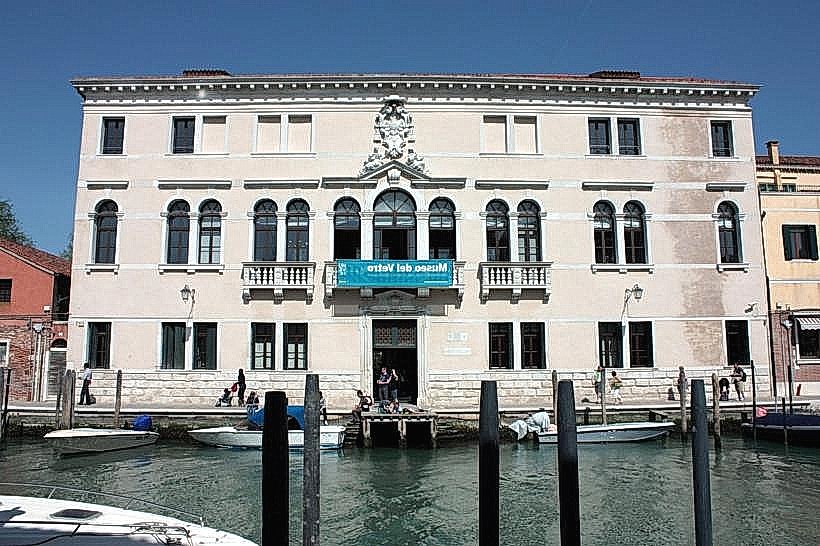
Murano Glass Museum (Museo del Vetro): Located in the Palazzo Giustinian; houses a chronological history of glass production from Roman times to the present.
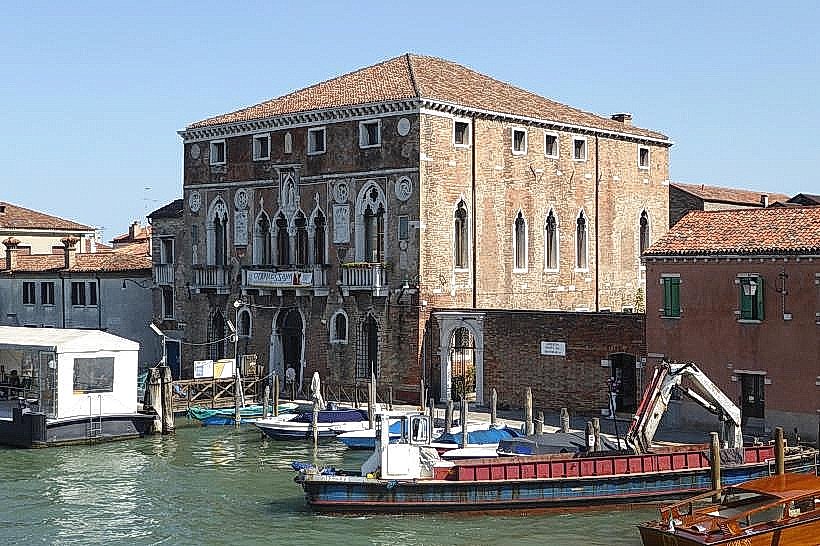
Palazzo da Mula: A 13th-century Gothic palace and one of the few remaining examples of a Venetian summer villa on the island.
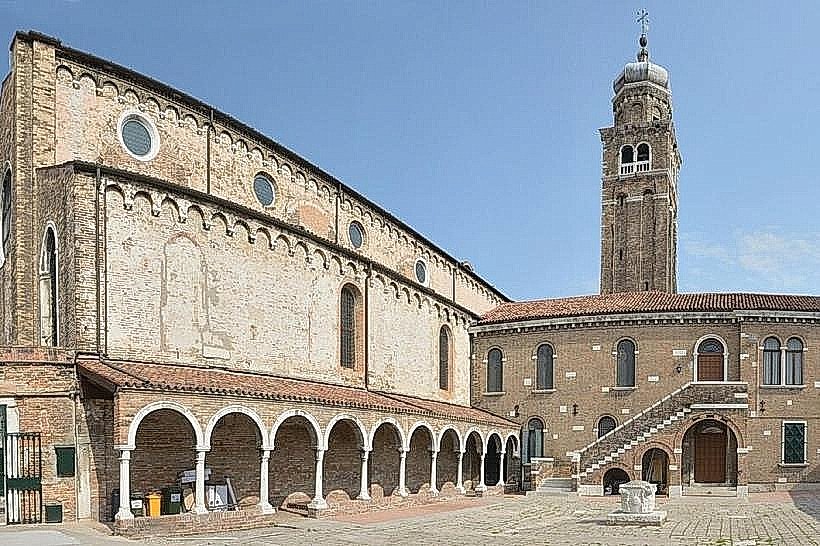
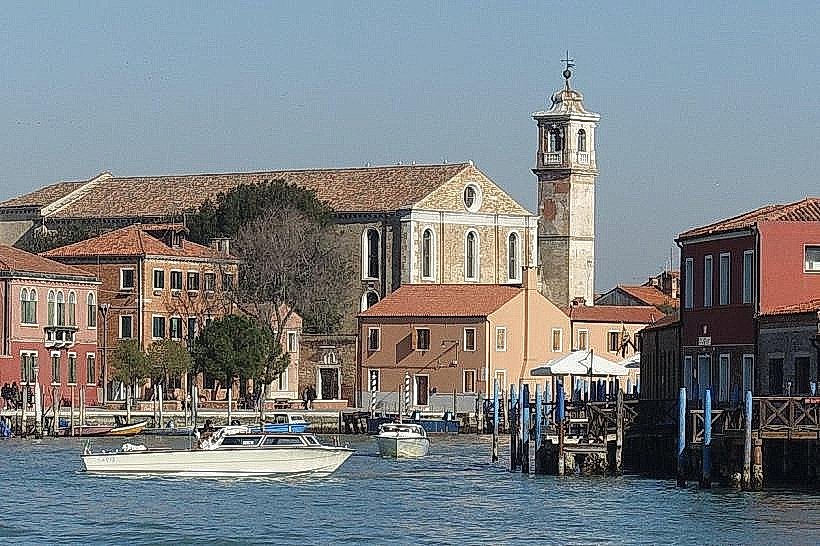
Church of San Pietro Martire: Houses significant works by Giovanni Bellini and Paolo Veronese.
Transportation Network
Murano is entirely pedestrian. Access from Venice is via ACTV Vaporetto (Lines 4.1, 4.2, 7, 12, and 18). The primary stops are Colonna, Faro, and Museo. Private water taxis provide direct furnace access for high-end buyers.
Safety & "Red Zones"
Murano is extremely safe. There are no "red zones." The primary risk is aggressive "free boat trip" solicitations from Venice, which are often high-pressure sales tactics for specific factories.
Digital & Financial Infrastructure
5G coverage is stable via TIM and Vodafone. Card acceptance is 100% in glass showrooms. The currency is the Euro (€). ATMs are located near the Faro and Colonna stops.
Climate & Industry
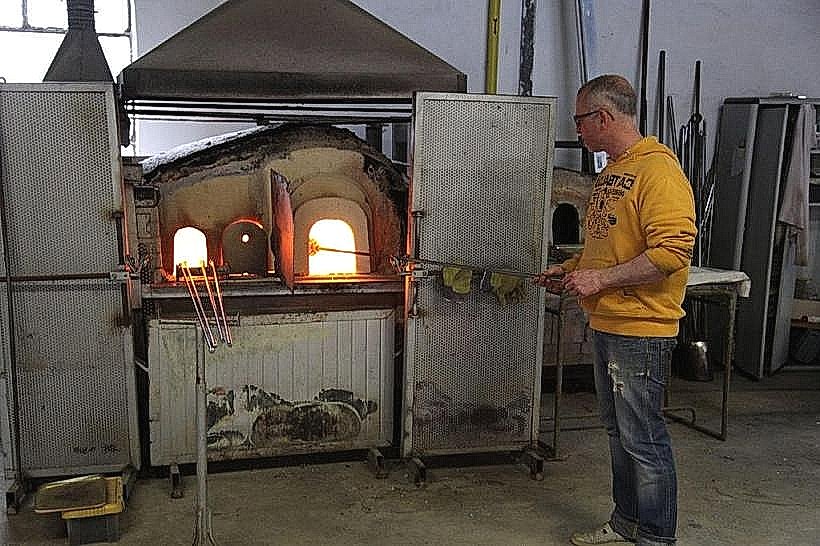
The climate matches Venice (Humid Subtropical). The island’s micro-environment is characterized by heat emissions from the active furnaces (fornaci), which operate year-round except during August maintenance.
Culture & Industry Norms
Glassmaking: The industry is protected by the Vetro Artistico® Murano trademark. Avoid "Murano style" imports; authentic pieces carry the official stickered certification.
Glassblowing Demonstrations: Most furnaces offer short public demonstrations for a small fee (€5–€10) or free with a showroom visit.
Tipping: Not required in restaurants; not expected for glassblowers.
Local Cost Index
1 Espresso: €1.20–€1.50
1 Glass Ornament: €15.00–€5,000.00+
1 Single Vaporetto Ticket: €9.50 (Standard Venice rate)
Facts & Legends
Legend says that in the 15th century, Murano glassmakers were forbidden from leaving the Republic under penalty of death to prevent the theft of secret formulas for cristallo (clear glass). A verified historical fact: Murano glassmakers were the only commoners allowed to marry the daughters of Venetian nobles due to their immense value to the state.