Information
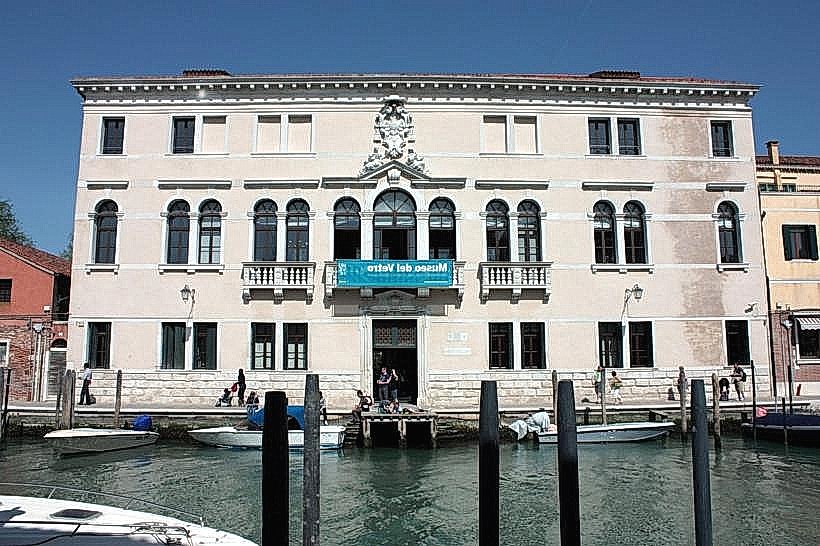
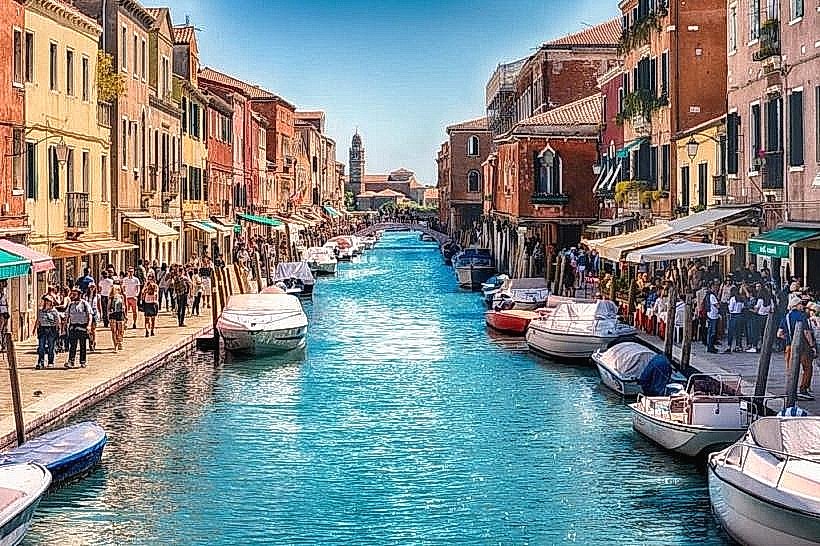
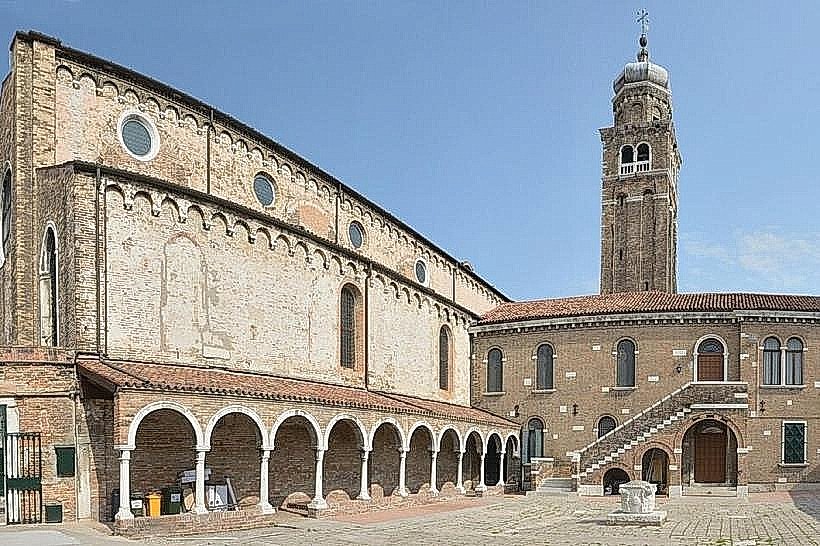
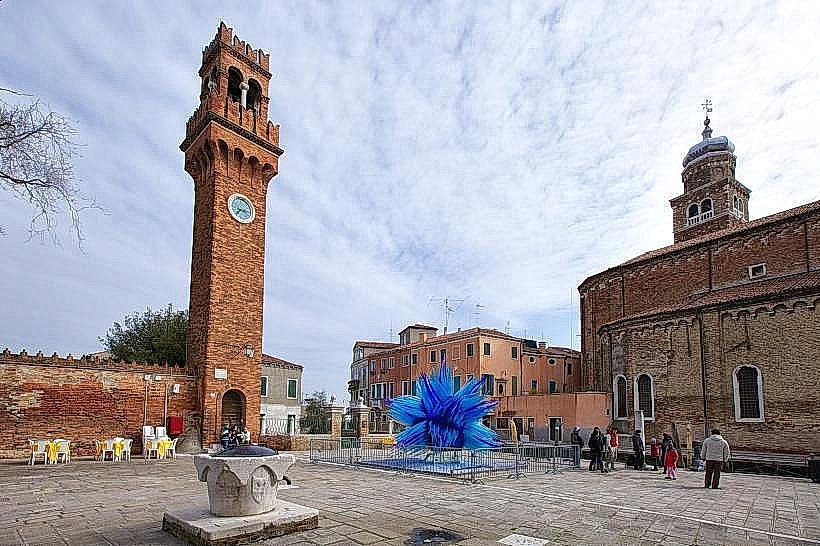
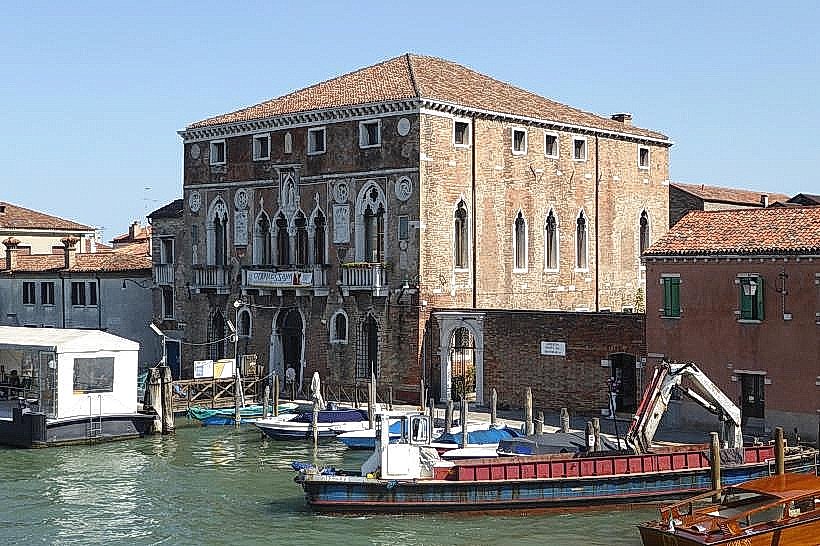
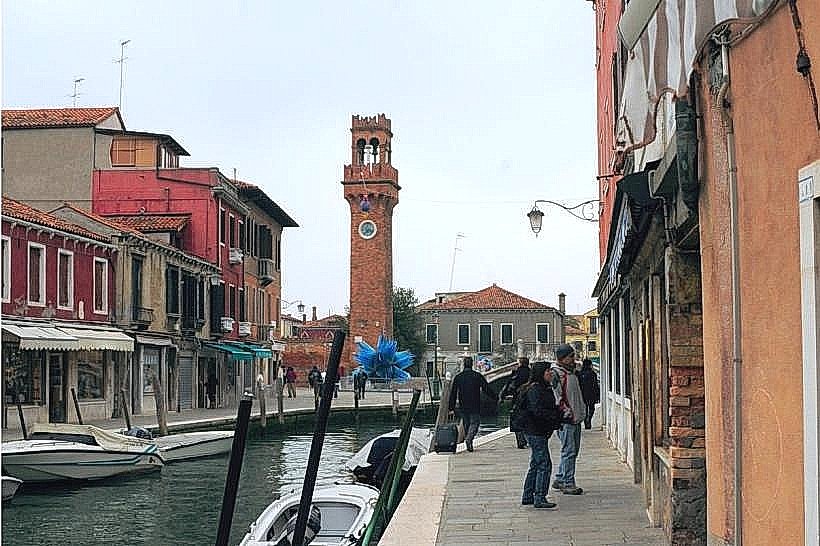
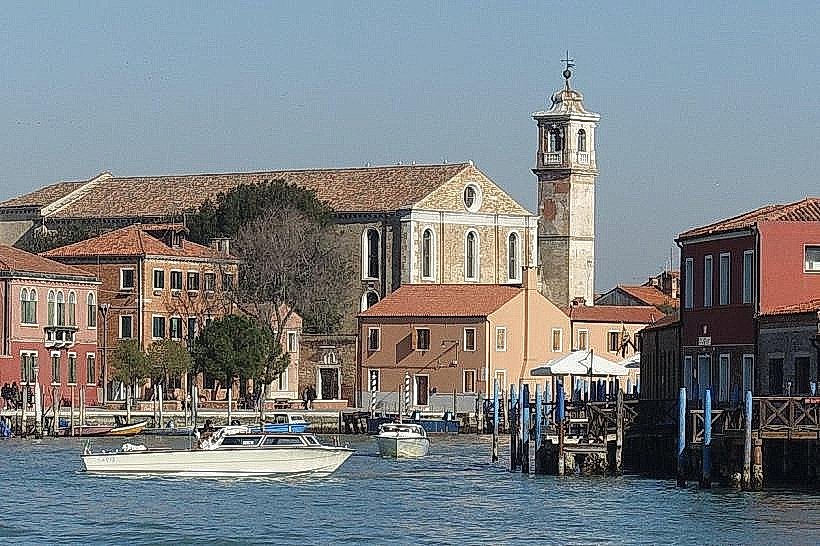
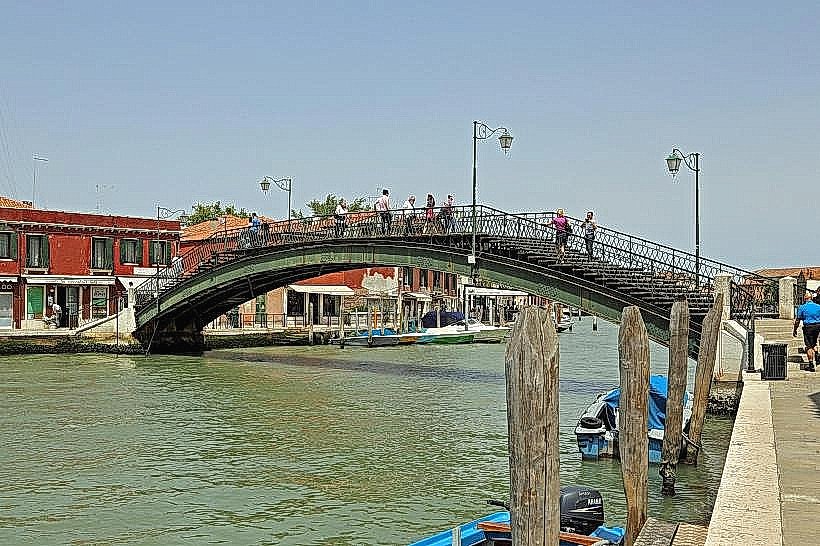
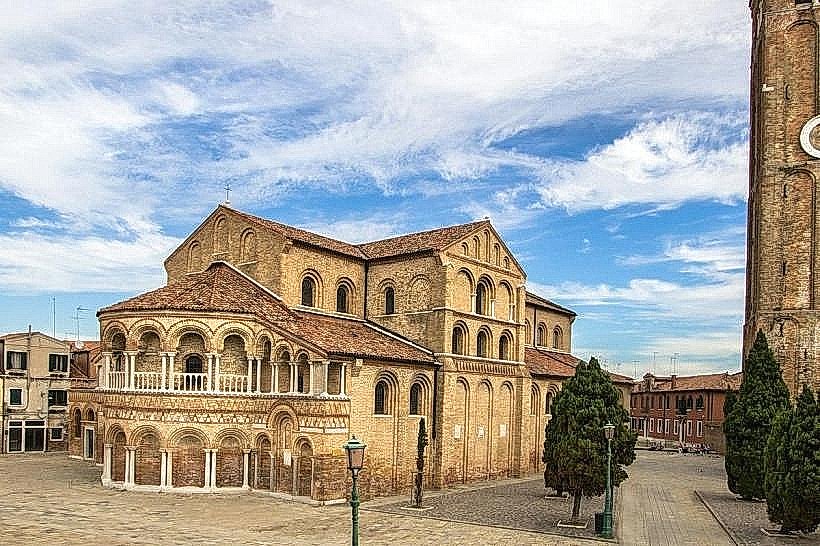
Landmark: Basilica dei Santi Maria e DonatoCity: Murano Island
Country: Italy
Continent: Europe
Basilica dei Santi Maria e Donato, Murano Island, Italy, Europe
Spearfish City Park is a public recreational area situated in Spearfish, South Dakota, USA.
Visual Characteristics
The park features a central lawn area bordered by mature deciduous trees, primarily cottonwoods and elms. Spearfish Creek, a clear, shallow waterway, flows through the eastern section of the park, with a gravel and stone bed. Paved walking paths traverse the grounds, connecting various amenities. The park's landscape is generally flat, with some gentle undulations near the creek banks.
Location & Access Logistics
Spearfish City Park is located at 100 Park Drive, Spearfish, SD 57783, approximately 0.5km south of the Spearfish city center. Access is via Park Drive, which connects to Main Street. Ample free parking is available in designated lots throughout the park. Public transport options are limited; the nearest bus stop is located on Main Street, approximately 0.8km north of the park entrance.
Historical & Ecological Origin
The park was established in the early 20th century as a municipal green space. Spearfish Creek is a natural waterway fed by springs in the Black Hills, contributing to the riparian ecosystem within the park. The area has undergone several phases of development, including the addition of recreational facilities and landscaping over decades.
Key Highlights & Activities
Activities include picnicking at designated tables, walking or jogging on the paved trails, and fishing in Spearfish Creek. A playground area is available for children. The park hosts community events, particularly during warmer months. Birdwatching is possible along the creek banks.
Infrastructure & Amenities
Restrooms are located near the main parking area and the pavilion. Several covered picnic shelters with tables are distributed throughout the park. Shade is provided by mature trees. Cell phone signal (4G/5G) is generally reliable within the park. No on-site food vendors are present, but several restaurants are located within a 1km radius.
Best Time to Visit
The best time for photography is during the early morning or late afternoon when sunlight filters through the trees. The months of May through October offer the most pleasant weather for outdoor activities. Spearfish Creek's water levels are generally consistent year-round, with no specific tide requirements.
Facts & Legends
A local anecdote suggests that the park's oldest cottonwood tree, located near the western edge, was a meeting point for early settlers. The park's creek is known for its consistent water temperature, even during winter months, due to its spring origins.
Nearby Landmarks
- Spearfish Historical Museum (0.7km North)
- Black Hills State University (1.2km Northwest)
- Downtown Spearfish Historic District (0.9km North)
- Bighorn Mountains Scenic Byway (Access point 2.5km Southwest)