Information
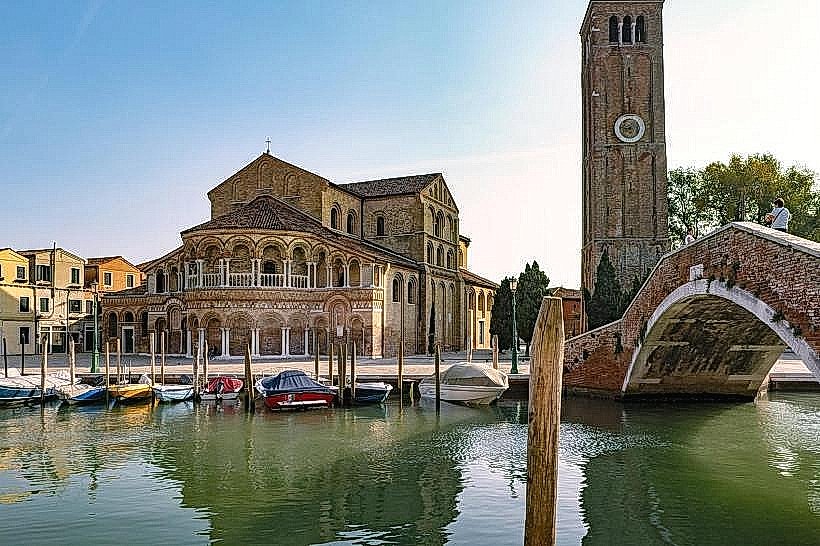
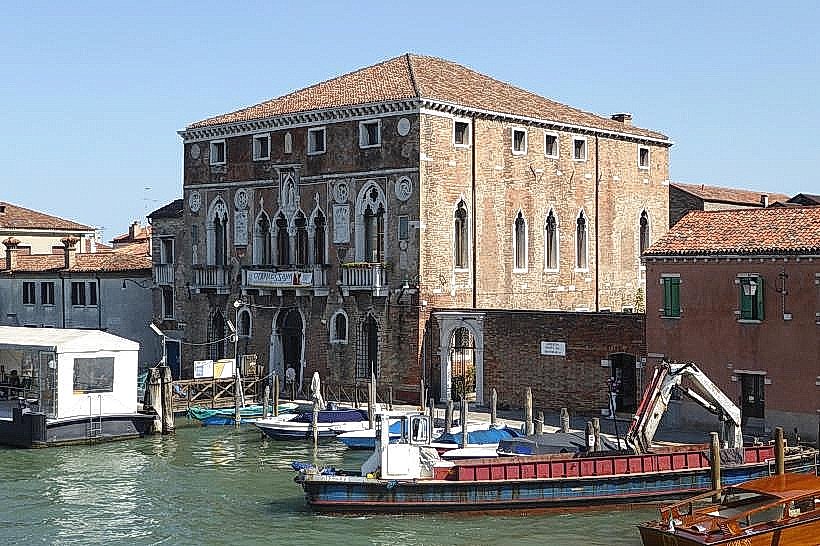
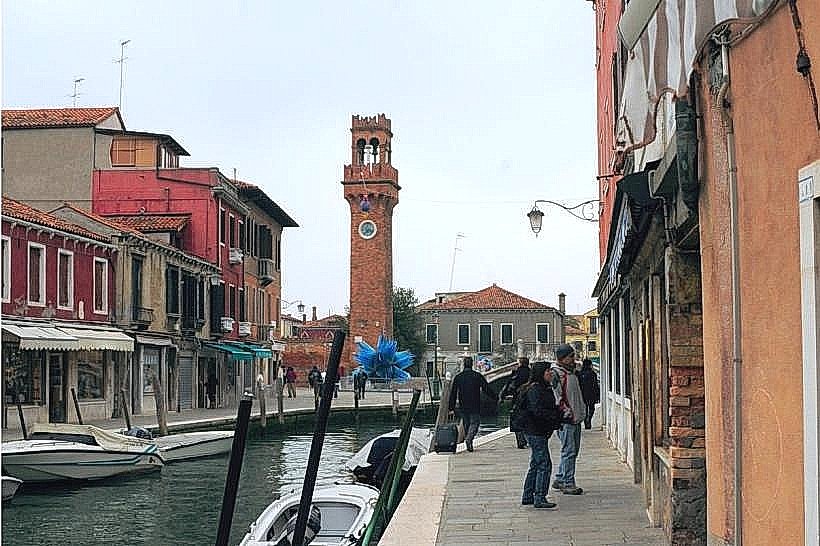
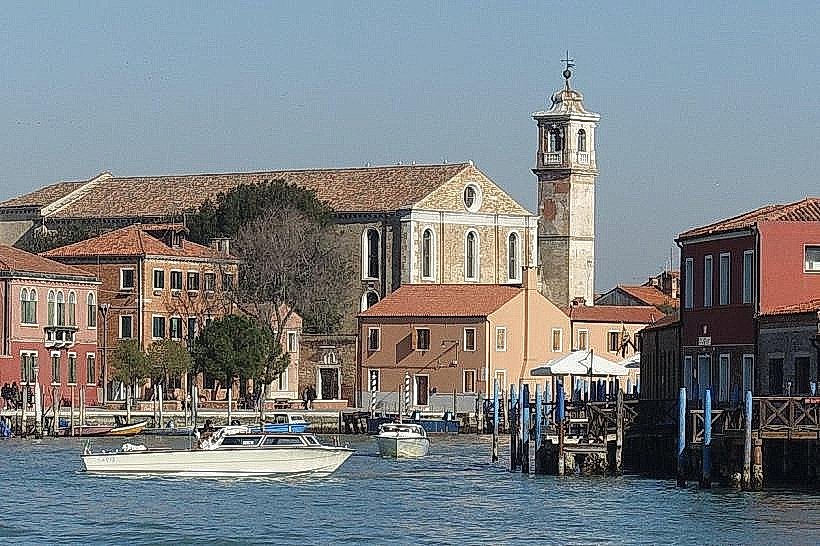
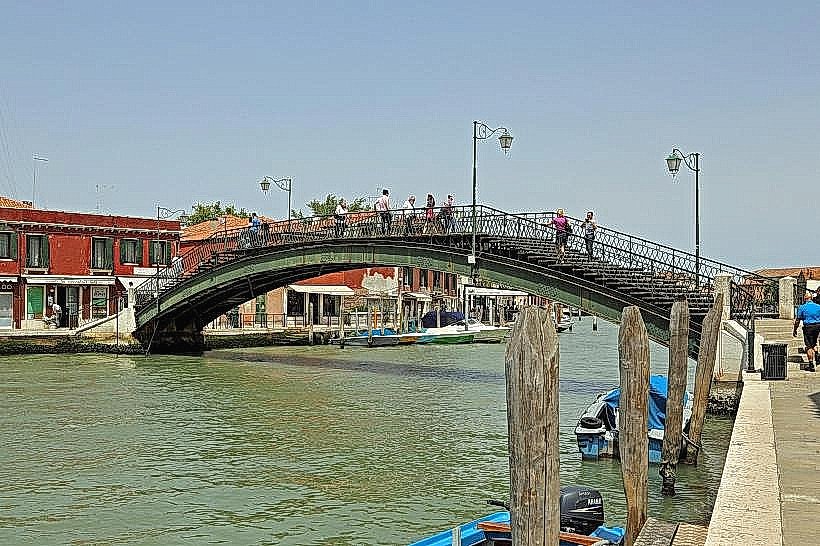
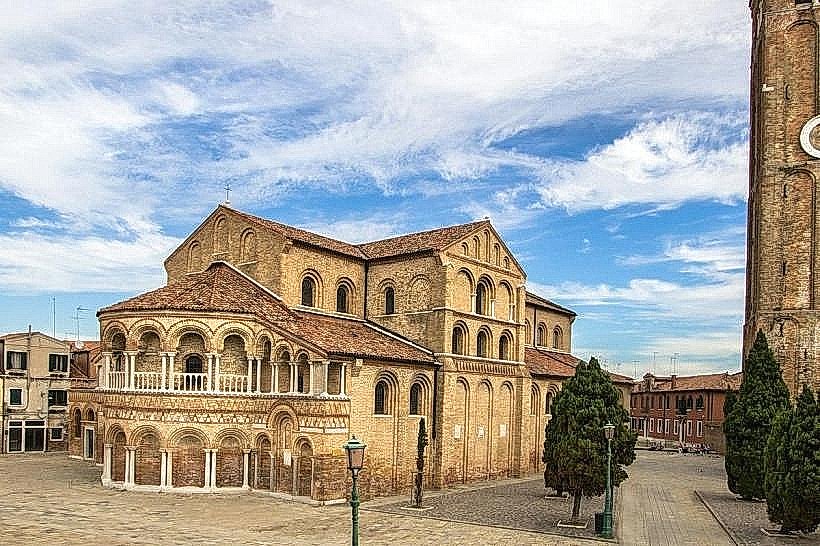
Landmark: Church of San Pietro MartireCity: Murano Island
Country: Italy
Continent: Europe
Church of San Pietro Martire, Murano Island, Italy, Europe
The D.C. Booth Historic National Fish Hatchery is a preserved 19th-century fish culture facility located in Spearfish, South Dakota.
Visual Characteristics
The hatchery complex includes several historic buildings constructed primarily of red brick and local stone. The main hatchery building features a prominent clock tower. The grounds are landscaped with mature trees and feature several ponds and raceways. The architecture reflects late 19th and early 20th-century utilitarian design.
Location & Access Logistics
The hatchery is situated at 423 Hatchery Road, Spearfish, South Dakota, approximately 1 mile west of the Spearfish city center. Access is via Hatchery Road, which connects to US Highway 14A. Ample free parking is available on-site. Public transport options within Spearfish are limited; a personal vehicle is recommended.
Historical & Ecological Origin
Established in 1896, the D.C. Booth Fish Hatchery was one of the first federal fish hatcheries in the United States. Its original purpose was to propagate trout species to support stocking efforts in rivers and lakes across the western United States, addressing declining fish populations due to overfishing and habitat degradation. The site was chosen for its reliable access to cold, clean spring water.
Key Highlights & Activities
Visitors can tour the historic hatchery buildings, including the superintendent's residence and the original hatchery operations. Educational exhibits detail the history of fish culture and conservation. Feeding the resident trout in the ponds is a popular activity. Self-guided walks around the grounds are permitted.
Infrastructure & Amenities
Restrooms are available within the visitor center. Shaded areas are provided by mature trees throughout the grounds. Cell phone signal (4G/5G) is generally available. No on-site food vendors are present, but restaurants are located within a short drive in Spearfish.
Best Time to Visit
The hatchery is open year-round. Spring (April-May) and Fall (September-October) offer moderate temperatures and fewer crowds. Summer months (June-August) are warmer and can be busier. Mid-morning to early afternoon provides good natural light for photography of the buildings and grounds.
Facts & Legends
A unique feature of the hatchery is the "Fish Car" exhibit, a restored railroad car used to transport live fish across the country in the early 20th century. It is one of only a few remaining in existence.
Nearby Landmarks
- Spearfish Canyon Scenic Byway (0.8km Southwest)
- Black Hills National Forest (Access points within 5km)
- Downtown Spearfish (1.2km East)
- Bighorn Sheep Viewing Area (15km West)