Information
City: PalangaCountry: Lithuania
Continent: Europe
Palanga, Lithuania, Europe
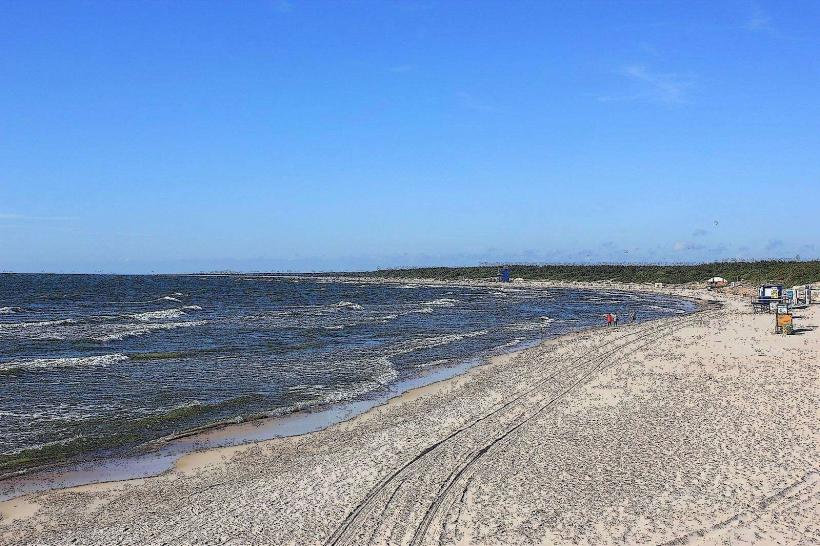
Palanga serves as the summer capital of Lithuania and the nation’s busiest seaside resort. It functions as a seasonal tourism powerhouse, characterized by its 18-kilometer white-sand beach, a high concentration of Amber-related heritage, and a transition from high-energy nightlife on Basanavičius Street to the quiet refinement of its northern pine forests.
Historical Timeline
First mentioned in 1161 in Danish chronicles. The city’s modern identity as a resort was established in the 19th century by the Tyszkiewicz family, who built the iconic palace and the first sea pier. Following the restoration of independence, Palanga evolved from a domestic health retreat into an international destination, specifically benefiting from the modernization of its international airport.
Demographics & Population
The population is approximately 18,000 (2026 estimate), though this number fluctuates to over 200,000 during peak summer weekends. The demographic is predominantly Lithuanian, but includes a high volume of seasonal workers from across the Baltic region and Ukraine.
Urban Layout & Key Districts
The city is a linear strip along the Baltic Sea.
Centras: Anchored by J. Basanavičius Street, the primary pedestrian and entertainment artery leading to the sea.
Birutė Park District: The southern, more upscale area surrounding the Amber Museum and botanical gardens.
Šventoji: A quieter, family-oriented northern district (12 km from the center) with its own harbor and wooden cottages.
Kunigiškiai: A rapidly developing northern residential area popular for luxury villas and proximity to the airport.
Top City Landmarks
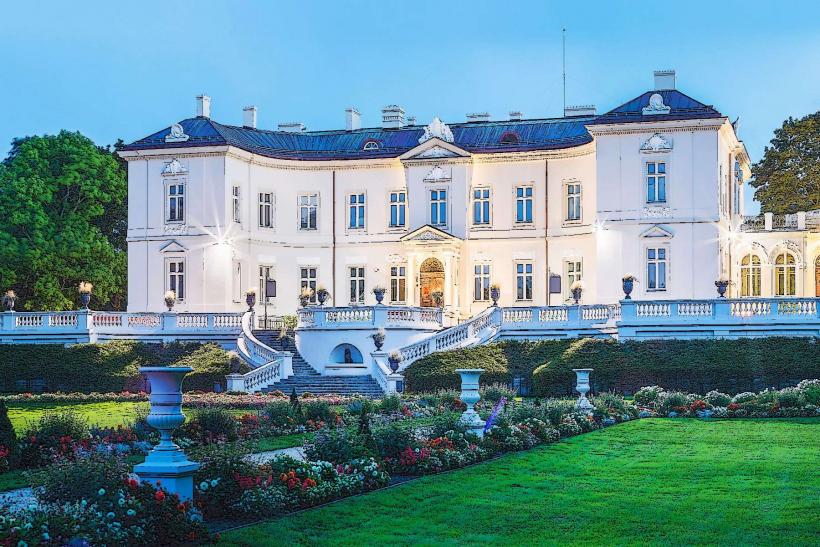
Palanga Amber Museum: Housed in the restored Tyszkiewicz Palace, containing one of the world's largest collections of Baltic amber.
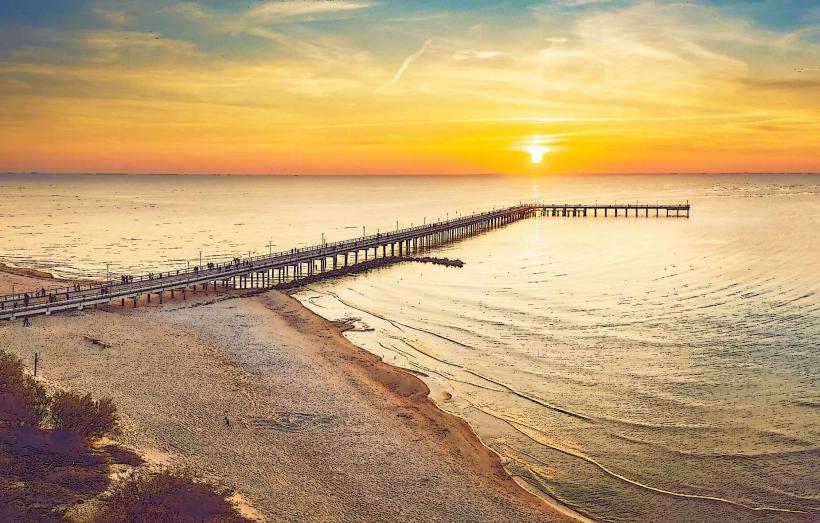
Palanga Bridge (Jūros tiltas): An L-shaped pier extending 470 meters into the Baltic Sea; the city's primary sunset viewing point.
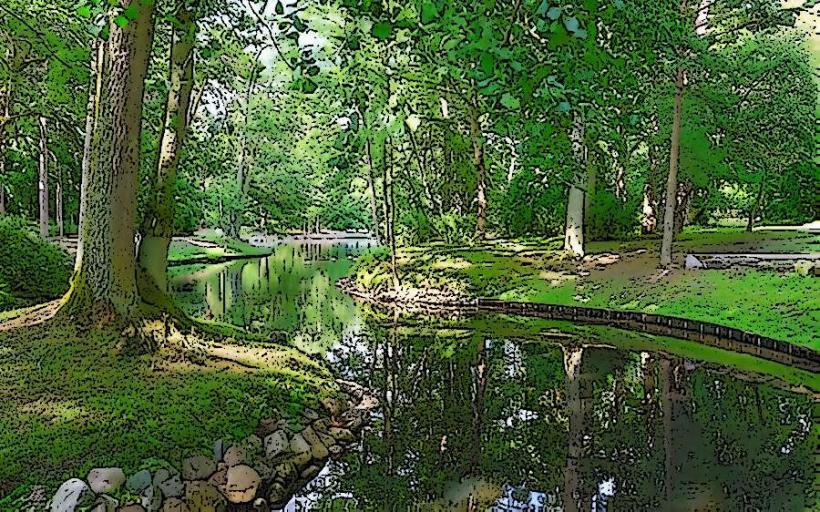
Birutė Park: One of the most beautiful botanical gardens in the Baltics, designed by Édouard André.
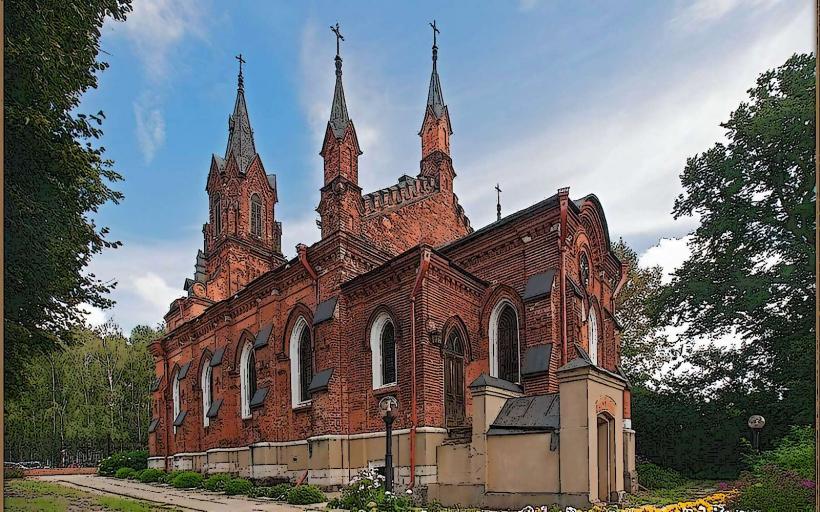
The Church of the Assumption of the Virgin Mary: A Neo-Gothic red-brick landmark with a 76-meter spire.
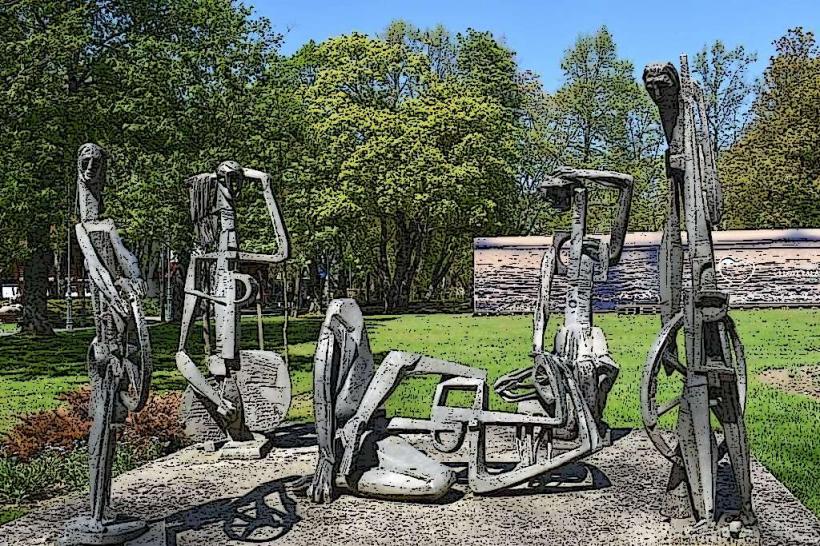
The Sculpture Park: An open-air gallery in the city center featuring works by Lithuanian and Armenian artists.
Birutė Hill: A sacred site and former pagan observatory located within the botanical gardens.
Transportation Network
Movement is managed by a network of local buses and private shuttles connecting Palanga and Šventoji. The city is a major terminus for the highway from Kaunas and Vilnius (A1). Palanga International Airport (PLQ) is located 7 km north, providing direct links to London, Copenhagen, and Riga. The city is exceptionally bikeable, connected to the EuroVelo 10 coastal route.
Safety & "Red Zones"
The safety level is high. There are no "no-go zones." Standard urban awareness is recommended on Basanavičius Street late at night during peak season due to high crowd density and alcohol consumption. The sea can have dangerous rip currents; swimming is only permitted under green or yellow flags.
Digital & Financial Infrastructure
Average internet speed is 500–1000 Mbps. Palanga is a leader in seasonal smart-city management. The city is entirely cashless. Cards and mobile payments (including Mobilly and m.Parking) are universal. Entry into the city for motor vehicles is free, but parking in the central zone is strictly regulated and fee-based.
Climate & Air Quality
Temperatures range from -3°C in winter to 20°C in summer. The maritime climate provides high levels of iodine and pine phytoncides. Air quality is among the best in the country.
Culture & Social Norms
Tipping of 10% is standard. The culture is a dichotomy: the "Palanga style" of loud, festive vacationing on the main strip vs. the "Wellness and Nature" focus of the spa districts. Social life revolves around the summer concert season and the annual Stintų šventė (Smelt Festival) in February.
Accommodation Zones
Stay near Birutė Park for luxury spas and quiet surroundings.
Stay near Basanavičius Street for immediate access to nightlife and dining.
Stay in Kunigiškiai or Šventoji for quiet, family-oriented beach access.
Local Cost Index
1 Espresso: 3.00 – 4.50 €
1 Standard Lunch (Summer): 10.00 – 16.00 €
1 Pint of Local Beer: 5.50 – 8.00 €
1 Bus Ticket (Palanga–Šventoji): 2.00 €
Nearby Day Trips
The Curonian Spit: Accessible via a 30-minute drive and ferry from Klaipėda.
Karklė: 15 km south; a traditional fishing village located within the Seaside Regional Park.
HBH Juozas: 7 km east; a massive entertainment and brewery complex in Žibininkai.
Facts & Legends
Local legend says the priestess Birutė lived on the hill in Palanga and was so beautiful that Grand Duke Kęstutis took her by force to be his wife. A verified historical fact is that Palanga was the only seaside outlet for the Grand Duchy of Lithuania for centuries, serving as its primary window to the maritime world.