Information
Landmark: Palanga Seaside ParkCity: Palanga
Country: Lithuania
Continent: Europe
Palanga Seaside Park, Palanga, Lithuania, Europe
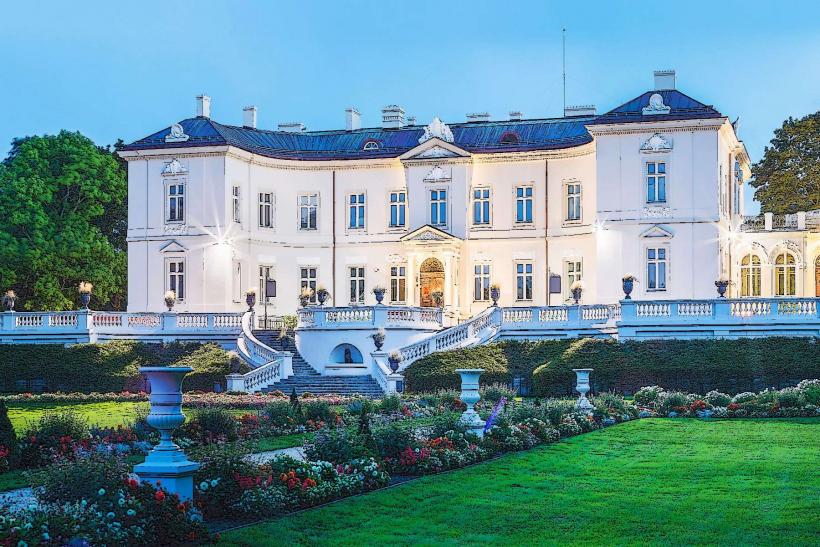
Palanga Seaside Park, also known as Birutė Park, is a large landscaped park located in Palanga, Lithuania, extending from the town center towards the Baltic Sea coast. It encompasses botanical gardens and the historic Tyszkiewicz Palace, which houses the Palanga Amber Museum.
Visual Characteristics
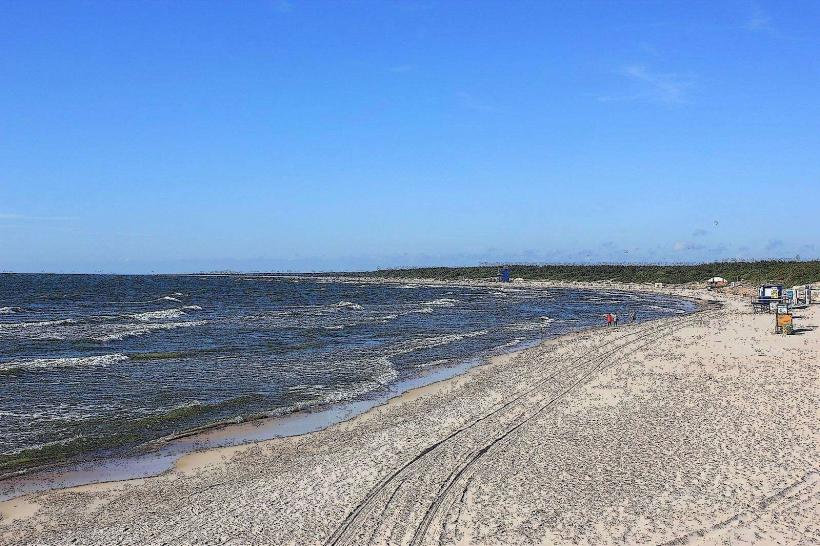
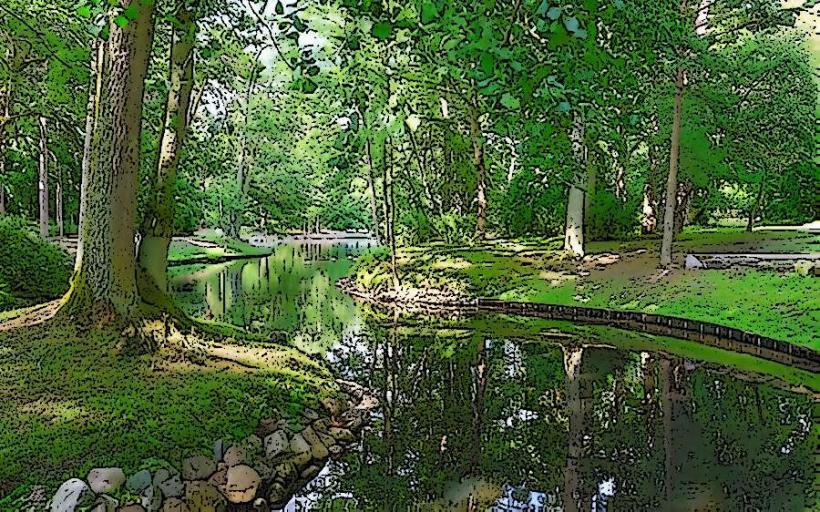
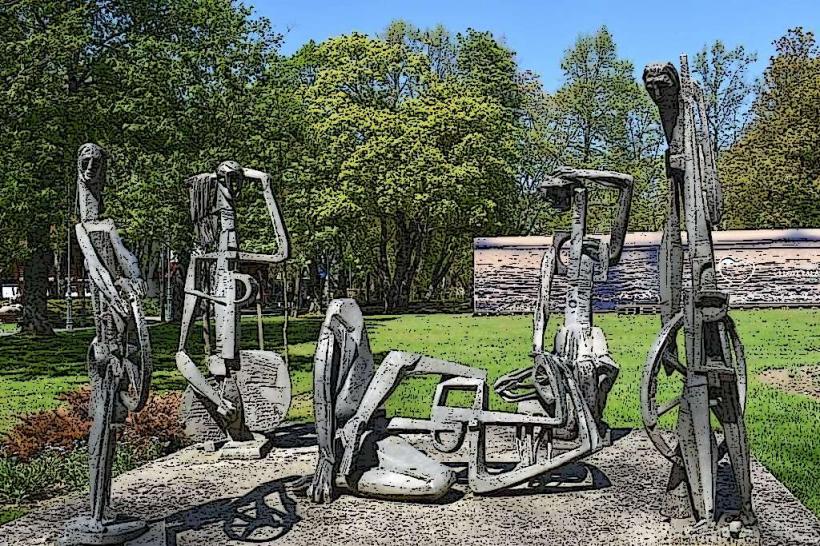
The park features extensive green areas with mature trees, including coastal pines and various deciduous species, traversed by both paved and unpaved walking paths. Central to the park is the Tyszkiewicz Palace, a neo-Renaissance structure with light-colored facades and intricate architectural details. Numerous sculptures and fountains are distributed throughout the grounds. Towards its western boundary, the park transitions into sand dunes that lead directly to the Baltic Sea beach.
Location & Access Logistics
Palanga Seaside Park is situated on the western side of Palanga, directly bordering the Baltic Sea. Main pedestrian access points are located along Vytauto gatvė and at the western end of J. Basanavičiaus gatvė. The park's eastern edge is approximately 1.5 kilometers west of the Palanga Bus Station. Limited street parking is available on surrounding streets, with larger paid parking lots located further east within the town. Palanga is primarily walkable, and local bus routes may serve the perimeter roads, but direct public transport into the park is not available.
Historical & Ecological Origin
The park is a man-made landscape designed by French landscape architect Édouard François André. Construction commenced in the late 19th century, around 1897, as the private estate park for Count Feliks Tyszkiewicz, surrounding his newly built palace. Its original purpose was to serve as a private botanical garden and recreational area for the Tyszkiewicz family. Ecologically, the park integrates existing coastal pine forests with a diverse collection of planted botanical elements.
Key Highlights & Activities
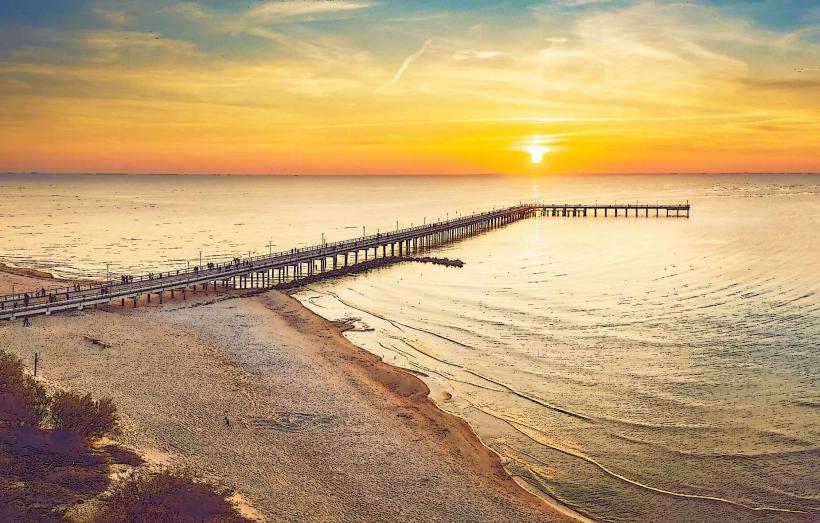
Visiting the Palanga Amber Museum, housed within the Tyszkiewicz Palace, is a primary activity. Walking and cycling are facilitated by a network of designated paths. Ascending Birutė Hill to visit its historic chapel offers panoramic views. The park provides direct access to the Palanga Pier via its western edge. During summer months, outdoor concerts and cultural events are held at the park's amphitheater.
Infrastructure & Amenities
Restrooms are available at several points within the park, particularly near the Palanga Amber Museum and main entrances. Abundant shade is provided by the mature tree canopy throughout the park. Cell phone signal coverage is generally strong (4G/5G). Food vendors, including kiosks and small cafes, operate within the park, especially near the museum and along primary pathways during peak season.
Best Time to Visit
For photography, early morning or late afternoon light provides optimal conditions for capturing the palace architecture and park landscapes. The months of June through August offer the warmest weather and full operational services for all park amenities. May and September provide cooler temperatures and fewer visitors. Tidal conditions do not impact park access or activities, but the adjacent beach is always accessible.
Facts & Legends
Birutė Hill is central to a local legend, stating it was once a sacred pagan site where the priestess Birutė, wife of Grand Duke Kęstutis, guarded eternal fires. A chapel now stands atop the hill. The park's botanical collection includes over 500 species of trees and shrubs, making it one of Lithuania's most diverse arboretums.
Nearby Landmarks
- Palanga Pier: 0.5km West
- J. Basanavičiaus gatvė (Palanga's main promenade): 0.3km North-East
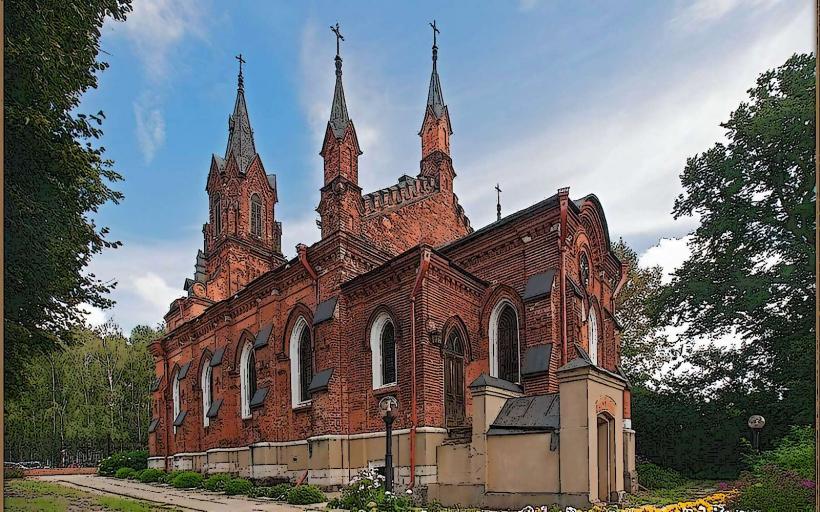
- Palanga Church of the Assumption of the Virgin Mary: 1.5km East
- Dog Museum (Šunų muziejus): 1.8km East