Information
Landmark: Palanga BeachCity: Palanga
Country: Lithuania
Continent: Europe
Palanga Beach, Palanga, Lithuania, Europe
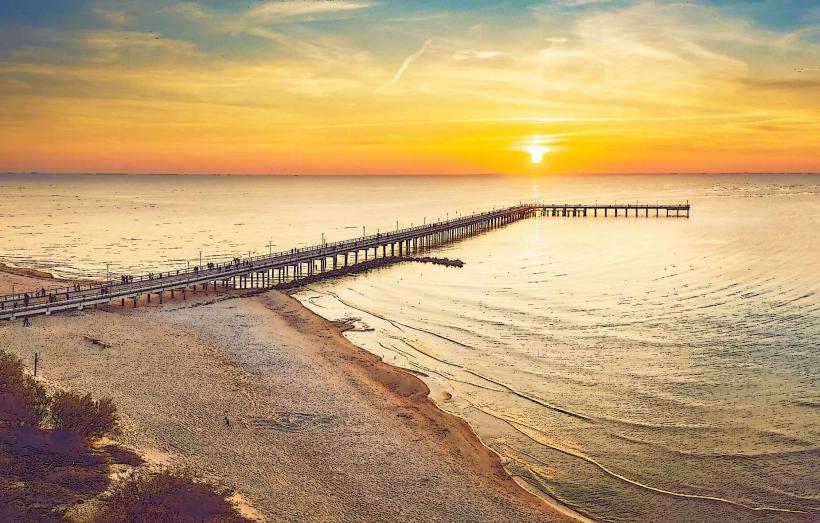
The beach consists of fine, light-colored sand. The Baltic Sea water typically appears grey-green, with clarity varying based on weather conditions. The coastline is backed by low dunes, which transition into pine forests and a developed promenade.
Location & Access Logistics
Access to Palanga Beach is primarily via J. Basanavičiaus Street, which extends directly to the main pier. The beach is located immediately west of Palanga city center. Parking is available in designated lots along Vytauto Street and S. Dariaus ir S. Girėno Street, typically within 0.5km to 1km of the main beach access points. Local bus lines serve the city, with stops near the main beach entrances and along the promenade.
Historical & Ecological Origin
Palanga Beach is a natural coastal formation, part of the Baltic Sea's post-glacial landscape. Its sandy composition is a result of sediment deposition from glacial meltwaters and ongoing coastal processes, including wave action and wind erosion that shape the dunes.
Key Highlights & Activities
Swimming is possible during summer months, with designated bathing areas. Sunbathing is common along the entire stretch of sand. Walking along the Palanga Pier, which extends 470 meters into the sea, is a primary activity. Beach volleyball courts are available in designated areas. Cycling paths run parallel to sections of the beach, connecting to the wider regional network.
Infrastructure & Amenities
Public restrooms are located near the main pier entrance and at various points along the promenade. Limited natural shade is provided by pine trees bordering the dunes; artificial shade structures are minimal. Cell phone signal (4G/5G) is generally strong across the beach area. Numerous food vendors, cafes, and restaurants are situated along the promenade adjacent to the beach.
Best Time to Visit
The optimal period for visiting is July and August for the warmest water temperatures and sunniest weather. Early mornings (before 10:00) or late afternoons (after 17:00) offer softer light for photography and fewer crowds. No specific high/low tide requirements significantly impact access or activities, as the Baltic Sea has minimal tidal range.
Facts & Legends
Local tradition suggests that rubbing amber found on the beach brings good luck. The beach is known for its amber deposits, particularly after storms, which can wash small pieces ashore, making it a popular spot for amber hunting.
Nearby Landmarks
- Palanga Pier: 0km West
- J. Basanavičiaus Street: 0.1km East
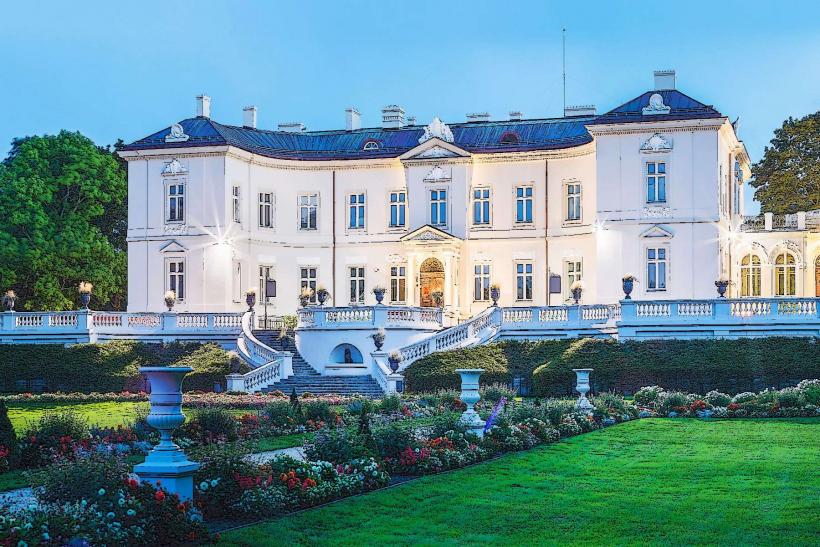
- Palanga Amber Museum: 1.5km East
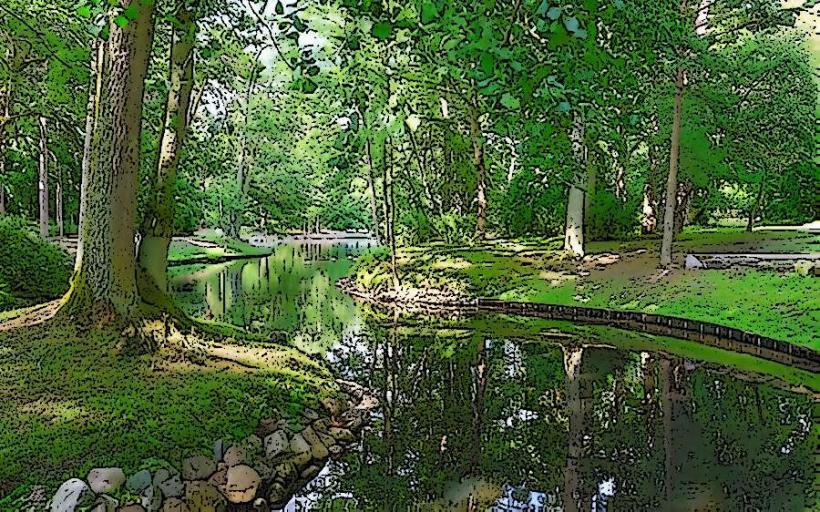
- Birutė Park: 1.5km East
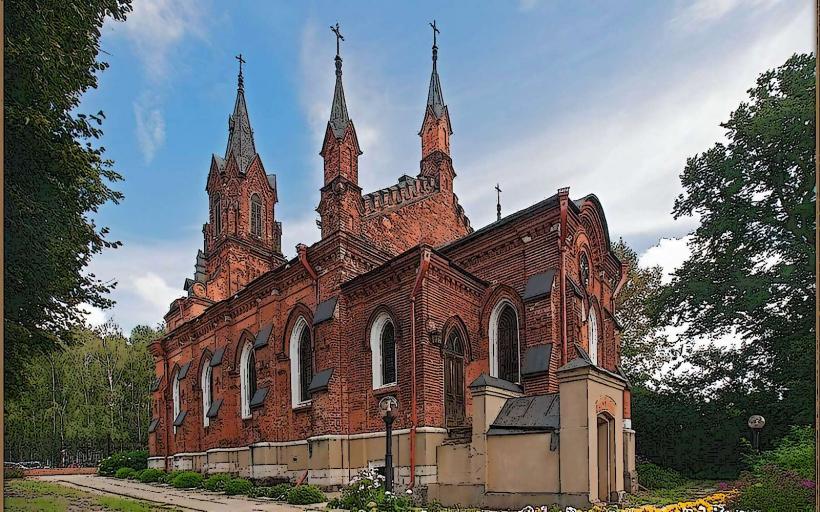
- Church of the Assumption of the Virgin Mary: 1km East