Information
City: PlankenCountry: Liechtenstein
Continent: Europe
Planken, Liechtenstein, Europe
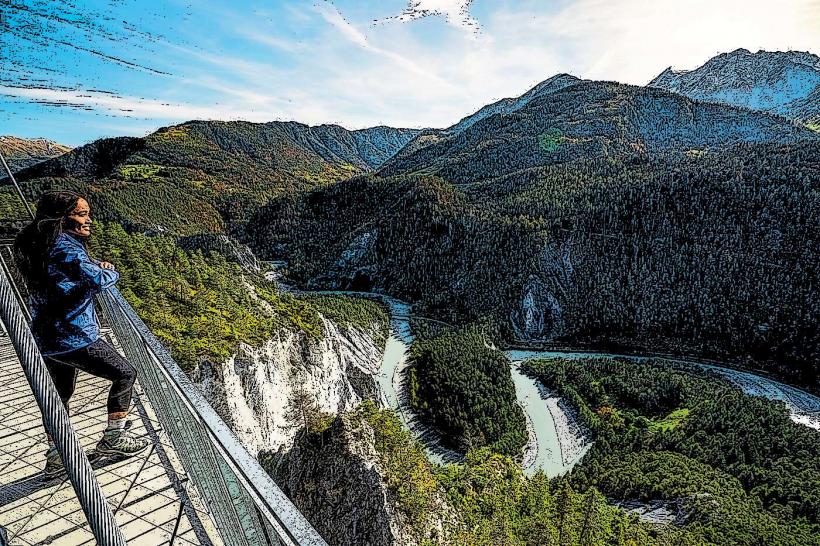
Planken serves as the smallest municipality in the Principality of Liechtenstein by population and is widely considered the country's most exclusive residential enclave. It is situated on a steep, south-facing sun terrace on the slopes of the Drei Schwestern (Three Sisters) mountain massif, approximately 450 meters above the Rhine Valley floor.
Historical Timeline
The area was first documented in 1241 as Plaunca, derived from the Latin planca (steep slope). Similar to Triesenberg, Planken was significantly shaped by Walser settlers in the late 13th century. Significant eras include its long history as an isolated mountain farming community and the catastrophic village fire of 1840. The primary event shaping its current urban form was the construction of the modern access road in the 1960s and 70s, which transformed the village from a secluded hamlet into a highly sought-after residential zone for affluent professionals and high-net-worth individuals.
Demographics & Population
The population is approximately 480. The demographic profile is predominantly Liechtensteiner (approx. 70%), with Swiss and Austrian minorities. The municipality has the highest per-capita income in the country and a high median age of 44.2 years.
Urban Layout & Key Districts
Planken is a compact, high-altitude settlement with a single-access road from Schaan.
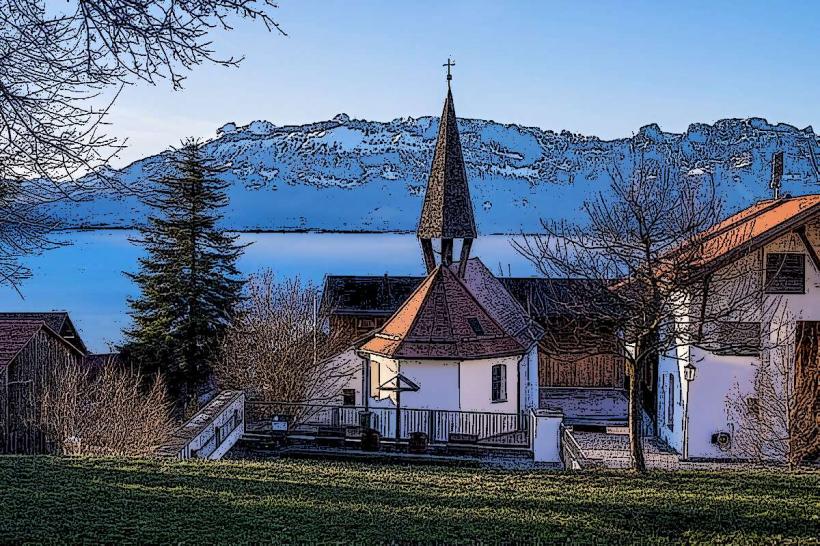
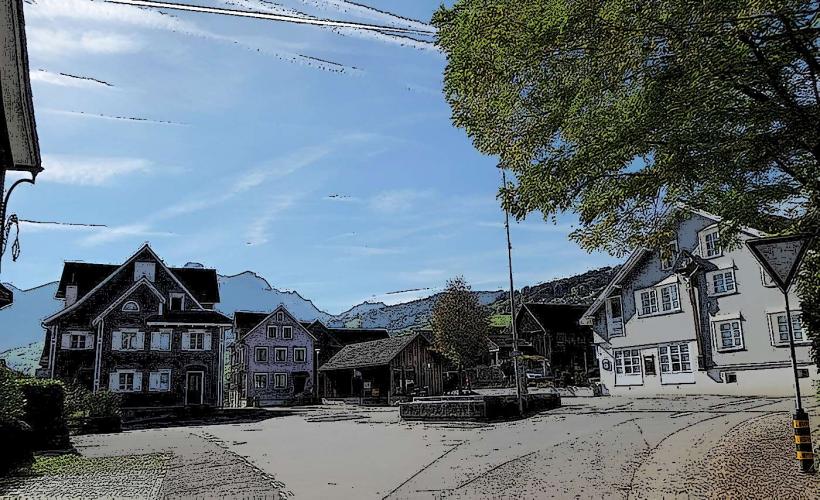
Village Core: A dense cluster of historic wooden houses and modern villas surrounding the chapel and community center.
The Slopes: Terraced residential plots extending upward toward the forest line, designed to maximize views of the Swiss Alps (Alvier group) and the Rhine Valley.
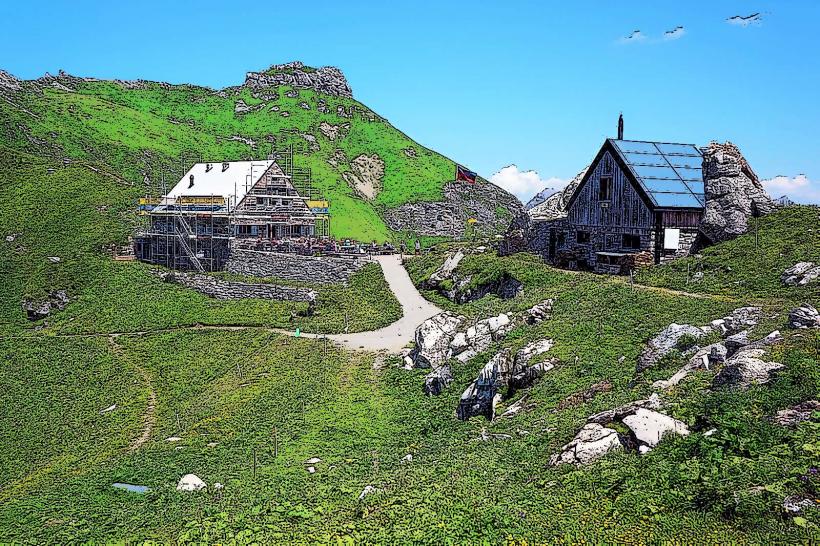
Gafadura: An alpine pasture and mountain hut (1,428m) located high above the residential zone, accessible only by hiking or forest tracks.
Top City Landmarks
St. Joseph's Chapel: A 17th-century chapel restored in the 1950s by architect Felix Schmid, known for its minimalist aesthetic and historic bells.
Gafadura Hut (Gafadurahütte): A popular mountain lodge owned by the Liechtenstein Alpine Club (LAV), serving as a base for high-altitude treks.
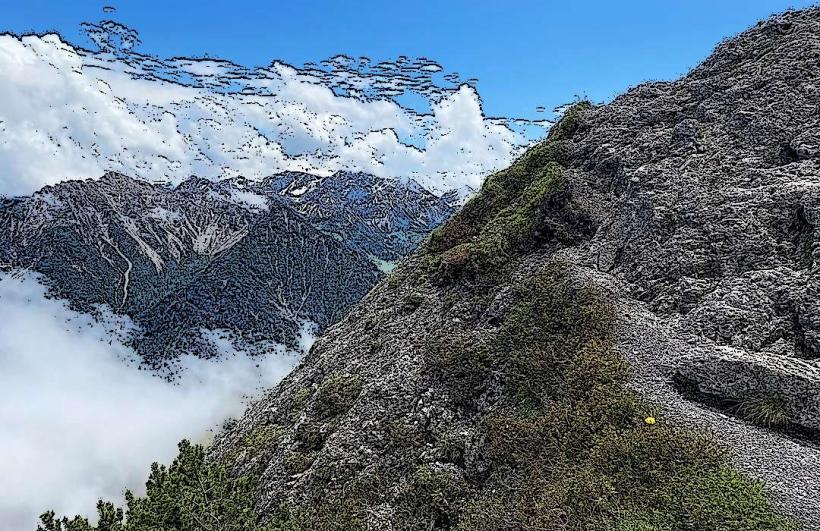
Three Sisters (Drei Schwestern): The iconic mountain peaks forming the border between Liechtenstein and Austria, accessible via challenging trails starting in Planken.
Historical Bee-House: A preserved structure highlighting the community's traditional agricultural roots.
Transportation Network
Public transit is provided by the LIEmobil bus network (Line 26), which functions as a shuttle between Schaan and Planken. There is no rail or through-traffic; the road ends in the village. Ride-sharing is non-existent. Traffic density is extremely low, consisting almost entirely of local residents. In winter, the steep access road requires high-quality snow tires and occasionally chains.
Safety & "Red Zones"
Planken is exceptionally safe; crime is virtually non-existent. The only "red zones" are environmental. The hiking trails toward the Three Sisters are considered alpine and can be dangerous for inexperienced hikers due to exposed ridges and the risk of rockfalls.
Digital & Financial Infrastructure
Despite its size, Planken has 100% fiber-optic coverage with speeds up to 180 Mbps. Mobile carriers include FL1, Swisscom, and Salt. Card acceptance is standard for local services. There are no ATMs in Planken; residents and visitors must use banking facilities in Schaan. The official currency is the Swiss Franc (CHF).
Climate & Air Quality
Temperatures range from -4°C to 2°C in winter (January) and 12°C to 22°C in summer (July). Because of its south-facing, elevated position, Planken often sits above the valley fog and receives significantly more solar radiation in the winter months than Schaan or Vaduz. Air quality is pristine.
Culture & Social Norms
The village maintains a quiet, private atmosphere. Punctuality and discretion are highly valued. Greeting fellow residents on the street is expected. Tipping of 5–10% is standard in the local mountain guesthouse. Public smoking is prohibited in the community hall and public buildings.
Accommodation Zones
Stay in the Village Core: Very limited options (primarily boutique rentals or guesthouses). Recommended for those seeking extreme peace and panoramic views.
Gafadura Hut: Recommended for hikers and alpinists seeking a rustic, mountain-top experience during the summer months.
Local Cost Index
1 Espresso: 5.20 CHF ($5.70)
1 Standard Lunch: 30.00 CHF ($33.00)
1 Bus Ticket (Planken to Schaan): 3.00 CHF ($3.30)
Nearby Day Trips
Schaan: 5 km (10-minute descent).
The Fürstensteig: High-altitude trail accessible via the mountain paths connecting to Gaflei.
Feldkirch, Austria: 12 km (accessible via Schaan).
Facts & Legends
A verified historical oddity is that Planken once had a thriving communal vineyard in the Middle Ages, despite its high altitude, due to the microclimate created by the Föhn winds. Local legend tells of the "Saroja Giant" who supposedly lived in the caves of the Three Sisters and would throw boulders down the mountain to prevent the construction of roads, explaining the large limestone blocks scattered throughout the lower forests of Planken.