Information
City: Puerto PlataCountry: Dominican Republic
Continent: North America
Puerto Plata, Dominican Republic, North America
Puerto Plata, officially San Felipe de Puerto Plata, is the largest city on the north coast of the Dominican Republic. It is known as the "Amber Coast" (Costa del Ámbar) due to its massive deposits of clear amber and is the birthplace of tourism in the country.
Historical Timeline
Founded in 1502 by Nicolás de Ovando on a site identified by Christopher Columbus, it served as the primary commercial port of the island during early colonization. In 1605, the city was destroyed by Spanish decree to stop illegal trade with Dutch and English pirates. It was repopulated in 1736 by families from the Canary Islands. The city was burned again in 1863 during the War of Restoration, leading to the construction of the current Victorian-style historic center starting in 1865.
Demographics & Population
The urban population is approximately 160,000. The demographic is primarily Dominican, with a growing international community of European and North American retirees. The city is the economic hub for the fertile Cibao Valley.
Urban Layout & Key Districts
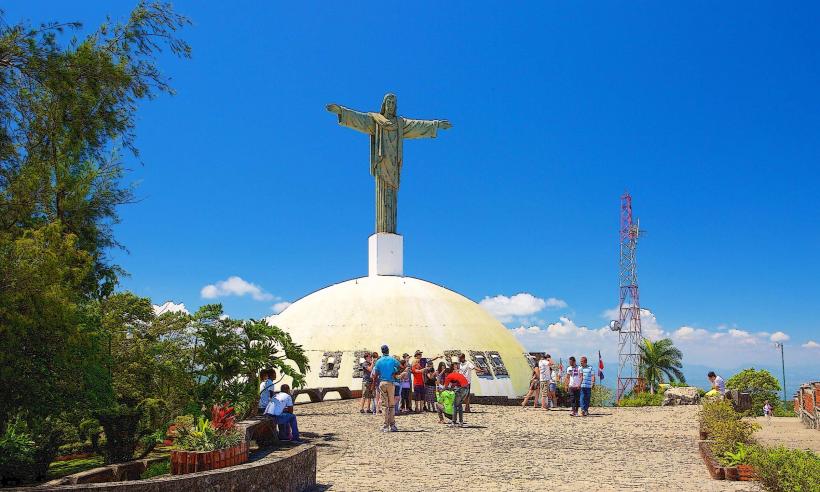
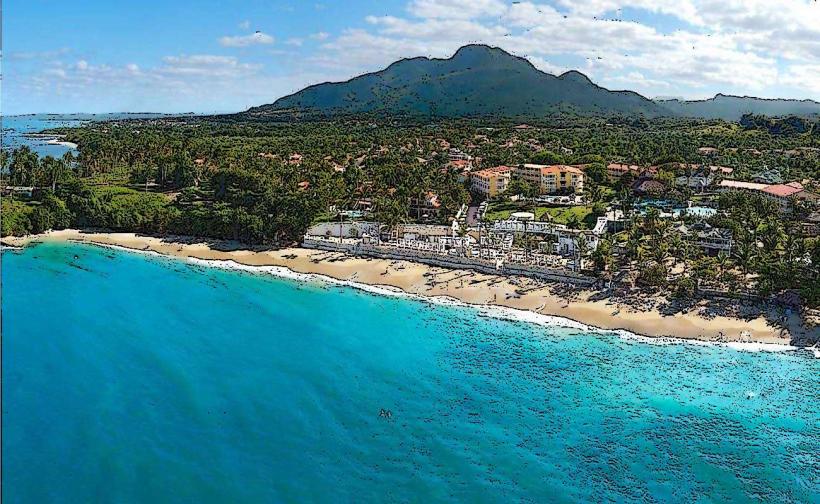
Puerto Plata sits at the base of Mount Isabel de Torres, rising abruptly from the Atlantic.
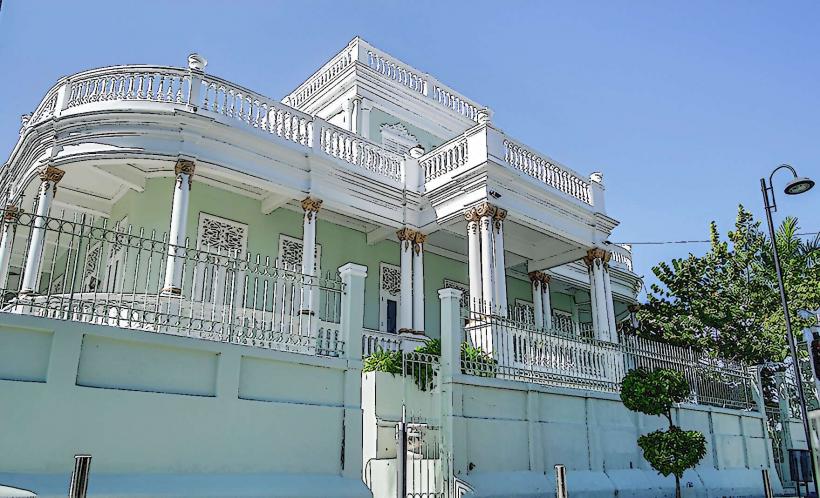
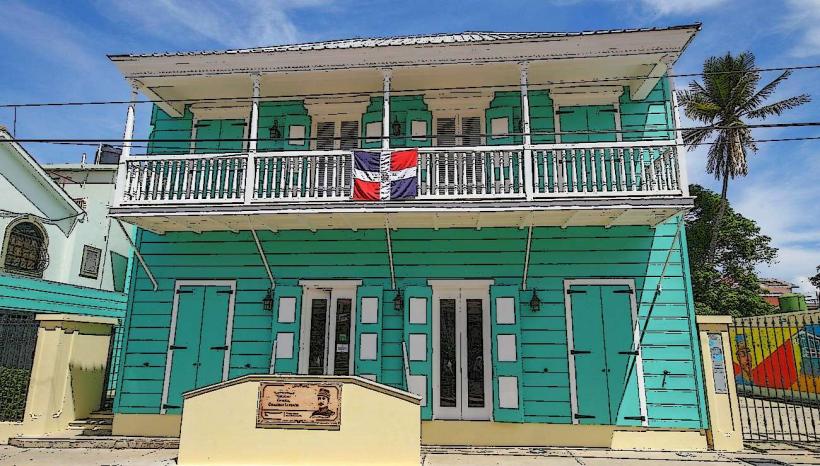
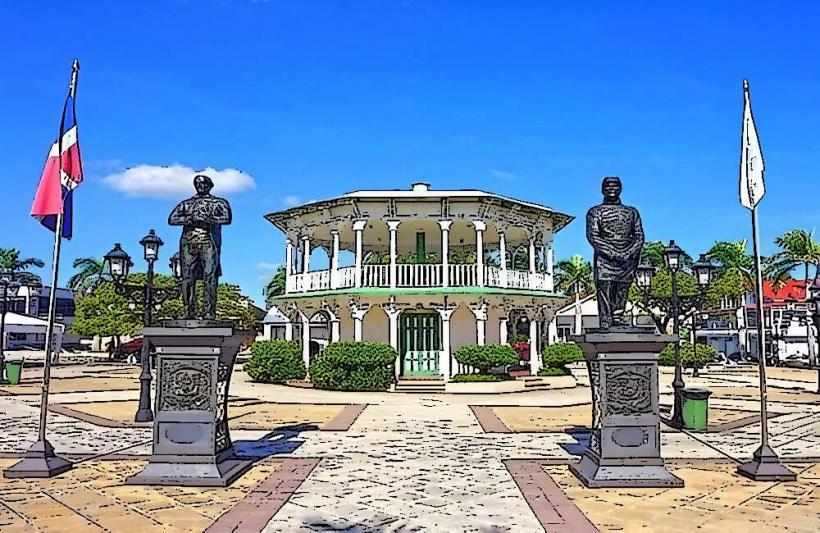
Historic Center: Famous for its "Gingerbread" Victorian architecture and the colorful Umbrella Street (Calle de las Sombrillas).
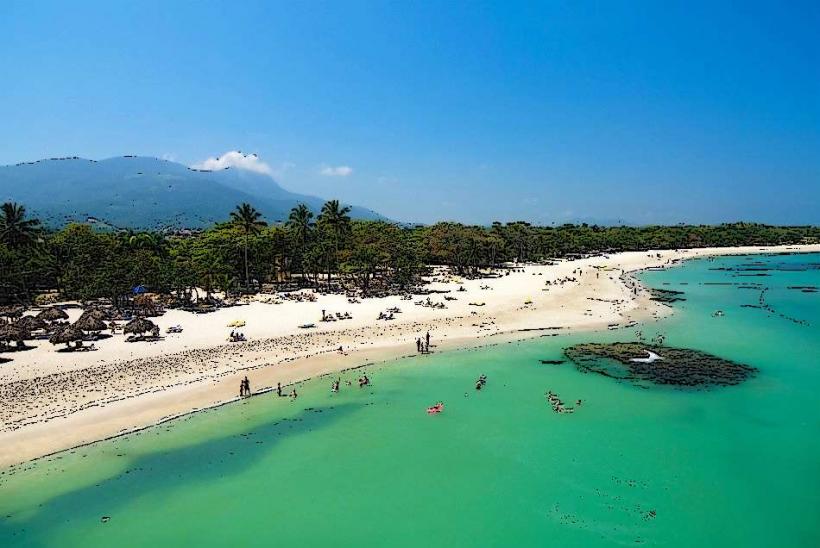
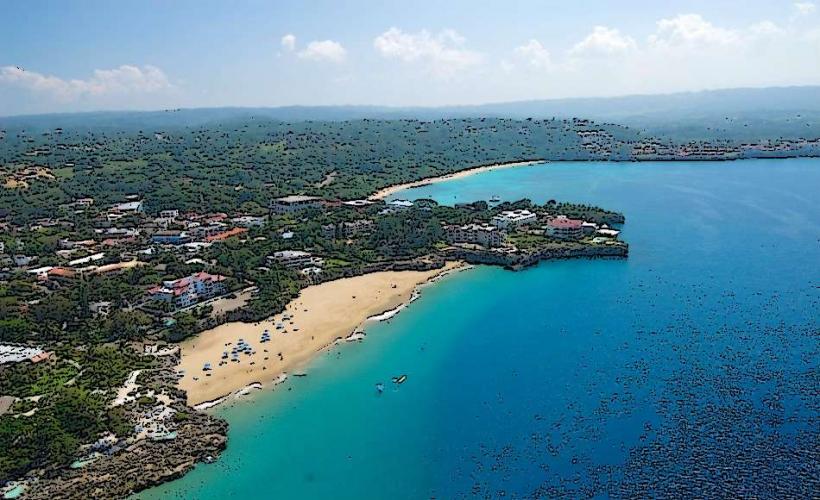
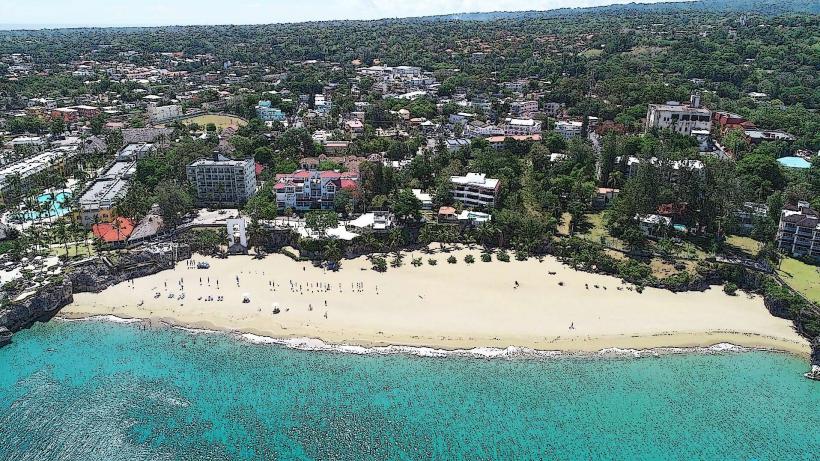
Playa Dorada: A massive, gated resort complex with its own golf course and shopping mall east of the city.
Costambar: A residential community with a high concentration of expatriates.
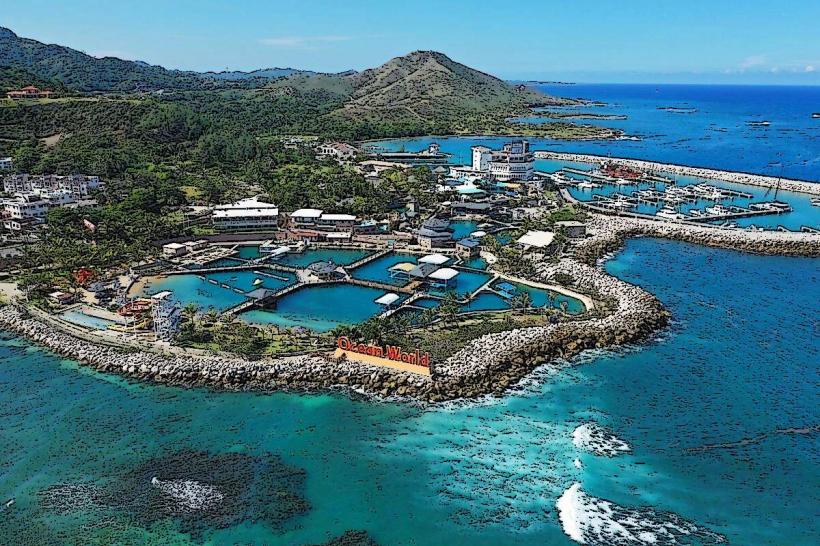
Cofresí: Located to the west, home to Ocean World and luxury villas.
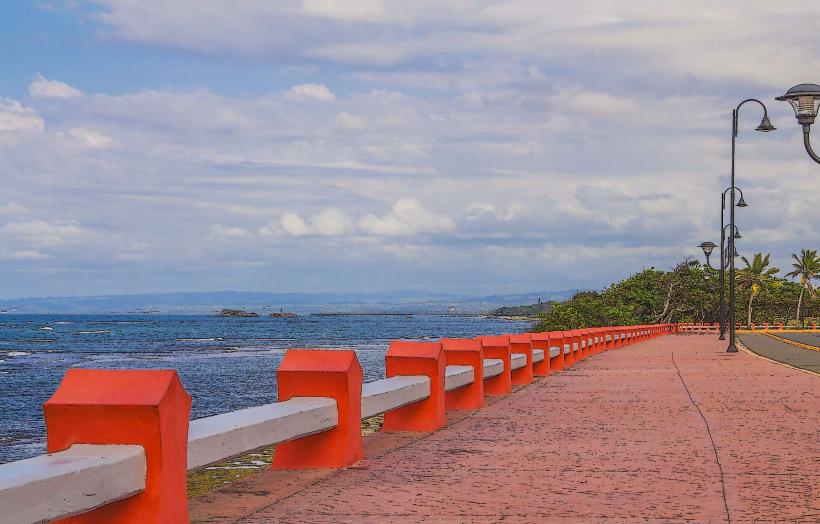
The Malecón: A 3-km oceanfront boulevard connecting the historic fort to the city's beaches.
Top City Landmarks
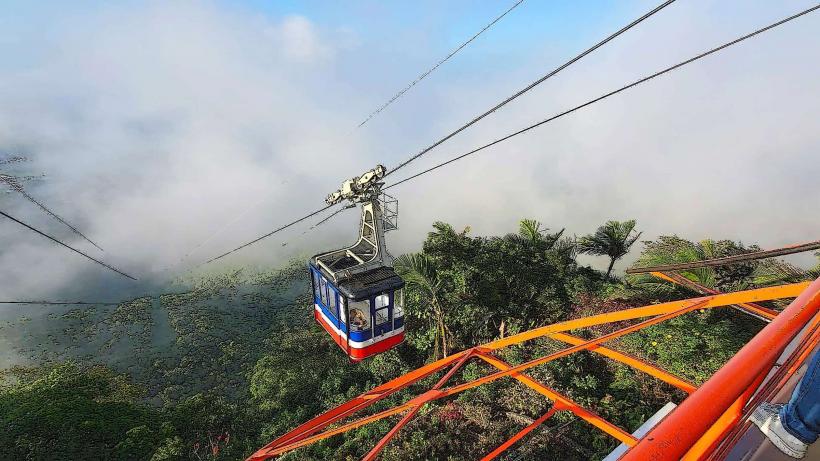
Teleférico (Cable Car): The only cable car in the Caribbean, ascending to the summit of Mount Isabel de Torres.
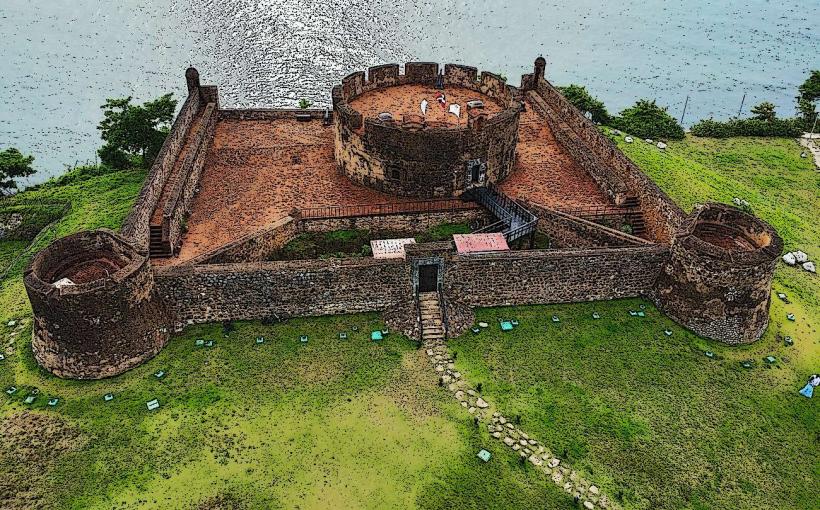
Fortaleza San Felipe: A 16th-century Spanish fortress built to protect the city from pirates.
Amber Museum: Housed in a Victorian mansion, it displays rare specimens of Dominican amber with prehistoric inclusions.
Independence Park (Central Park): The city's social heart, surrounded by San Felipe Cathedral and Victorian buildings.
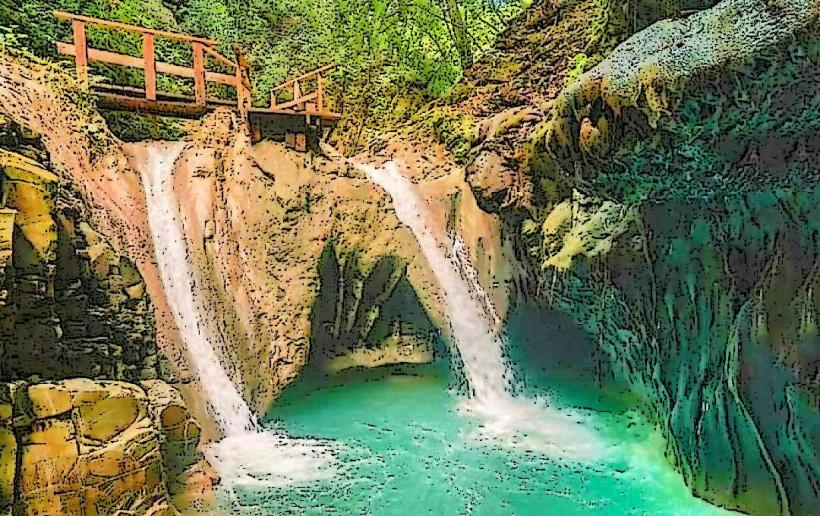
Damajagua Waterfalls: A series of 27 natural limestone pools and falls located 30 minutes from the city.
Transportation Network
Air: Gregorio Luperón International Airport (POP) is located 15 minutes east of the city.
Cruise Ports: Two major ports-Amber Cove and Taino Bay-bring in millions of visitors annually.
Public Transit: Guaguas (minibuses) and Carritos (shared taxis) are cheap but crowded. Uber is active and highly recommended for tourists.
Teleférico: Provides transit to the botanical gardens at the mountain summit.
Safety & "Red Zones"
Puerto Plata is generally safer than Santo Domingo, but "Level 2: Exercise Increased Caution" remains the standard advisory.
Risks: Pickpocketing in crowded markets and the Malecón. Motorcycle-based "drive-by" robberies can occur.
Avoid: Walking alone on public beaches after dark or in the barrios of San Marcos or Padre Las Casas at night.
Digital & Financial Infrastructure
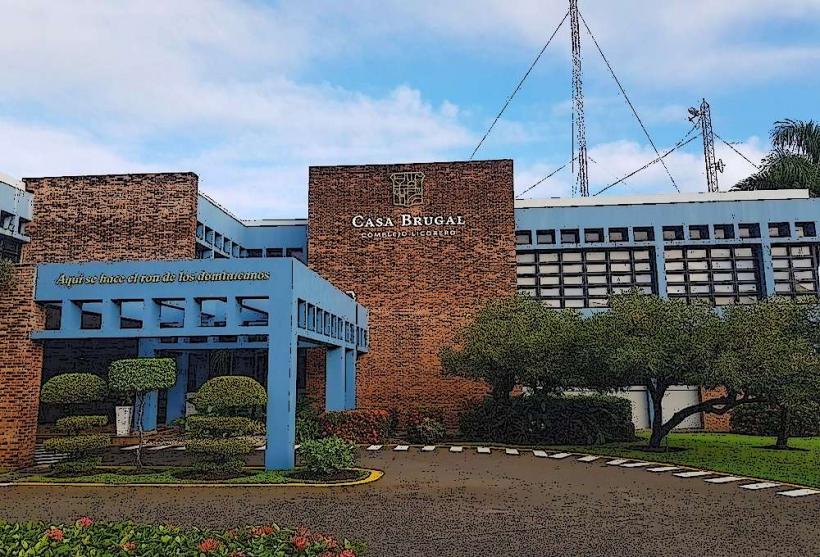
Fiber-optic internet is widely available in the city center and resorts. Mobile 5G coverage is strong. The city is a major center for the Brugal Rum company, which maintains large administrative and production facilities here. Card acceptance is high in urban areas. The currency is the Dominican Peso (DOP).
Climate & Air Quality
Tropical climate with a distinct "rainy season" from November to January.
Weather: Cooler and more humid than the south of the island. Atlantic breezes provide natural cooling.
Air Quality: Generally high, though dust from Saharan plumes (Calima) can occasionally reduce visibility.
Culture & Social Norms
The city has a more "old-world" feel than Punta Cana. Tipping of 10% is standard. Local social life revolves around the Malecón on Sunday evenings. The Merengue Festival in October is a major cultural highlight.
Accommodation Zones
Playa Dorada: Best for families and all-inclusive resort fans.
Historic Center: Best for boutique stays and cultural immersion.
Costambar/Cofresí: Best for apartment rentals and long-term stays.
Local Cost Index
1 Espresso: $RD 130 ($2.20)
1 Standard Lunch (Comedor): $RD 350 ($6.00)
1 Cable Car Ticket: $RD 500 ($8.50)
Nearby Day Trips
Sosúa: 25 mins; a beach town famous for snorkeling and its Jewish refugee history.
Cabarete: 40 mins; the "Kiteboarding Capital" of the world.
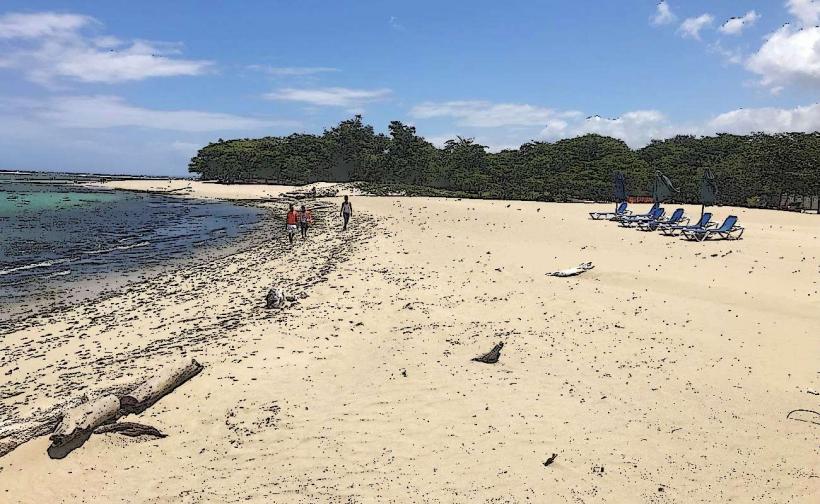
Cayo Arena: 2 hours; a tiny coral islet in the middle of the ocean with crystal-clear water.
Facts & Legends
A verified historical oddity is that the amber used in the original Jurassic Park movie was inspired by the specimens found in Puerto Plata's Amber Museum. Local legend says that the pirate Roberto Cofresí hid a massive treasure in the sea caves near the beach that now bears his name, though it has never been found.