Information
City: Punta GordaCountry: Belize
Continent: North America
Punta Gorda, Belize, North America
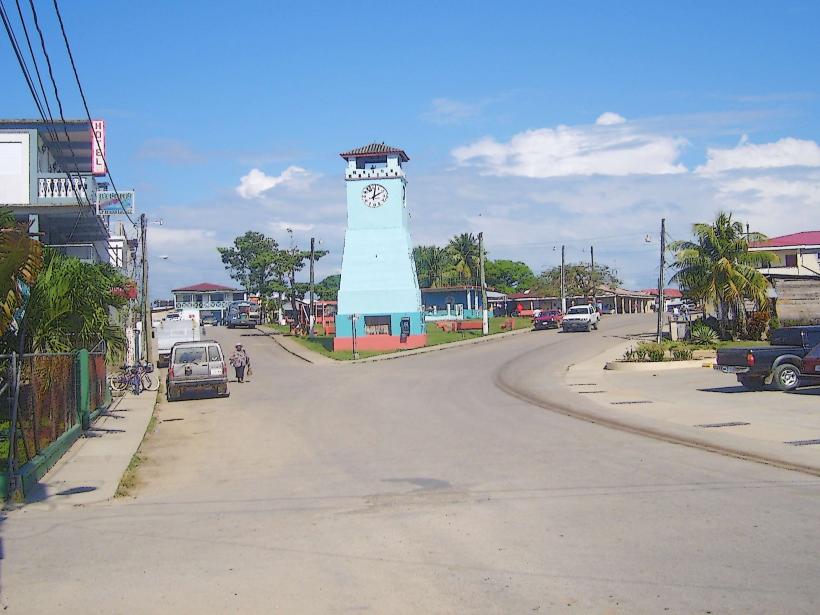
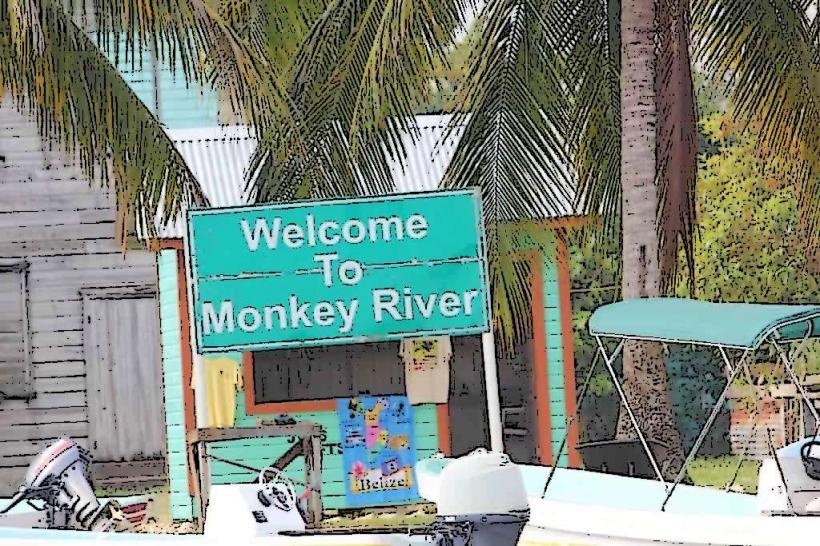
Punta Gorda, known locally as PG, is the southernmost town in Belize and the administrative capital of the Toledo District. It is a secluded coastal settlement characterized by a diverse ethnic makeup, lush tropical surroundings, and a slow-paced, "frontier" atmosphere.
Historical Timeline
1823: Settled by Garifuna emigrants from Honduras, who named the settlement Peini.
1860s: Influx of American Southerners (Confederates) following the U.S. Civil War, who established sugar plantations in the surrounding area.
1895: Formally declared a town by the British colonial administration.
Modern Era: Transitioned from a remote fishing village accessible only by sea to a hub for eco-tourism and cultural immersion.
Geography & Climate
Topography: Situated on a coastal plain roughly 15 feet above sea level, backed by the mountainous Maya Mountains. Unlike northern Belize, there are no natural sandy beaches in the town itself; the shoreline consists of a rocky seawall.
Rainfall: The wettest region in Belize, receiving nearly 4,445 mm (175 inches) of rain annually. This results in the country's most dense and verdant rainforests.
Climate: Oppressively humid year-round. The "cool" season (November–February) sees daily highs around 27°C (81°F), while the hot season (April–June) averages 32°C (89°F).
Top Landmarks & Attractions
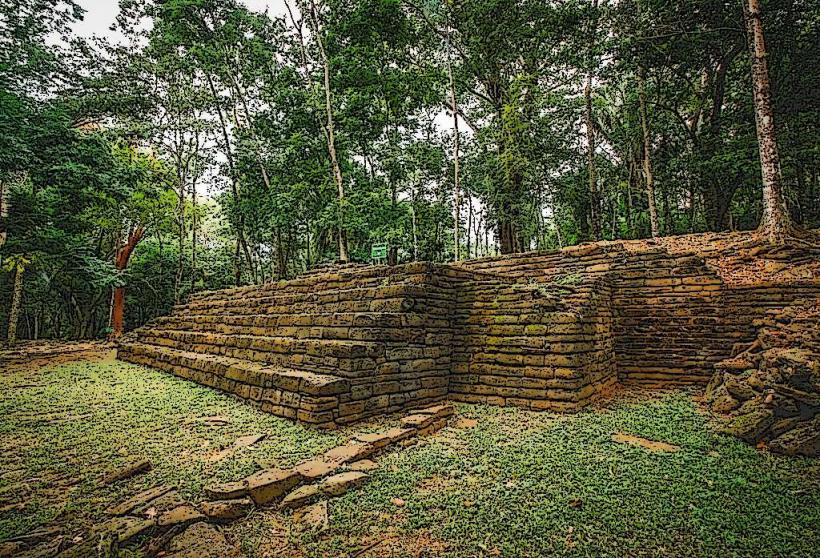
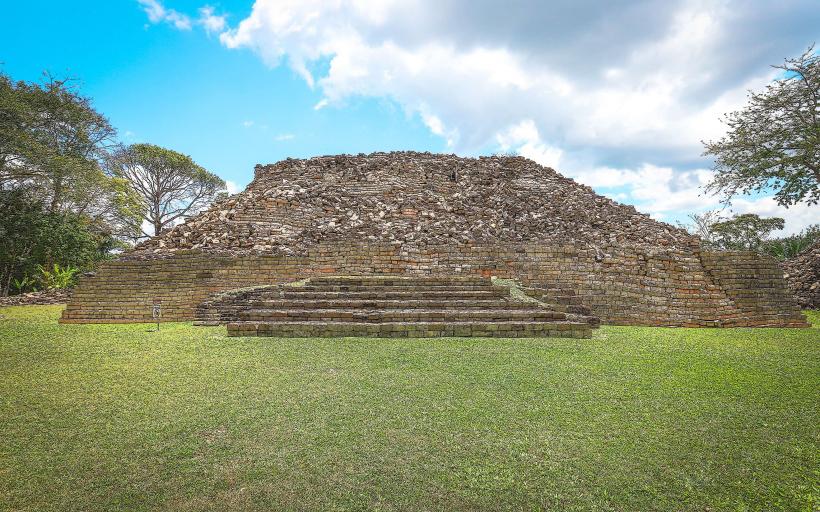
Lubaantun: The largest Maya site in southern Belize, famous for its unique dry-walled masonry (no mortar). It is the alleged find-spot of the controversial Mitchell-Hedges Crystal Skull.
Nim Li Punit: Known for its large collection of stelae (carved stone monuments), including one of the tallest in the Maya world at 17 meters.
Warasa Garifuna Drum School: A cultural center offering lessons in traditional Garifuna drumming and dance.
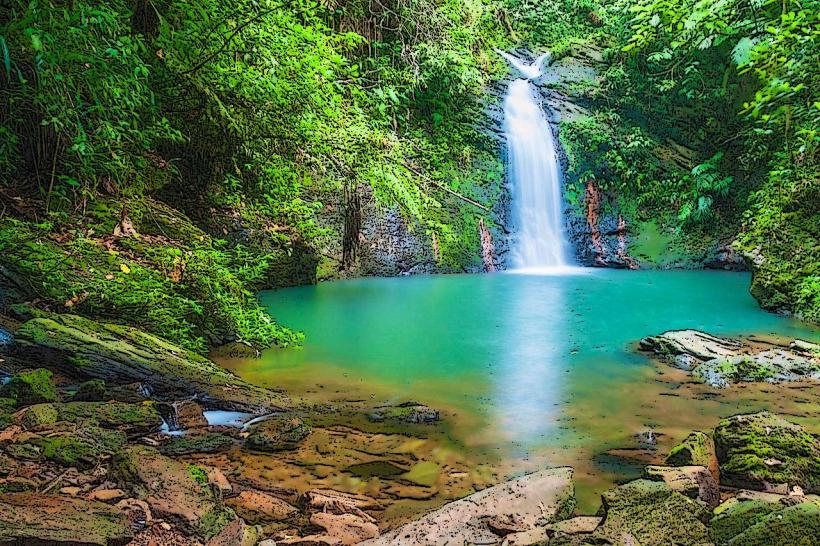
Blue Creek Cave (Hokeb Ha): A limestone cave system featuring a subterranean river where visitors can swim through emerald pools.
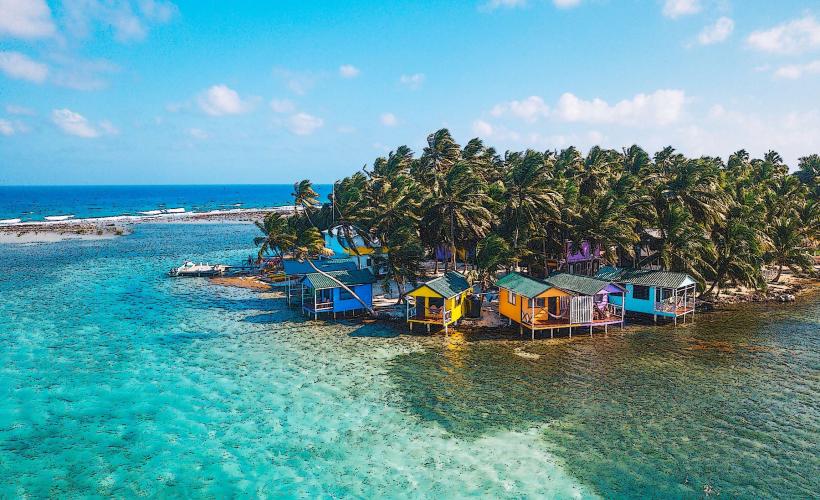
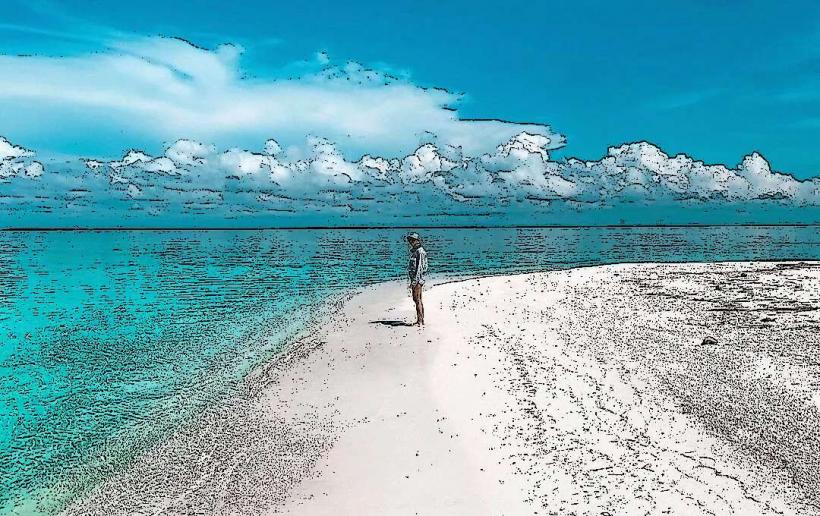
Port Honduras Marine Reserve: Located just north of town; a premier destination for fly-fishing (the "Permit Capital of the World") and snorkeling at the Snake Cayes.
Punta Gorda Market: Held on Mondays, Wednesdays, Fridays, and Saturdays; a central hub for Maya farmers selling organic cacao, spices, and hand-woven baskets.
Transportation & Logistics
Road: Located at the southern terminus of the Southern Highway. It is a 4–5 hour drive from Belize City (~270 km).
Air: Served by Punta Gorda Airport (PND) with multiple daily flights to Belize City and Placencia via Tropic Air and Maya Island Air (approx. 1 hour).
Sea: A primary gateway to Guatemala. Daily small-boat water taxis (lanchas) depart for Puerto Barrios and Livingston, Guatemala.
Public Transport: James Bus Line provides the most frequent service to Belmopan and points north.
Safety & Health (January 2026)
Security: Historically very safe for travelers. Violent crime is rare compared to Belize City. The main risks are opportunistic petty theft and road hazards during heavy rain.
Health: The Punta Gorda Community Hospital is the district's main facility. For specialized care, residents often travel to Belize City or Chetumal, Mexico.
Water: Tap water is not considered safe for consumption. Bottled water is mandatory.
Digital & Financial Infrastructure
4G/5G coverage is reliable within the town but non-existent in the remote Maya villages of the interior. ATMs are available in the town center (Belize Bank and Atlantic Bank). The exchange rate is fixed at $2.00 BZD = $1.00 USD.
Local Cost Index
1 Espresso: ~$6.00 BZD ($3.00 USD)
1 Traditional Rice & Beans Lunch: ~$10.00 – $15.00 BZD ($5.00 – $7.50 USD)
1 Entry to Maya Ruins: ~$10.00 BZD ($5.00 USD)
1 Boat Charter to Snake Cayes: ~$250.00 – $400.00 BZD ($125.00 – $200.00 USD)
Facts & Legends
A verified fact is that Punta Gorda is the center of Belize's Cacao (chocolate) industry, hosting the annual Cacao Festival every May. Local legend speaks of the "sleeping giant" in the Maya Mountains that guards the Toledo District's southern border. Additionally, the Garifuna culture maintains strong beliefs in Dugu (ancestor worship ceremonies), which are still practiced in the villages surrounding the town.