Information
City: PuntarenasCountry: Costa Rica
Continent: North America
Puntarenas, Costa Rica, North America
Puntarenas serves as the primary maritime gateway for the Central Pacific and the principal logistics hub for the Gulf of Nicoya. It is situated on a narrow sand spit extending approximately 8 kilometers into the ocean, located 110 kilometers west of San José.
Historical Timeline
The port of Puntarenas was officially established in 1840 to facilitate the "Grain of Gold" (coffee) exports from the Central Highlands to European markets. It served as Costa Rica's primary international gateway until the late 20th-century development of the deep-water Puerto Caldera nearby. The primary event shaping its current urban form was the 1930s construction of the Paseo de los Turistas, which transitioned the city's economic focus from pure industrial shipping toward domestic and cruise tourism.
Demographics & Population
The urban area of Puntarenas has a population of approximately 87,500. The demographic is predominantly Mestizo (76%), with significant Afro-Costa Rican and Chinese-descended minorities, reflecting its history as a diverse port of entry. The median age is 34.1 years.
Urban Layout & Key Districts
The city is built on an extremely narrow peninsula, often only a few blocks wide. El Carmen (West Tip) houses the ferry terminals and the historic lighthouse. Downtown/El Centro (Central) is the commercial core and site of the municipal cathedral. Paseo de los Turistas (South Shore) is the primary tourist avenue and beach promenade. Chacarita and El Roble (East) are high-density residential and industrial suburbs located at the base of the peninsula.
Top City Landmarks
Paseo de los Turistas (Main promenade)
Puntarenas Cathedral (Sagrado Corazón de Jesús)
Parque Marino del Pacífico (Marine park and aquarium)
El Faro (Historic Lighthouse)
The Dock Worker Monument (El Muellero)
Transportation Network
Puntarenas is the primary node for Naviera Tambor and Coonatramar ferries, which connect the mainland to Paquera and Playa Naranjo on the Nicoya Peninsula. Internal movement is facilitated by local buses and red taxis. Uber is available but has lower density than in San José. There is no metro. Traffic is concentrated at the "Angostura" (the narrowest point of the peninsula), where the primary highway enters the city.
Safety & "Red Zones"
Puntarenas is a high-caution zone. Physical "Red Zones" include El Cocal and parts of Chacarita at night, where narcotics-related crime is frequent. Petty theft on the Paseo de los Turistas and the ferry terminals is common. Avoid walking alone on the beach or poorly lit side streets after sunset. Common scams involve unauthorized individuals offering "discounted" ferry tickets or "guarding" vehicles in public parking spots.
Digital & Financial Infrastructure
Internet speeds average 100–250 Mbps in the city center. Main carriers are Kölbi and Liberty. Card acceptance is high along the Paseo de los Turistas and in supermarkets; however, the ferry terminals and small seafood stalls frequently require cash (Colones). ATMs are located primarily along the central avenue and in the El Roble area.
Climate & Air Quality
Temperatures range from 22°C to 34°C. The city is characterized by high humidity and intense solar radiation. Air quality is fair, though the scent of the mangroves and fish processing plants can be prominent in certain sectors. Significant weather risks include tidal surges and localized flooding during the rainy season (May–November).
Culture & Social Norms
The standard tipping rate is 10% (usually included). The city is famous for the "Churchill" (a specialized shaved ice treat) and the "Vigorón" (pork rinds, yuca, and cabbage). Greetings are informal and often include the "Pura Vida" phrase. Dress is strictly tropical-casual (shorts and flip-flops). Smoking is prohibited in public parks and on the promenade.
Accommodation Zones
Paseo de los Turistas: Stay here for immediate beach access and proximity to restaurants.
El Roble/Doña Ana: Stay here for larger resort-style hotels away from the crowded city center.
Local Cost Index
1 Espresso: 1,400 CRC ($2.75 USD)
1 Standard Lunch (Vigorón): 3,500 CRC ($6.90 USD)
1 Ferry Ticket (Passenger): 810 CRC ($1.60 USD)
Nearby Day Trips
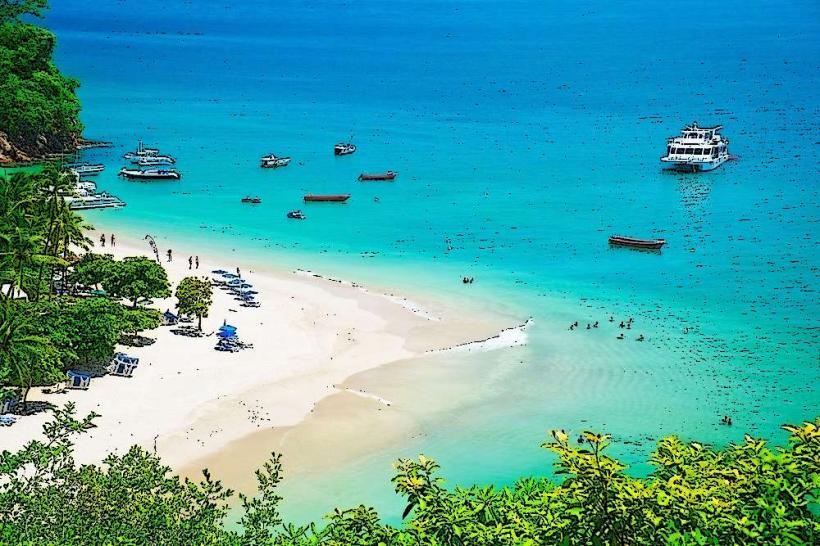
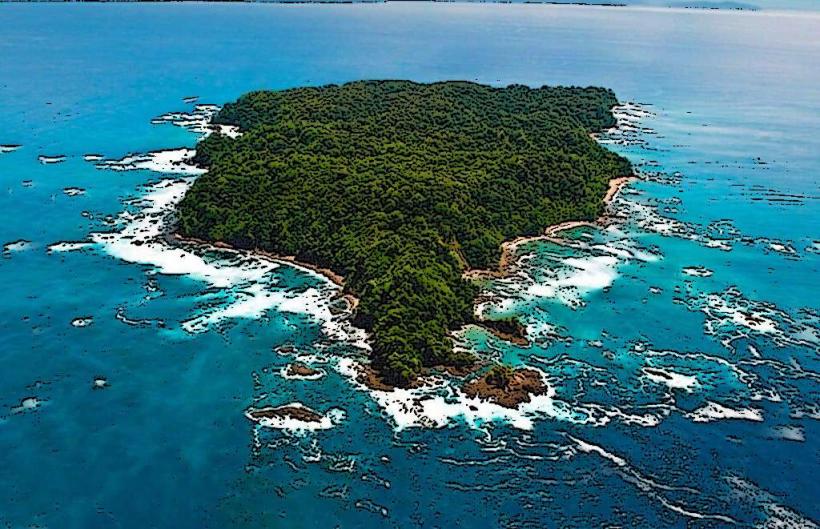
Isla Tortuga: 1.5 hours via boat, a pristine island known for snorkeling and white sand.
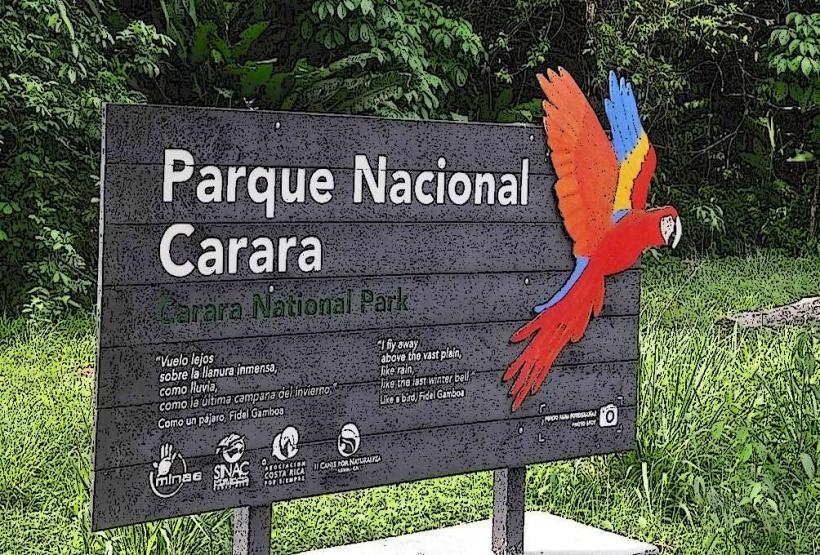
Carara National Park: 50 km (1 hour), a transition forest famous for Scarlet Macaws.
San Lucas Island: 20 minutes via boat, a former high-security prison turned historical park.
Facts & Legends
Puntarenas is nicknamed "La Perla del Pacífico" (The Pearl of the Pacific). A prominent local legend concerns the "Virgen del Mar"; in 1913, a fishing boat disappeared during a storm, and the townspeople prayed to the Virgin of Mt. Carmel. The boat was miraculously found, leading to the annual "Fiestas de la Virgen del Mar" featuring a decorated boat parade in the gulf. Historically, the city’s sand spit is a natural geomorphological feature that has been reinforced over a century to prevent erosion from the surrounding tides.