Information
City: RatnapuraCountry: Sri Lanka
Continent: Asia
Ratnapura, Sri Lanka, Asia
Ratnapura is the capital of the Sabaragamuwa Province and is globally recognized as the "City of Gems." Situated in the southwestern foothills of the central highlands, it serves as the primary processing and trading hub for precious stones, including sapphires, rubies, and alexandrites.
Historical Timeline
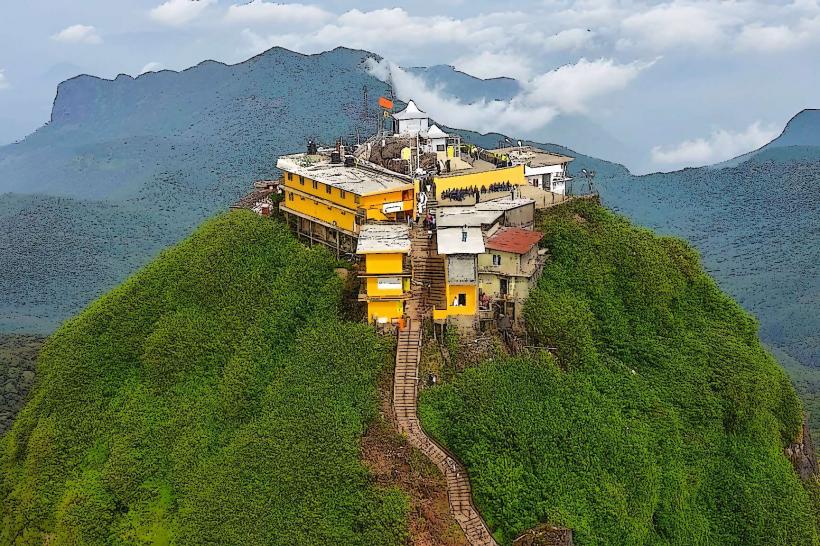
The city's name is derived from the Sanskrit Ratna (gem) and Pura (city). Ratnapura has been a center for gem trading for over 2,000 years, with historical accounts from Ptolemy and Marco Polo referencing its riches. It was part of the Kandyan Kingdom and later came under British rule. The city has historically functioned as the gateway to the sacred peak of Sri Pada (Adam's Peak) for pilgrims traveling from the south.
Demographics & Population
The city population is approximately 52,000. The demographic is primarily Sinhalese Buddhist, with significant Tamil and Moor minorities, many of whom are deeply involved in the gem trade. The economy is dominated by gem mining, tea and rubber plantations, and retail commerce.
Urban Layout & Key Districts
City Center: A high-traffic commercial zone containing the "Gem Street" (Savhiya Street) where open-air trading occurs.
Muwagama: A residential and industrial area known for its proximity to mining sites.
Pelmadulla: A nearby junction town that serves as a major agricultural and mining satellite.
Kalu Ganga Banks: The city is built along the Kalu River, which periodically floods the lower-lying districts.
Top Landmarks
Maha Saman Devalaya: A major shrine dedicated to the deity Saman, the protector of the region and Sri Pada.
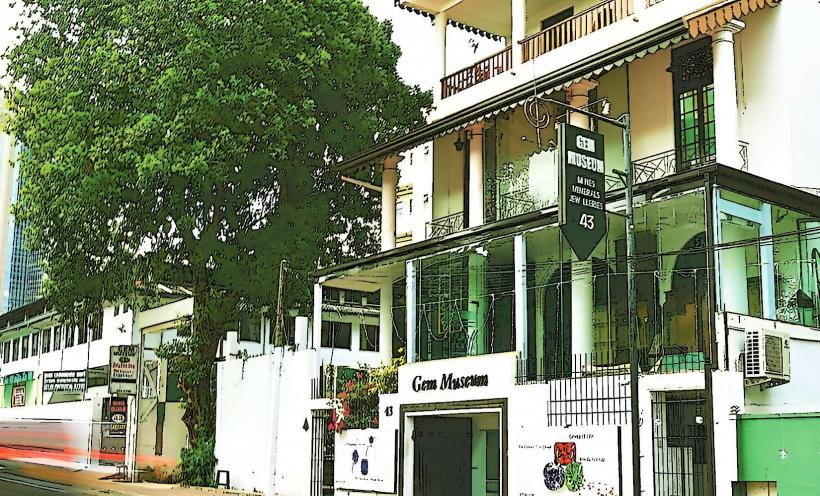
The Gemological Museum: Private and state-run museums showcasing rare minerals and the history of mining in the district.
National Museum of Ratnapura: Housed in a colonial-era building (Ehelapola Walauwa), featuring archaeological artifacts and prehistoric fossils found in gem pits.
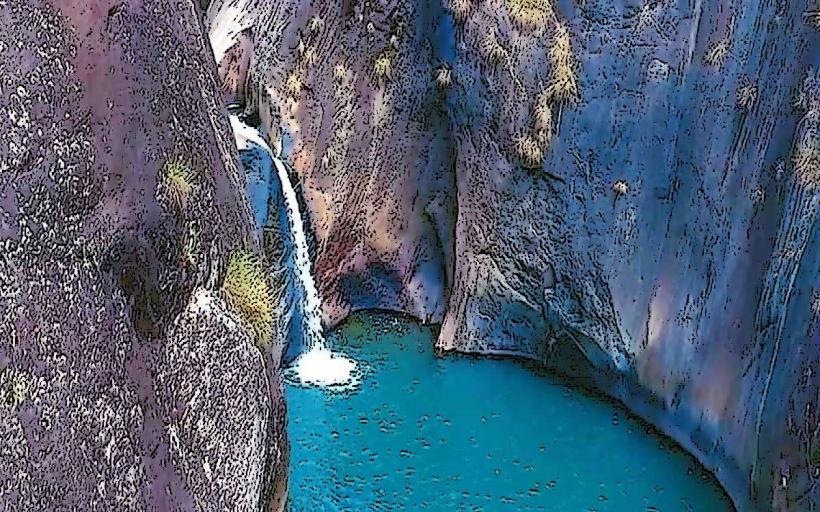
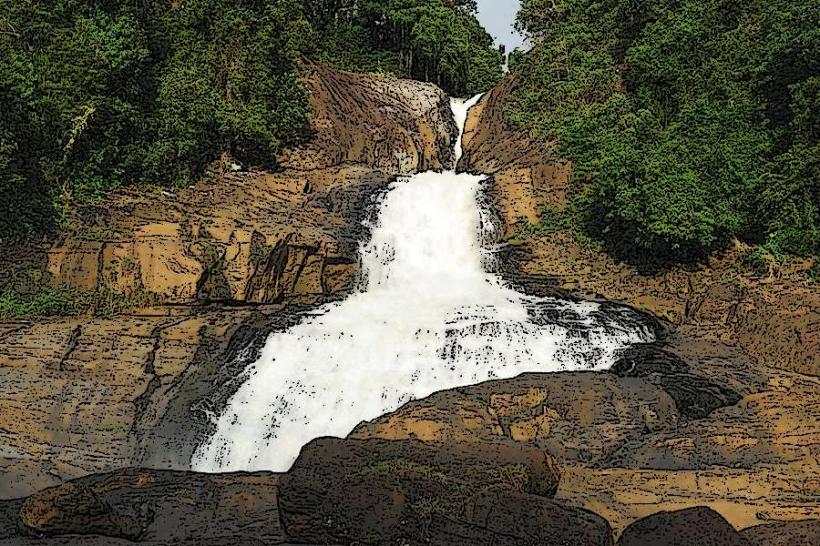
Bopath Ella: A waterfall located 15 km from the city, shaped like a Bo leaf.
Gem Mines: Traditional "illam" pits located in the surrounding paddy fields, where miners still use manual pulley systems and wicker baskets.
Transportation Network
Road: Accessible via the A4 highway (High Level Road) from Colombo (approx. 3 hours). It is a major node connecting the western plains to the hill country and the south.
Public Transit: The Ratnapura Bus Stand is a central hub for long-distance services to Badulla, Colombo, and Embilipitiya.
Rail: There is no active rail service; the former "Kelani Valley" narrow-gauge line to Ratnapura was decommissioned decades ago.
Local Transit: Tuk-tuks are the standard. Walking in the city center is common but congested.
Safety & "Red Zones"
Flooding: Ratnapura is extremely prone to flash floods during the monsoon seasons (May–September and November–January). Check weather advisories before traveling.
Mining Pits: Abandoned and active gem pits in the surrounding fields can be deep and poorly marked; avoid walking off-trail in rural areas.
Gem Scams: Only purchase gemstones from reputable, state-licensed dealers. Avoid "street deals" offered by unlicensed touts.
Digital & Financial Infrastructure
4G/LTE coverage is robust within the city but drops significantly in the surrounding valleys and mountains. The currency is the Sri Lankan Rupee (LKR). ATMs are abundant (Bank of Ceylon, Commercial Bank, Sampath Bank). Credit cards are accepted in large jewelry showrooms but cash is mandatory for nearly all other local transactions.
Climate & Air Quality
Tropical rainforest climate. It is one of the wettest cities in Sri Lanka. Air quality is generally high, though humidity is consistently near 80–90%.
Culture & Social Norms
The city's culture is intrinsically linked to the gem industry and religious pilgrimage.
Gem Trading: The morning "street market" is a fast-paced environment; observe from a distance unless you are an experienced trader.
Pilgrimage: During the Sri Pada season (December to May), the city becomes a major transit point for white-clad pilgrims.
Etiquette: Standard temple modesty (shoulders/knees covered) is required at the Saman Devalaya.
Local Cost Index (LKR)
1 Espresso: 500–800 LKR (Limited availability)
1 Standard Lunch (Rice & Curry): 400–900 LKR
1 Tuk-Tuk Ride (within city): 250–400 LKR
Nearby Day Trips
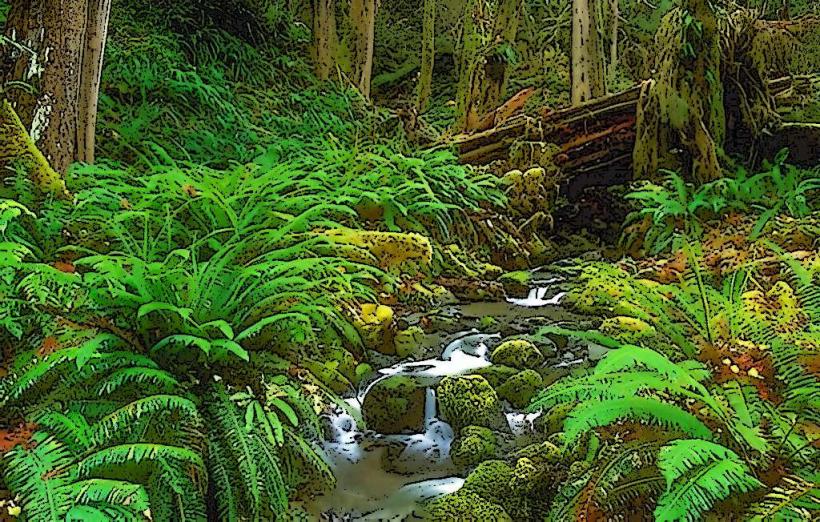
Sinharaja Forest Reserve: 1.5–2 hours south; the last viable remnant of Sri Lanka's tropical lowland rainforest (UNESCO site).
Sri Pada (Adam's Peak): Access via the Kuruwita-Erathna trail for a strenuous but scenic ascent.
Udawalawe National Park: 1.5 hours southeast; a premier location for viewing wild elephants.
Facts & Legends
Legend says the "Blue Belle" sapphire (centerpiece of the British Crown Jewels) and the "Star of India" were both sourced from the Ratnapura district. A geographic fact: Fossilized remains of extinct hippopotamuses, rhinoceroses, and lions have been discovered in the gem-bearing gravels (illam) of the Ratnapura valley. Historically, the city has been the primary source of wealth for successive Sri Lankan kingdoms for over two millennia.