Information
City: RiminiCountry: Italy
Continent: Europe
Rimini, Italy, Europe
Rimini serves as the primary coastal resort of the Emilia-Romagna region and one of the most significant seaside destinations in Europe. It functions as a dual-identity city: a massive 15-kilometer "sun and sand" tourism hub and a sophisticated historic center containing some of the most important Roman and Renaissance monuments in Northern Italy.
Historical Timeline
Founded as Ariminum in 268 BC, it served as a vital crossroads between the Via Flaminia and the Via Emilia. The primary event shaping its Renaissance identity was the rule of the Malatesta family in the 15th century. Following heavy bombardment in WWII, the city underwent a massive 1950s transition into the "capital of European mass tourism," famously immortalized in the films of local director Federico Fellini.
Demographics & Population
The population is approximately 150,000 (2026 estimate), but the city-region supports millions of visitors annually. The demographic is predominantly Italian, with a high density of hospitality professionals and a growing international community involved in the regional food and mechanical engineering sectors.
Urban Layout & Key Districts
The city is bisected by the railway line, creating two distinct zones.
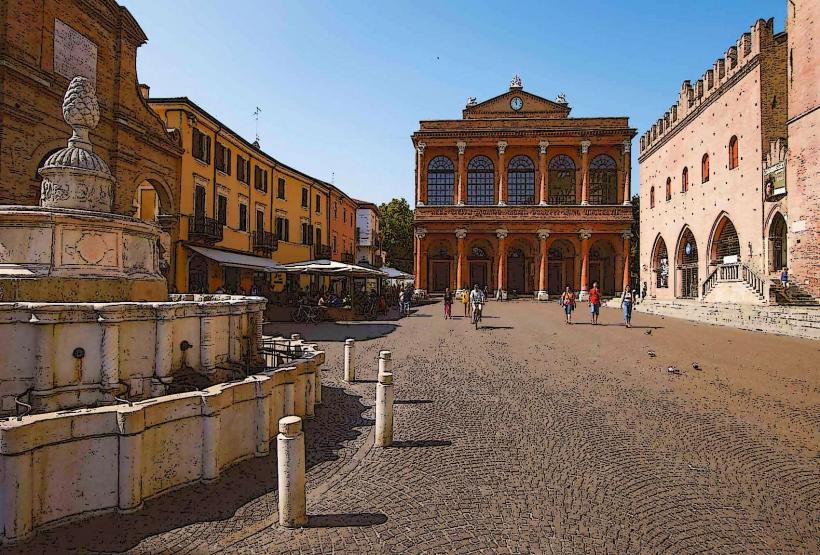
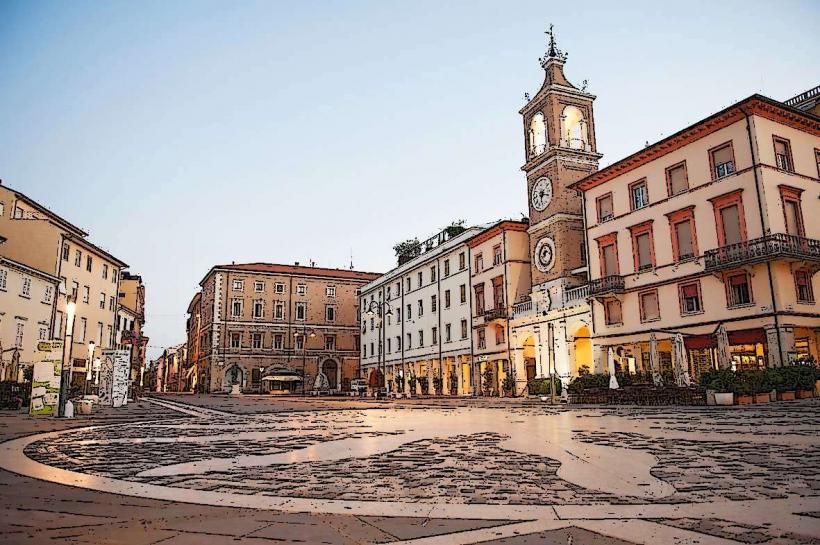
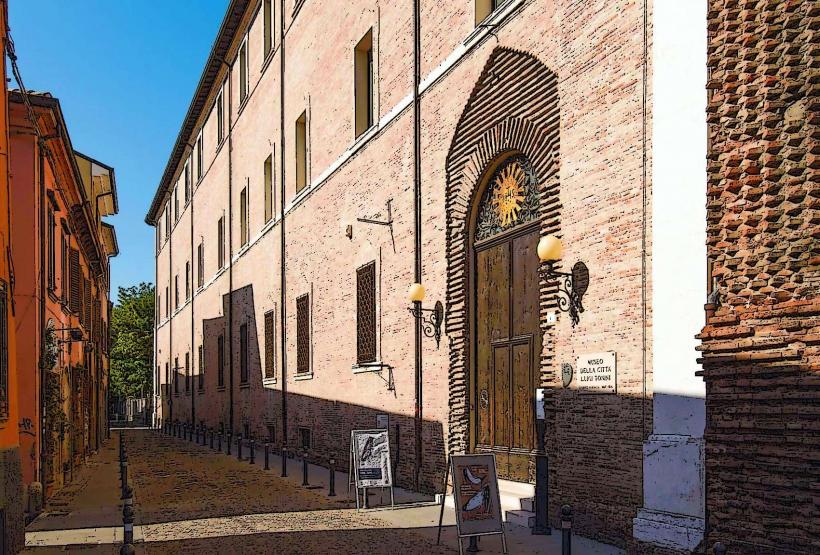
Centro Storico (Historic Center): Located inland, featuring Roman ruins, medieval squares, and the Federico Fellini Museum.
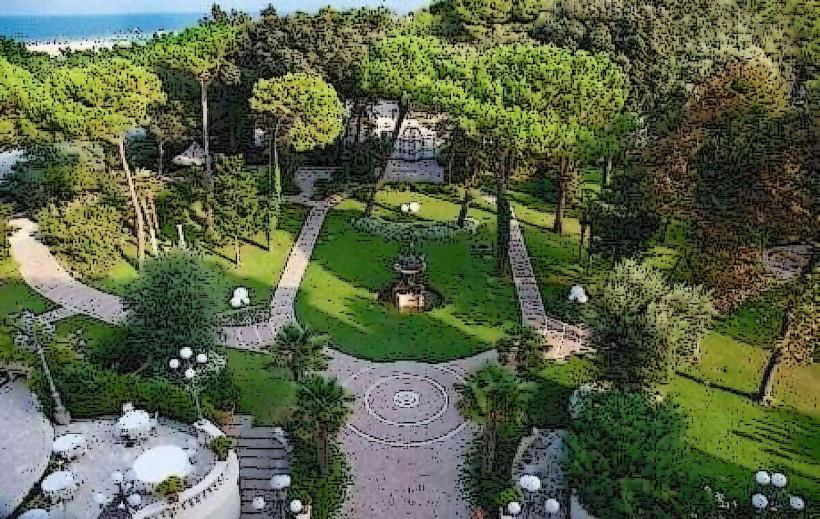
Marina Centro: The primary beachfront district, characterized by Grand Hotels, upscale boutiques, and 19th-century villas.
Borgo San Giuliano: An ancient fishermen’s quarter across the Tiberius Bridge, known for murals dedicated to Fellini and narrow cobblestone streets.
Rivazzurra and Miramare: Southern coastal stretches focused on family-oriented hotels and nightlife.
Top City Landmarks
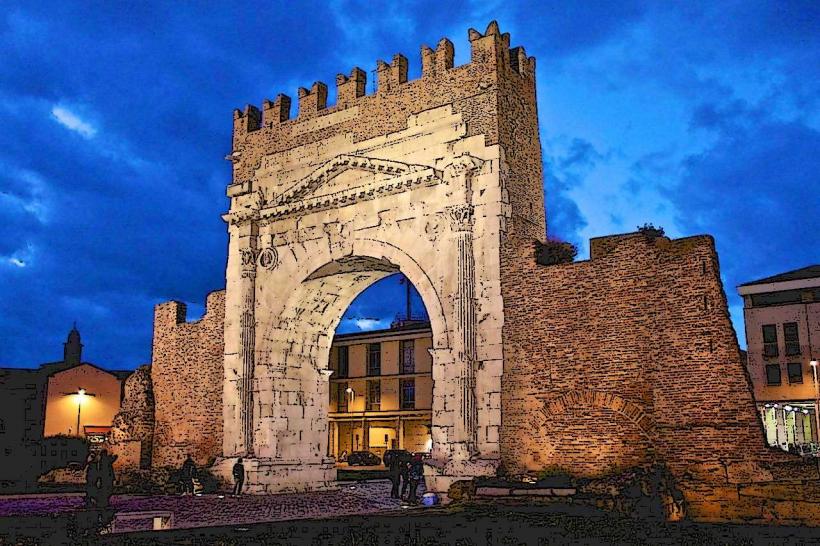
Arch of Augustus: Built in 27 BC, it is the oldest surviving Roman triumphal arch in Northern Italy.
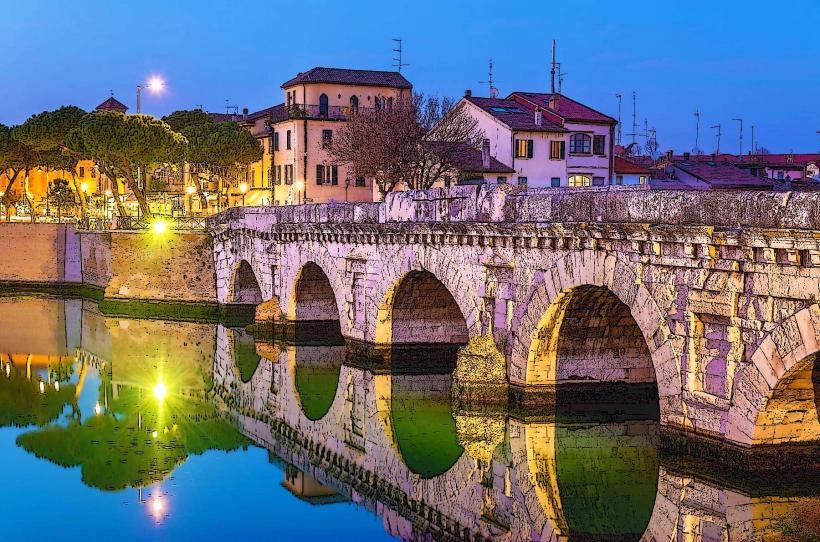
Tiberius Bridge (Ponte di Tiberio): A 2,000-year-old stone bridge still in use by vehicles and pedestrians.
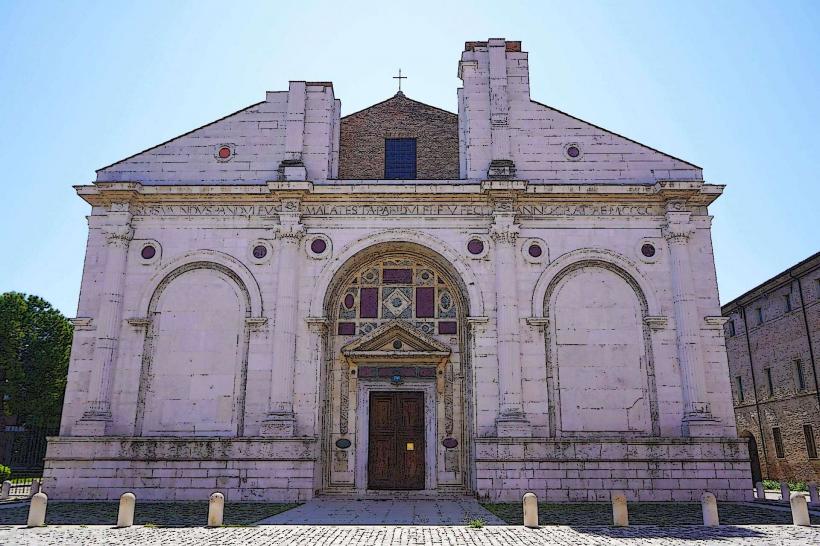
Tempio Malatestiano: A masterpiece of the Italian Renaissance designed by Leon Battista Alberti.
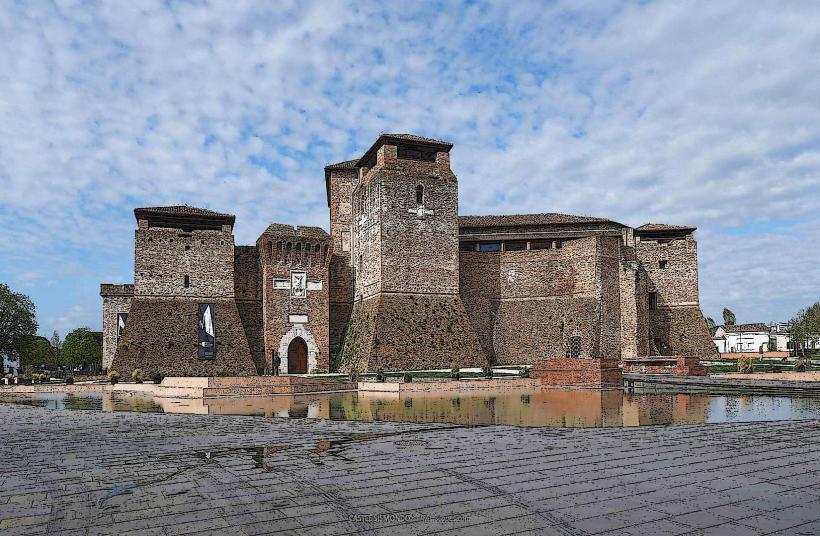
Castel Sismondo: A 15th-century fortress now housing part of the Fellini Museum.
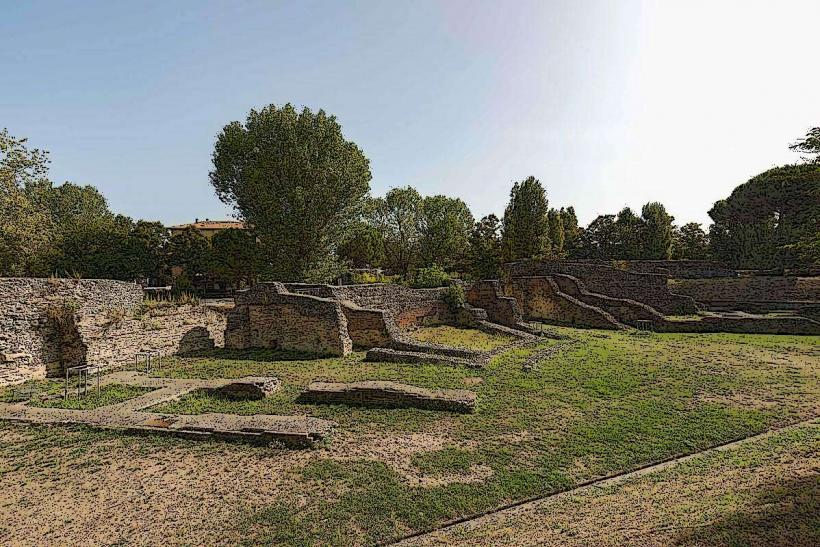
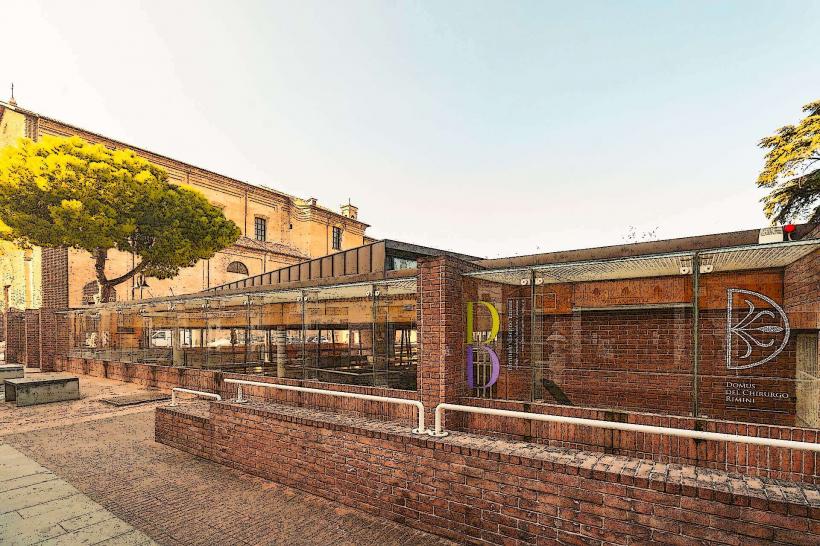
The Surgeon’s Domus: An archaeological site featuring a well-preserved 2nd-century Roman doctor's house and instruments.
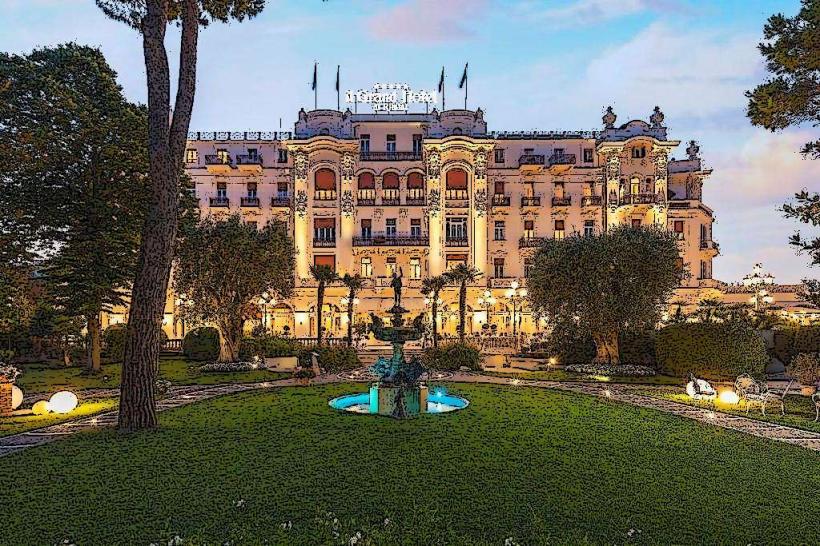
The Grand Hotel Rimini: A National Monument and the symbol of La Dolce Vita.
Transportation Network
Movement is managed by Start Romagna. The city features the Metromare, a dedicated rapid transit bus line connecting Rimini Station to Riccione in 15 minutes. Rimini is a major stop on the Adriatic railway line. Air travel is serviced by Federico Fellini International Airport (RMI) (8 km south) or Bologna Airport (BLQ) (120 km north). The city is exceptionally bike-friendly with flat terrain and dedicated coastal paths.
Safety & "Red Zones"
The safety level is high. Standard urban awareness is required in the Parco Cervi and Railway Station areas late at night. During the peak summer season, vigilance against pickpockets on crowded beaches and public transport is necessary.
Digital & Financial Infrastructure
Average internet speed is 300–1000 Mbps. The city is a major European Trade Fair (Rimini Fiera) hub. The city is largely cashless. Cards and mobile payments are universal in restaurants and shops, though small "Bagni" (beach clubs) may occasionally request cash for minor purchases. Parking is managed via the EasyPark or MyCicero apps.
Climate & Air Quality
Temperatures range from 4°C in winter to 29°C in summer. The humidity can be high in July and August. Air quality is generally good, though summer traffic and the geographical position in the Po Valley can lead to occasional smog accumulation.
Culture & Social Norms
Tipping is not required but "rounding up" is appreciated. The culture is defined by Romagnolo hospitality and a deep culinary pride centered on the Piadina. Social life revolves around the Piazza sull'Acqua and the evening passeggiata along the Lungomare.
Accommodation Zones
Stay in Marina Centro for beach access and luxury hotels.
Stay in the Centro Storico for authentic culture and proximity to museums.
Stay in Borgo San Giuliano for a boutique, quiet, and artistic atmosphere.
Local Cost Index
1 Espresso: 1.20 – 1.80 €
1 Standard Lunch (Piadina + Drink): 8.00 – 12.00 €
1 Pint of Local Beer: 5.50 – 8.00 €
1 Metromare Ticket: 2.50 €
Nearby Day Trips
San Marino: 20 km west; one of the world's smallest and oldest republics, located on Mount Titano.
San Leo: 35 km west; a dramatic fortress perched on a sheer cliff.
Santarcangelo di Romagna: 10 km north; a medieval town known for its mysterious tufa caves and traditional crafts.
Facts & Legends
Local legend says the Tiberius Bridge was built with the help of the devil, who left "claws" marks on the stones. A verified historical fact is that Rimini was the birthplace of the first specialized seaside bathing establishment in Italy (1843), effectively inventing the modern Italian summer holiday.