Information
City: RutlandCountry: USA Vermont
Continent: North America
Rutland, USA Vermont, North America
Rutland is an incorporated city and the seat of Rutland County, located in the Otter Creek valley at the junction of the Green Mountains and the Taconic Range. Defined by its 19th-century industrial wealth from the marble industry and its status as a critical rail hub, it serves as the commercial, medical, and logistical center for South-Central Vermont.
Historical Timeline
Inhabited by the Abenaki people. Chartered in 1761 and named after John Manners, 3rd Duke of Rutland. A critical historical event occurred in the mid-1800s with the discovery of the world's highest-quality marble deposits nearby, transforming Rutland into the "Marble City." The Vermont Marble Company, once based in the adjacent village of Proctor, became the largest marble manufacturer globally. Following the decline of the marble and rail industries in the mid-20th century, the city pivoted toward tourism and regional services. In 2026, Rutland is recognized for its aggressive urban renewal projects and its role as a "Solar City" with high per-capita renewable energy production.
Demographics & Population
The 2026 population is approximately 15,500. The demographics are White (92.5%), Two or more races (3.2%), Asian (1.8%), and Hispanic or Latino (1.5%). The economy is anchored by Healthcare (Rutland Regional Medical Center), Manufacturing (GE Aviation), Aviation, and Tourism (as the base for Killington Resort).
Urban Layout & Key Districts
Rutland is a grid-based city focused on a historic downtown core.
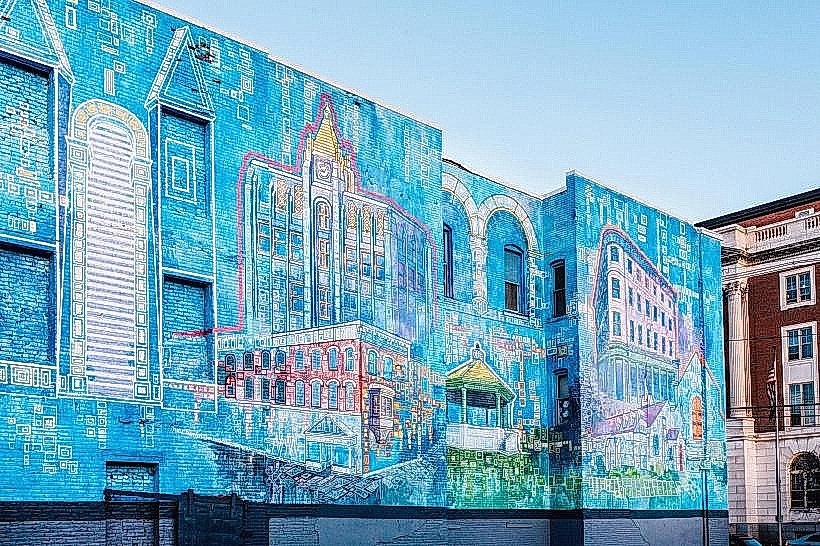
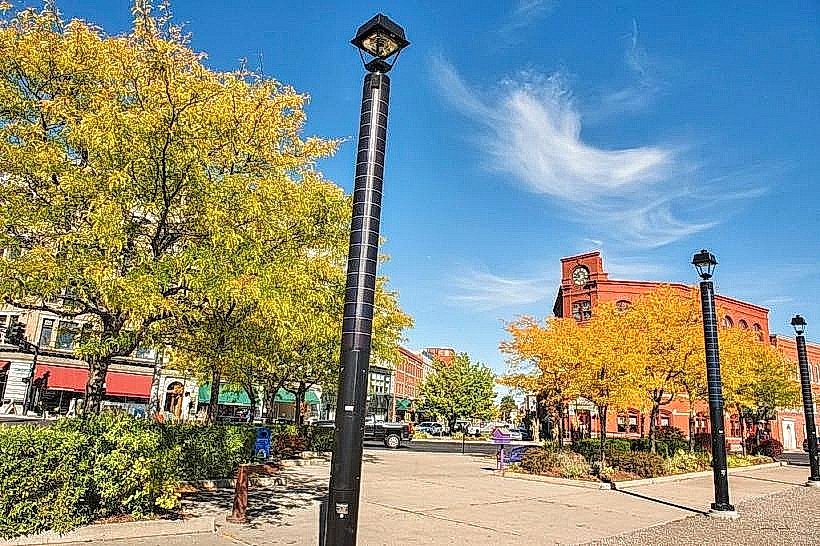
Downtown / Merchants Row: The commercial heart; characterized by massive 19th-century brick and marble buildings, the Paramount Theatre, and independent retail.
North End: A residential district featuring grand Victorian homes formerly owned by marble barons and rail executives.
South End: An industrial and commercial corridor home to regional shipping, large-scale retail, and the Diamond Run area.
West Rutland: An adjacent independent town historically defined by quarrying and now an emerging arts destination.
Top City Landmarks
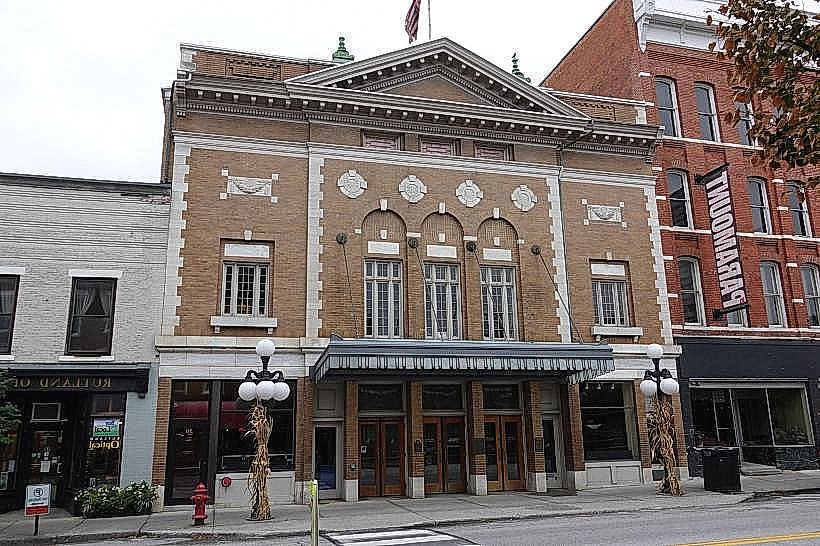
The Paramount Theatre: A restored 1914 vaudeville house that serves as the premier performing arts venue in the region.
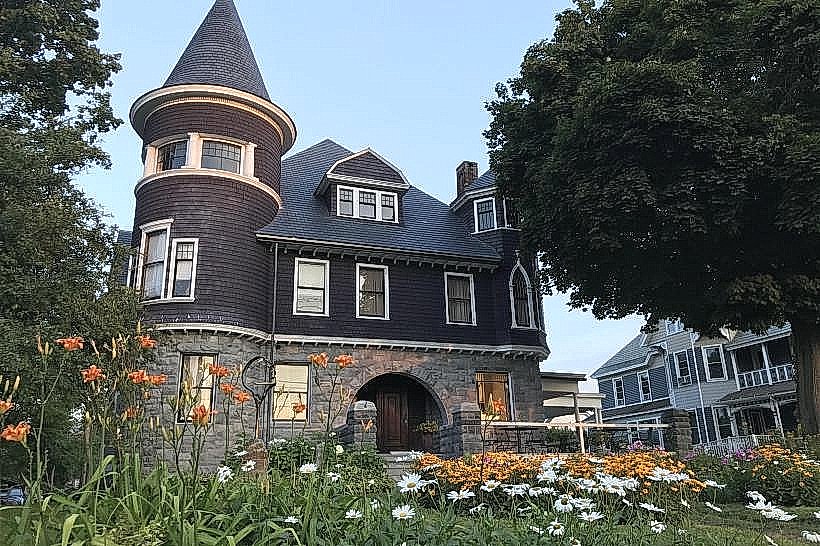
Chaffee Art Center: Housed in a 1892 Queen Anne Victorian mansion, showcasing contemporary Vermont artists.
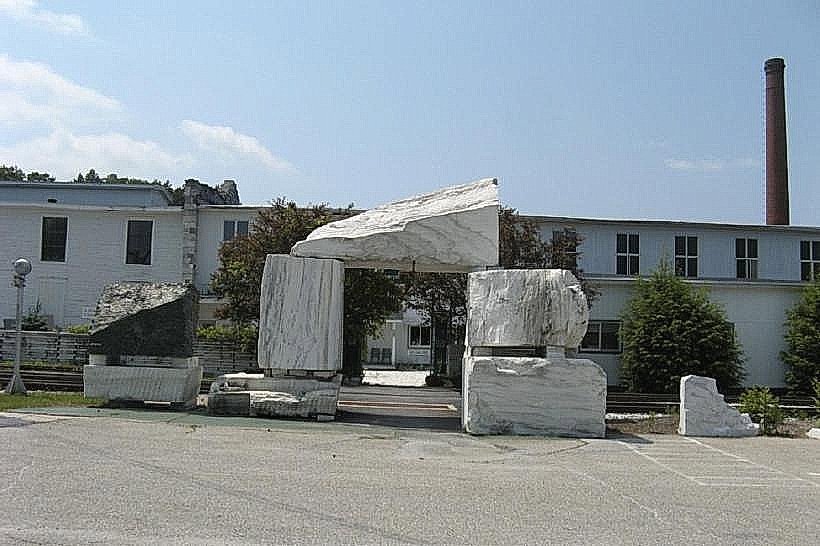
Rutland Sculpture Trail: A series of marble monuments throughout downtown depicting local historical figures and themes.
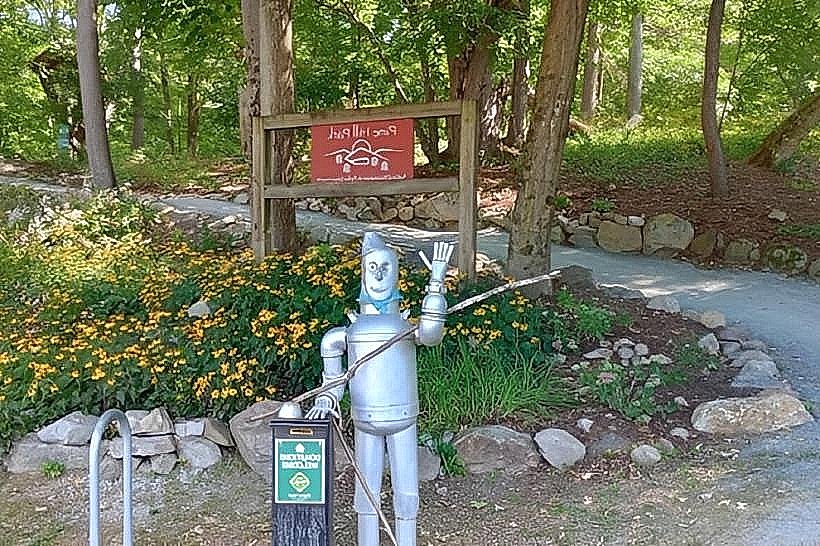
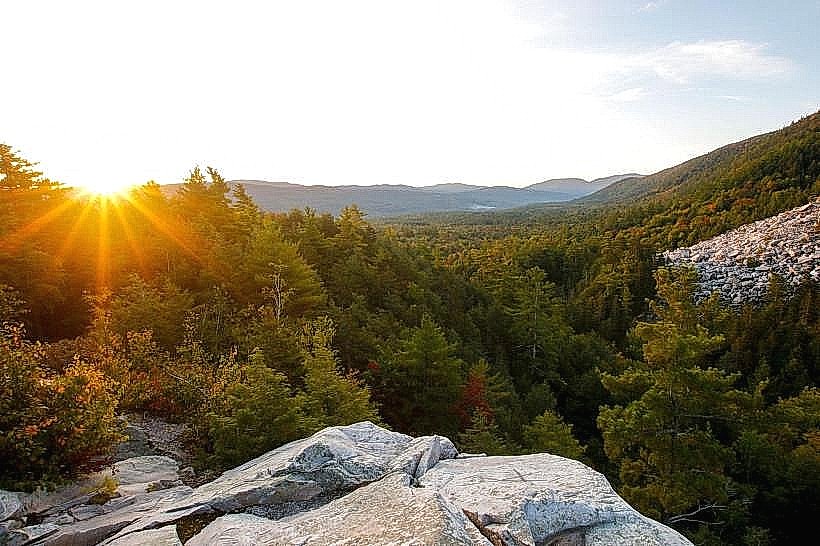
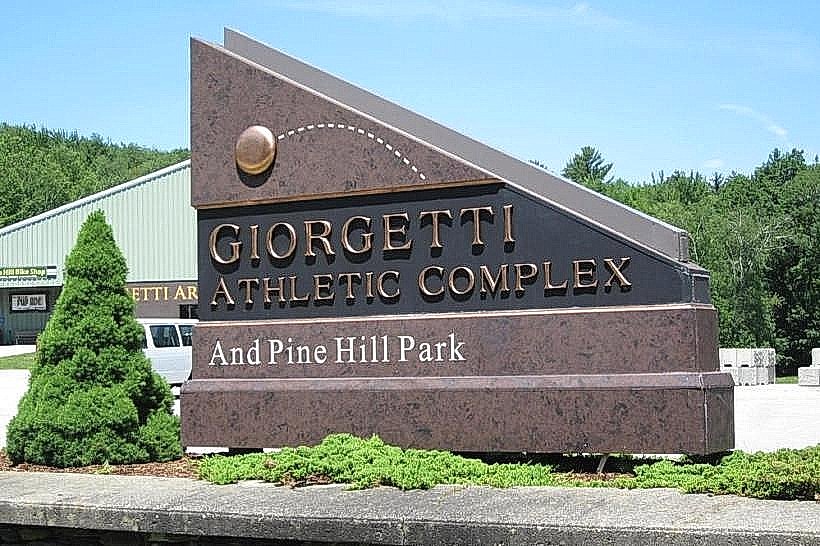
Pine Hill Park: A 325-acre municipal forest offering over 25 km of world-class mountain biking and hiking trails within city limits.
Vermont Marble Museum: (Located 10 km north in Proctor); the world's largest marble exhibit, detailing the stone's use in the U.S. Supreme Court and the Unknown Soldier’s Tomb.
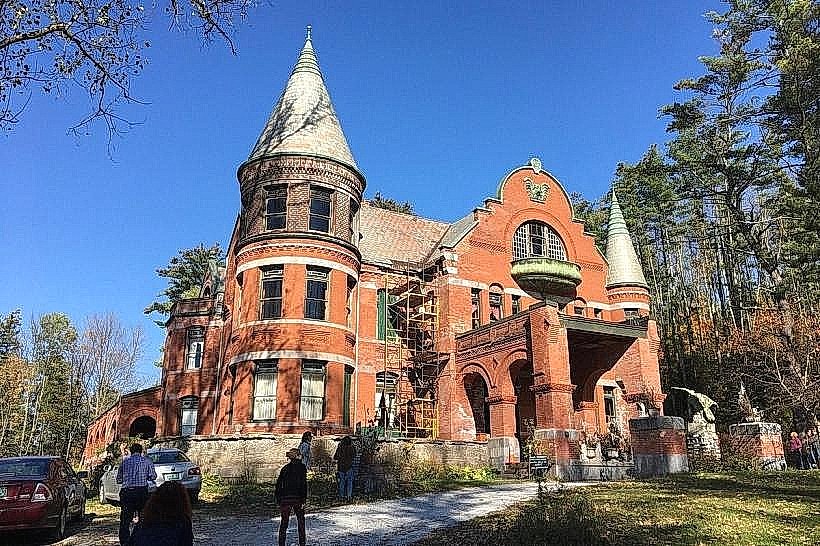
The Wilson Castle: (Located 5 km west); a 32-room 19th-century estate featuring European architectural elements and rare antiques.
Transportation Network
Movement is automotive-centric. Rutland is the intersection of US-7 and US-4. Public transit is provided by The Bus (Marble Valley Regional Transit District). Amtrak’s Ethan Allen Express provides daily service to New York City and Burlington from the downtown multi-modal center. Rutland Southern Vermont Regional Airport (RUT) offers daily commercial flights to Boston.
Safety & "Red Zones"
The general safety level is moderate. Like many post-industrial hubs, Rutland has faced significant challenges with the opioid crisis. Standard awareness is advised in the lower State Street and Northwest neighborhood areas after dark. Environmental hazards include severe winter blizzards and flash flooding of Otter Creek.
Digital & Financial Infrastructure
Internet speeds are high, with 1 Gbps fiber via Fidium Fiber. Mobile service is robust in the city but drops significantly in the surrounding mountain gaps. Card acceptance is universal. Vermont has a progressive state income tax. Rutland levies a 1% local option tax on meals, lodging, and retail.
Climate & Air Quality
Temperatures range from -11°C to -1°C in winter and 15°C to 28°C in summer. The valley location can trap humidity and heat in July and August. Air quality is high.
Culture & Social Norms
The standard tipping percentage is 20%. A "Blue-Collar-Direct" greeting is standard. Dress codes are "Functional-Utility" (workwear and winter layers are the norm). The city is culturally defined by its Industrial Heritage, Winter Sports, and the Vermont State Fair (held annually in Rutland since 1846).
Local Cost Index
1 Espresso: $4.25 (USD)
1 Standard Lunch: $15.50 (USD)
1 Paramount Theatre Ticket: $30.00–$75.00.
Nearby Day Trips
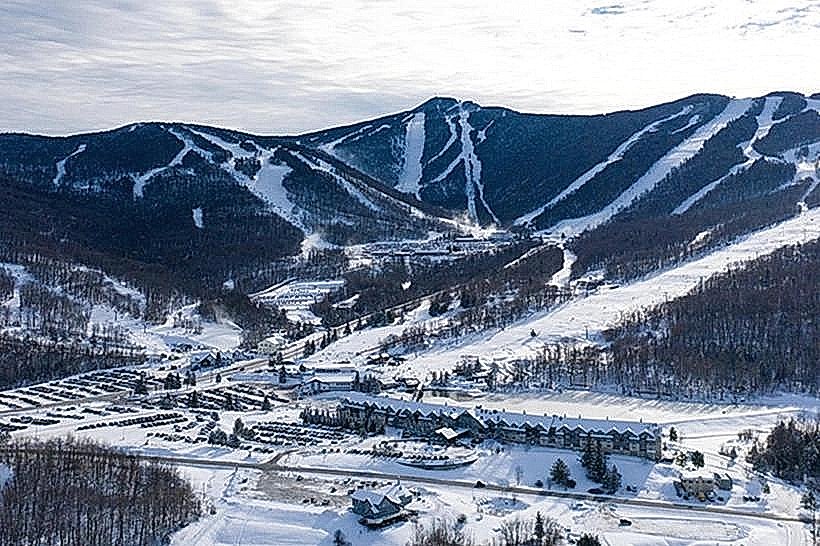
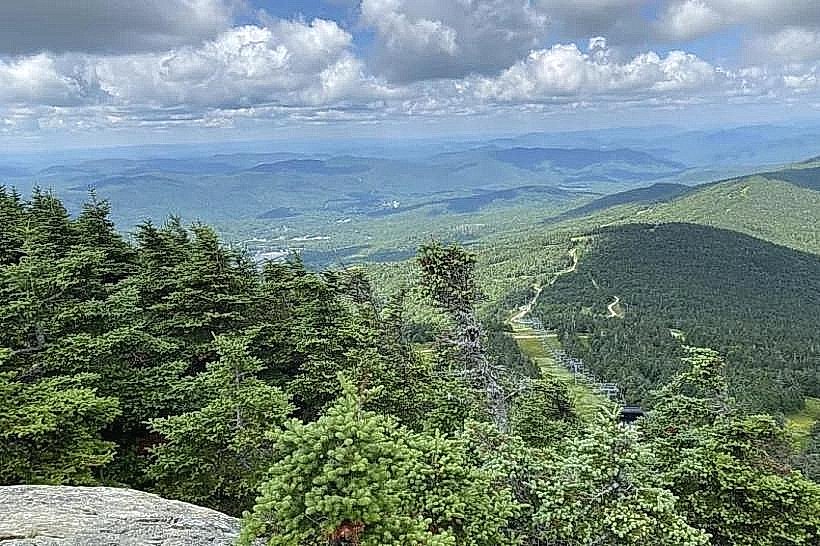
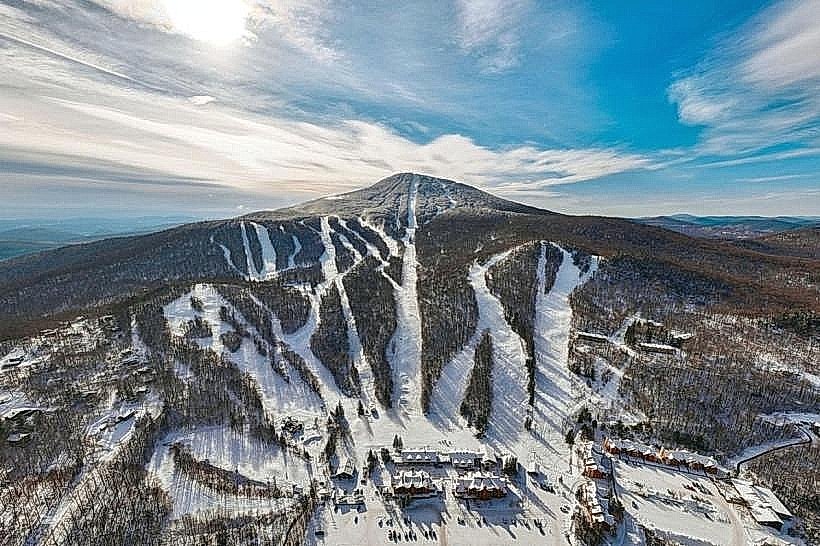
Killington Resort: (18 km east; the largest ski resort in the Eastern U.S.).
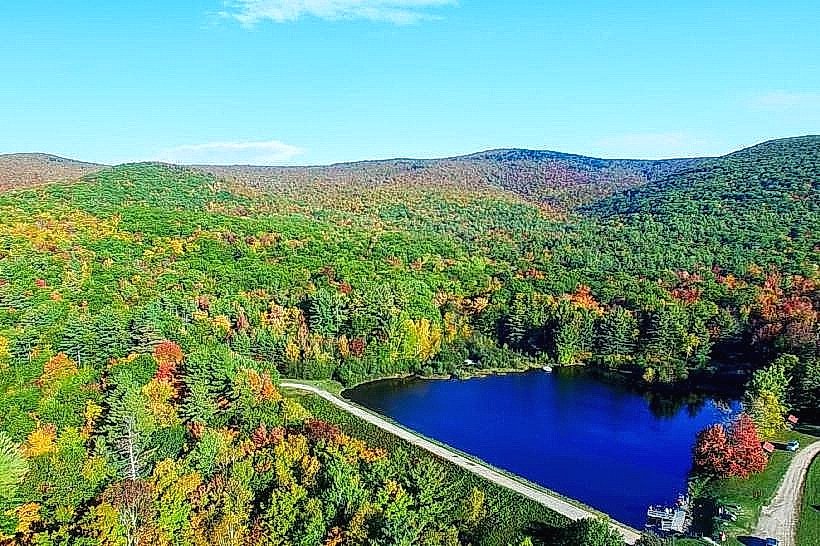
Lake Bomoseen: (25 km west; the largest lake contained entirely within Vermont).
Hubbardton Battlefield: (30 km northwest; site of the only Revolutionary War battle fought on Vermont soil).
Facts & Legends
Rutland is home to the "Halloween Parade," one of the oldest and largest in the U.S., famous for its ties to DC and Marvel comic book history. Historically, the city was the site of the first Vermont Constitutional Convention. A local legend involves the "Eddy Brothers," 19th-century spirit mediums from nearby Chittenden who were claimed to manifest ghosts, attracting investigators from around the world. Another legend concerns the "Otter Creek Serpent," a local cryptid said to inhabit the deep, muddy stretches of the river near the city center.