Information
City: San AntonioCountry: USA Texas
Continent: North America
San Antonio, USA Texas, North America
San Antonio is the oldest municipality in Texas and the seventh-most populous city in the United States. Located in South-Central Texas, it serves as a major gateway to the Texas Hill Country and is a primary hub for the military, healthcare, and tourism industries.
Historical Timeline
Founded in 1718 by Spanish settlers as a mission and presidio, it is the site of Mission San Antonio de Valero (The Alamo). The city was the center of the 1836 Battle of the Alamo during the Texas Revolution. It evolved from a frontier cattle town into a major military center, earning the trademarked title "Military City, U.S.A." for its high concentration of bases. In 2015, its five colonial missions were designated a UNESCO World Heritage Site.
Demographics & Population
The estimated 2026 population is 1,526,656. San Antonio is one of the most Hispanic-influenced major cities in the U.S., with approximately 64% of the population identifying as Hispanic/Latino. The remaining demographic is roughly 23% White (non-Hispanic), 7% Black or African American, and 3% Asian.
Urban Layout & Key Districts
Downtown: The historic and tourist core containing the Alamo and the River Walk.
The Pearl: A former brewery complex turned into a high-end mixed-use district featuring the Culinary Institute of America and artisan markets.
Southtown: A trendy, arts-focused neighborhood south of downtown known for "First Friday" art walks and historic King William district homes.
The North Side (Stone Oak/La Cantera): Affluent, hilly suburban areas featuring luxury retail and upscale residential developments.
West Side: The heart of the city's Mexican-American culture, famous for its murals and traditional taquerias.
Top City Landmarks
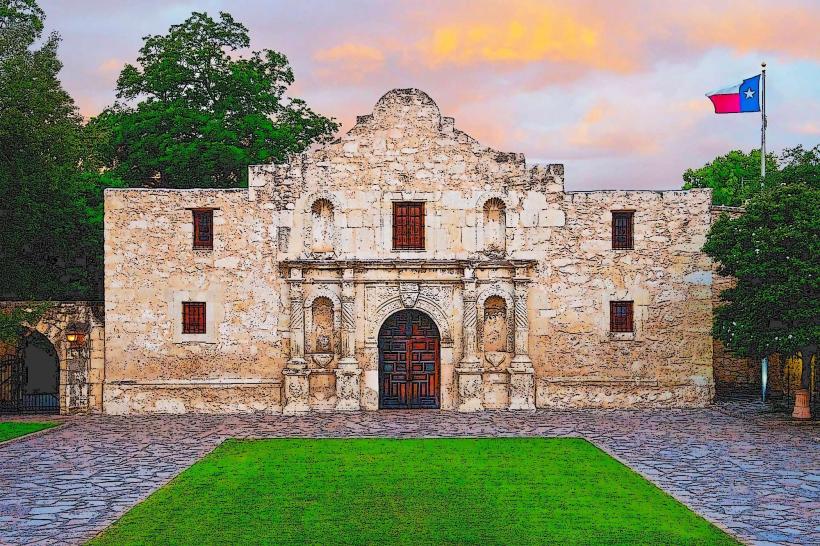
The Alamo: A historic Spanish mission and fortress; the most visited landmark in Texas.
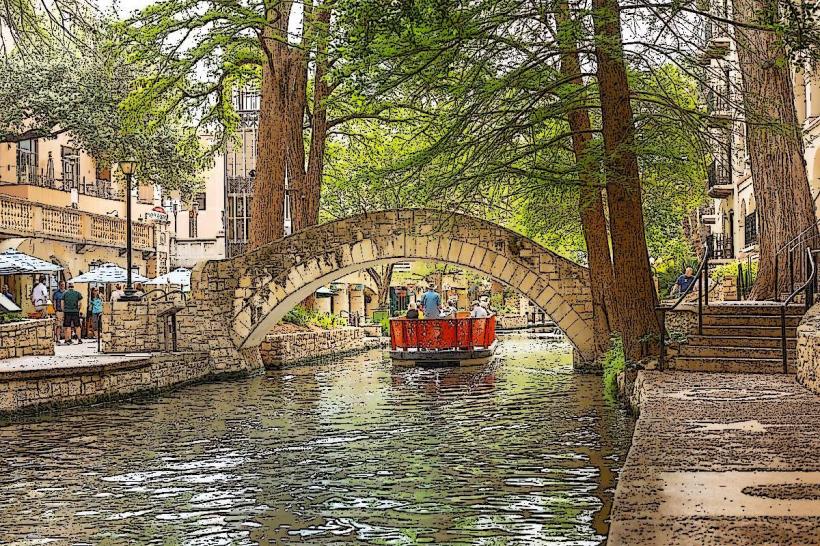
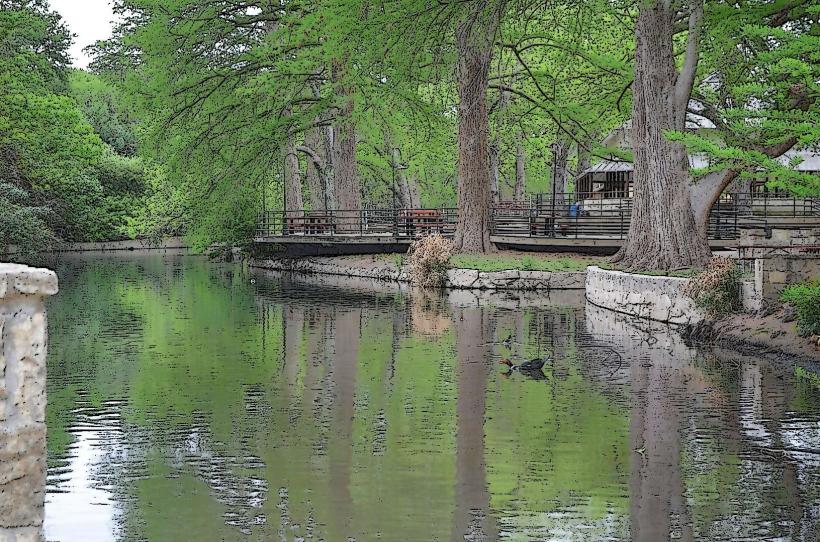
San Antonio River Walk: A 15-mile (24 km) network of walkways along the San Antonio River, lined with shops, restaurants, and bars.
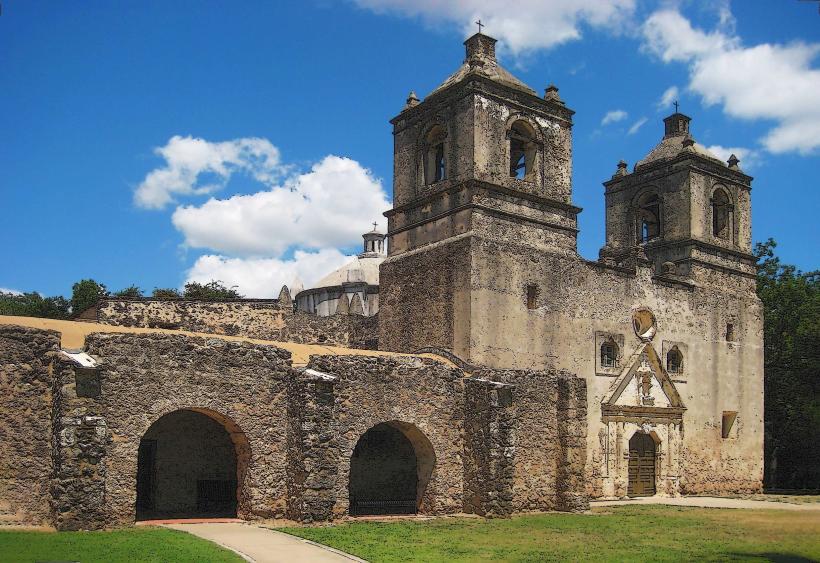
San Antonio Missions National Historical Park: A UNESCO site preserving four Spanish colonial missions (Concepción, San José, San Juan, and Espada).
Tower of the Americas: A 750-foot (229 m) observation tower built for the 1968 World’s Fair.
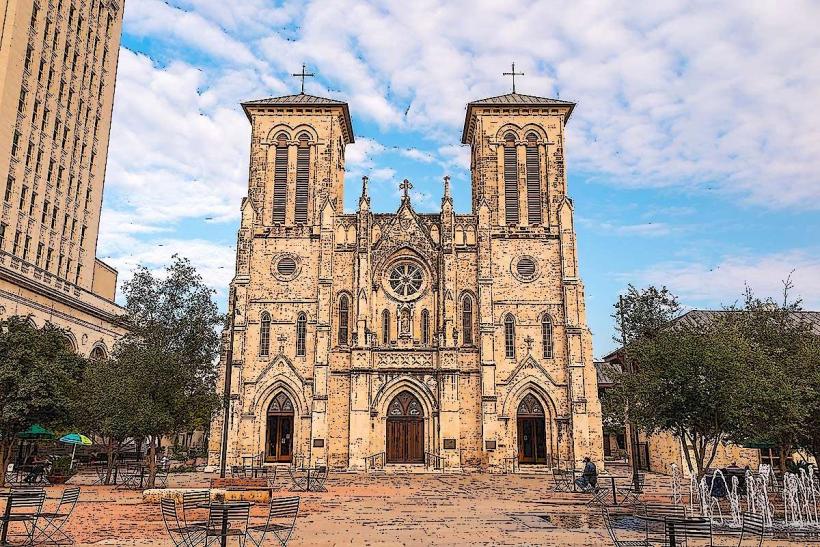
San Fernando Cathedral: The oldest continuously functioning religious community in Texas, featuring the "Saga" light projection show on its facade.
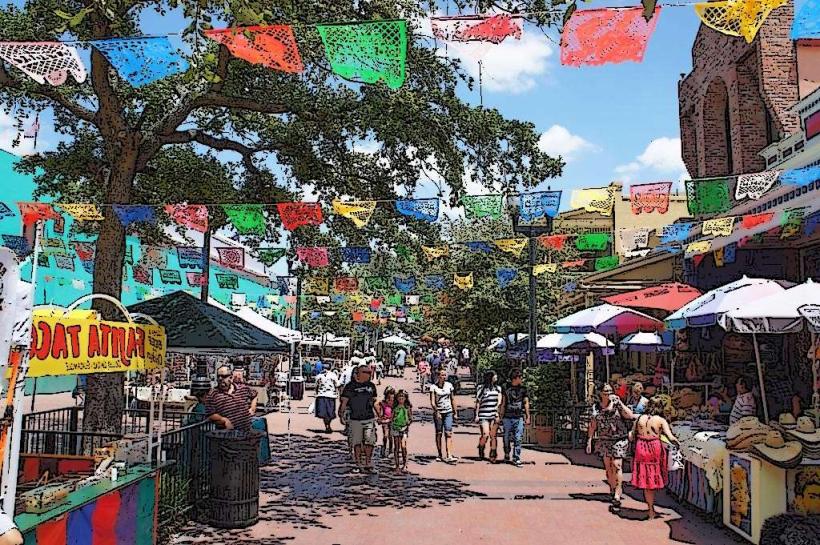
Market Square (El Mercado): The largest Mexican market in the U.S.
Transportation Network
San Antonio International Airport (SAT) is the primary air hub. The city is a major junction for I-10, I-35, and I-37. Public transit is managed by VIA Metropolitan Transit, which operates an extensive bus network and "VIA Link" on-demand services. The city is notably less walkable than Dallas or Houston, making a car essential for most residents, though the downtown "B-Cycle" bike-share program is popular for tourists.
Safety & "Red Zones"
The safety level is moderate. San Antonio has a lower violent crime rate than many cities of its size, but property crime is prevalent.
Areas of Caution: Parts of the East Side and West Side (specifically near the I-10/I-35 interchange) have historically higher crime rates.
Safe Zones: The northern suburbs and the Alamo Heights enclave are considered the safest areas.
General Vigilance: Stay on the main paths of the River Walk at night; peripheral sections can be poorly lit and isolated.
Digital & Financial Infrastructure
Internet speeds are high (up to 1000+ Mbps via Google Fiber and AT&T). The US Dollar (USD) is the currency. Sales tax is 8.25%. San Antonio is a Tier 1 center for cybersecurity and intelligence due to its military ties and the presence of the NSA's Texas Cryptologic Center.
Climate & Air Quality
San Antonio has a Transitional Humid Subtropical climate (Cfa).
Temperatures: Hot and humid summers (avg. highs of 36°C) and mild winters (avg. highs of 17°C).
Winter Weather: While rare, the city is susceptible to "iced-over" roads during winter storms, leading to city-wide closures.
Air Quality: Generally moderate; the city occasionally experiences high ozone levels during peak summer heat.
Culture & Social Norms
The culture is "Tex-Mex"-a deep integration of Mexican and Texan traditions. The city’s biggest event is Fiesta San Antonio, a 10-day citywide celebration in April. Tipping (18–25%) is expected. The pace of life is generally slower and more relaxed ("mañana" culture) compared to Dallas or Houston.
Accommodation Zones
River Walk/Downtown: Best for first-time visitors and history enthusiasts.
The Pearl District: Best for foodies and luxury boutique hotel seekers.
Near La Cantera/Six Flags: Recommended for families and those seeking proximity to Hill Country shopping.
Local Cost Index
1 Espresso: $4.00 – $5.50
1 Standard Lunch (Three-taco plate): $12.00 – $18.00
1 Monthly Cost of Living (Single): ~$2,280
Nearby Day Trips
Texas Hill Country (Fredericksburg): 70 miles (113 km) northwest (Wineries and German heritage).
New Braunfels/Gruene: 30 miles (48 km) northeast (River tubing and historic dance halls).
Austin: 80 miles (129 km) north (State capital and music scene).
Facts & Legends
San Antonio is home to the largest bat colony in the world at Bracken Cave, where 20 million Mexican free-tailed bats emerge nightly. A local legend involves the "Ghost Tracks" on the South Side, where a spectral school bus is said to push stalled cars over railroad tracks. A verified fact: the city's River Walk was originally a 1920s flood control project that was later revitalized into the massive tourist attraction it is today.