Information
City: San Juan del SurCountry: Nicaragua
Continent: North America
San Juan del Sur, Nicaragua, North America
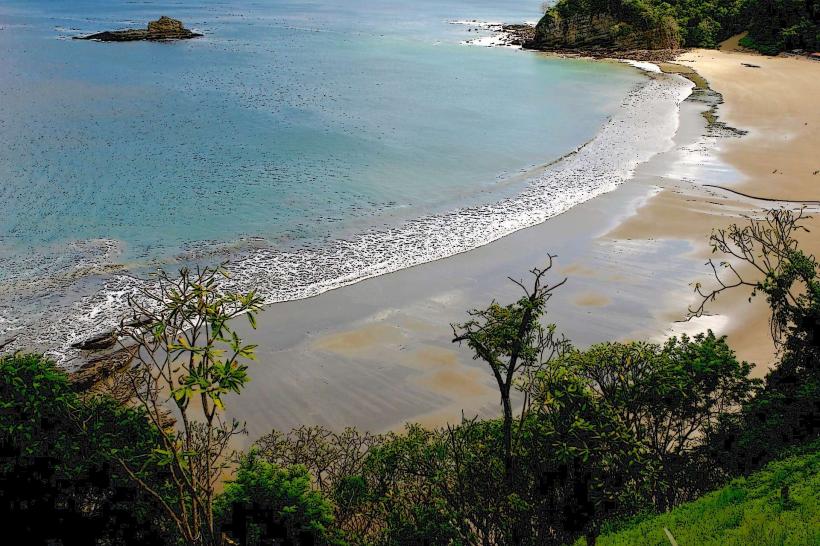
San Juan del Sur is a coastal town in southwestern Nicaragua, near the Costa Rican border. It is the country’s primary hub for surfing, nightlife, and expatriate life, centered around a crescent-shaped bay on the Pacific Ocean.
2026 Strategic & Infrastructure Context
Coastal Highway (La Costanera): As of January 2026, construction of the Pacific Coastal Highway is significantly impacting the region. This $400 million project aims to connect the southern border to the northern port of Corinto. In San Juan del Sur, the project has led to increased property values but also temporary transit disruptions due to heavy machinery and roadwork.
Tourism Market (2026): The Nicaraguan Institute of Tourism (INTUR) is promoting the city as a "safe and sustainable" destination in its 2026 marketing campaign. Despite this, international travel advisories (US Level 3) emphasize a "Reconsider Travel" status due to political instability and rising crime in high-traffic tourist zones.
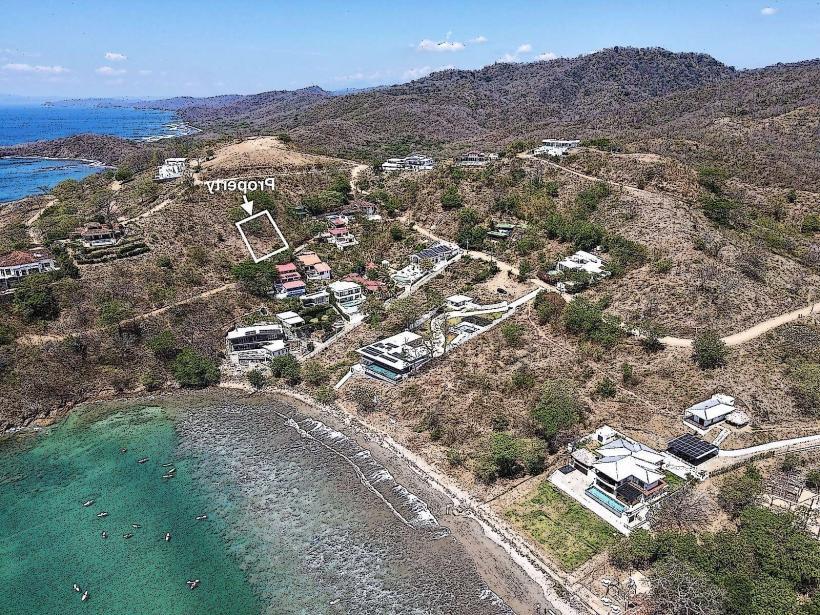
Real Estate & Rentals: As of early 2026, San Juan del Sur remains one of the most expensive property markets in Nicaragua. Oceanfront and hillside properties in La Talanguera command the highest premiums. Short-term rentals (Airbnb) for quality listings range from $80 to $150 per night.
Demographics & Population
The 2026 population of the municipality is approximately 16,000. The town features a unique demographic blend of local Nicaraguans, Afro-descendants, and a large international expatriate community of surfers, digital nomads, and retirees. This has created a bilingual service economy.
Urban Layout & Key Districts
The Center (El Centro): A dense grid of colorful clapboard houses, hostels, and surf shops. The northern end of the beachfront promenade (Paseo del Rey) is the primary nightlife zone.
La Talanguera: An upscale residential neighborhood at the northern end of the bay, favored by expats for its quiet atmosphere and views.
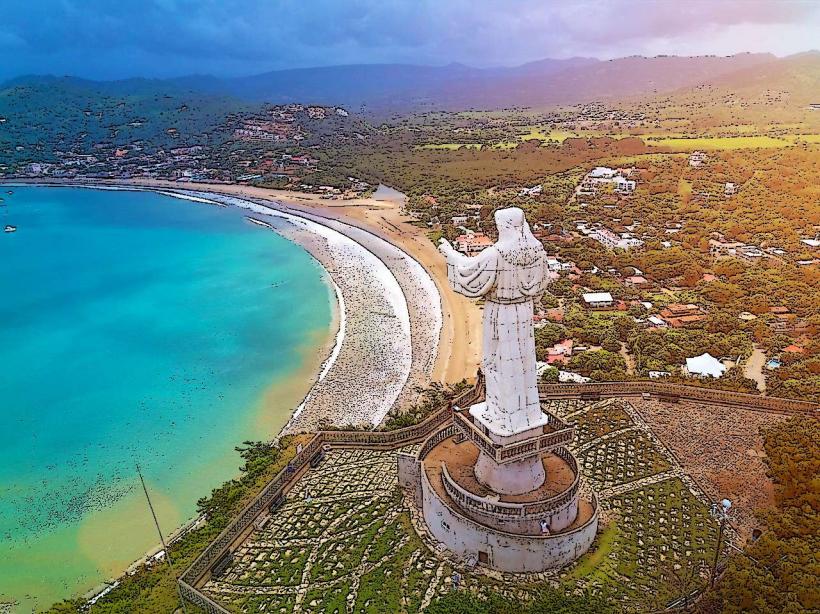
Pacific Marlin: A luxury development on the northern cliffs, home to the most expensive villas and the Christ of the Mercy Statue.
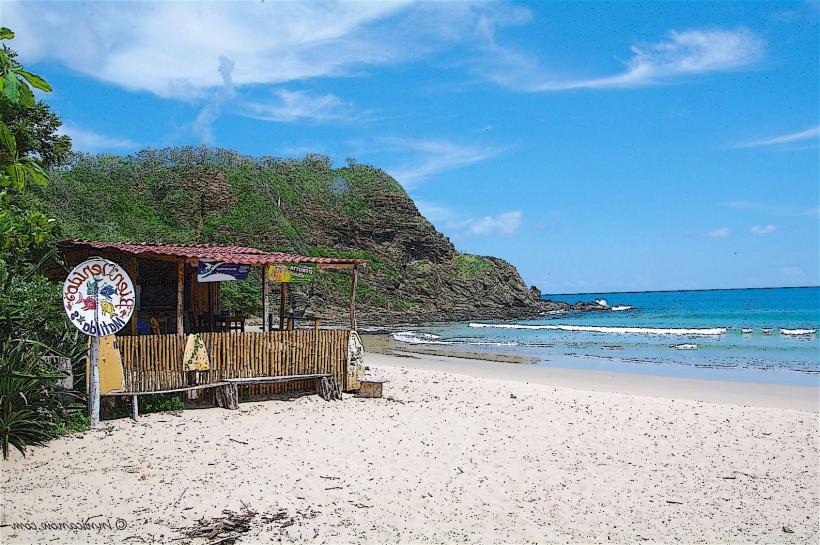
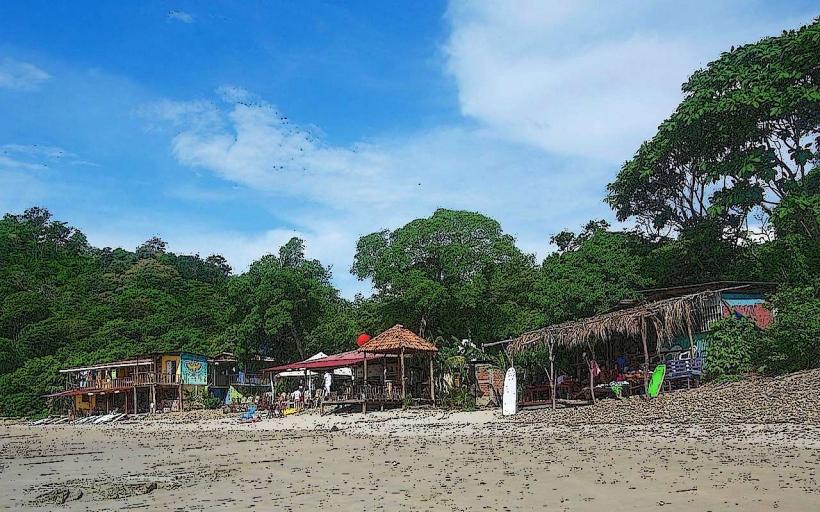
Playa Maderas: Located 20 minutes north; the region's premier surfing beach and a secondary hub for eco-lodges.
Top Landmarks
Cristo de la Misericordia: One of the tallest Jesus statues in the world, standing on a hill north of the bay. It provides a 360-degree panoramic view of the coastline and the San Juan del Sur valley.
The Old Lighthouse Trail: A hiking path at the southern end of the bay leading to a hilltop fort and the remains of a lighthouse.
Refugio de Vida Silvestre La Flor: Located south of the city; one of the few places in the world where thousands of Olive Ridley sea turtles arrive to nest (primarily between July and January).
San Juan Bautista Church: A simple, colonial-era church located in the central park, serving as a quiet landmark amidst the bustling town.
Transportation & Connectivity
Shuttles: Private and shared "surf shuttles" are the standard method for reaching outlying beaches like Playa Hermosa, Remanso, and Maderas ($5–$10 round trip).
Road: Accessible via the Pan-American Highway and Rivas. Managua is approximately 2.5 to 3 hours away.
Digital: 4G/LTE is stable in the town center, though speeds can drop in remote hillside areas. Fiber-optic internet is increasingly available in gated developments.
Local Cost Index (USD - Jan 2026)
1 Domestic Beer (Toña/Victoria): $1.50–$2.50
1 Mid-range dinner for two: $20.00–$35.00
1 Monthly 1-bedroom rental (outside center): $300.00–$500.00
1 Private taxi within town: $2.00–$5.00
Facts & Legends
Legend says the bay was once a preferred hiding spot for pirates due to its deep waters and surrounding hills that shielded ships from the open ocean view. A geographic fact: San Juan del Sur is located on a narrow isthmus where the strong "Papagayo" winds blow from Lake Nicaragua toward the Pacific, creating the consistent offshore conditions that make it a world-class surfing destination. Historically, the town was a vital transit point during the California Gold Rush, as travelers would cross through Nicaragua rather than the arduous American plains.